10 Best Herbal Lozenges For Toothache
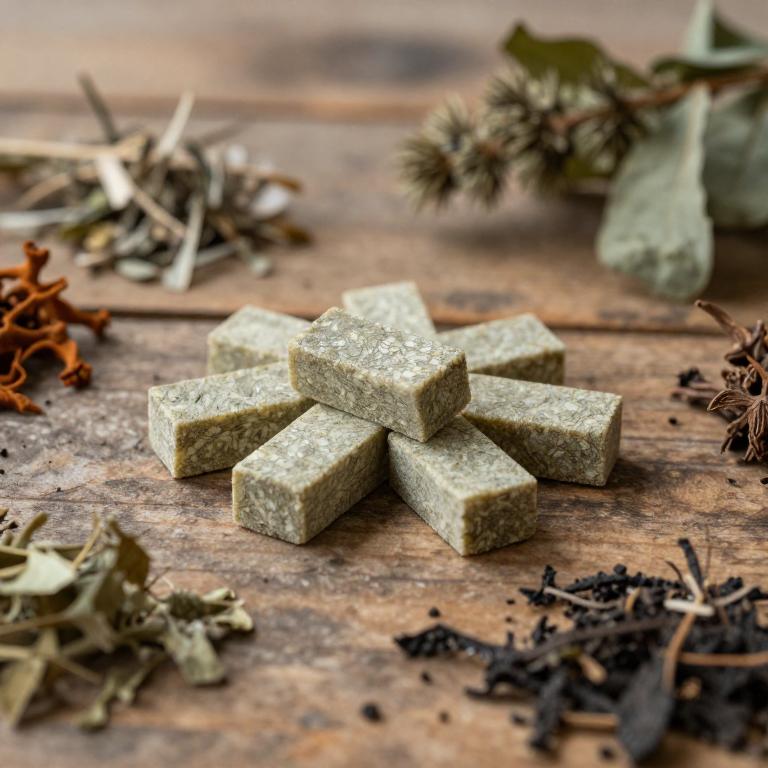
Herbal lozenges are a natural remedy commonly used to alleviate toothache by soothing the pain and reducing inflammation in the mouth.
These lozenges often contain ingredients such as cloves, eucalyptus, mint, and licorice root, which have antimicrobial and analgesic properties. They work by numbing the sensitive areas in the mouth and providing a cooling or warming sensation that can distract from the pain. Unlike conventional painkillers, herbal lozenges are generally considered safe for most people, including children and those with mild allergies.
However, they are most effective when used in conjunction with proper oral hygiene and professional dental care for underlying issues.
Table of Contents
- 1. Eucalyptus (Eucalyptus globulus)
- 2. Salvia (Salvia officinalis)
- 3. Peppermint (Mentha piperita)
- 4. Black pepper (Piper nigrum)
- 5. Oregano (Origanum vulgare)
- 6. Rosemary (Rosmarinus officinalis)
- 7. Ginger (Zingiber officinale)
- 8. Ceylon cinnamon (Cinnamomum zeylanicum)
- 9. Yarrow (Achillea millefolium)
- 10. Fennel (Foeniculum vulgare)
1. Eucalyptus (Eucalyptus globulus)
Eucalyptus globulus herbal lozenges are a natural remedy designed to alleviate toothache by leveraging the anti-inflammatory and analgesic properties of eucalyptus oil.
These lozenges contain concentrated extracts of eucalyptus globulus, commonly known as the Australian tea tree, which has been traditionally used for its soothing and healing effects. The menthol-like compounds in eucalyptus oil help to numb the pain and reduce inflammation in the mouth, providing temporary relief from toothache symptoms. They are particularly beneficial for individuals seeking a natural alternative to conventional pain relievers.
When used as directed, these lozenges can offer a gentle, effective solution for mild to moderate tooth pain.
2. Salvia (Salvia officinalis)
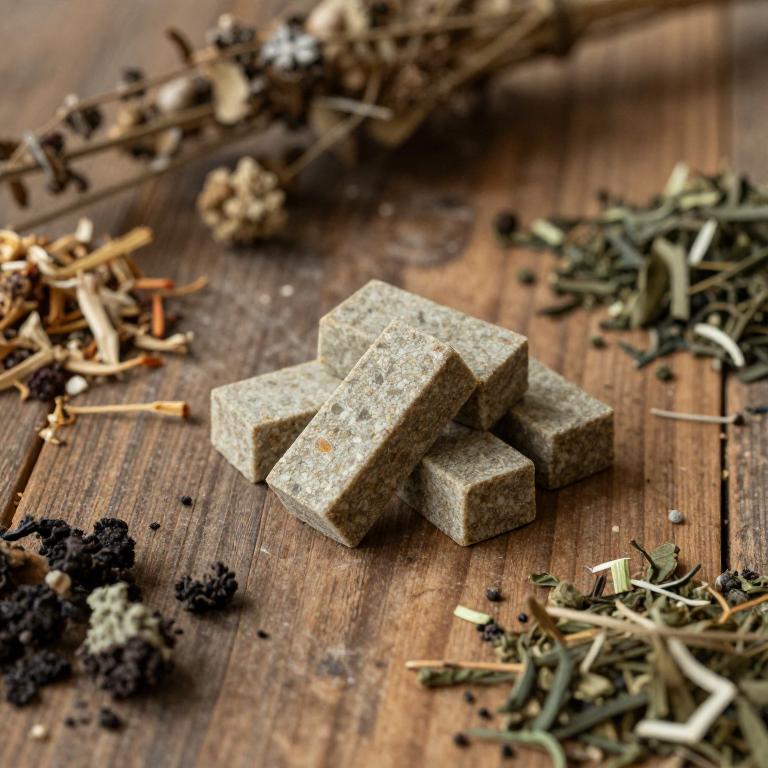
Salvia officinalis, commonly known as sage, has been traditionally used for its anti-inflammatory and antimicrobial properties, making it a valuable ingredient in herbal lozenges for alleviating toothache.
These lozenges work by soothing irritated gums and reducing the microbial load in the mouth, which can contribute to tooth pain and infection. The natural compounds in sage, such as flavonoids and thujone, help in reducing inflammation and numbing the pain associated with dental discomfort. Using sage-based lozenges can offer a natural alternative for those seeking relief without harsh chemical additives.
However, it is advisable to consult a dentist for persistent or severe toothache, as it may indicate a more serious underlying condition.
3. Peppermint (Mentha piperita)
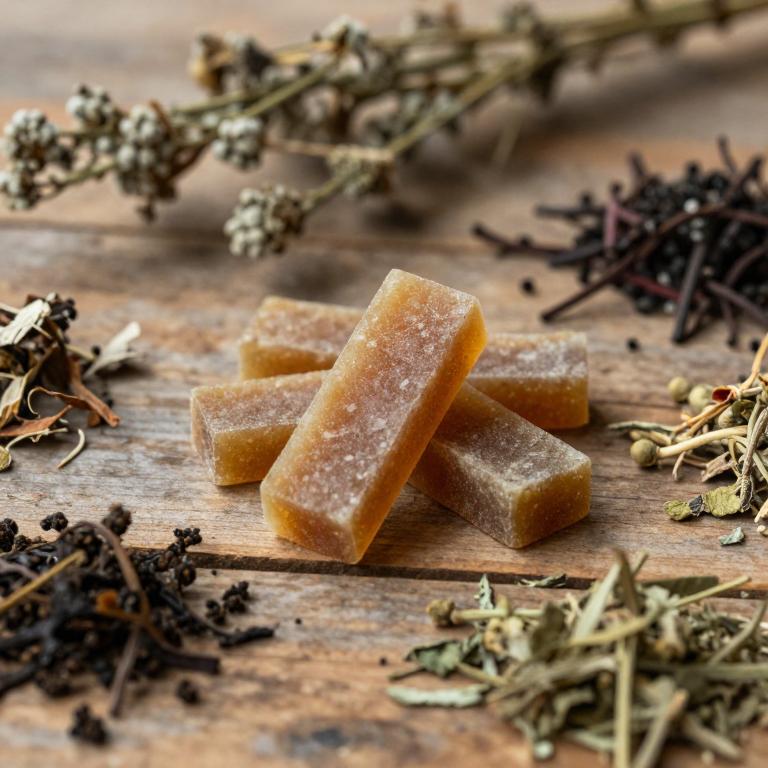
Mentha piperita, commonly known as peppermint, is often used in herbal lozenges to provide relief from toothache due to its cooling and analgesic properties.
These lozenges work by numbing the affected area and reducing inflammation, which can help alleviate pain associated with dental issues. The menthol in peppermint stimulates cold receptors in the mouth, creating a soothing sensation that can distract from the discomfort of a toothache. Additionally, the fresh aroma of peppermint can help freshen breath and reduce oral bacteria, supporting overall oral health.
While not a substitute for professional dental care, peppermint lozenges can offer temporary relief and are a natural alternative for those seeking herbal remedies for tooth pain.
4. Black pepper (Piper nigrum)
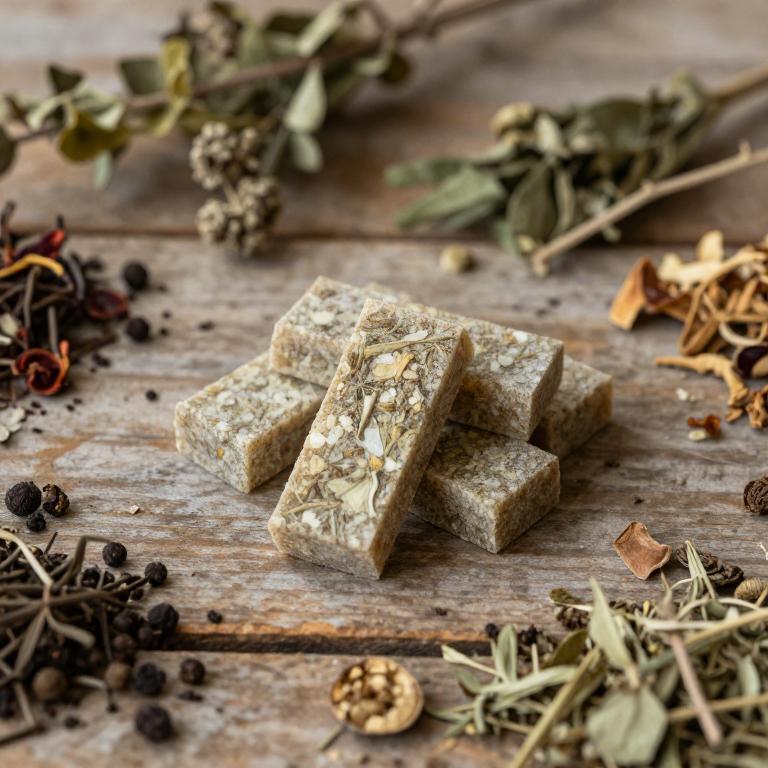
Piper nigrum, commonly known as black pepper, has been traditionally used in herbal remedies for its analgesic and anti-inflammatory properties.
Piper nigrum herbal lozenges are formulated to provide natural relief from toothache by soothing inflamed gums and reducing pain through the active compound piperine. These lozenges work by numbing the affected area and promoting saliva production, which helps in cleaning the mouth and reducing bacterial buildup. They are a gentle alternative for those seeking natural remedies without the use of harsh chemicals.
However, it is advisable to consult a dentist if the toothache persists, as it may indicate a more serious underlying condition.
5. Oregano (Origanum vulgare)
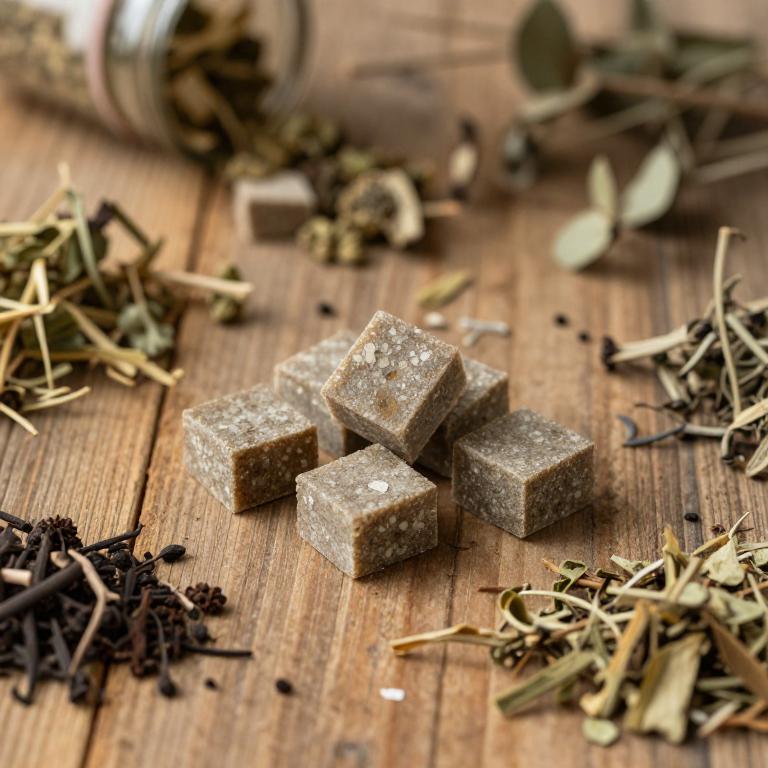
Origanum vulgare, commonly known as oregano, is a powerful herb often used in herbal lozenges to alleviate toothache due to its potent antibacterial and anti-inflammatory properties.
These lozenges are formulated to provide localized relief by reducing pain and swelling in the mouth, making them a natural alternative to conventional pain relievers. The active compounds in oregano, such as carvacrol and thymol, help combat oral bacteria that can contribute to tooth decay and gum inflammation. Regular use of oregano-based lozenges can soothe sore gums and promote faster healing of minor dental irritations.
As a result, these herbal lozenges are increasingly popular for their soothing, safe, and effective approach to managing toothache symptoms.
6. Rosemary (Rosmarinus officinalis)
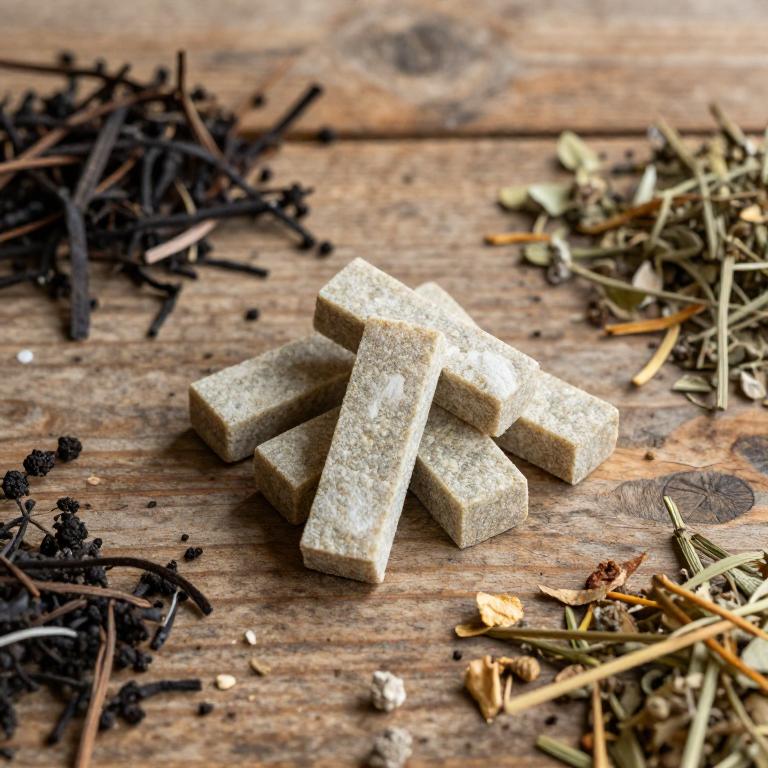
Rosmarinus officinalis, commonly known as rosemary, is a fragrant herb that has been traditionally used for its medicinal properties, including its ability to alleviate toothache.
Rosemary herbal lozenges are formulated with essential oils and extracts from the plant, which possess anti-inflammatory and analgesic properties that can help reduce pain and swelling associated with dental issues. These lozenges work by soothing the gums and providing a cooling effect, which can offer temporary relief from discomfort. The natural compounds in rosemary, such as rosmarinic acid and camphor, contribute to their effectiveness in calming irritated tissues.
While they are not a substitute for professional dental care, rosemary lozenges can serve as a natural and soothing option for managing mild toothache symptoms.
7. Ginger (Zingiber officinale)
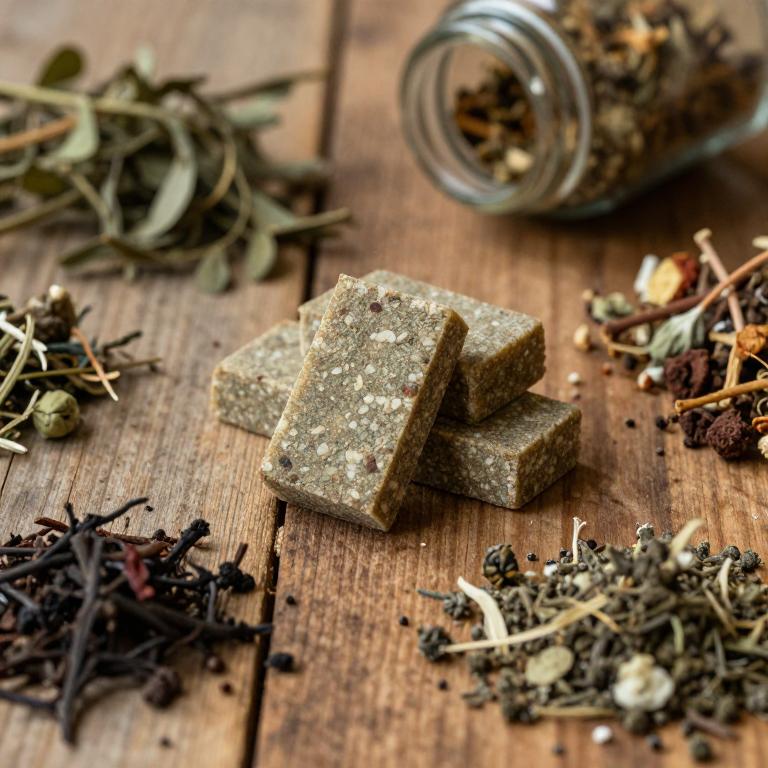
Zingiber officinale, commonly known as ginger, has been traditionally used for its anti-inflammatory and analgesic properties, making it a popular ingredient in herbal lozenges for alleviating toothache.
These lozenges work by reducing inflammation in the gums and soothing the pain associated with dental discomfort. The active compounds in ginger, such as gingerol and shogaol, help to decrease pain signals and promote a sense of relief. When used as a natural remedy, ginger lozenges offer a gentle alternative to over-the-counter painkillers, particularly for those seeking non-chemical solutions.
However, while they may provide temporary relief, they are not a substitute for professional dental care in cases of persistent or severe tooth pain.
8. Ceylon cinnamon (Cinnamomum zeylanicum)
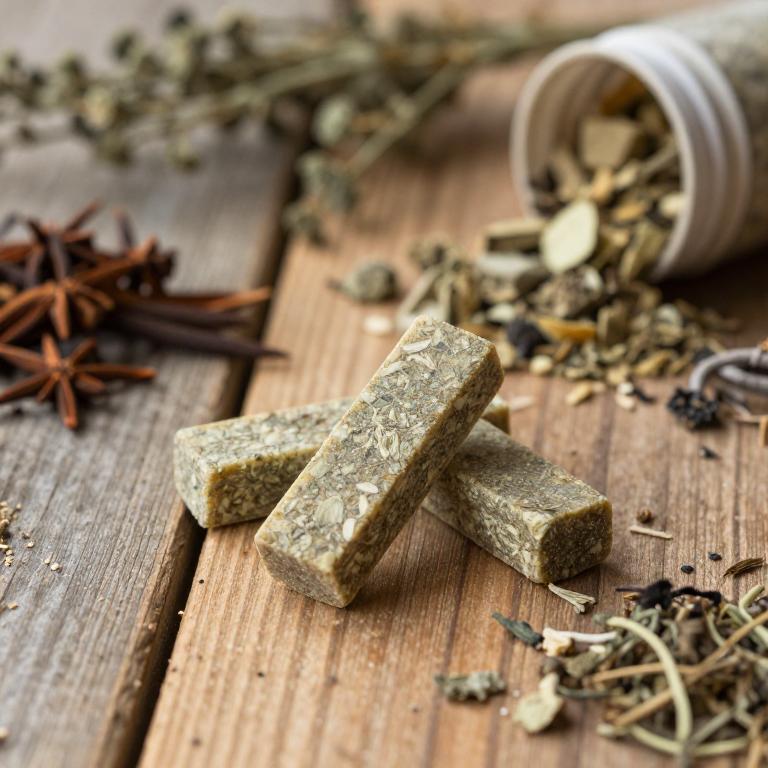
Cinnamomum zeylanicum, commonly known as cinnamon, is a popular herbal ingredient used in the formulation of lozenges for relieving toothache.
These lozenges leverage the natural antimicrobial and anti-inflammatory properties of cinnamon to reduce pain and inflammation in the mouth. The active compounds in cinnamon, such as cinnamaldehyde and eugenol, help to soothe sore gums and inhibit the growth of bacteria that contribute to dental infections. When used regularly, cinnamon lozenges can provide a natural and effective alternative to conventional pain relievers for mild toothache.
However, they should be used as part of a broader oral hygiene routine for optimal results.
9. Yarrow (Achillea millefolium)
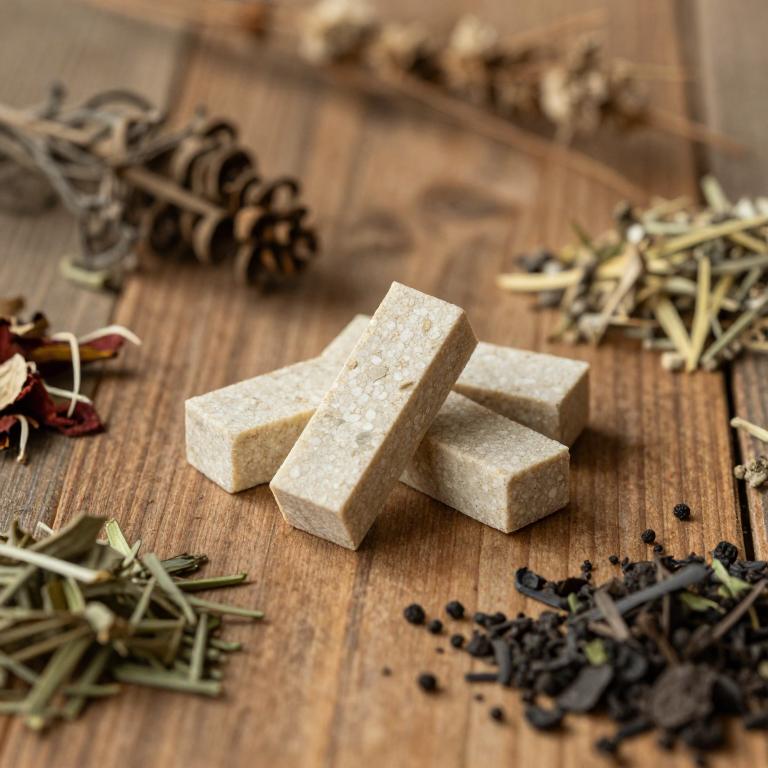
Achillea millefolium, commonly known as yarrow, has been traditionally used for its anti-inflammatory and astringent properties, making it a potential remedy for toothache when formulated into herbal lozenges.
These lozenges work by soothing inflamed gums and reducing pain through the natural compounds found in yarrow, such as essential oils and flavonoids. The slow dissolution of the lozenges allows the active ingredients to be released gradually, providing prolonged relief throughout the day. While not a substitute for professional dental care, they may offer a complementary option for minor tooth pain and gum irritation.
As with any herbal remedy, it is advisable to consult a healthcare provider before use, especially for individuals with known allergies or chronic health conditions.
10. Fennel (Foeniculum vulgare)
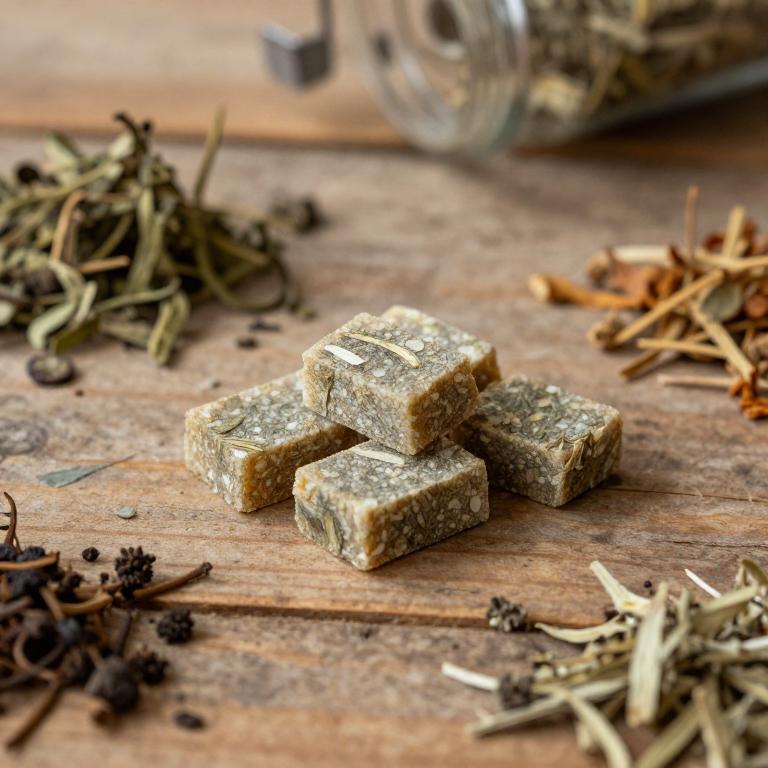
Foeniculum vulgare, commonly known as fennel, is often used in herbal lozenges to alleviate toothache due to its mild analgesic and anti-inflammatory properties.
These lozenges typically contain essential oils like anethol, which help reduce pain and swelling in the gums. Fennel is also known for its ability to freshen breath and combat oral bacteria, making it a natural remedy for dental discomfort. The soothing effect of fennel lozenges can provide temporary relief, especially when used regularly.
However, while they are generally safe, individuals with allergies to the carrot family should exercise caution before using them.