10 Best Herbal Creams For Toothache
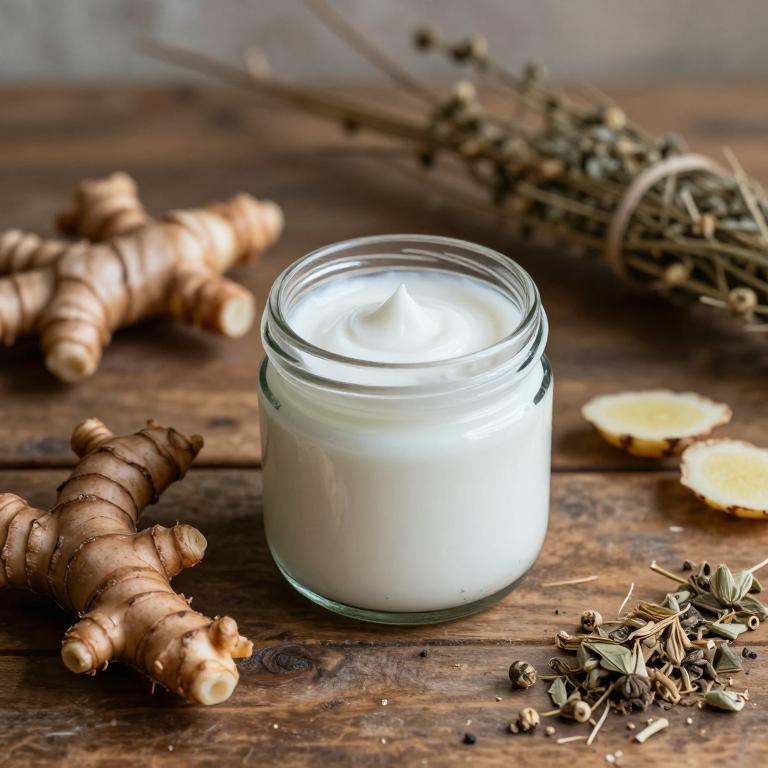
Herbal creams for toothache are natural topical treatments that incorporate plant-based ingredients known for their soothing and anti-inflammatory properties.
These creams often contain essential oils like clove, peppermint, and eucalyptus, which can help reduce pain and swelling associated with toothache. They are typically used as a complementary therapy alongside conventional dental care, offering a gentler alternative for those seeking relief without harsh chemicals. While they may provide temporary relief, they are not a substitute for professional dental treatment, especially in cases of severe or persistent pain.
Overall, herbal creams can be a beneficial addition to a holistic approach to managing toothache symptoms.
Table of Contents
- 1. Ginger (Zingiber officinale)
- 2. Peppermint (Mentha piperita)
- 3. Salvia (Salvia officinalis)
- 4. Eucalyptus (Eucalyptus globulus)
- 5. Yarrow (Achillea millefolium)
- 6. Oregano (Origanum vulgare)
- 7. English lavender (Lavandula angustifolia)
- 8. Black pepper (Piper nigrum)
- 9. Ceylon cinnamon (Cinnamomum zeylanicum)
- 10. Ceylon cinnamon (Cinnamomum verum)
1. Ginger (Zingiber officinale)
Zingiber officinale, commonly known as ginger, has been traditionally used for its anti-inflammatory and analgesic properties, making it a popular ingredient in herbal creams for alleviating toothache.
These creams often contain ginger extract, which can help reduce inflammation and pain associated with dental issues such as cavities, gum inflammation, or tooth sensitivity. The active compounds in ginger, such as gingerol and shogaol, are believed to work by inhibiting pain signals and reducing swelling in the affected area. While herbal creams offer a natural alternative to conventional pain relievers, they should not replace professional dental care for persistent or severe tooth pain.
Incorporating ginger-based creams into a self-care routine may provide temporary relief, but it is important to consult a dentist for a proper diagnosis and treatment plan.
2. Peppermint (Mentha piperita)
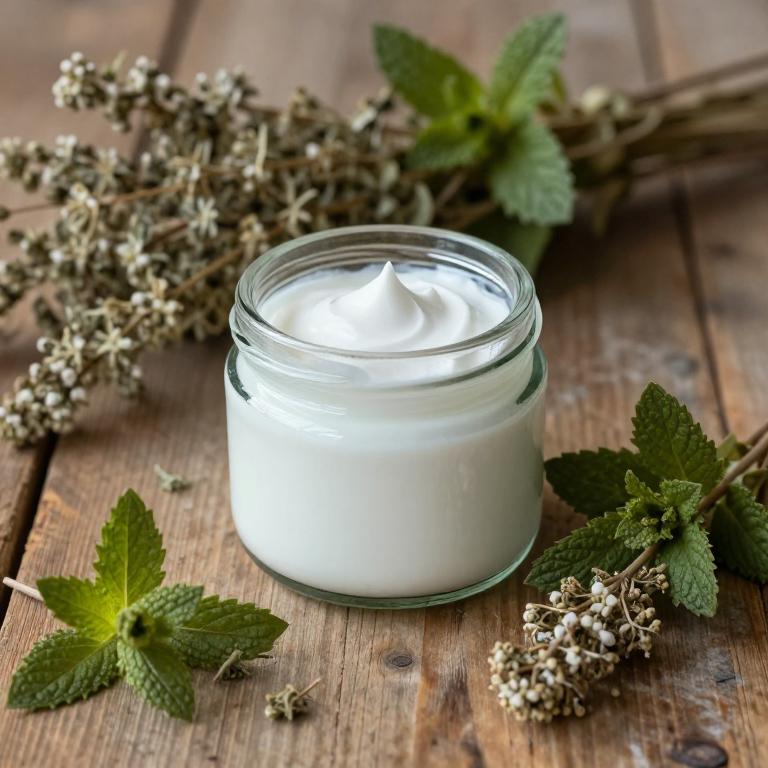
Mentha piperita, commonly known as peppermint, is often used in herbal creams to provide relief from toothache due to its cooling and analgesic properties.
These creams typically contain a blend of peppermint oil and other natural ingredients that help reduce inflammation and numb the pain associated with dental discomfort. The menthol in peppermint works by stimulating cold receptors in the skin, creating a soothing sensation that can temporarily alleviate toothache symptoms. However, while these creams may offer temporary relief, they are not a substitute for professional dental care, especially for severe or persistent pain.
It is important to consult a dentist if the toothache persists, as it may indicate an underlying dental issue that requires treatment.
3. Salvia (Salvia officinalis)
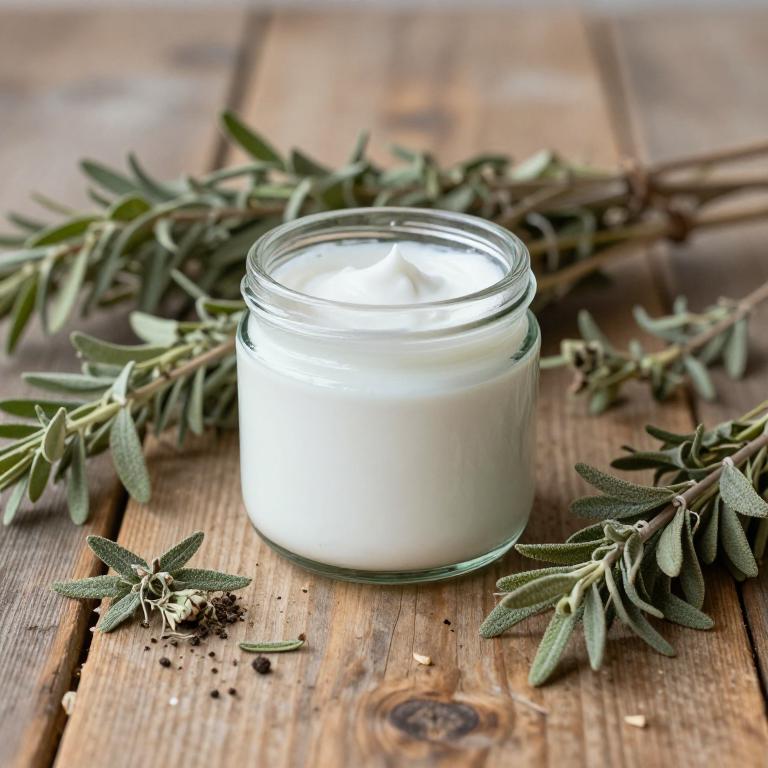
Salvia officinalis, commonly known as sage, has been traditionally used for its soothing and healing properties, and sage-based herbal creams can offer relief for toothache by reducing inflammation and pain.
These creams often contain extracts from the leaves of the plant, which are rich in antioxidants and anti-inflammatory compounds that help soothe irritated gums and reduce discomfort. When applied topically to the affected area, the cooling and numbing effects of sage can provide immediate relief from toothache symptoms. However, it is important to note that while these creams may offer temporary relief, they should not replace professional dental care for persistent or severe tooth pain.
As with any herbal remedy, it is advisable to consult with a healthcare provider before use, especially if you have known allergies or are taking other medications.
4. Eucalyptus (Eucalyptus globulus)
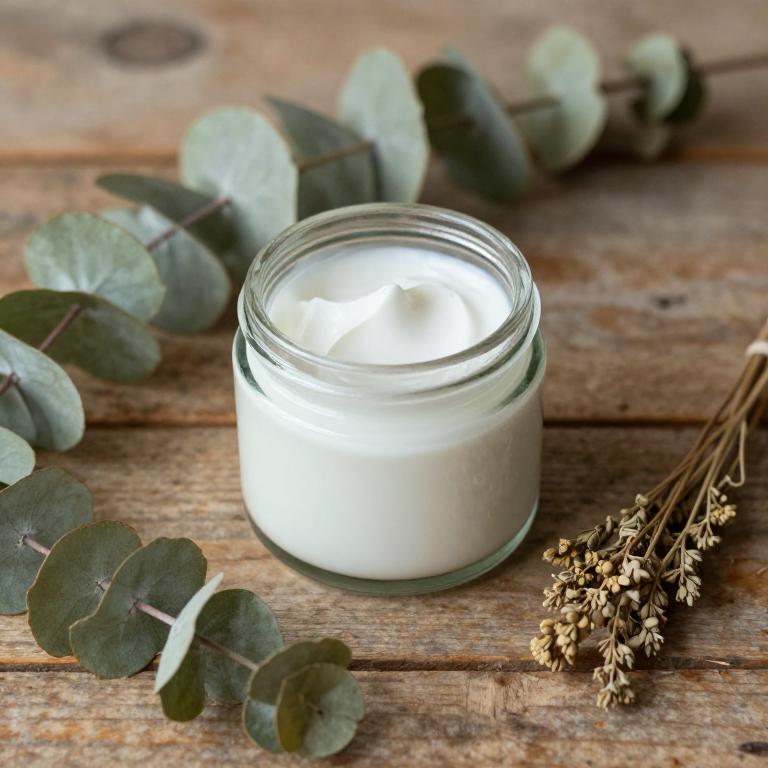
Eucalyptus globulus, commonly known as the Tasmanian blue gum, is often used in herbal creams for its soothing and anti-inflammatory properties.
These creams typically contain eucalyptus oil, which has natural analgesic and antiseptic qualities that can help alleviate toothache pain. When applied topically to the gums or surrounding areas, the cooling effect of eucalyptus globulus can provide temporary relief from inflammation and discomfort. However, it is important to note that while these creams may offer some symptomatic relief, they should not replace professional dental care for persistent or severe tooth pain.
Always consult a dentist if the toothache persists, as it may indicate a more serious underlying issue.
5. Yarrow (Achillea millefolium)
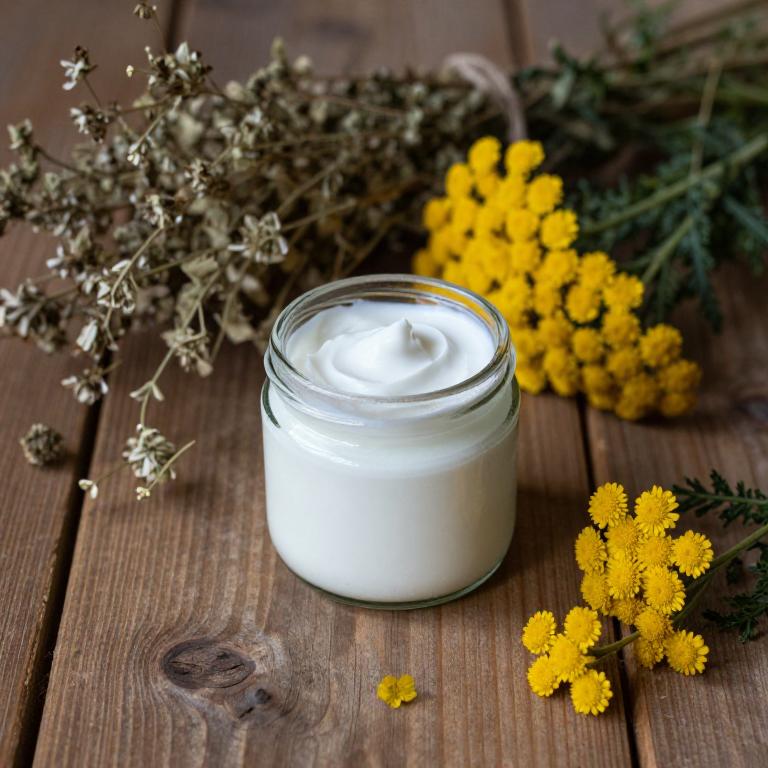
Achillea millefolium, commonly known as yarrow, has been traditionally used for its anti-inflammatory and analgesic properties, making it a potential ingredient in herbal creams for alleviating toothache.
These creams often combine yarrow extract with other soothing herbs like chamomile or calendula to enhance their effectiveness in reducing gum inflammation and pain. The active compounds in yarrow, such as flavonoids and essential oils, may help soothe irritated tissues and promote healing around the affected area. While not a substitute for professional dental care, yarrow-based creams can provide temporary relief from mild toothache symptoms.
However, it is important to consult a healthcare provider before using such remedies, especially if the toothache is persistent or severe.
6. Oregano (Origanum vulgare)
OriGanum vulgare, commonly known as oregano, is a herb that has been traditionally used for its antimicrobial and anti-inflammatory properties.
While it is often used in culinary applications, oregano essential oil is sometimes incorporated into herbal creams for its potential to alleviate toothache symptoms. These creams may help reduce inflammation and pain by targeting the bacteria that contribute to dental infections. However, it is important to note that oregano-based creams should not replace professional dental care, especially for severe or persistent tooth pain.
Always consult with a healthcare provider before using any herbal remedies for dental issues to ensure safety and effectiveness.
7. English lavender (Lavandula angustifolia)
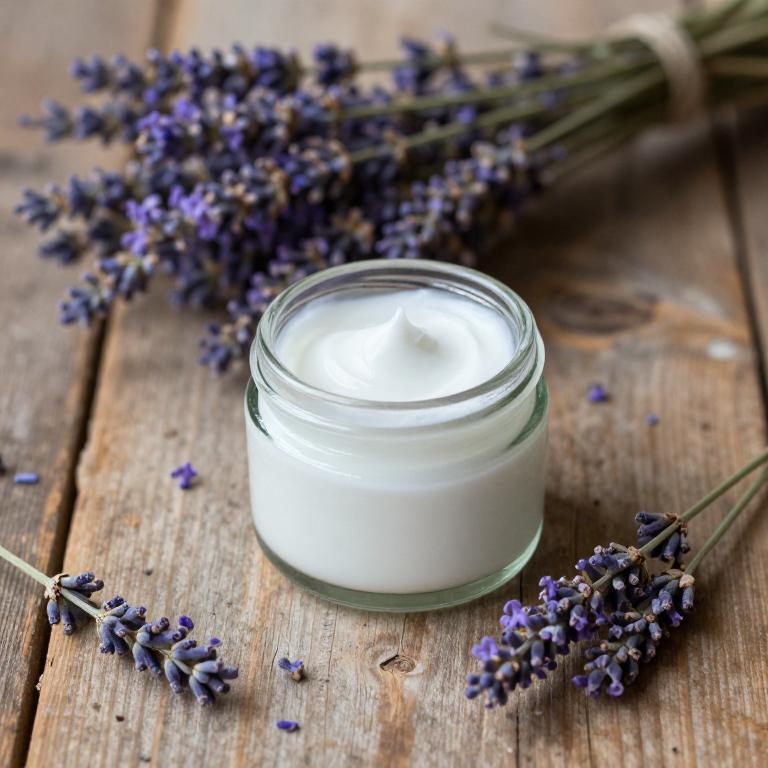
Lavandula angustifolia, commonly known as English lavender, has been traditionally used for its soothing and anti-inflammatory properties.
When incorporated into herbal creams, lavender can help alleviate the pain and inflammation associated with toothaches by promoting relaxation of the surrounding tissues. The calming aroma of lavender also has a positive effect on reducing stress, which can exacerbate dental discomfort. These creams are typically made with a base of coconut oil or shea butter, enhanced with essential oils like lavender and peppermint for added relief.
While not a substitute for professional dental care, lavender-based creams can provide temporary comfort and support the healing process of minor toothaches.
8. Black pepper (Piper nigrum)
Piper nigrum, commonly known as black pepper, has been traditionally used in herbal remedies for its analgesic and anti-inflammatory properties.
When incorporated into herbal creams, piper nigrum may help alleviate toothache by reducing inflammation and numbing the affected area. These creams often combine black pepper extract with other soothing ingredients like clove oil or menthol to enhance their pain-relieving effects. While not a substitute for professional dental care, they can provide temporary relief for mild tooth pain.
However, it is important to consult a healthcare provider before using any herbal remedy, especially if the toothache persists or is severe.
9. Ceylon cinnamon (Cinnamomum zeylanicum)
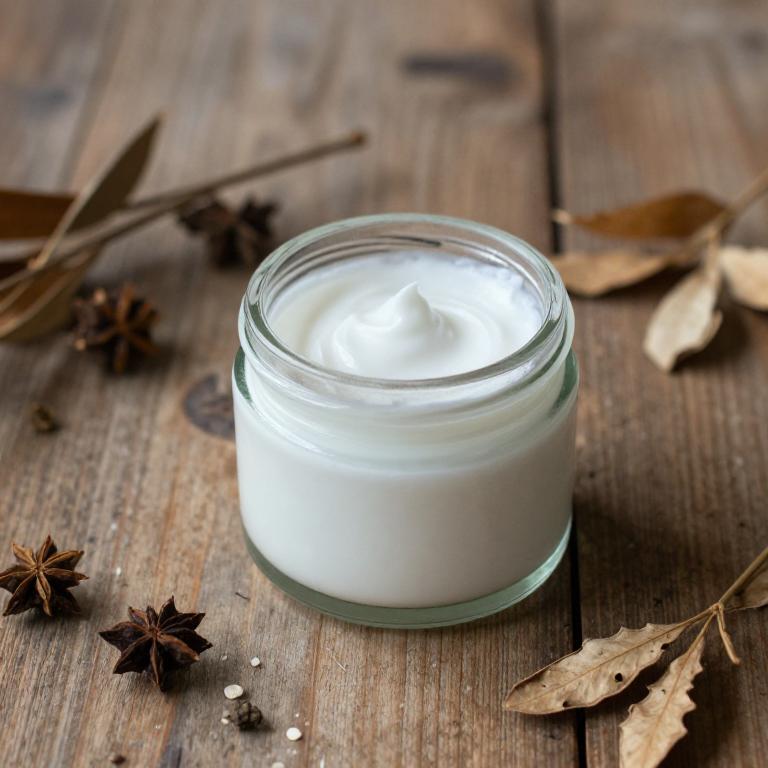
Cinnamomum zeylanicum, commonly known as cinnamon, has been traditionally used in herbal remedies for its antimicrobial and anti-inflammatory properties.
When incorporated into herbal creams, cinnamon can provide relief from toothache by reducing inflammation and soothing the surrounding tissues. These creams often combine cinnamon with other natural ingredients like clove or eucalyptus to enhance their analgesic effects. The warming sensation produced by cinnamon helps to alleviate pain and improve blood circulation in the affected area.
However, it is important to consult a dentist for persistent tooth pain, as herbal creams are meant to complement, not replace, professional dental care.
10. Ceylon cinnamon (Cinnamomum verum)
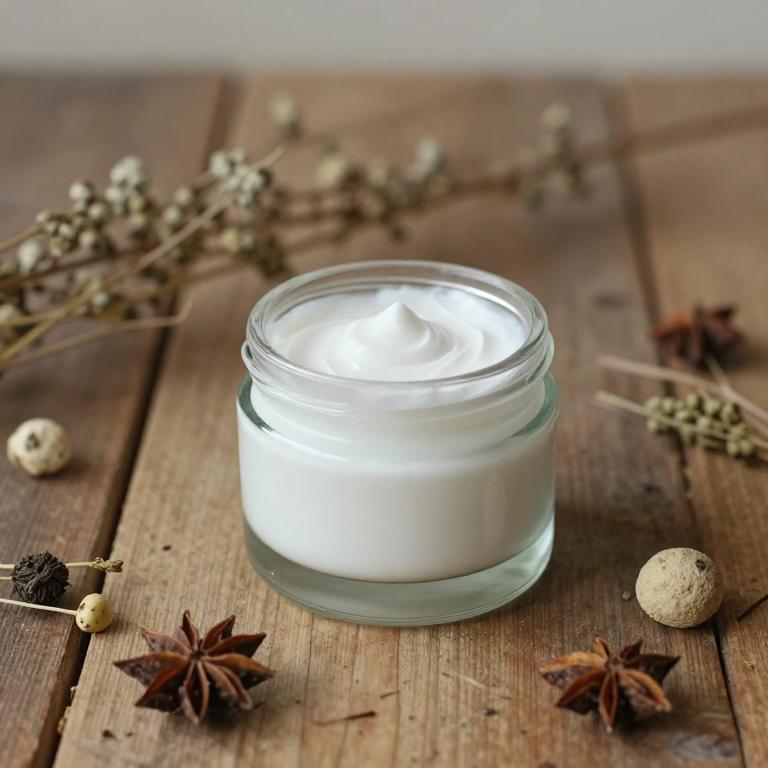
Cinnamomum verum, commonly known as true cinnamon, has been traditionally used in herbal remedies for its anti-inflammatory and analgesic properties.
When incorporated into herbal creams, cinnamon can help alleviate toothache by reducing inflammation and numbing the pain around the affected area. The essential oils in cinnamon, such as cinnamaldehyde, have natural antiseptic qualities that may help prevent infection and promote healing. However, it is important to use such creams with caution, as they may cause irritation in some individuals, especially those with sensitive skin.
While not a substitute for professional dental care, cinnamon-based creams can serve as a temporary relief option for mild toothache symptoms.