10 Best Herbal Lozenges For Tonsillitis
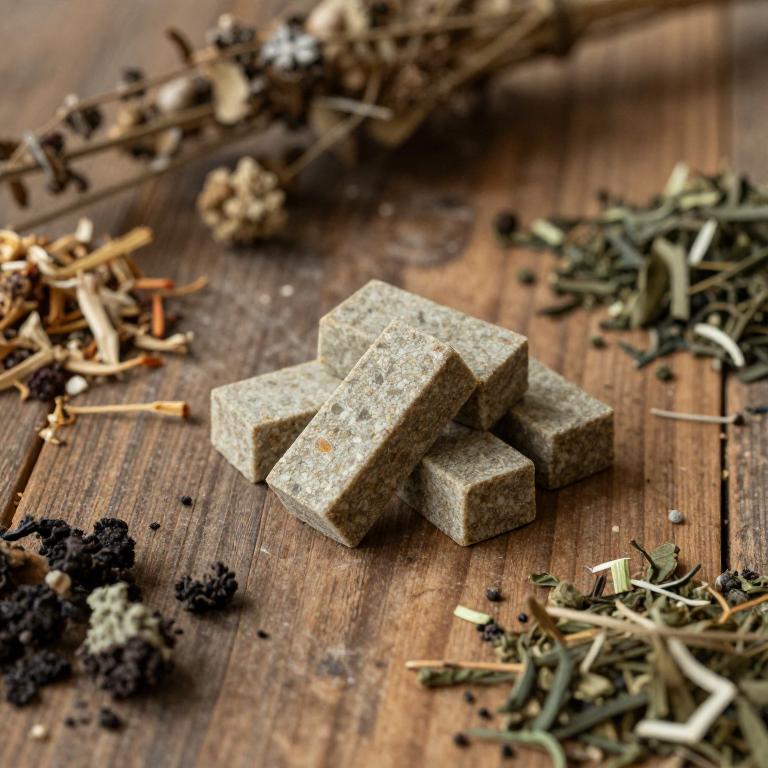
Herbal lozenges are commonly used as a natural remedy for alleviating symptoms of tonsillitis, offering a gentler alternative to conventional medications.
These lozenges typically contain a blend of herbs such as echinacea, sage, and licorice root, which are believed to have antimicrobial, anti-inflammatory, and soothing properties. They work by coating the throat, reducing irritation, and helping to ease the pain and discomfort associated with sore throat and swollen tonsils. While they may not cure tonsillitis, they can provide symptomatic relief and support the body's natural healing process.
However, it is important to consult a healthcare professional before relying solely on herbal lozenges, especially if symptoms persist or worsen.
Table of Contents
- 1. Salvia (Salvia officinalis)
- 2. Ginger (Zingiber officinale)
- 3. Thyme (Thymus vulgaris)
- 4. Licorice (Glycyrrhiza glabra)
- 5. Echinacea (Echinacea purpurea)
- 6. Eucalyptus (Eucalyptus globulus)
- 7. Fennel (Foeniculum vulgare)
- 8. Peppermint (Mentha piperita)
- 9. Stinging nettle (Urtica dioica)
- 10. Rosemary (Rosmarinus officinalis)
1. Salvia (Salvia officinalis)
Salvia officinalis, commonly known as sage, is a traditional herb that has been used for centuries to support throat health.
Herbal lozenges made from salvia officinalis are often used to alleviate symptoms of tonsillitis, such as sore throat and inflammation. These lozenges contain natural compounds that may have antimicrobial and anti-inflammatory properties, helping to reduce bacterial growth and soothe irritated tissues. The soothing effect of sage can provide relief from discomfort and promote faster recovery.
When used as part of a holistic approach, salvia officinalis lozenges may offer a natural and effective option for managing tonsillitis symptoms.
2. Ginger (Zingiber officinale)
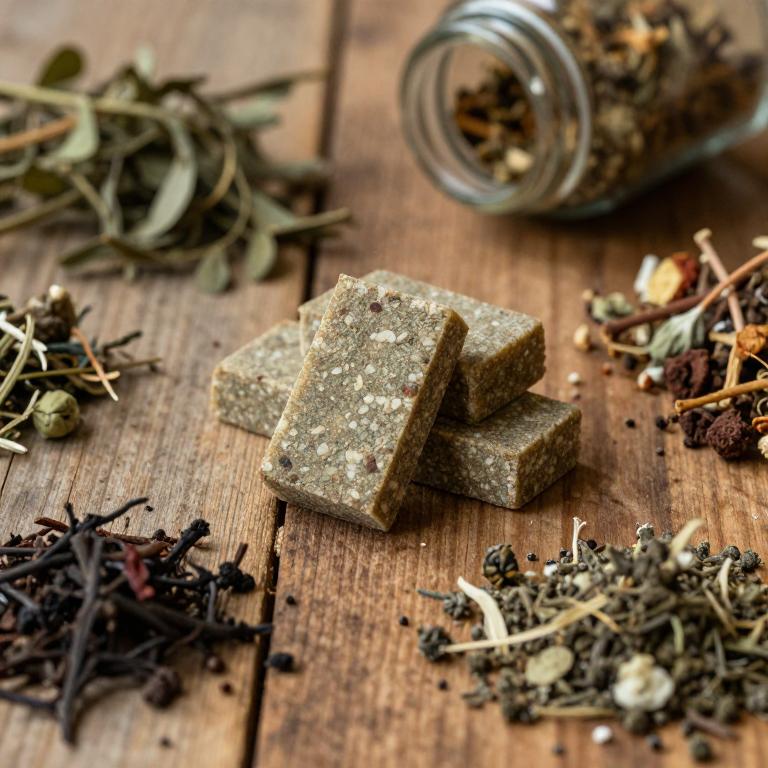
Zingiber officinale, commonly known as ginger, has been traditionally used for its anti-inflammatory and antimicrobial properties, making it a popular ingredient in herbal lozenges for the treatment of tonsillitis.
These lozenges work by soothing the throat and reducing swelling in the tonsils, which can alleviate pain and discomfort associated with the condition. The active compounds in ginger, such as gingerol and shogaol, help to combat bacterial infections and reduce inflammation, supporting the body's natural healing process. Regular use of ginger-based lozenges may also help to boost the immune system and shorten the duration of tonsillitis symptoms.
While generally safe, individuals with gastrointestinal issues or allergies should consult a healthcare provider before using ginger lozenges.
3. Thyme (Thymus vulgaris)
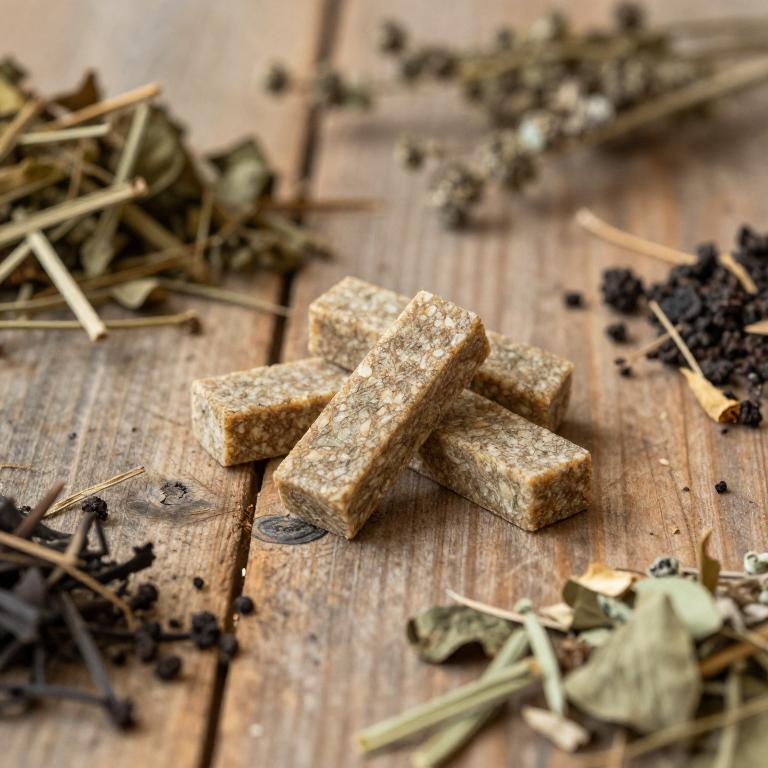
Thymus vulgaris herbal lozenges are a natural remedy commonly used to alleviate symptoms of tonsillitis, a condition characterized by inflammation of the tonsils.
These lozenges are made from thymus vulgaris, also known as thyme, which is rich in essential oils and antioxidants that possess antimicrobial and anti-inflammatory properties. The active compounds in thyme, such as thymol and carvacrol, help to reduce throat irritation and combat bacterial infections that often contribute to tonsillitis. By soothing the throat and supporting the immune system, these lozenges can provide relief from soreness, coughing, and other discomforts associated with the condition.
While they are not a substitute for medical treatment, they may serve as a complementary therapy to ease symptoms and promote faster recovery.
4. Licorice (Glycyrrhiza glabra)
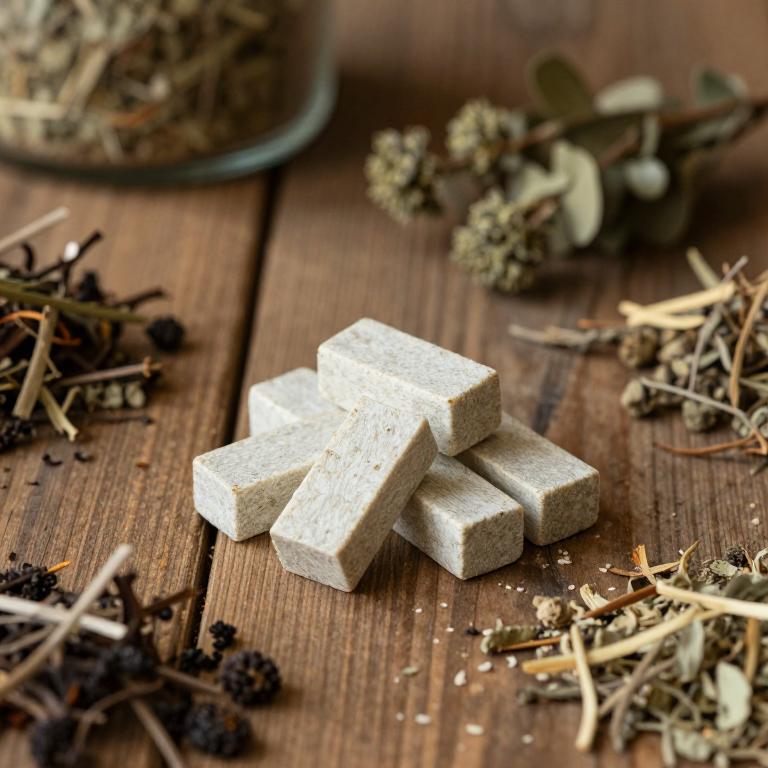
Glycyrrhiza glabra, commonly known as licorice root, is widely used in herbal medicine for its anti-inflammatory and soothing properties.
Herbal lozenges containing glycyrrhiza glabra are often recommended for alleviating symptoms of tonsillitis, such as sore throat and inflammation. The active compounds in licorice root, including glycyrrhizin and flavonoids, help reduce swelling and irritation in the throat tissues. These lozenges can provide quick relief by coating the throat and reducing coughing and discomfort.
However, long-term use should be cautious due to potential side effects like hypertension, and it is advisable to consult a healthcare provider before use.
5. Echinacea (Echinacea purpurea)
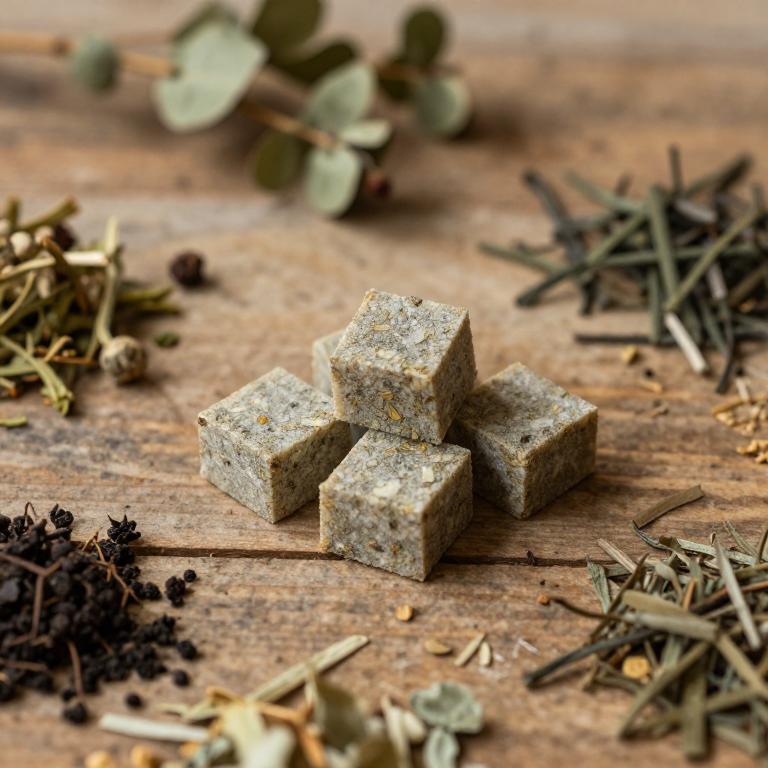
Echinacea purpurea herbal lozenges are commonly used to support the body's natural defenses against infections, including tonsillitis.
These lozenges contain standardized extracts of the purple coneflower, which is known for its immune-boosting properties. They may help reduce the severity and duration of symptoms associated with tonsillitis by promoting healing of the throat and reducing inflammation. While they are not a substitute for medical treatment, they can be a complementary option for individuals seeking natural remedies.
However, it is important to consult a healthcare professional before using echinacea, especially for those with allergies or taking other medications.
6. Eucalyptus (Eucalyptus globulus)
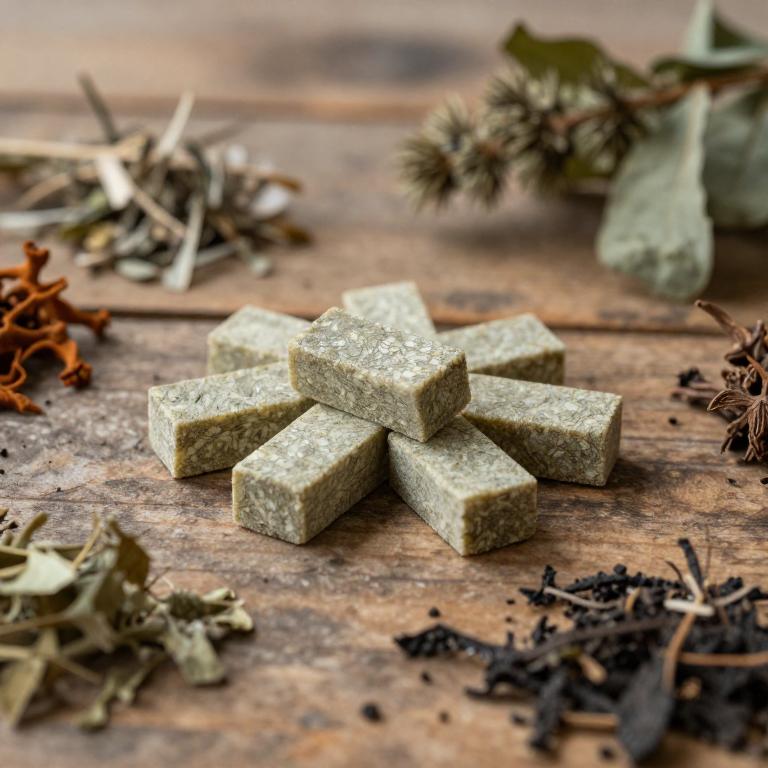
Eucalyptus globulus, commonly known as the Australian eucalyptus, is widely used in herbal medicine for its antimicrobial and anti-inflammatory properties.
Eucalyptus globulus herbal lozenges are formulated to provide relief from symptoms of tonsillitis by reducing throat irritation and inflammation. These lozenges contain essential oils derived from the leaves of the eucalyptus plant, which have been shown to help combat bacterial and viral infections. The menthol and eucalyptol compounds in the lozenges offer a soothing effect, making them a natural alternative for those seeking relief without harsh chemicals.
When used as part of a holistic treatment plan, these lozenges can support faster recovery and reduce the need for conventional antibiotics.
7. Fennel (Foeniculum vulgare)
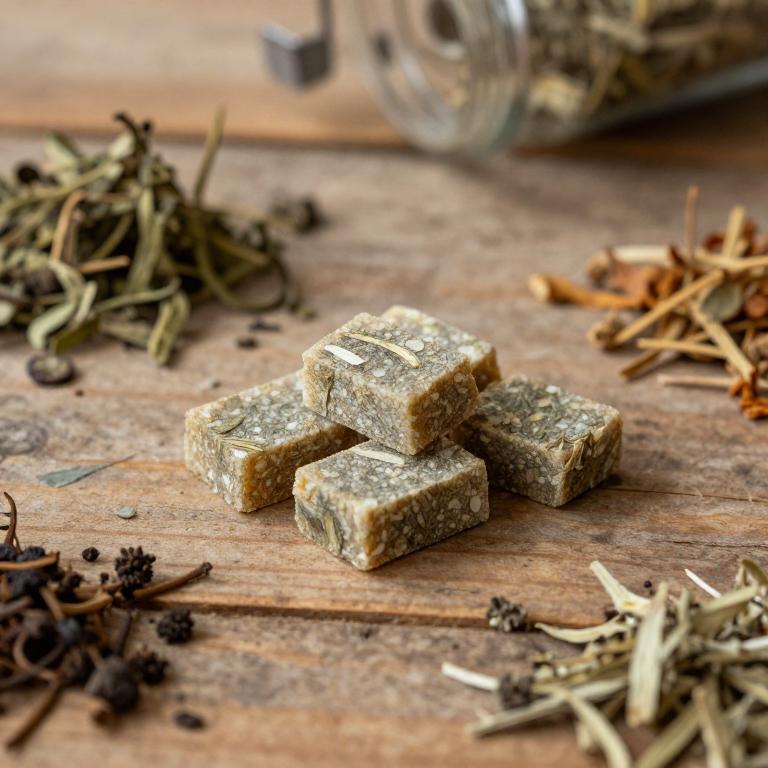
Foeniculum vulgare, commonly known as fennel, is a herb that has been traditionally used for its anti-inflammatory and antimicrobial properties.
Fennel herbal lozenges are often used to alleviate symptoms of tonsillitis, such as sore throat and inflammation, due to their soothing and decongestant effects. The essential oils in fennel, particularly anethol, help reduce swelling and ease discomfort in the throat. These lozenges are typically made by combining dried fennel seeds with natural sweeteners, offering a pleasant taste and easy administration.
While they can provide relief, they should be used as a complementary therapy alongside conventional medical treatments for bacterial tonsillitis.
8. Peppermint (Mentha piperita)
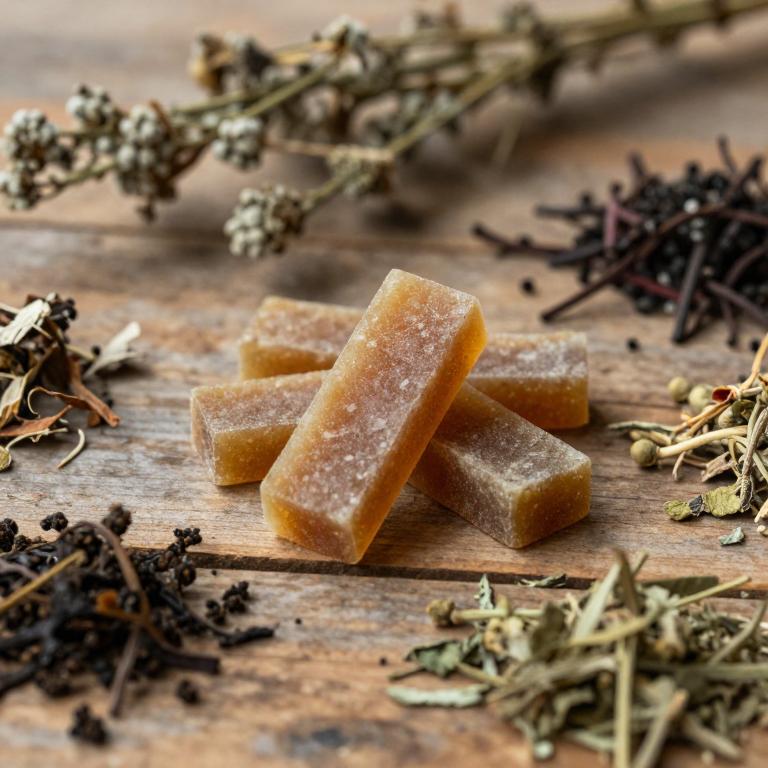
Mentha piperita, commonly known as peppermint, is a popular herbal ingredient used in lozenges to alleviate symptoms of tonsillitis.
These lozenges work by providing a cooling and soothing effect on the throat, which can help reduce pain and inflammation. The menthol in peppermint has mild anesthetic properties that can temporarily numb the throat, making swallowing more comfortable. Additionally, the aromatic compounds in peppermint may help clear nasal passages and improve breathing, which is beneficial for individuals suffering from tonsillitis.
While not a cure, peppermint lozenges can serve as a natural and effective complementary remedy to support recovery and ease discomfort.
9. Stinging nettle (Urtica dioica)
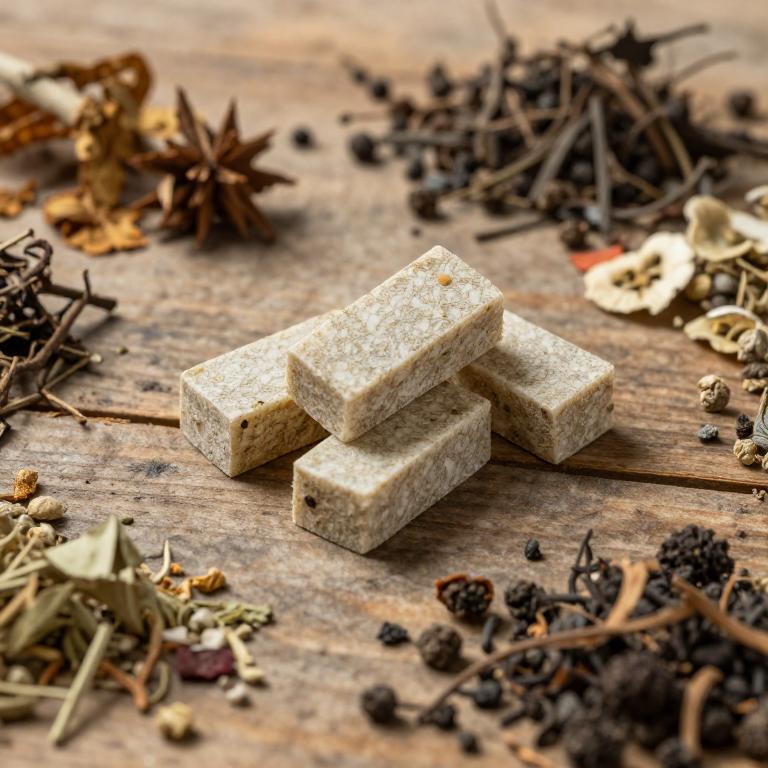
Urtica dioica, commonly known as stinging nettle, has been traditionally used for its anti-inflammatory and soothing properties, making it a potential natural remedy for tonsillitis.
Herbal lozenges containing Urtica dioica are formulated to provide relief from sore throat symptoms by reducing inflammation and irritation in the throat tissues. These lozenges may help alleviate pain and discomfort associated with tonsillitis by promoting healing and reducing microbial activity. As a plant-based alternative, they are often preferred by individuals seeking natural treatments with fewer side effects.
However, it is important to consult a healthcare professional before using these lozenges, especially for persistent or severe cases of tonsillitis.
10. Rosemary (Rosmarinus officinalis)
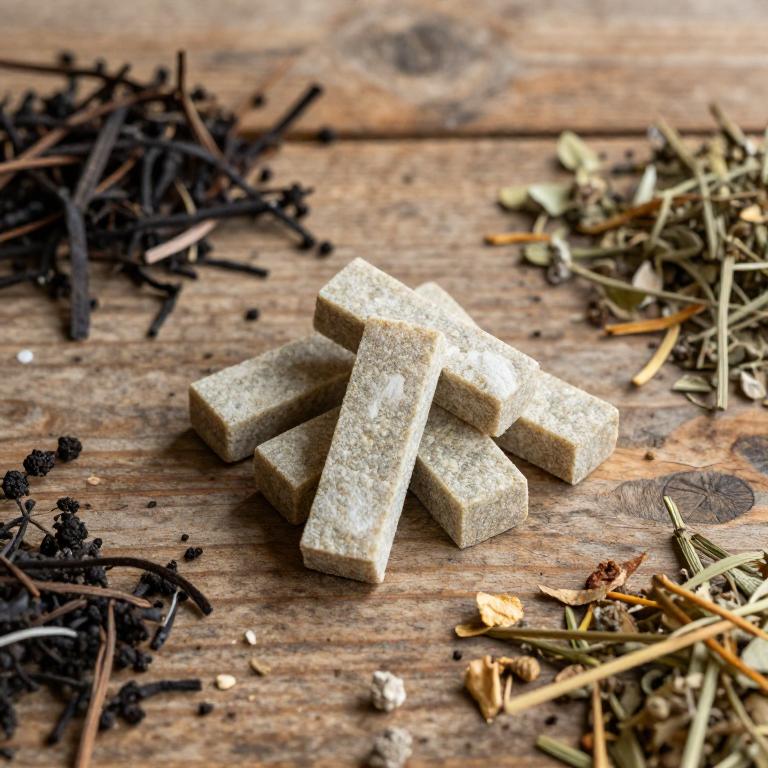
Rosmarinus officinalis, commonly known as rosemary, is a medicinal herb that has been traditionally used for its antimicrobial and anti-inflammatory properties.
Rosemary herbal lozenges are formulated to provide relief from the symptoms of tonsillitis by reducing throat inflammation and soothing soreness. These lozenges contain essential oils derived from rosemary leaves, which have been shown to inhibit the growth of bacteria and viruses that often contribute to throat infections. The natural compounds in rosemary, such as cineole and camphor, help to ease swallowing and promote faster healing of the throat.
When used as part of a holistic approach to treatment, rosemary lozenges can be a safe and effective option for managing tonsillitis symptoms.