10 Best Herbal Lozenges For Tickling Throat
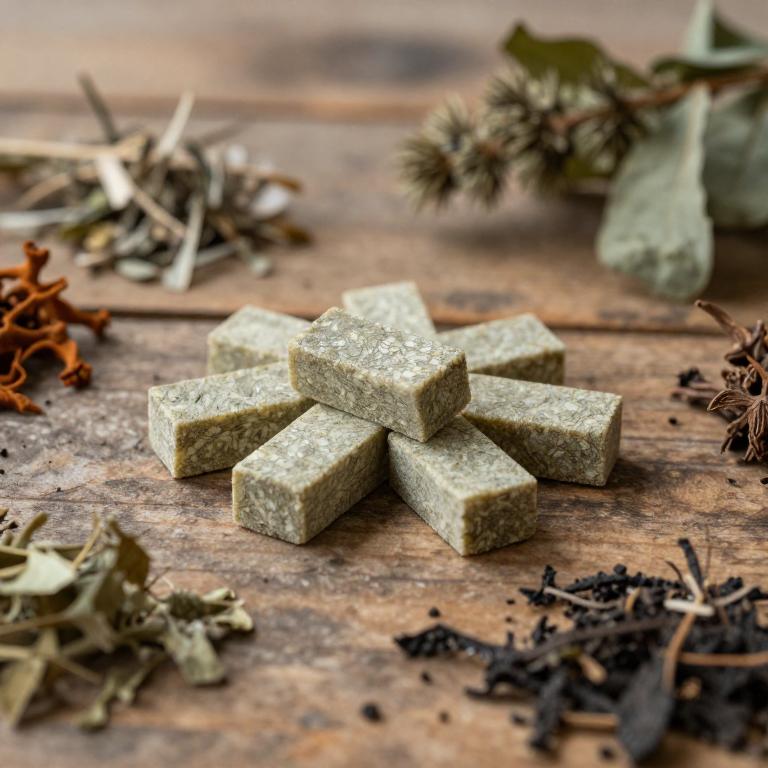
Herbal lozenges are popular remedies for soothing a tickling throat, often containing natural ingredients like ginger, licorice root, and eucalyptus.
These lozenges work by providing a cooling or warming sensation that can reduce irritation and ease coughing. They are typically free from harsh chemicals, making them a safer option for people with sensitive throats or allergies. Many herbal lozenges also have antimicrobial properties that help combat infections causing throat discomfort.
Regular use of these lozenges can offer quick relief and support the body's natural healing process.
Table of Contents
- 1. Eucalyptus (Eucalyptus globulus)
- 2. Peppermint (Mentha piperita)
- 3. Licorice (Glycyrrhiza glabra)
- 4. Ginger (Zingiber officinale)
- 5. Fennel (Foeniculum vulgare)
- 6. Salvia (Salvia officinalis)
- 7. Rosemary (Rosmarinus officinalis)
- 8. Thyme (Thymus vulgaris)
- 9. Ceylon cinnamon (Cinnamomum zeylanicum)
- 10. Anise (Pimpinella anisum)
1. Eucalyptus (Eucalyptus globulus)
Eucalyptus globulus herbal lozenges are a natural remedy designed to soothe a tickling throat and alleviate symptoms of coughing and irritation.
These lozenges contain eucalyptus oil, which is known for its anti-inflammatory and decongestant properties, helping to reduce throat discomfort. The soothing effect of eucalyptus globulus is achieved through its ability to penetrate the respiratory tract and ease mucus buildup. They are particularly useful for individuals seeking a gentle, plant-based alternative to conventional cough medications.
Regular use of these lozenges can provide relief from mild throat irritation and support faster recovery from respiratory discomfort.
2. Peppermint (Mentha piperita)
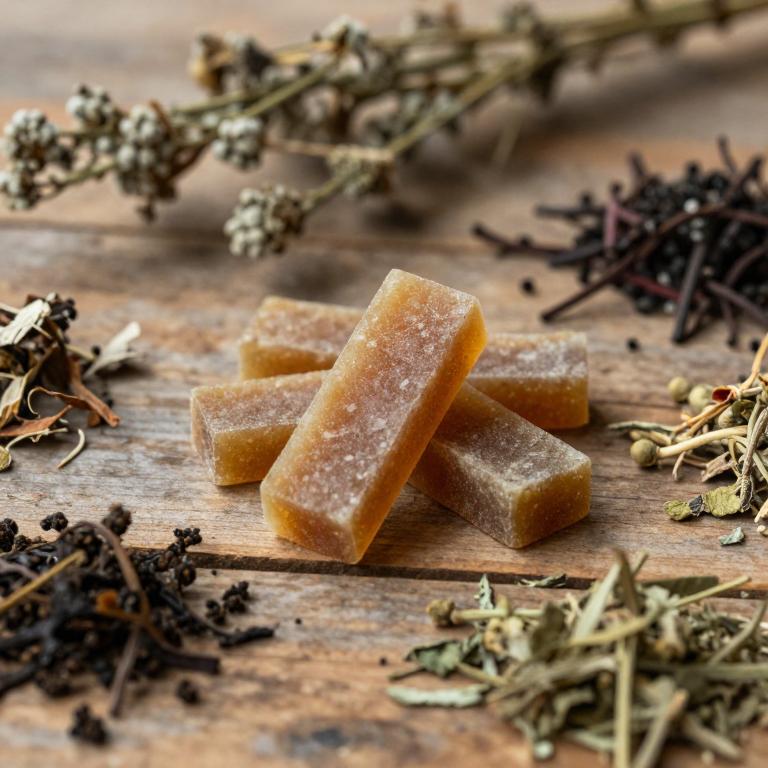
Mentha piperita, commonly known as peppermint, is a popular herbal ingredient used in lozenges to soothe a tickling throat.
These lozenges work by releasing a cooling menthol scent that helps to numb the throat and reduce irritation. The natural menthol in peppermint has mild antiseptic properties that can help combat minor throat infections. Peppermint lozenges are often preferred for their refreshing taste and quick relief from coughing and soreness.
They are a safe and effective option for individuals seeking natural remedies for throat discomfort.
3. Licorice (Glycyrrhiza glabra)
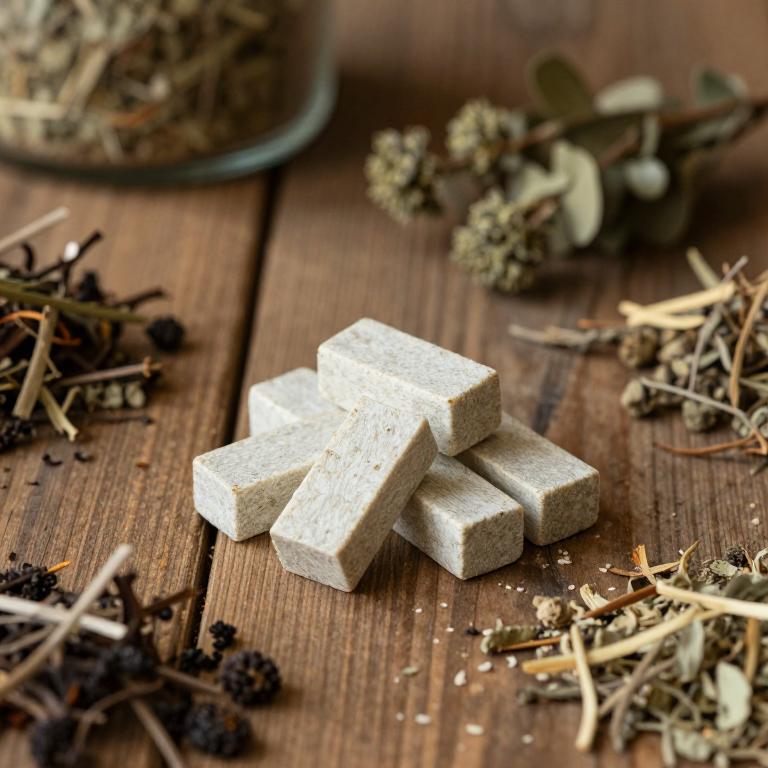
Glycyrrhiza glabra, commonly known as licorice root, is a widely used herbal remedy for soothing a tickling throat due to its anti-inflammatory and demulcent properties.
When formulated into lozenges, glycyrrhiza glabra provides a convenient and effective way to alleviate soreness and irritation in the throat. The active compounds, such as glycyrrhizin and flavonoids, help reduce swelling and protect the mucous membranes. These lozenges are often used in traditional medicine to ease symptoms of coughs, colds, and throat infections.
However, long-term use should be monitored, as excessive consumption may lead to side effects like hypertension or fluid retention.
4. Ginger (Zingiber officinale)
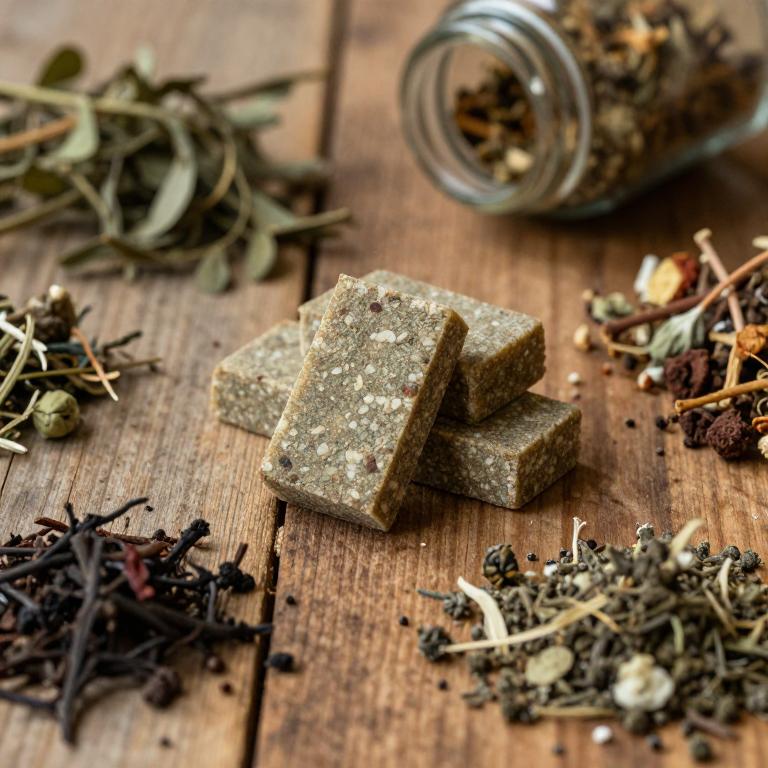
Zingiber officinale, commonly known as ginger, is a popular herbal remedy used in the form of lozenges to alleviate the discomfort of a tickling throat.
These lozenges work by leveraging ginger's natural anti-inflammatory and analgesic properties, which help reduce irritation and soothe the throat. The active compounds in ginger, such as gingerol and shogaol, are known to have antimicrobial effects that may also help combat minor infections contributing to throat irritation. Many people find ginger lozenges effective for temporary relief of symptoms like coughing and soreness caused by colds or allergies.
As a natural alternative to over-the-counter medications, ginger lozenges are often preferred for their gentle and holistic approach to throat care.
5. Fennel (Foeniculum vulgare)
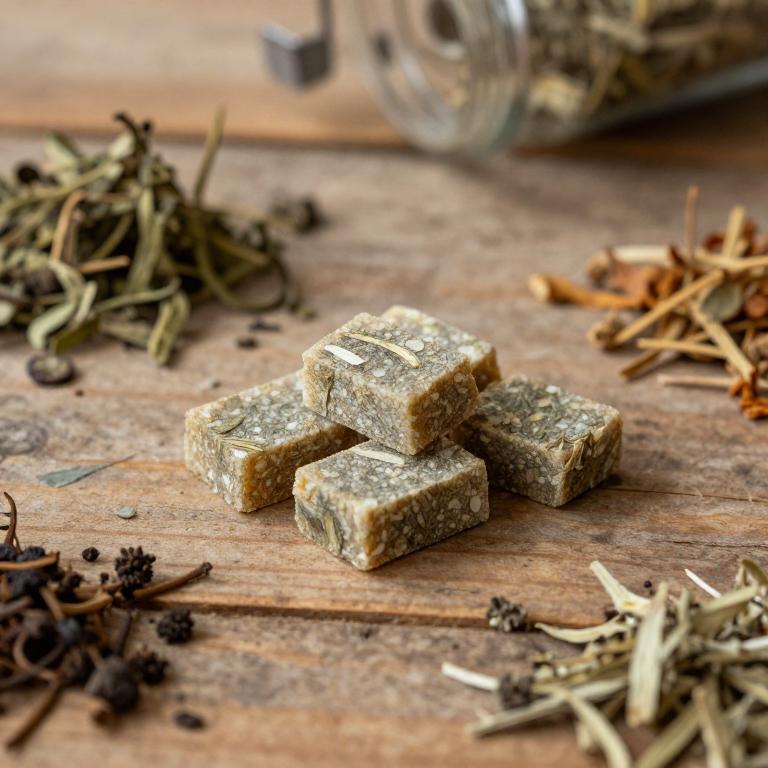
Foeniculum vulgare, commonly known as fennel, is often used in herbal lozenges to soothe a tickling throat due to its mild antispasmodic and anti-inflammatory properties.
These lozenges are typically made by combining ground fennel seeds with honey or sugar, creating a natural remedy that can help ease coughing and reduce irritation in the throat. The essential oils in fennel, such as anethol, are believed to have a calming effect on the respiratory tract, making them beneficial for individuals suffering from minor throat discomfort. While they are generally considered safe for most adults, fennel lozenges should be used with caution in children and individuals with known allergies to the plant.
Overall, these herbal lozenges offer a gentle, traditional approach to alleviating the discomfort of a tickling throat.
6. Salvia (Salvia officinalis)
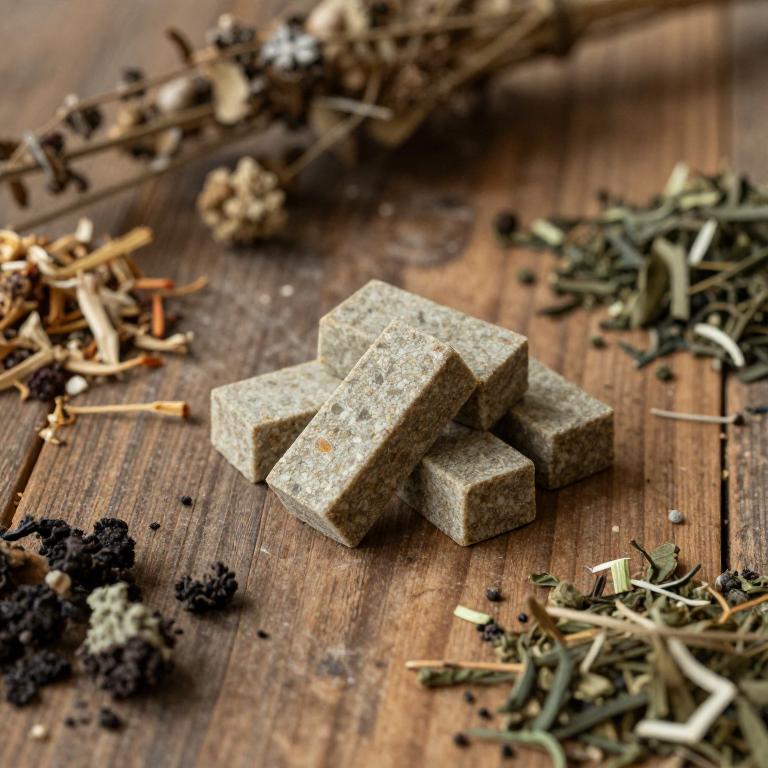
Salvia officinalis, commonly known as sage, is a herb widely used in herbal lozenges to soothe a tickling throat.
These lozenges are formulated to provide relief from coughing and irritation by leveraging the anti-inflammatory and antimicrobial properties of sage. The natural compounds in sage, such as flavonoids and essential oils, help reduce mucus production and calm the throat lining. Herbal lozenges made from salvia officinalis are often preferred for their natural ingredients and minimal side effects compared to over-the-counter medications.
They are particularly beneficial for individuals seeking alternative or complementary remedies for mild throat discomfort.
7. Rosemary (Rosmarinus officinalis)
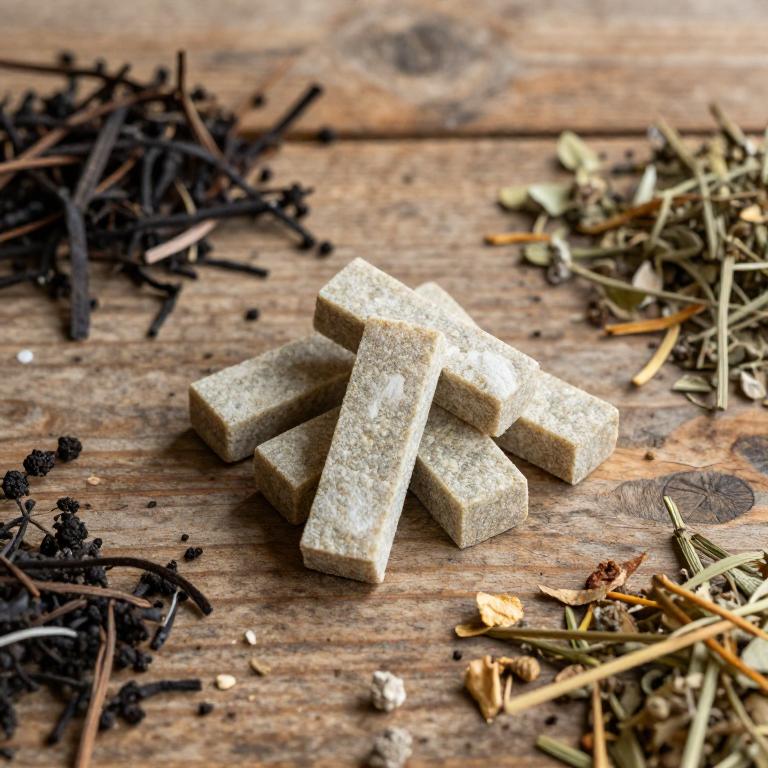
Rosmarinus officinalis, commonly known as rosemary, is a versatile herb often used in the formulation of herbal lozenges for soothing a tickling throat.
These lozenges harness the natural antimicrobial and anti-inflammatory properties of rosemary, which can help reduce irritation and discomfort in the throat. The aromatic compounds in rosemary also provide a refreshing and calming effect, making them an effective remedy for persistent coughs and sore throats. By dissolving slowly in the mouth, the lozenges allow the active ingredients to coat the throat, offering prolonged relief.
Overall, rosemary herbal lozenges are a natural and gentle option for those seeking relief from throat irritation without the use of synthetic medications.
8. Thyme (Thymus vulgaris)
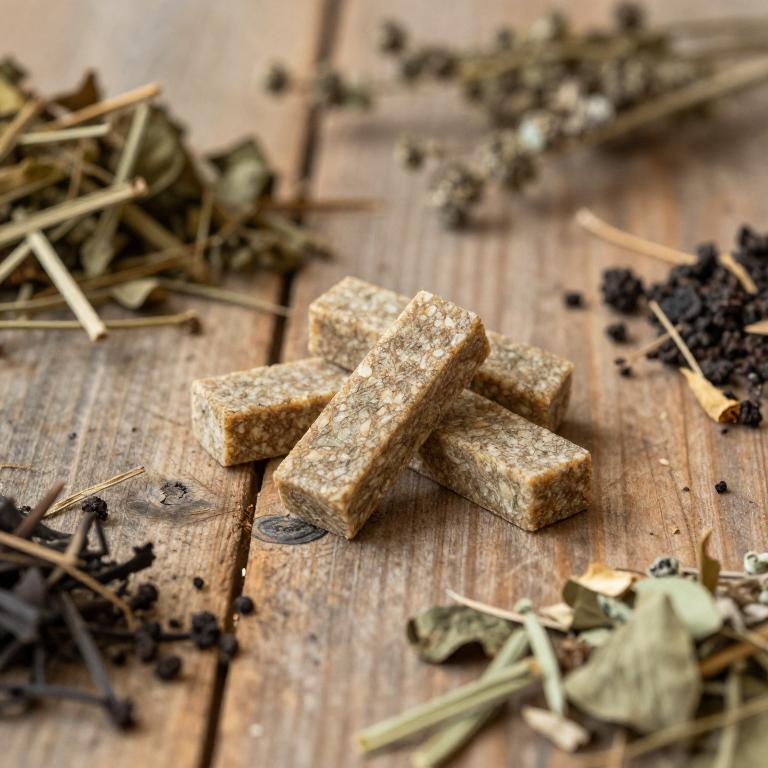
Thymus vulgaris herbal lozenges are made from the flowering plant known as thyme, which is renowned for its antimicrobial and anti-inflammatory properties.
These lozenges are specifically formulated to soothe a tickling throat by reducing irritation and promoting healing of the mucous membranes. The active compounds in thyme, such as thymol and carvacrol, help to fight off bacteria and viruses that may contribute to throat discomfort. They are often used as a natural remedy for coughs, sore throats, and respiratory infections.
Thymus vulgaris lozenges are easy to use, convenient, and can be an effective alternative for those seeking herbal relief without harsh pharmaceuticals.
9. Ceylon cinnamon (Cinnamomum zeylanicum)
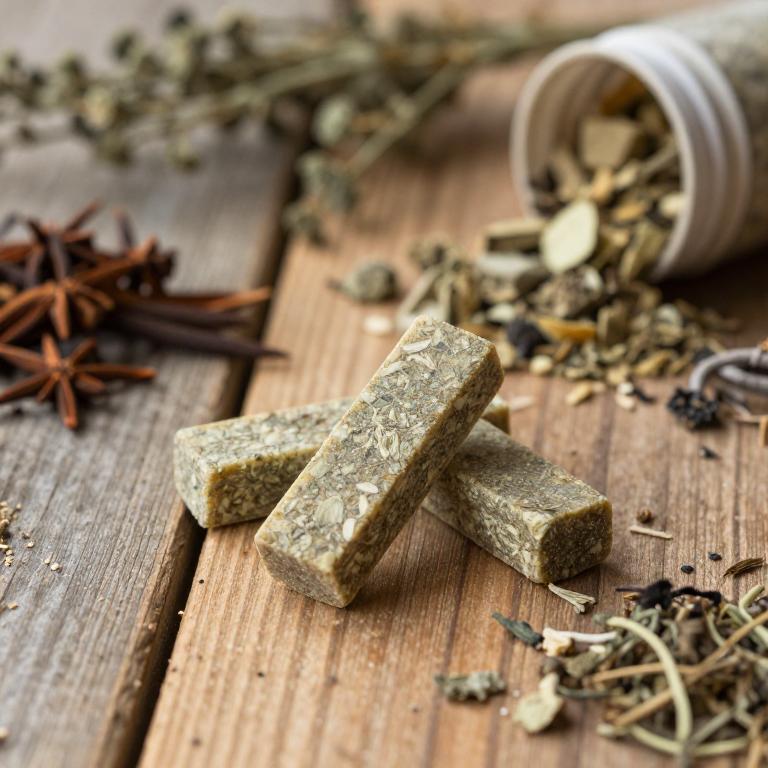
Cinnamomum zeylanicum, commonly known as cinnamon, is often used in herbal lozenges to soothe a tickling throat due to its warming and anti-inflammatory properties.
These lozenges typically combine ground cinnamon with other natural ingredients like honey or licorice root to enhance their therapeutic effects. The aromatic compounds in cinnamon help to reduce irritation and mucus buildup in the throat, providing relief from coughing and discomfort. Herbal lozenges made from cinnamon are popular in traditional medicine for their ability to ease minor respiratory symptoms.
However, they are most effective when used as part of a holistic approach to managing throat irritation and should not replace professional medical advice for persistent or severe conditions.
10. Anise (Pimpinella anisum)
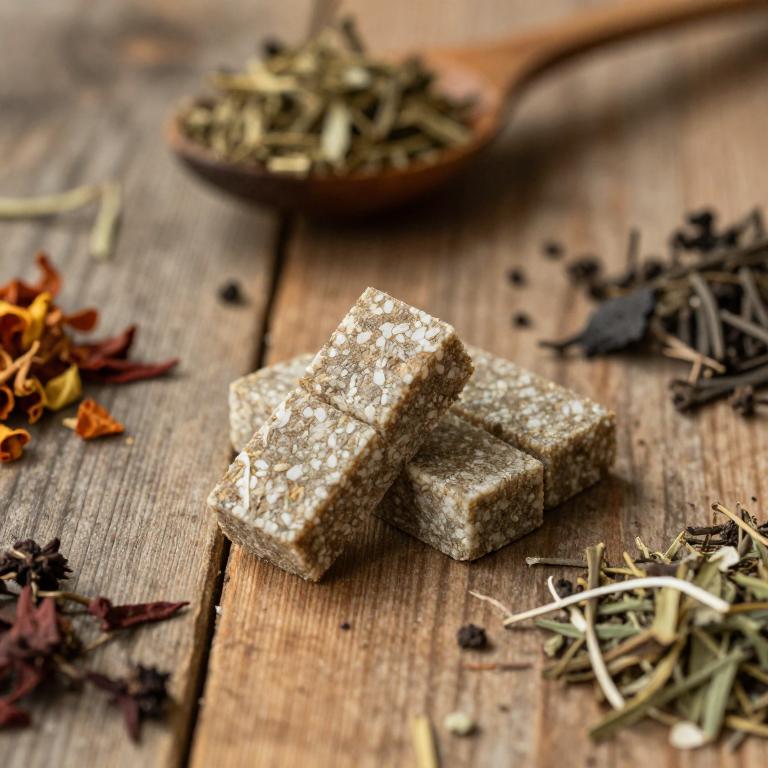
Pimpinella anisum, commonly known as anise, is a herbal ingredient often used in the formulation of lozenges to soothe a tickling throat.
These lozenges are designed to provide relief from coughing and irritation by leveraging the natural expectorant and antispasmodic properties of anise. The aromatic compounds in anise, such as anethole, help to ease respiratory discomfort and reduce mucus buildup in the throat. They are particularly beneficial for individuals experiencing dry or productive coughs due to colds, allergies, or respiratory infections.
As a natural remedy, anise lozenges offer a gentle and effective alternative to conventional cough suppressants.