10 Best Herbal Lotions For Tickling Throat
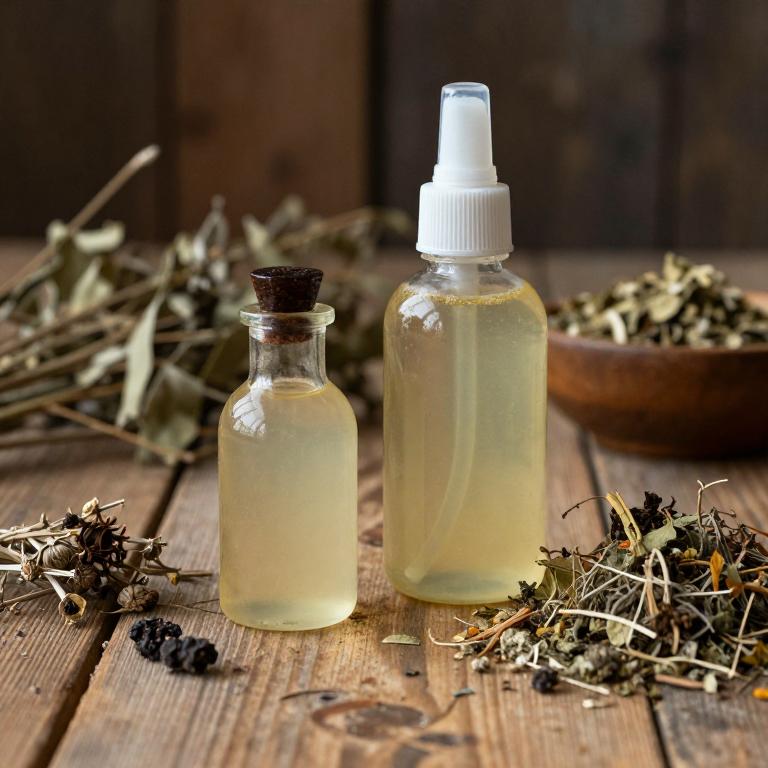
Herbal lotions are traditionally used to soothe irritated throats and ease the uncomfortable sensation of tickling, often caused by inflammation or mucus buildup.
These lotions typically contain natural ingredients such as eucalyptus, chamomile, or sage, which are known for their anti-inflammatory and soothing properties. When applied externally to the neck or throat area, they can help reduce irritation and promote relaxation of the throat muscles. However, it's important to note that herbal lotions are not a substitute for medical treatment and should be used in conjunction with professional advice, especially if symptoms persist.
Overall, they offer a gentle, holistic approach to managing throat discomfort.
Table of Contents
- 1. Thyme (Thymus vulgaris)
- 2. Salvia (Salvia officinalis)
- 3. Echinacea (Echinacea purpurea)
- 4. Eucalyptus (Eucalyptus globulus)
- 5. Ginger (Zingiber officinale)
- 6. Black pepper (Piper nigrum)
- 7. Peppermint (Mentha piperita)
- 8. Rosemary (Rosmarinus officinalis)
- 9. Chamomile (Matricaria chamomilla)
- 10. Licorice (Glycyrrhiza glabra)
1. Thyme (Thymus vulgaris)
Thymus vulgaris, commonly known as thyme, is a popular herb used in traditional medicine for its aromatic and therapeutic properties.
Herbal lotions containing thymus vulgaris are often used to soothe a tickling throat due to their antimicrobial and anti-inflammatory effects. The essential oils in thyme, particularly thymol, help to reduce mucus buildup and ease irritation in the throat. When applied topically or used in steam inhalation, these lotions may provide relief from coughing and throat discomfort.
However, it is important to consult a healthcare professional before using thyme-based remedies, especially for those with allergies or existing health conditions.
2. Salvia (Salvia officinalis)
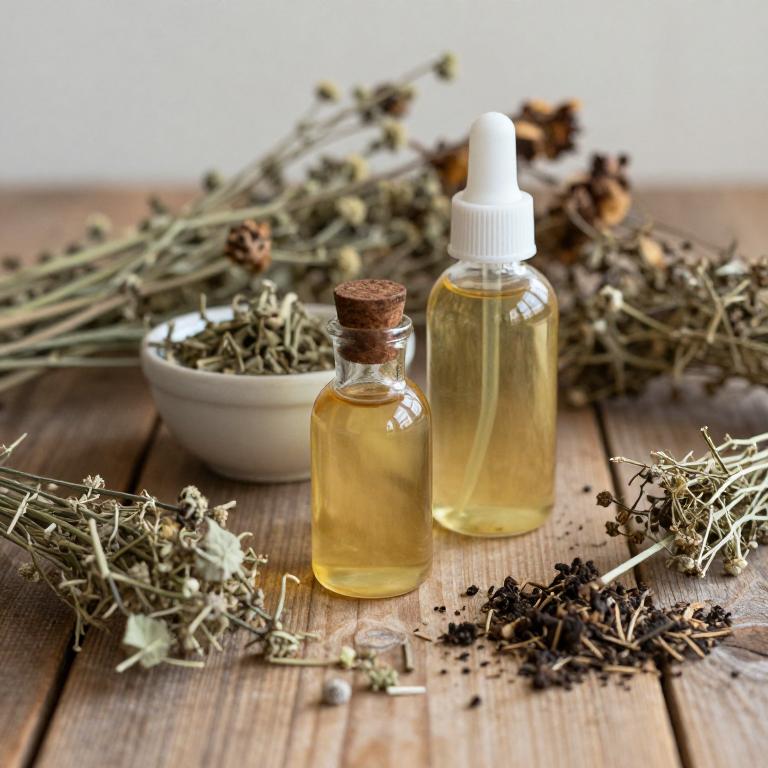
Salvia officinalis, commonly known as sage, has been traditionally used for its soothing and antiseptic properties, making it a popular ingredient in herbal lotions aimed at relieving tickling sensations in the throat.
These lotions often combine sage with other calming herbs like thyme or lavender to enhance their therapeutic effects. The anti-inflammatory and decongestant qualities of sage help reduce irritation and mucus buildup, providing relief from persistent throat discomfort. When applied externally, these lotions can offer a cooling sensation that helps ease coughing and soothe inflamed tissues.
While they are not a substitute for medical treatment, sage-based herbal lotions can be a natural complement to managing throat irritation and coughing symptoms.
3. Echinacea (Echinacea purpurea)
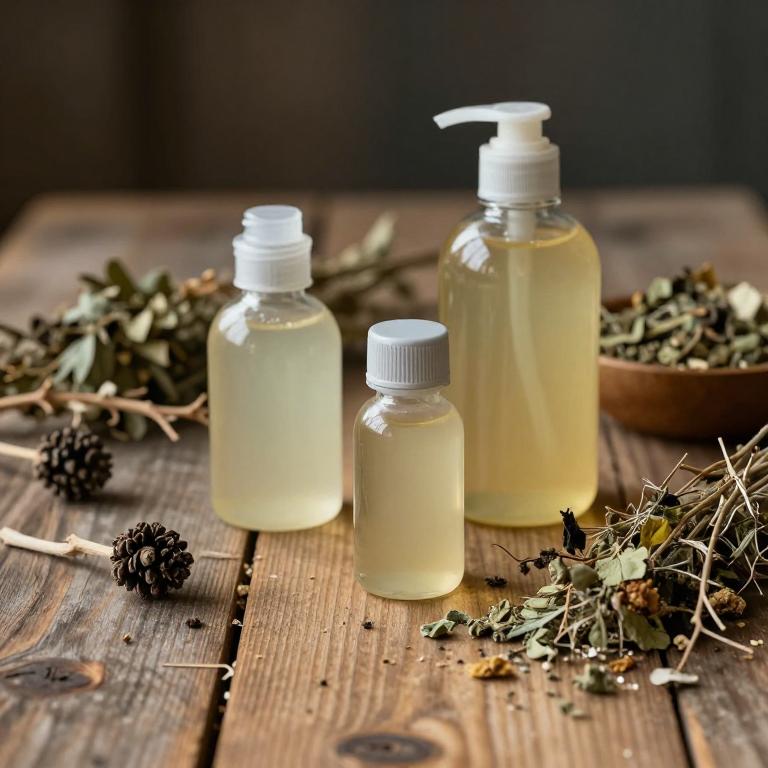
Echinacea purpurea herbal lotions are traditionally used to support immune health and may help alleviate symptoms associated with respiratory discomfort, including a tickling throat.
These lotions often contain extracts from the purple coneflower, which is known for its anti-inflammatory and antimicrobial properties. While they are typically applied topically, some formulations may be used in conjunction with other remedies to soothe irritation in the throat. However, it is important to consult a healthcare professional before using echinacea, especially for individuals with allergies or chronic conditions.
Overall, echinacea purpurea lotions may offer a natural complement to throat care, though their effectiveness can vary among individuals.
4. Eucalyptus (Eucalyptus globulus)
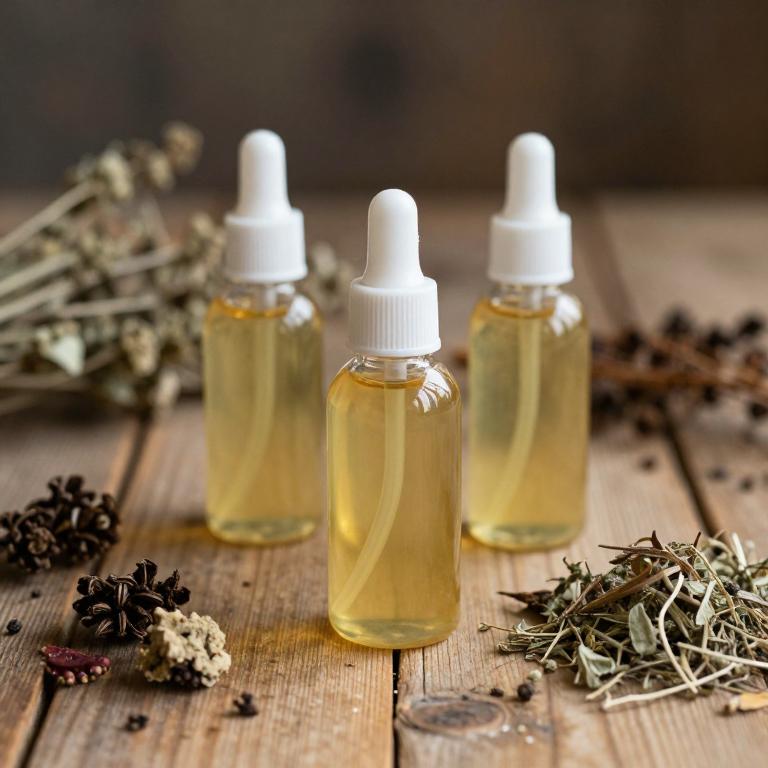
Eucalyptus globulus, commonly known as eucalyptus oil, is often used in herbal lotions for its soothing and expectorant properties.
These lotions can help alleviate symptoms of a tickling throat by reducing inflammation and promoting mucus drainage. The menthol and eucalyptol compounds in eucalyptus globulus have a cooling effect that can provide relief from irritation and congestion. When applied topically, these herbal lotions may help soothe the throat and ease breathing.
However, it is important to consult a healthcare professional before using such products, especially for children or individuals with sensitive skin.
5. Ginger (Zingiber officinale)
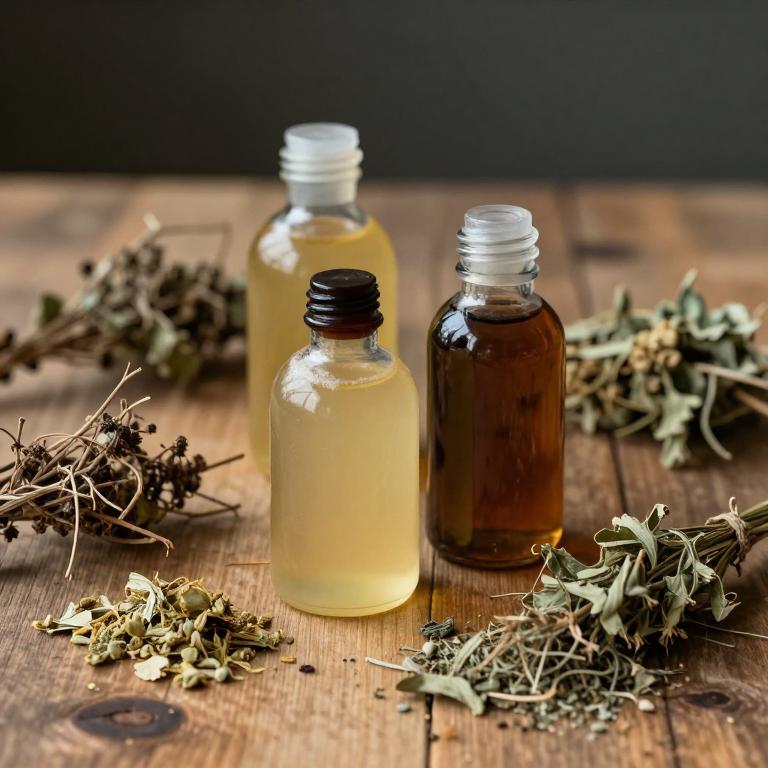
Zingiber officinale, commonly known as ginger, has been traditionally used for its therapeutic properties, including its ability to soothe a tickling throat.
Ginger herbal lotions are often formulated with extracts of fresh or dried ginger root, which contain compounds like gingerol and shogaol known for their anti-inflammatory and antispasmodic effects. These lotions can be applied topically to the neck or throat area to help reduce irritation and ease the sensation of a tickling throat. While they are not a direct treatment for infections, they may provide relief by promoting local circulation and reducing mucus buildup.
However, it is important to consult a healthcare professional before using any herbal remedies, especially if symptoms persist or worsen.
6. Black pepper (Piper nigrum)
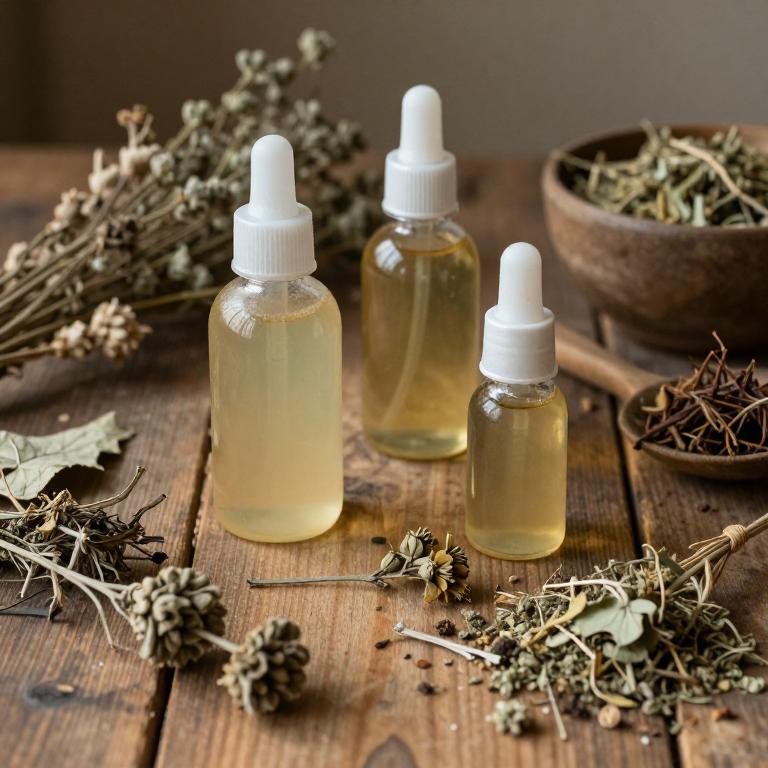
Piper nigrum, commonly known as black pepper, is traditionally used in herbal remedies for its warming and stimulating properties.
When incorporated into herbal lotions, black pepper can help soothe a tickling throat by promoting circulation and reducing mucus buildup. These lotions are often applied externally to the throat area or diluted and used as a gargle to ease discomfort. The active compound, piperine, may have mild anti-inflammatory and antimicrobial effects that support throat health.
While not a substitute for medical treatment, piper nigrum herbal lotions can be a natural complement to alleviate symptoms of a tickling throat.
7. Peppermint (Mentha piperita)
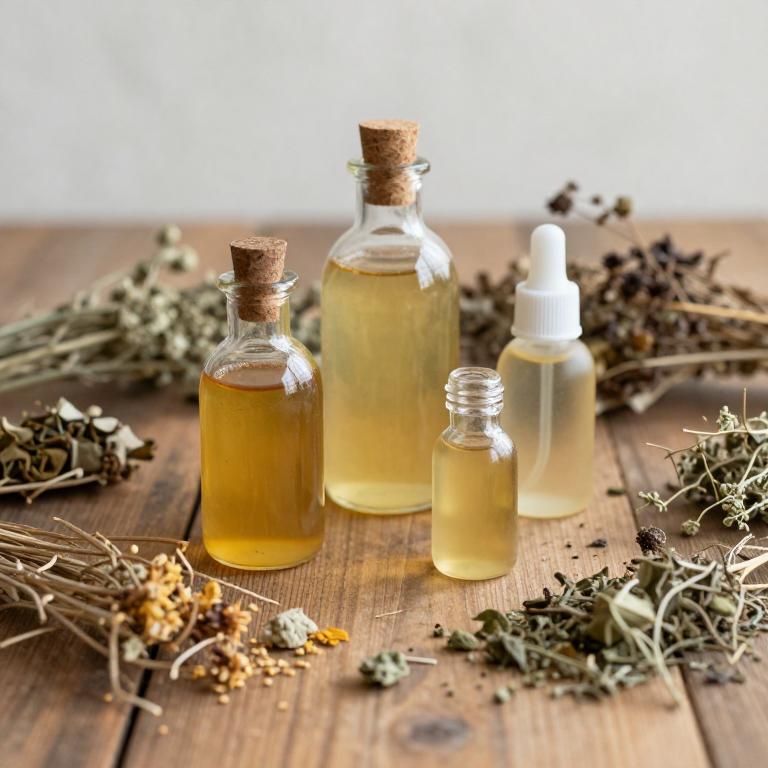
Mentha piperita, commonly known as peppermint, is often used in herbal lotions to soothe a tickling throat due to its cooling and mild anesthetic properties.
These lotions typically contain essential oils extracted from fresh or dried peppermint leaves, which can help reduce inflammation and ease discomfort. When applied topically to the throat or neck area, the menthol in peppermint can provide a refreshing sensation that may temporarily relieve irritation. However, it is important to dilute the essential oils properly to avoid skin irritation.
While peppermint lotions can offer some symptomatic relief, they should not replace professional medical advice for persistent or severe throat issues.
8. Rosemary (Rosmarinus officinalis)
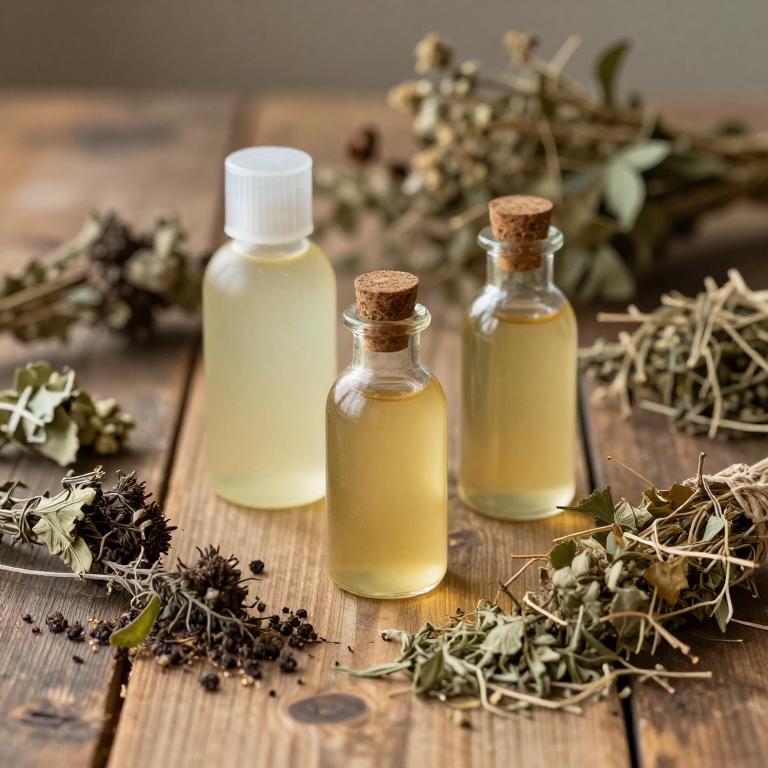
Rosmarinus officinalis, commonly known as rosemary, is often used in herbal lotions for its soothing and anti-inflammatory properties.
These lotions can be applied to the neck and throat area to help alleviate the discomfort of a tickling throat, which is often caused by irritation or minor infections. The essential oils in rosemary, such as cineole and camphor, have been traditionally used to ease respiratory symptoms and promote relaxation of the throat muscles. When diluted properly, rosemary herbal lotions are safe for topical use and may provide a calming effect that reduces the sensation of a tickling throat.
However, it is important to consult with a healthcare professional before using any herbal remedies, especially if symptoms persist or worsen.
9. Chamomile (Matricaria chamomilla)
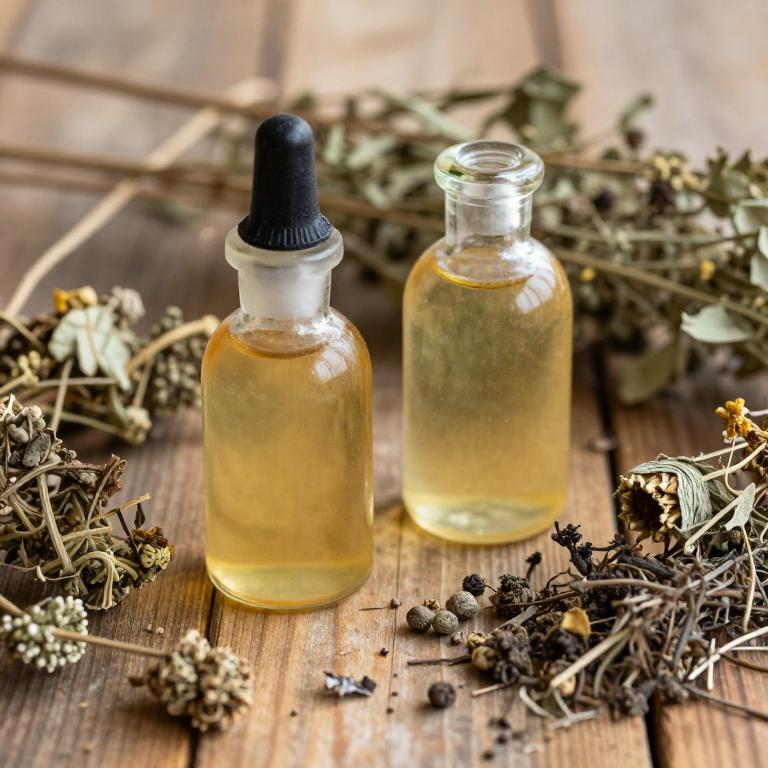
Matricaria chamomilla, commonly known as chamomile, is a popular herbal ingredient used in various natural remedies, including herbal lotions.
These lotions are often formulated to soothe irritation and inflammation, making them potentially beneficial for a tickling throat. Chamomile contains compounds like chamazulene and bisabolol, which have anti-inflammatory and antispasmodic properties that may help reduce throat discomfort. When applied externally, chamomile lotions can provide a calming effect, easing the sensation of a tickling throat.
However, it is important to consult a healthcare professional before using such remedies, especially if the throat irritation persists or is accompanied by other symptoms.
10. Licorice (Glycyrrhiza glabra)
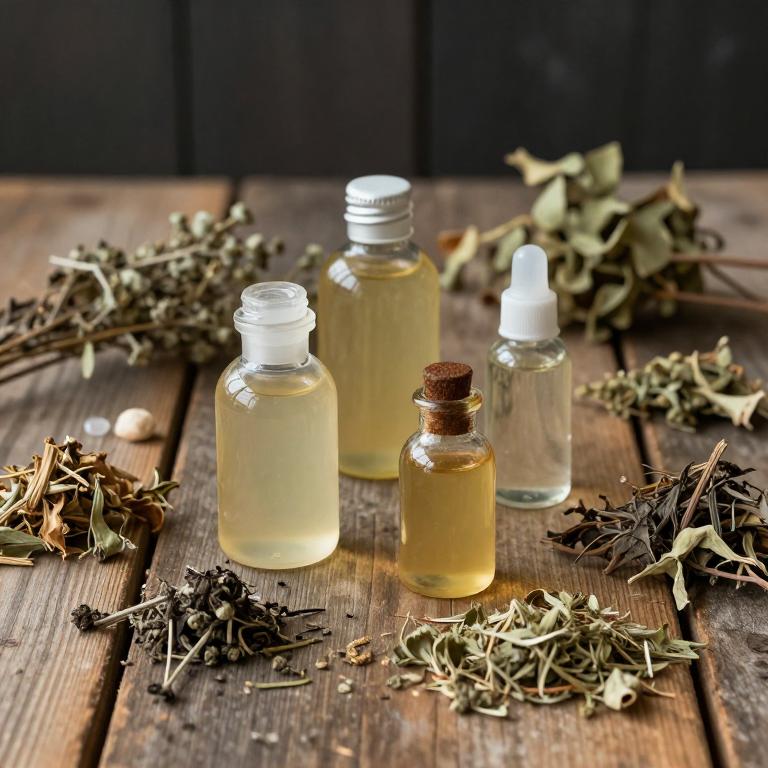
Glycyrrhiza glabra, commonly known as licorice root, is often used in herbal formulations to soothe a tickling throat due to its anti-inflammatory and demulcent properties.
Herbal lotions containing glycyrrhiza glabra can help reduce irritation and mucus production, providing relief from persistent coughing and throat discomfort. These lotions are typically made by extracting the active compounds from the root and combining them with soothing ingredients like honey or aloe vera. They are particularly beneficial for individuals experiencing dry, hacking coughs or postnasal drip.
However, long-term use should be monitored, as excessive consumption of licorice root can lead to side effects such as increased blood pressure.