10 Best Herbal Lotions For Throat Redness
Herbal lotions for throat redness are natural remedies that incorporate soothing herbs like echinacea, licorice root, and sage to reduce inflammation and irritation in the throat.
These lotions are typically applied externally, such as on the neck or throat area, to provide a cooling and calming effect. They are often preferred by individuals seeking alternatives to conventional treatments due to their gentle and holistic approach. Many herbal lotions also contain moisturizing ingredients like aloe vera or honey, which can further aid in healing and comfort.
However, it is important to consult with a healthcare professional before use, especially if the redness is a symptom of a more serious condition.
Table of Contents
- 1. Salvia (Salvia officinalis)
- 2. Thyme (Thymus vulgaris)
- 3. Stinging nettle (Urtica dioica)
- 4. St. john's wort (Hypericum perforatum)
- 5. Ginger (Zingiber officinale)
- 6. Rosemary (Rosmarinus officinalis)
- 7. Echinacea (Echinacea purpurea)
- 8. Peppermint (Mentha piperita)
- 9. Black elderberry (Sambucus nigra)
- 10. Yarrow (Achillea millefolium)
1. Salvia (Salvia officinalis)
Salvia officinalis, commonly known as sage, is a versatile herb often used in herbal lotions for its soothing and anti-inflammatory properties.
These lotions can be particularly beneficial for alleviating throat redness caused by irritation, infection, or inflammation. The essential oils and compounds in sage, such as thujone and rosmarinic acid, help reduce swelling and promote healing in the throat area. When applied topically, sage herbal lotions may provide a cooling sensation that offers comfort and relief.
As a natural remedy, salvia officinalis lotions are a gentle alternative to conventional treatments for mild throat redness.
2. Thyme (Thymus vulgaris)
Thymus vulgaris, also known as Thyme, is a popular herb used in the formulation of herbal lotions aimed at alleviating throat redness and related discomfort.
These lotions typically contain essential oils extracted from the leaves and flowers of the plant, which are known for their antiseptic and anti-inflammatory properties. When applied topically to the throat area, Thymus vulgaris herbal lotions can help reduce irritation and soothe inflamed tissues. The warming sensation produced by the active compounds in the lotion may also provide a comforting effect.
However, it is important to consult a healthcare professional before using such products, especially if the throat redness is a symptom of a more serious condition.
3. Stinging nettle (Urtica dioica)
Urtica dioica, commonly known as stinging nettle, has been traditionally used in herbal remedies for its anti-inflammatory and soothing properties.
When formulated into a herbal lotion, it can help alleviate throat redness by reducing irritation and inflammation in the throat lining. The active compounds in stinging nettle, such as histamine and various flavonoids, may contribute to its therapeutic effects on mucous membranes. This lotion is often recommended as a natural alternative for those seeking relief from throat discomfort without the use of synthetic medications.
However, it is important to consult a healthcare professional before use, especially for individuals with allergies or existing medical conditions.
4. St. john's wort (Hypericum perforatum)
Hypericum perforatum, commonly known as St. John's Wort, is often used in herbal lotions to address throat redness due to its anti-inflammatory and antimicrobial properties.
These lotions may help soothe irritation and reduce inflammation in the throat by calming the mucous membranes. When applied externally, the herbal compounds in the lotion can provide a cooling effect, offering relief from discomfort caused by infections or excessive coughing. However, it is important to note that internal use of St. John's Wort should be approached with caution due to potential interactions with medications.
As with any herbal remedy, it is advisable to consult a healthcare professional before use, especially for individuals with chronic throat conditions.
5. Ginger (Zingiber officinale)
Zingiber officinale, commonly known as ginger, has been traditionally used for its anti-inflammatory and soothing properties, making it a valuable ingredient in herbal lotions for throat redness.
These lotions often combine ginger extract with other natural components like honey, turmeric, or eucalyptus to enhance their therapeutic effects. The warming sensation provided by ginger can help alleviate discomfort and reduce inflammation in the throat, offering relief from conditions like sore throat or laryngitis. When applied externally, these lotions may help soothe irritated tissues and promote healing without the need for harsh pharmaceutical treatments.
As a natural remedy, ginger-based herbal lotions are increasingly popular for their gentle yet effective approach to managing throat redness.
6. Rosemary (Rosmarinus officinalis)
Rosmarinus officinalis, commonly known as rosemary, is widely used in herbal lotions for its anti-inflammatory and soothing properties, which can help alleviate throat redness.
These lotions typically contain essential oils extracted from rosemary leaves, which are known to have antimicrobial and antioxidant benefits. When applied externally to the throat area, rosemary lotion may reduce irritation and promote healing by improving circulation and reducing swelling. The cooling effect of the herbal ingredients can provide a calming sensation, offering relief from discomfort associated with throat inflammation.
However, it is important to consult a healthcare professional before using rosemary lotions, especially for individuals with sensitive skin or existing medical conditions.
7. Echinacea (Echinacea purpurea)
Echinacea purpurea, commonly known as purple coneflower, is a popular herbal remedy often used in the form of lotions to alleviate throat redness and associated discomfort.
These lotions are typically infused with echinacea extracts, which are believed to have anti-inflammatory and antimicrobial properties that can soothe irritated throat tissues. When applied topically, the lotion may help reduce swelling and redness by promoting healing and boosting the body's immune response. Some formulations may also include other soothing ingredients like aloe vera or chamomile to enhance their calming effects.
While echinacea lotions are generally considered safe for topical use, it is advisable to consult a healthcare professional before use, especially for individuals with sensitive skin or existing medical conditions.
8. Peppermint (Mentha piperita)
Mentha piperita, commonly known as peppermint, is often incorporated into herbal lotions to provide relief for throat redness due to its cooling and anti-inflammatory properties.
These lotions typically combine peppermint oil with other soothing ingredients like eucalyptus or chamomile to enhance their therapeutic effects. When applied externally to the throat area, the menthol in peppermint can help reduce irritation and promote a sense of relief. The cooling sensation may also help alleviate the burning sensation associated with throat inflammation.
However, it is important to consult a healthcare professional before using such lotions, especially for children or individuals with sensitive skin.
9. Black elderberry (Sambucus nigra)
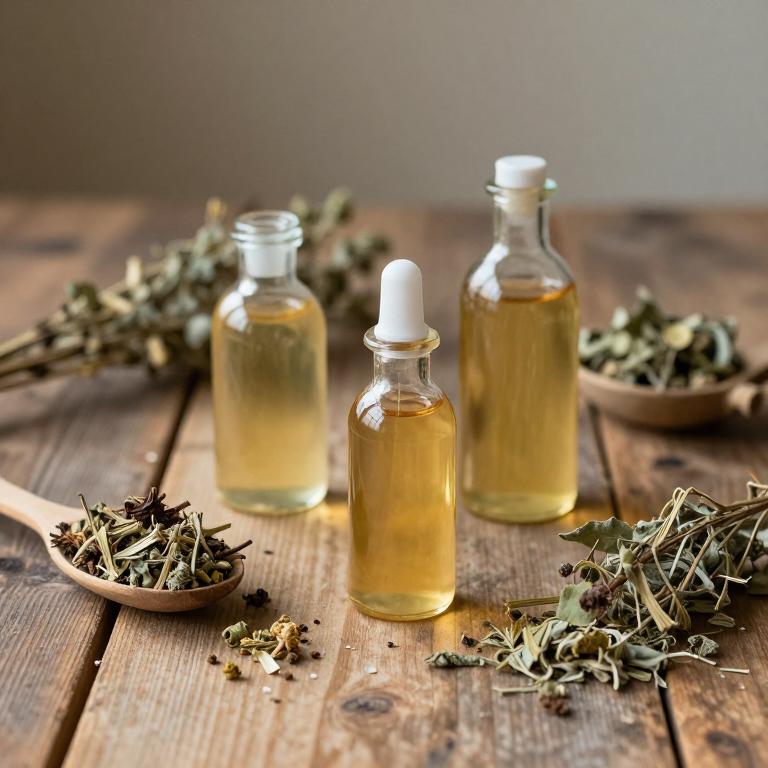
Sambucus nigra, also known as European elderberry, has been traditionally used in herbal medicine for its potential anti-inflammatory and antioxidant properties.
When formulated into a herbal lotion, it may help alleviate throat redness by reducing irritation and swelling in the mucous membranes. The active compounds in elderberry, such as flavonoids and anthocyanins, are believed to support immune function and reduce inflammation. However, it is important to consult a healthcare professional before using such products, especially if you have allergies or are taking other medications.
While some people may find relief from throat redness using sambucus nigra lotion, its effectiveness can vary, and it should not replace conventional medical treatments.
10. Yarrow (Achillea millefolium)
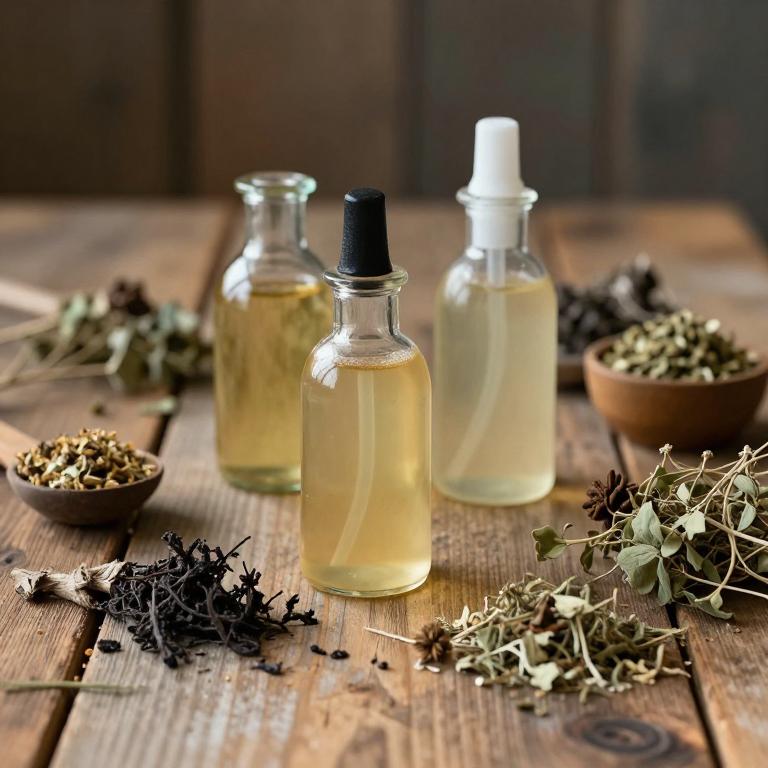
Achillea millefolium, commonly known as yarrow, has been traditionally used in herbal medicine for its anti-inflammatory and astringent properties.
When incorporated into herbal lotions, it can help soothe throat redness by reducing swelling and irritation in the throat tissues. These lotions are often prepared by infusing dried yarrow flowers in a carrier oil or water, creating a soothing application that can be used externally on the throat area. The active compounds in yarrow, such as flavonoids and essential oils, contribute to its effectiveness in calming inflamed mucous membranes.
While not a substitute for medical treatment, yarrow-based lotions may offer natural relief for mild throat redness and discomfort.