10 Best Herbal Tinctures For Throat Pain
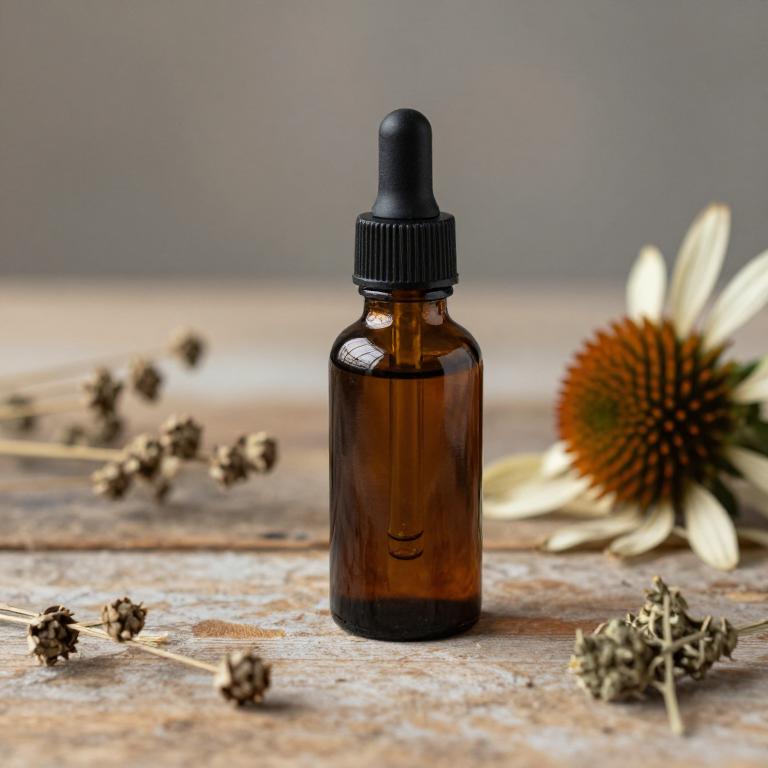
Herbal tinctures are concentrated liquid extracts made from plant materials, commonly used to alleviate throat pain due to their anti-inflammatory and antiseptic properties.
Ingredients such as echinacea, goldenseal, and sage are frequently included in throat-specific tinctures for their ability to reduce swelling and inhibit bacterial growth. These tinctures can be taken orally or applied directly to the throat for localized relief, offering a natural alternative to conventional medications. They are often preferred by individuals seeking holistic or complementary treatments for sore throats.
However, it is important to consult a healthcare professional before use, especially for those with allergies or existing medical conditions.
Table of Contents
- 1. Echinacea (Echinacea purpurea)
- 2. Thyme (Thymus vulgaris)
- 3. Peppermint (Mentha piperita)
- 4. Licorice (Glycyrrhiza glabra)
- 5. Ginger (Zingiber officinale)
- 6. Salvia (Salvia officinalis)
- 7. St. john's wort (Hypericum perforatum)
- 8. Black pepper (Piper nigrum)
- 9. Fennel (Foeniculum vulgare)
- 10. Chaste tree (Vitex agnus-castus)
1. Echinacea (Echinacea purpurea)
Echinacea purpurea herbal tinctures are commonly used to support the immune system and alleviate symptoms of throat pain, particularly during colds or sore throats.
The tincture is made by soaking the dried roots and leaves of the echinacea plant in alcohol, which extracts its active compounds, such as alkamides, flavonoids, and polysaccharides. These compounds are believed to have anti-inflammatory and antimicrobial properties that may help reduce swelling and fight off infections in the throat. To use, a few drops are typically diluted in water or tea and taken several times a day.
While echinacea tinctures are generally considered safe for short-term use, individuals with allergies or those on certain medications should consult a healthcare provider before use.
2. Thyme (Thymus vulgaris)
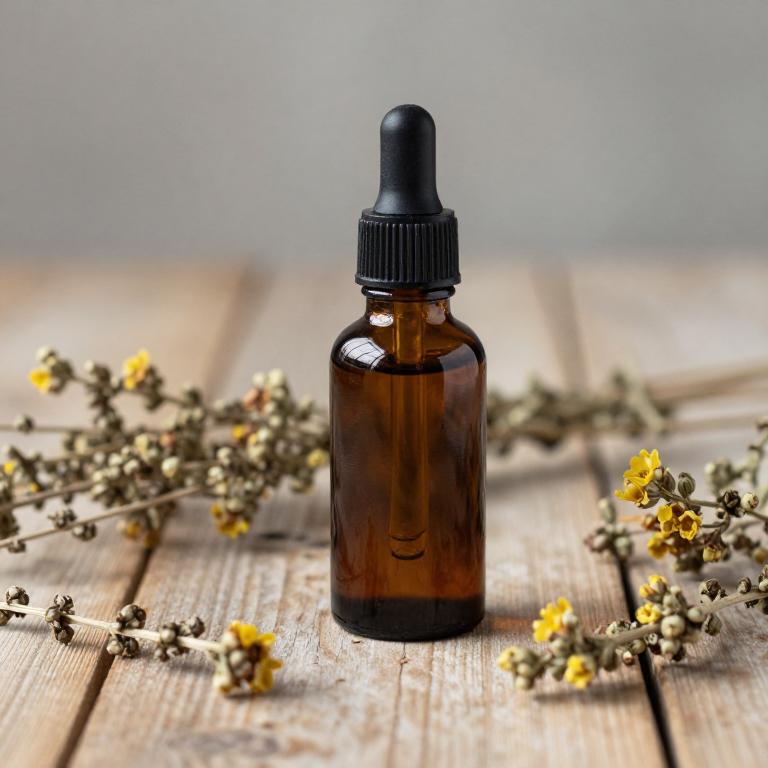
Thymus vulgaris, commonly known as thyme, is a popular herb used in the preparation of tinctures for the treatment of throat pain.
These tinctures are valued for their antiseptic, anti-inflammatory, and analgesic properties, which help soothe sore throats and reduce irritation. The essential oils in thyme, particularly thymol, contribute to its effectiveness in fighting bacterial infections and providing relief from symptoms. When used as a gargle or diluted in water, thyme tinctures can offer a natural alternative for those seeking relief without pharmaceuticals.
However, it is important to consult a healthcare professional before use, especially for individuals with allergies or underlying health conditions.
3. Peppermint (Mentha piperita)
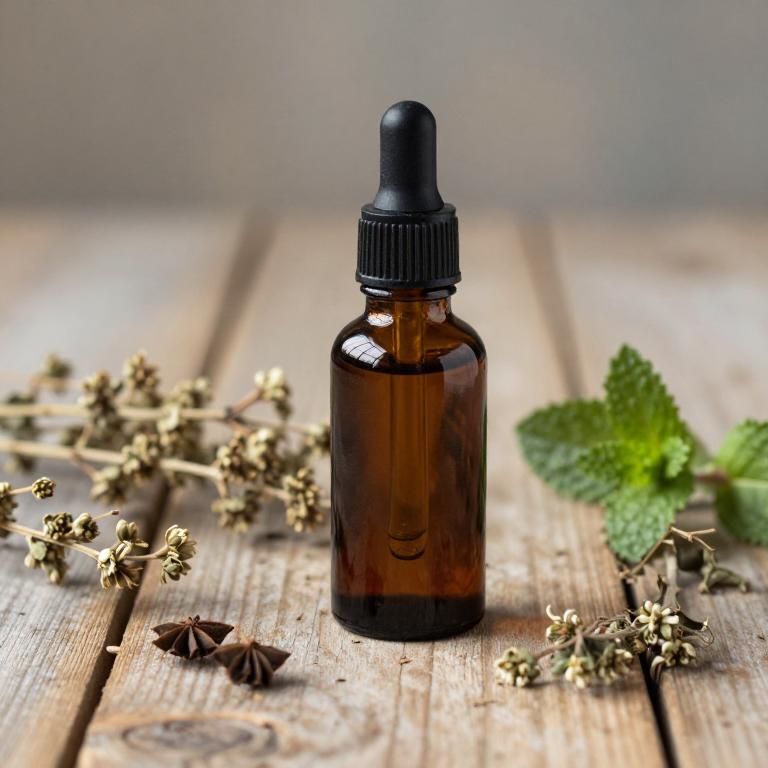
Mentha piperita, commonly known as peppermint, is often used in herbal tinctures to alleviate throat pain due to its soothing and anti-inflammatory properties.
These tinctures typically contain a concentrated form of peppermint oil extracted through alcohol, which helps in reducing irritation and inflammation in the throat. The menthol in peppermint tinctures provides a cooling effect that can temporarily numb the throat, offering relief from soreness and discomfort. They are often used as a natural alternative to over-the-counter pain relievers and can be taken directly or diluted in water.
However, individuals with certain allergies or gastrointestinal sensitivities should consult a healthcare provider before using peppermint tinctures.
4. Licorice (Glycyrrhiza glabra)
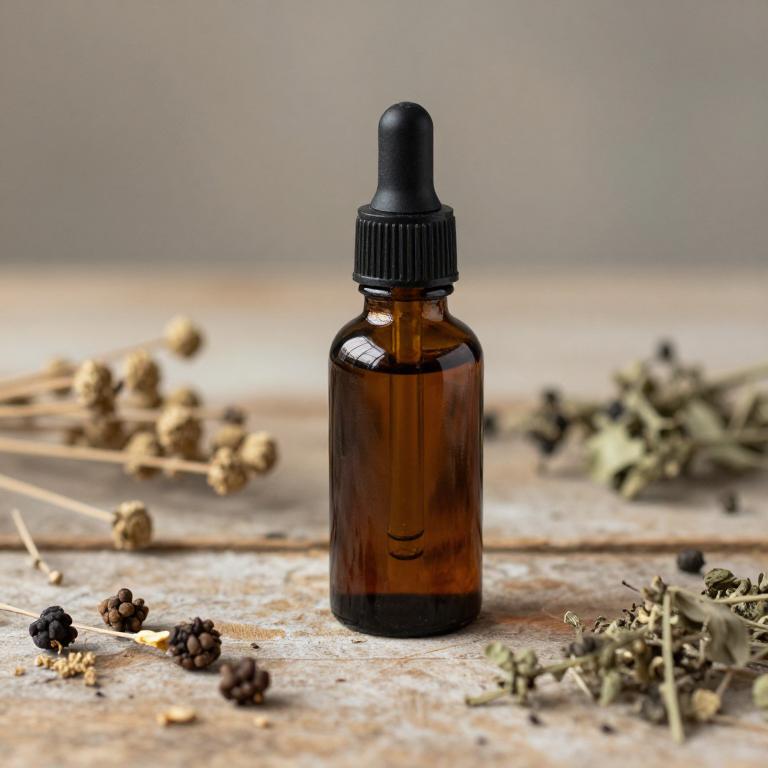
Glycyrrhiza glabra, commonly known as licorice root, has been widely used in herbal medicine for its soothing properties, particularly for throat pain.
Licorice root tinctures are often prepared by soaking the dried root in alcohol to extract its active compounds, including glycyrrhizin and flavonoids, which have anti-inflammatory and antiviral effects. These tinctures can help reduce inflammation, ease soreness, and alleviate symptoms of conditions like sore throat, cough, and laryngitis. The expectorant properties of licorice may also help loosen mucus, making it easier to cough up.
However, long-term use of licorice tinctures should be avoided due to potential side effects such as increased blood pressure and electrolyte imbalances.
5. Ginger (Zingiber officinale)
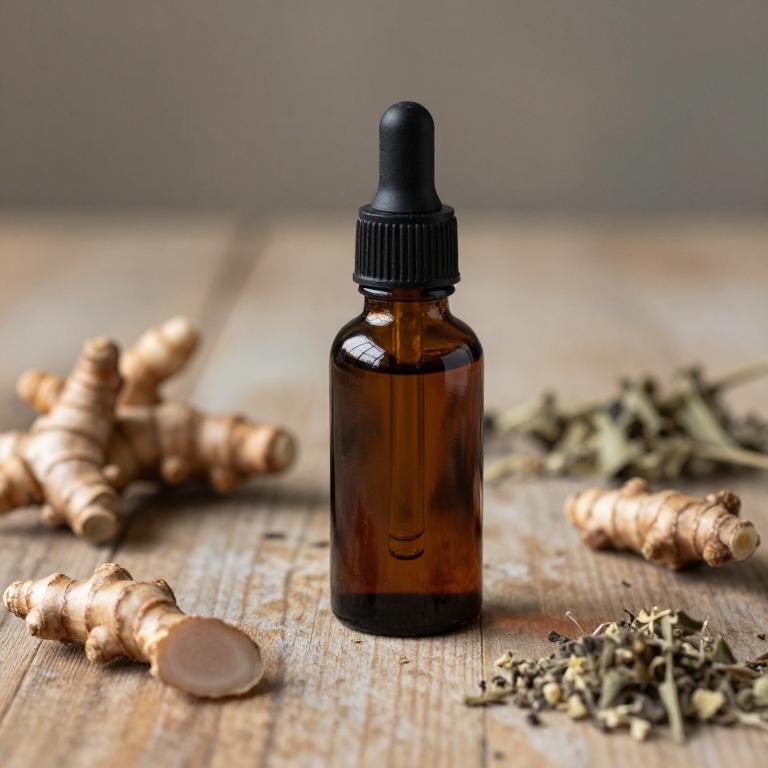
Zingiber officinale, commonly known as ginger, has been traditionally used for its anti-inflammatory and analgesic properties, making it a popular ingredient in herbal tinctures for throat pain.
These tinctures are typically prepared by soaking freshly grated ginger in alcohol, allowing the active compounds such as gingerol and shogaol to be extracted. The warming effect of ginger tinctures can help soothe sore throats by reducing inflammation and easing discomfort. They are often used as a natural alternative to over-the-counter pain relievers, especially for those seeking herbal remedies.
However, it is important to consult a healthcare professional before use, particularly for individuals with allergies or those taking medications.
6. Salvia (Salvia officinalis)
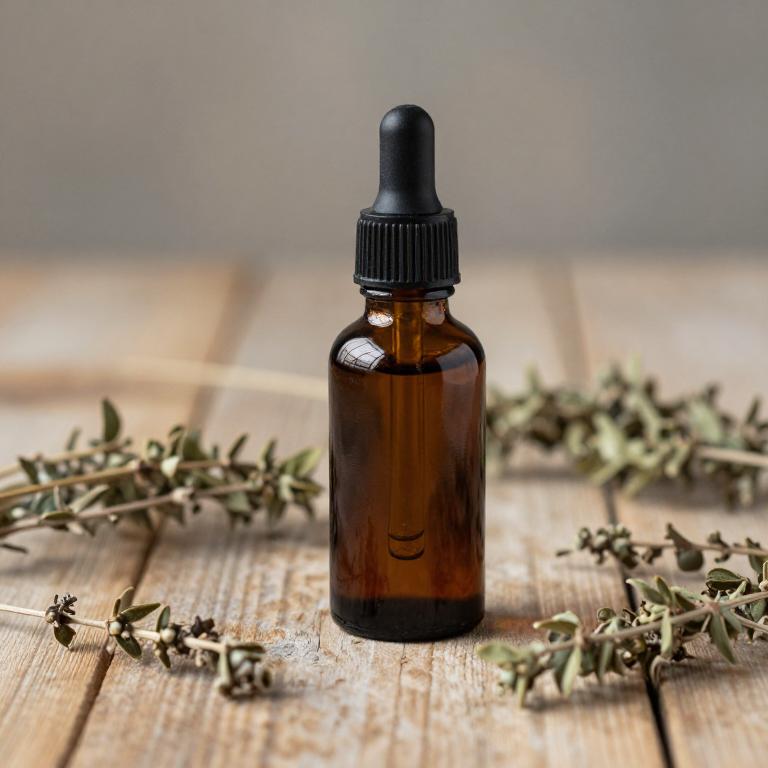
Salvia officinalis, commonly known as sage, has been traditionally used for its medicinal properties, including its potential to alleviate throat pain.
Herbal tinctures made from sage are often prepared by soaking the dried leaves in alcohol, allowing the active compounds to be extracted for medicinal use. These tinctures are believed to possess antimicrobial and anti-inflammatory properties that can help reduce irritation and infection in the throat. Sage tinctures may be used as a gargle or diluted in water to soothe soreness and promote healing.
While generally considered safe, it is advisable to consult a healthcare professional before using sage tinctures, especially for prolonged periods or in conjunction with other medications.
7. St. john's wort (Hypericum perforatum)
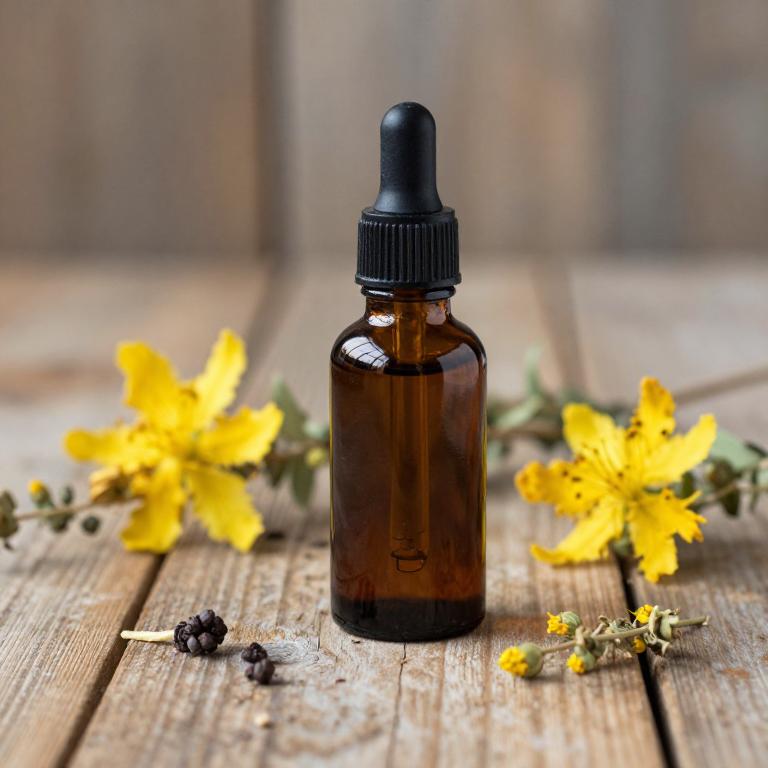
Hypericum perforatum, commonly known as St. John's Wort, is traditionally used in herbal medicine for its potential anti-inflammatory and analgesic properties.
When prepared as a tincture, it may offer relief for throat pain by reducing inflammation and soothing irritated tissues. The active compounds in Hypericum perforatum, such as hypericin and hyperforin, are believed to contribute to its therapeutic effects. However, it is important to note that St. John's Wort can interact with certain medications, so consultation with a healthcare provider is recommended before use.
While some individuals may find it beneficial for mild throat discomfort, it should not replace professional medical advice or treatment for more severe conditions.
8. Black pepper (Piper nigrum)
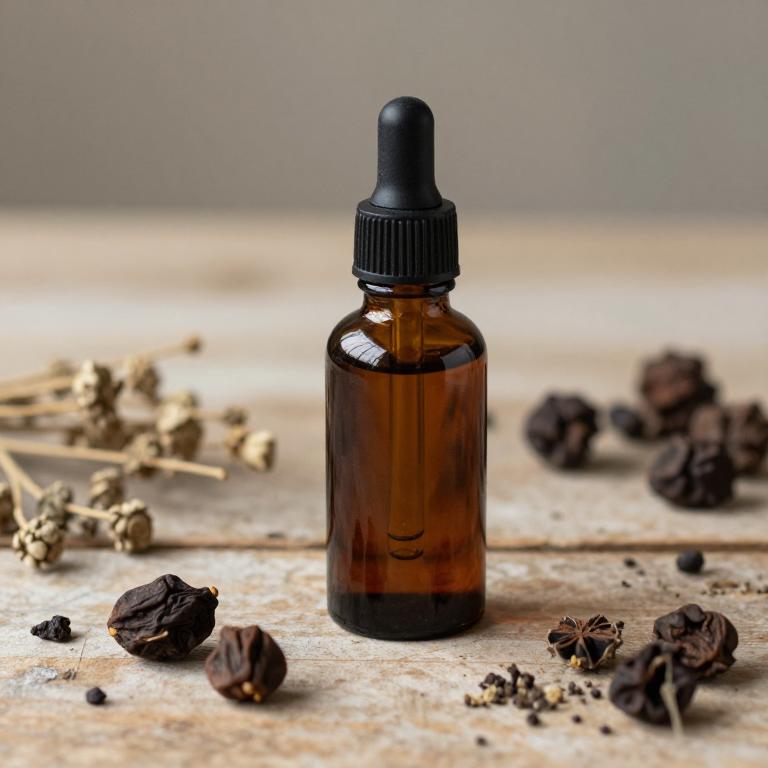
Piper nigrum, commonly known as black pepper, has been traditionally used in herbal medicine for its potential soothing properties.
When prepared as a tincture, piper nigrum may help alleviate throat pain due to its anti-inflammatory and analgesic effects. The active compound, piperine, is believed to enhance the body's natural healing processes and reduce irritation in the throat. To use, a few drops of the tincture can be diluted in water or taken directly, depending on the recommended dosage.
While it may offer relief for mild throat discomfort, it is advisable to consult a healthcare professional before use, especially for persistent or severe symptoms.
9. Fennel (Foeniculum vulgare)
Foeniculum vulgare, commonly known as fennel, is often used in herbal tinctures to alleviate throat pain due to its anti-inflammatory and antimicrobial properties.
These tinctures are typically prepared by soaking crushed fennel seeds in alcohol, allowing the active compounds to extract over time. The essential oils in fennel, such as anethol, help reduce inflammation and soothe irritated tissues in the throat. When used as a gargle or diluted oral application, fennel tinctures can provide relief from sore throats caused by infections or irritation.
However, it is important to consult with a healthcare professional before using fennel tinctures, especially for prolonged periods or in combination with other medications.
10. Chaste tree (Vitex agnus-castus)
Vitex agnus-castus, commonly known as chaste tree, has been traditionally used in herbal medicine for its potential therapeutic properties.
Its tinctures are often employed to support hormonal balance and may offer relief for throat pain associated with inflammation or infection. The active compounds in Vitex, such as flavonoids and lignans, are believed to have anti-inflammatory and antimicrobial effects that can soothe sore throats. While some studies suggest its efficacy in reducing inflammation, more research is needed to fully confirm its role in treating throat pain.
As with any herbal remedy, it is advisable to consult a healthcare professional before use, especially if you have underlying health conditions or are taking other medications.