10 Best Herbal Juices For Throat Pain
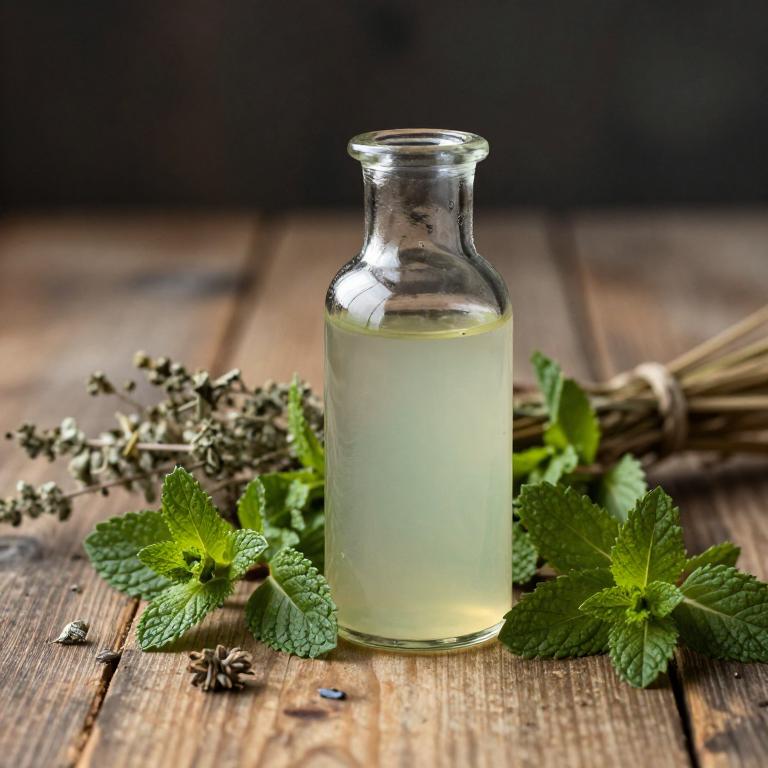
Herbal juices can be a natural and effective remedy for throat pain, offering soothing and anti-inflammatory properties that help alleviate discomfort.
Ingredients like ginger, echinacea, and licorice root are commonly used in herbal juices due to their ability to reduce inflammation and boost the immune system. These juices can help ease soreness and irritation by coating the throat and providing a cooling effect. They are often preferred by individuals seeking alternative or complementary treatments to conventional medications.
However, it's important to consult with a healthcare professional before incorporating herbal juices into your routine, especially if you have underlying health conditions or are taking other medications.
Table of Contents
- 1. Peppermint (Mentha piperita)
- 2. Licorice (Glycyrrhiza glabra)
- 3. Ginger (Zingiber officinale)
- 4. Black elderberry (Sambucus nigra)
- 5. Stinging nettle (Urtica dioica)
- 6. Echinacea (Echinacea purpurea)
- 7. Salvia (Salvia officinalis)
- 8. Thyme (Thymus vulgaris)
- 9. Garlic (Allium sativum)
- 10. Rosemary (Rosmarinus officinalis)
1. Peppermint (Mentha piperita)
Mentha piperita, commonly known as peppermint, is often used in herbal juices to alleviate throat pain due to its cooling and anti-inflammatory properties.
The menthol in peppermint helps to numb the throat, reducing the sensation of pain and irritation. These herbal juices can be prepared by steeping fresh or dried peppermint leaves in water or combining them with other soothing ingredients like honey or ginger. Regular consumption of peppermint herbal juice may provide relief from sore throats caused by colds, infections, or excessive talking.
However, it is advisable to consult a healthcare professional before using peppermint for persistent or severe throat issues.
2. Licorice (Glycyrrhiza glabra)

Glycyrrhiza glabra, commonly known as licorice root, has been traditionally used for its soothing effects on the throat and is often incorporated into herbal juices to alleviate throat pain.
The active compounds in licorice root, such as glycyrrhizin and flavonoids, possess anti-inflammatory and expectorant properties that help reduce irritation and ease coughing. When prepared as a herbal juice, licorice root can be combined with other soothing ingredients like honey, ginger, or turmeric to enhance its therapeutic benefits. This natural remedy is particularly effective for sore throats caused by colds, infections, or excessive vocal strain.
However, long-term use of licorice root juice should be monitored, as it may have side effects such as increased blood pressure due to its mild corticosteroid-like effects.
3. Ginger (Zingiber officinale)
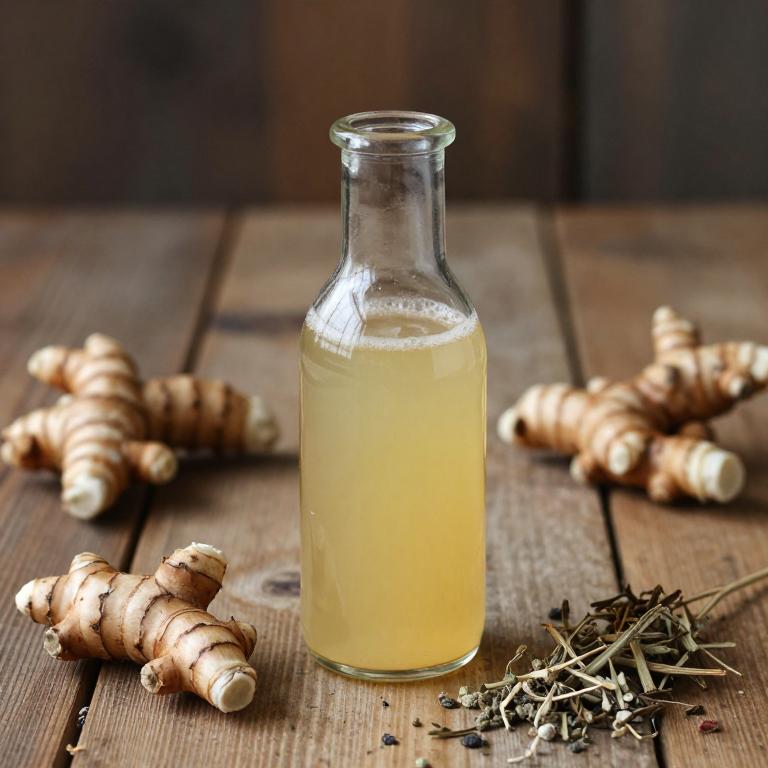
Zingiber officinale, commonly known as ginger, has been widely used for its medicinal properties, including its ability to alleviate throat pain.
Ginger contains bioactive compounds like gingerol and shogaol, which possess anti-inflammatory and analgesic effects that can reduce throat inflammation and discomfort. When consumed as a herbal juice, ginger can provide a soothing effect on the throat lining, making it an effective natural remedy for sore throats. To prepare the juice, fresh ginger root is typically grated and blended with water or a mild liquid, and it can be consumed warm for enhanced relief.
While ginger juice is generally safe, individuals with gastrointestinal issues should consult a healthcare provider before using it regularly.
4. Black elderberry (Sambucus nigra)

Sambucus nigra, commonly known as the European elderberry, has been traditionally used for its potential health benefits, including its soothing effects on throat pain.
The berries and other parts of the plant contain high levels of antioxidants, flavonoids, and vitamin C, which may help reduce inflammation and support the immune system. Herbal juices made from Sambucus nigra are often consumed as a natural remedy for sore throats, particularly during cold and flu season. These juices can be prepared by combining elderberries with honey, lemon, or other herbs to enhance flavor and effectiveness.
While generally considered safe in moderate amounts, it is important to consult a healthcare professional before using elderberry-based remedies, especially for individuals with chronic health conditions or those taking medications.
5. Stinging nettle (Urtica dioica)

Urtica dioica, commonly known as stinging nettle, has been traditionally used for its medicinal properties, including its potential to alleviate throat pain when prepared as a herbal juice.
The juice is typically made by juicing fresh or dried stinging nettle leaves, which contain compounds like flavonoids and antioxidants that may help reduce inflammation and soothe irritated throat tissues. Some studies suggest that the anti-inflammatory and antimicrobial properties of nettle can provide relief from conditions such as sore throats and laryngitis. However, it is important to use the juice in moderation, as excessive consumption may cause gastrointestinal discomfort.
As with any herbal remedy, it is advisable to consult with a healthcare professional before using stinging nettle juice for throat pain, especially for individuals with allergies or existing health conditions.
6. Echinacea (Echinacea purpurea)

Echinacea purpurea, commonly known as purple coneflower, is a popular herbal remedy often used to alleviate throat pain due to its anti-inflammatory and immune-boosting properties.
When prepared as a juice, echinacea can help soothe sore throats by reducing irritation and swelling in the throat tissues. It is typically consumed in small amounts, either on its own or mixed with other soothing ingredients like honey or ginger. However, it is important to note that echinacea may not be suitable for everyone, particularly those with autoimmune disorders or allergies to plants in the daisy family.
As with any herbal remedy, it is advisable to consult a healthcare professional before use, especially if symptoms persist or worsen.
7. Salvia (Salvia officinalis)

Salvia officinalis, commonly known as sage, has been traditionally used for its soothing properties, particularly in the form of herbal juices for throat pain.
The juice extracted from its leaves contains compounds like flavonoids and antioxidants, which may help reduce inflammation and irritation in the throat. Sage juice is often recommended for its antimicrobial and antiseptic qualities, which can help combat infections that contribute to sore throats. When consumed as a herbal juice, it can provide a natural remedy that supports healing and relief from discomfort.
However, it is important to consult with a healthcare professional before using sage juice, especially for prolonged periods or in combination with other treatments.
8. Thyme (Thymus vulgaris)

Thymus vulgaris, commonly known as thyme, is a herbal remedy often used to alleviate throat pain due to its antimicrobial and anti-inflammatory properties.
Thyme contains thymol, a potent compound that helps reduce inflammation and fight off infections, making it effective for sore throats caused by colds or allergies. Thymus vulgaris herbal juices are typically prepared by steeping fresh or dried thyme leaves in water or juice, allowing the beneficial compounds to infuse into the liquid. These juices can be consumed as a natural alternative to over-the-counter remedies, offering a soothing effect on the throat and supporting the body's immune response.
Regular consumption of thyme herbal juice may help relieve persistent throat discomfort and promote faster recovery from respiratory illnesses.
9. Garlic (Allium sativum)
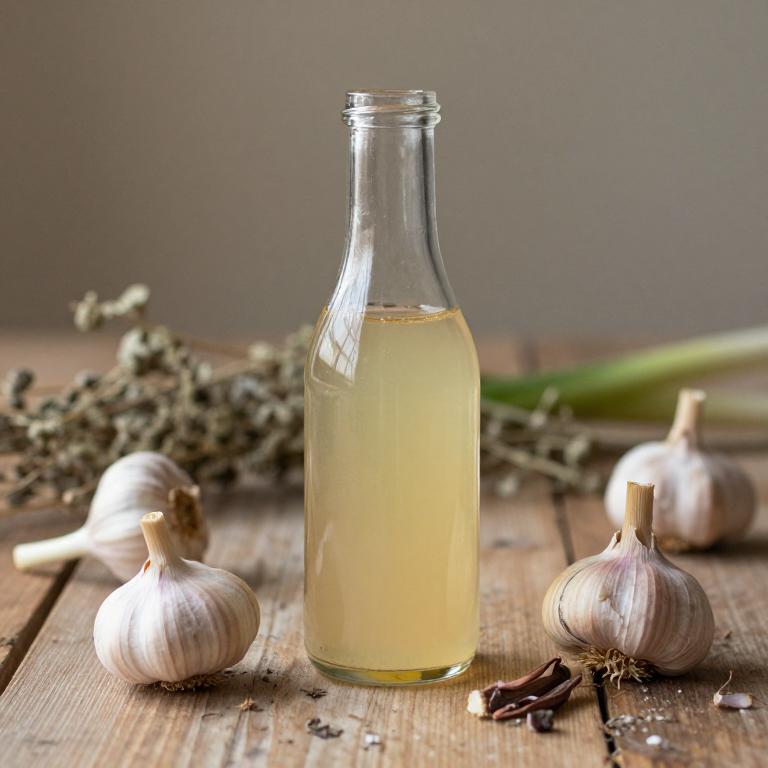
Allium sativum, commonly known as garlic, has been traditionally used for its medicinal properties, including its potential benefits for throat pain.
When consumed as a herbal juice, garlic can help reduce inflammation and fight off infections due to its antimicrobial and anti-inflammatory compounds. The allicin present in garlic is particularly effective in combating bacteria that may cause throat infections. To prepare the juice, fresh garlic cloves are typically crushed and mixed with water or juice to enhance absorption and minimize potential digestive discomfort.
While garlic juice may offer some relief for mild throat pain, it is advisable to consult a healthcare professional for persistent or severe symptoms.
10. Rosemary (Rosmarinus officinalis)

Rosmarinus officinalis, commonly known as rosemary, is a fragrant herb that has been traditionally used for its medicinal properties, including its potential benefits for throat pain.
Rosemary herbal juices are often prepared by infusing the fresh or dried leaves of the plant into water or other liquids, allowing the active compounds to be extracted. These juices contain antioxidants, anti-inflammatory agents, and antimicrobial properties that may help reduce inflammation and soothe sore throats. Some studies suggest that the essential oils in rosemary, such as cineole, may have a calming effect on the respiratory tract.
While rosemary juice can be a natural remedy for mild throat discomfort, it is advisable to consult a healthcare professional for persistent or severe throat pain.