10 Best Herbal Essential Oils For Throat Pain
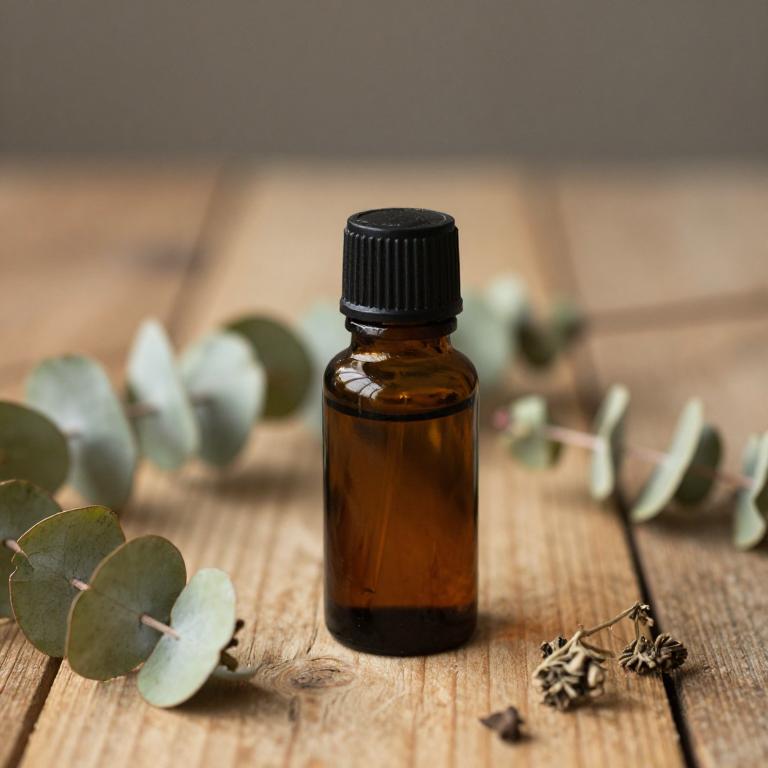
Herbal essential oils such as eucalyptus, peppermint, and thyme are commonly used to alleviate throat pain due to their antimicrobial and anti-inflammatory properties.
These oils can be diluted with a carrier oil and applied topically to the neck or used in steam inhalation to reduce swelling and ease discomfort. Some studies suggest that certain essential oils may help soothe irritated tissues and inhibit the growth of bacteria that contribute to throat infections. However, it is important to consult with a healthcare professional before using essential oils, especially for children or individuals with allergies.
When used properly, herbal essential oils can be a natural and effective complementary therapy for managing throat pain.
Table of Contents
- 1. Eucalyptus (Eucalyptus globulus)
- 2. Thyme (Thymus vulgaris)
- 3. Rosemary (Rosmarinus officinalis)
- 4. Oregano (Origanum vulgare)
- 5. English lavender (Lavandula angustifolia)
- 6. Ceylon cinnamon (Cinnamomum zeylanicum)
- 7. Melaleuca (Melaleuca alternifolia)
- 8. Ginger (Zingiber officinale)
- 9. Black pepper (Piper nigrum)
- 10. Lemon balm (Melissa officinalis)
1. Eucalyptus (Eucalyptus globulus)
Eucalyptus globulus, commonly known as the Australian eucalyptus, is a popular source of herbal essential oils known for its therapeutic properties, including its ability to alleviate throat pain.
The essential oil is derived from the leaves of the plant through steam distillation, resulting in a potent and aromatic compound rich in cineole and other bioactive compounds. When used in inhalation or diluted in a carrier oil, eucalyptus globulus oil can help reduce inflammation and soothe irritation in the throat, making it a natural remedy for sore throats. Its antimicrobial and decongestant properties also support respiratory health, providing relief from symptoms associated with colds and throat infections.
However, it should be used with caution, as undiluted application may cause skin irritation, and it is not recommended for children or pregnant women without medical guidance.
2. Thyme (Thymus vulgaris)
Thymus vulgaris, commonly known as thyme, is a popular herb used in the production of essential oils that are often employed for their therapeutic properties.
The essential oil derived from thyme contains potent compounds such as thymol, which has strong antimicrobial and anti-inflammatory effects, making it beneficial for alleviating throat pain. When used in aromatherapy or diluted in a carrier oil, thyme essential oil can help reduce inflammation and soothe sore throats. It is often recommended for respiratory conditions, including coughs and colds, due to its ability to clear congestion and ease discomfort.
However, it is important to use thyme essential oil with caution, as it can be quite strong and may cause irritation if not properly diluted.
3. Rosemary (Rosmarinus officinalis)
Rosmarinus officinalis, commonly known as rosemary, is a popular herb whose essential oil is widely used for its therapeutic properties, including its potential benefits for throat pain.
The essential oil contains compounds like cineole and camphor, which have antimicrobial and anti-inflammatory effects that can help reduce irritation and infection in the throat. When used in aromatherapy or diluted in a carrier oil, rosemary essential oil may provide soothing relief by easing inflammation and promoting healing. It is often recommended as a natural alternative to conventional remedies for mild throat discomfort.
However, it is important to consult with a healthcare professional before using essential oils, especially for persistent or severe throat pain.
4. Oregano (Origanum vulgare)
Origanum vulgare, commonly known as oregano, is a popular herb used in the production of essential oils that are valued for their therapeutic properties.
The essential oil of oregano contains potent compounds such as carvacrol and thymol, which possess strong antimicrobial and anti-inflammatory effects. These properties make oregano essential oil a promising natural remedy for alleviating throat pain caused by infections or inflammation. When used in steam inhalation or diluted in a carrier oil for gargling, it can help reduce soreness and soothe irritated throat tissues.
However, it is important to use the oil safely and consult a healthcare professional, especially for prolonged or severe throat conditions.
5. English lavender (Lavandula angustifolia)
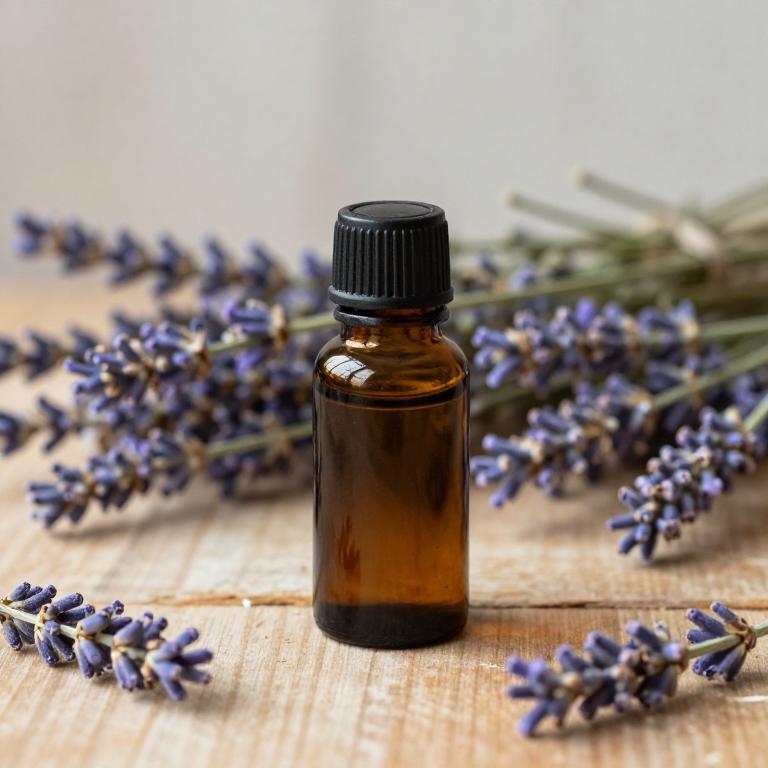
Lavandula angustifolia, commonly known as English lavender, is widely recognized for its calming properties and therapeutic benefits.
Its essential oil, extracted through steam distillation of the flowering tops, contains compounds like linalool and linalyl acetate, which possess anti-inflammatory and analgesic properties. When used for throat pain, lavender essential oil can help reduce inflammation and soothe irritated tissues due to its antimicrobial effects. It is often diluted with a carrier oil and applied topically to the neck or inhaled via steam to provide relief.
While it is generally safe, it should be used cautiously and not ingested, as essential oils can be potent and require proper dilution for topical application.
6. Ceylon cinnamon (Cinnamomum zeylanicum)
Cinnamomum zeylanicum, commonly known as cinnamon, produces a rich and aromatic essential oil that has been traditionally used for its therapeutic properties.
This essential oil contains powerful compounds like cinnamaldehyde and eugenol, which possess antimicrobial and anti-inflammatory effects. When used for throat pain, cinnamon essential oil can help reduce inflammation and soothe irritation in the throat lining. It is often diluted with a carrier oil and applied topically or used in steam inhalation to provide relief.
However, it should be used with caution, as undiluted cinnamon oil may cause skin irritation or allergic reactions.
7. Melaleuca (Melaleuca alternifolia)
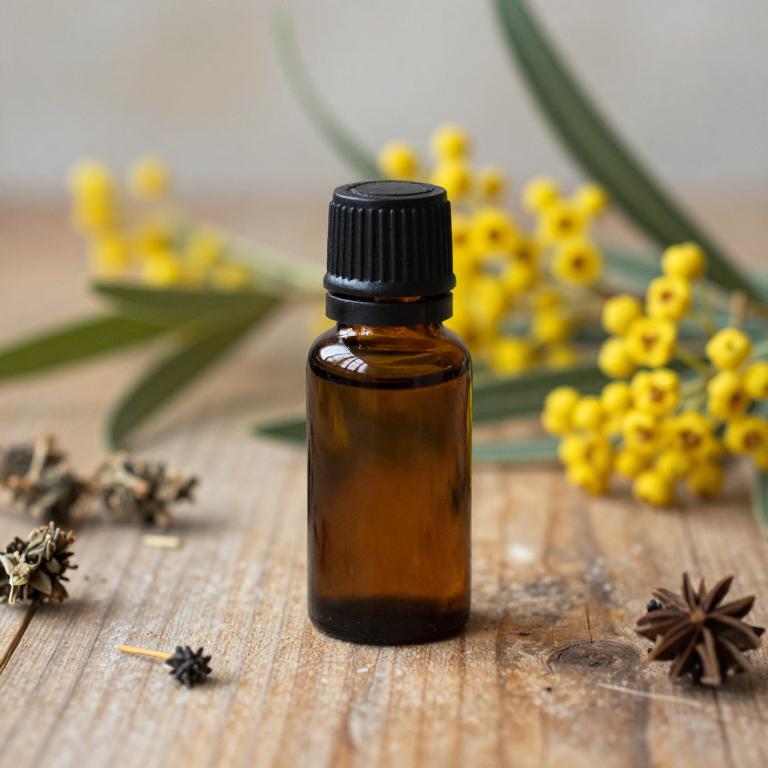
Melaleuca alternifolia, commonly known as tea tree oil, is a popular essential oil derived from the leaves of the Melaleuca alternifolia plant, native to Australia.
It is widely recognized for its potent antimicrobial, anti-inflammatory, and antiseptic properties, making it a valuable natural remedy for throat pain. When diluted properly, tea tree oil can be applied topically to the throat area or used in steam inhalation to help reduce swelling and soothe irritation. Its ability to combat bacteria and viruses may help alleviate symptoms of sore throats caused by infections.
However, it is important to use tea tree oil with caution, as it is highly concentrated and should never be applied directly to the skin without proper dilution.
8. Ginger (Zingiber officinale)
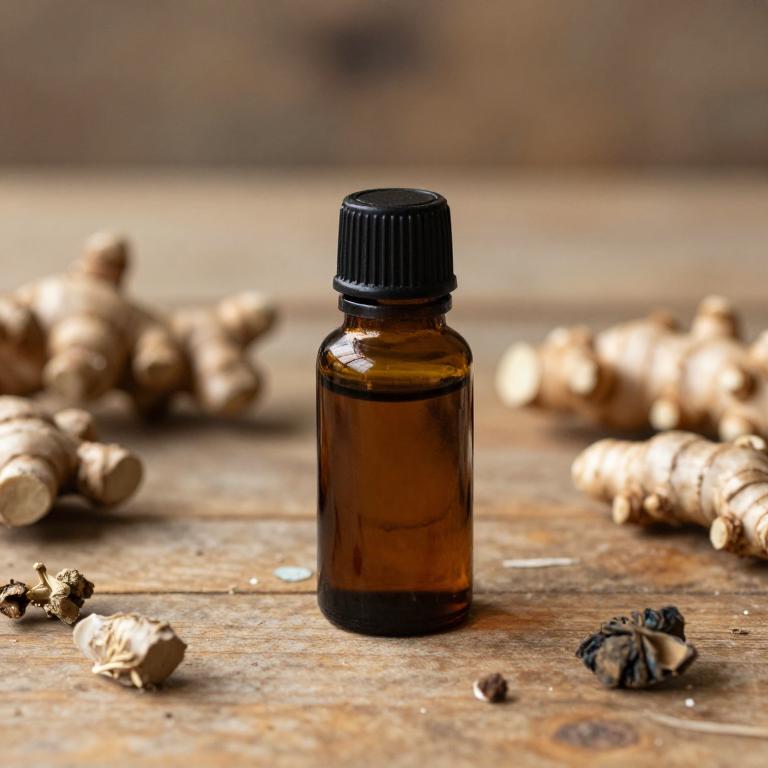
Zingiber officinale, commonly known as ginger, is widely used in herbal medicine for its anti-inflammatory and analgesic properties.
The essential oils derived from ginger contain compounds like gingerol and shogaol, which have been shown to reduce inflammation and soothe sore throats. When used in inhalation or diluted in carrier oils, ginger essential oil can help alleviate throat pain and discomfort. Its warming effect may also help ease congestion and promote respiratory comfort.
However, it is important to dilute the oil properly and consult a healthcare professional before use, especially for those with sensitive skin or underlying health conditions.
9. Black pepper (Piper nigrum)
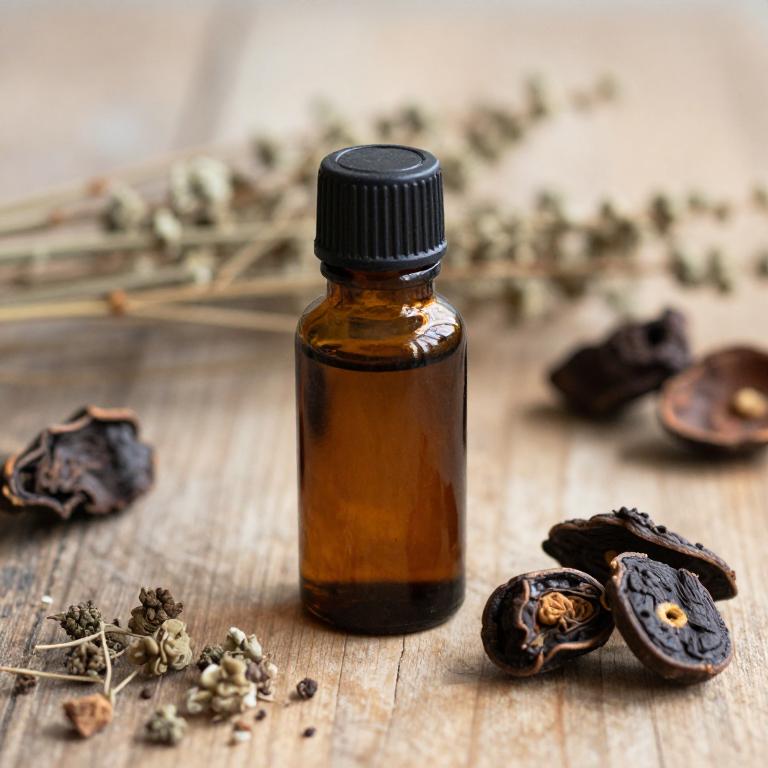
Piper nigrum, commonly known as black pepper, contains essential oils that have been traditionally used for their therapeutic properties, including potential relief for throat pain.
The essential oils derived from black pepper, such as those containing alpha-pinene and beta-caryophyllene, possess antimicrobial and anti-inflammatory effects that may help reduce irritation and infection in the throat. These oils can be used in steam inhalation or diluted with a carrier oil for topical application to soothe soreness and promote healing. However, it is important to use them cautiously, as they can be potent and may cause irritation if not properly diluted.
While some individuals may find relief from using black pepper essential oils for throat pain, it is advisable to consult a healthcare professional before incorporating them into a treatment regimen.
10. Lemon balm (Melissa officinalis)
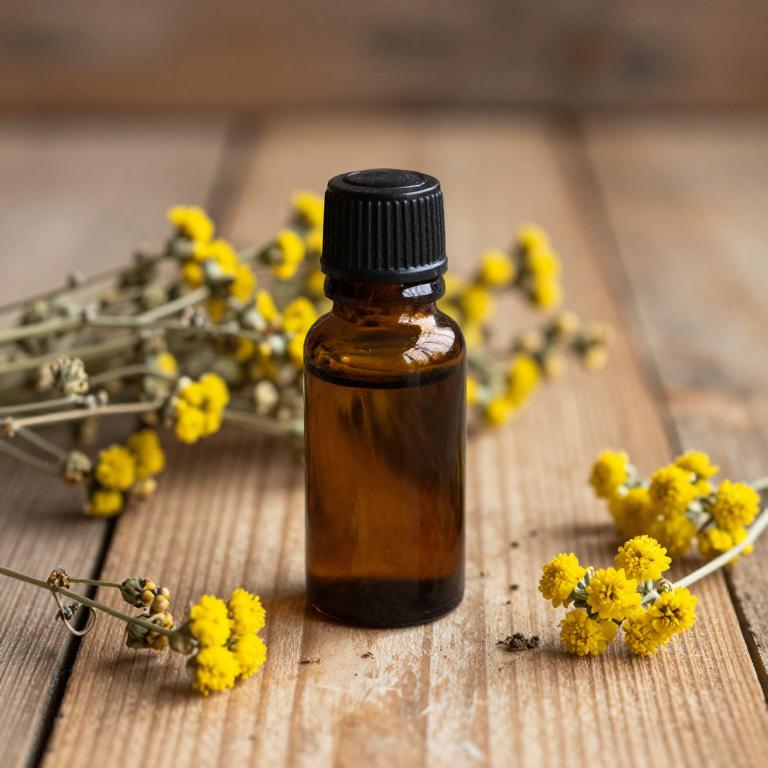
Melissa officinalis, commonly known as lemon balm, is a medicinal herb that has been traditionally used for its calming and soothing properties.
Its essential oil, derived through steam distillation of the fresh leaves, contains compounds such as linalool and rosmarinic acid, which are known for their anti-inflammatory and antiviral effects. When used for throat pain, melissa officinalis essential oil can help reduce irritation and inflammation in the throat lining, providing relief from soreness and discomfort. It is often diluted with a carrier oil before use, as direct application may cause skin irritation.
This essential oil can be incorporated into inhalation therapy or applied topically to the neck and throat area for a natural remedy against throat pain.