10 Best Herbal Syrups For Throat Irritation
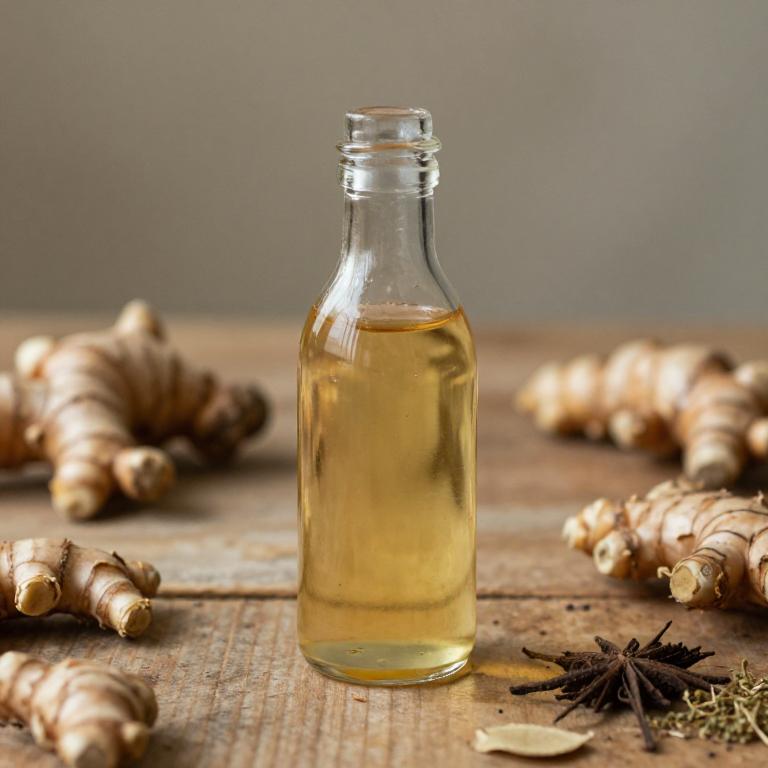
Herbal syrups are natural remedies commonly used to soothe throat irritation caused by inflammation, soreness, or infections.
These syrups often contain ingredients like licorice root, echinacea, sage, and ginger, which have anti-inflammatory, antimicrobial, and soothing properties. They are typically made by extracting the active compounds from these herbs and dissolving them in a sweetened base, making them easy to consume. Many people prefer herbal syrups over over-the-counter pain relievers due to their gentler nature and fewer side effects.
However, it is important to consult a healthcare provider before using herbal syrups, especially for children, pregnant women, or individuals with chronic health conditions.
Table of Contents
- 1. Ginger (Zingiber officinale)
- 2. Licorice (Glycyrrhiza glabra)
- 3. Salvia (Salvia officinalis)
- 4. Thyme (Thymus vulgaris)
- 5. Fennel (Foeniculum vulgare)
- 6. Peppermint (Mentha piperita)
- 7. Echinacea (Echinacea purpurea)
- 8. Stinging nettle (Urtica dioica)
- 9. Rosemary (Rosmarinus officinalis)
- 10. Black pepper (Piper nigrum)
1. Ginger (Zingiber officinale)
Zingiber officinale, commonly known as ginger, has been traditionally used for its anti-inflammatory and soothing properties, making it a popular ingredient in herbal syrups for throat irritation.
These syrups often combine powdered ginger with honey, lemon, or other natural ingredients to enhance their therapeutic effects. The active compounds in ginger, such as gingerol and shogaol, help reduce inflammation and ease coughing, providing relief from sore throats. Herbal syrups made from zingiber officinale are particularly effective for individuals seeking natural remedies without synthetic additives.
Regular use of these syrups can support the body's healing process and alleviate discomfort associated with minor throat infections or irritations.
2. Licorice (Glycyrrhiza glabra)

Glycyrrhiza glabra, commonly known as licorice root, has been traditionally used in herbal medicine for its soothing effects on the throat.
Licorice root syrup is often prepared by combining the root with honey or sugar syrups, enhancing its flavor and medicinal properties. This syrup is particularly effective in relieving symptoms of throat irritation, such as soreness, inflammation, and coughing. The active compounds in licorice, including glycyrrhizin and flavonoids, help to reduce inflammation and thin mucus, making it easier to clear the throat.
However, long-term use of licorice syrup should be monitored, as excessive intake may lead to side effects such as high blood pressure due to its mineralocorticoid-like effects.
3. Salvia (Salvia officinalis)
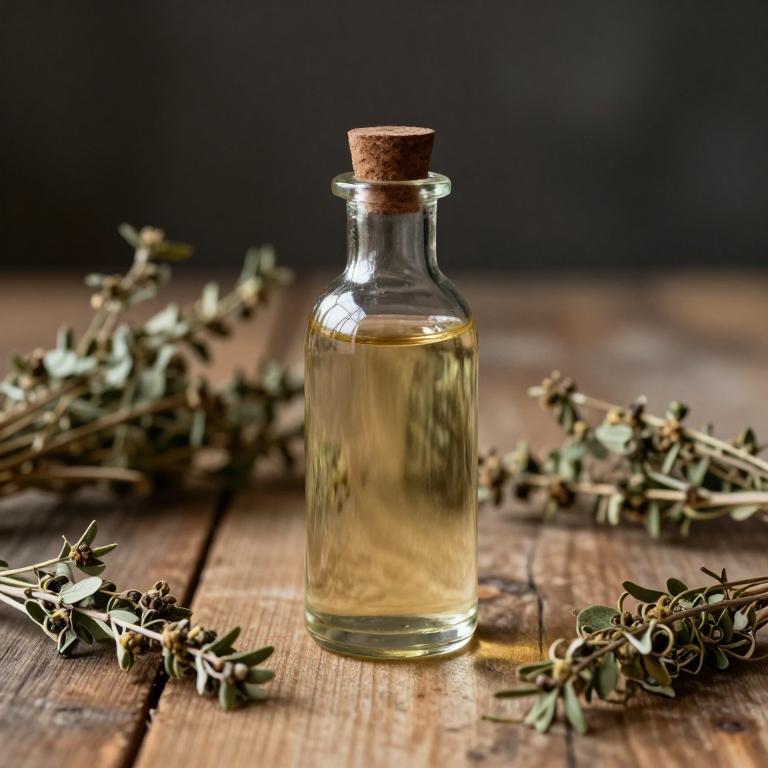
Salvia officinalis, commonly known as sage, is often used in herbal syrups to alleviate throat irritation due to its anti-inflammatory and antimicrobial properties.
These syrups typically combine sage with other soothing herbs like licorice root or marshmallow root to enhance their effectiveness in reducing soreness and inflammation. The expectorant and demulcent qualities of sage help to coat and protect the throat lining, providing relief from coughing and discomfort. Additionally, the aromatic compounds in sage may help to clear nasal passages and ease breathing, making it beneficial for those with respiratory symptoms.
When used as a natural remedy, salvia officinalis herbal syrups offer a gentle and traditional approach to managing mild throat irritation.
4. Thyme (Thymus vulgaris)

Thymus vulgaris, commonly known as thyme, is a popular herb used in the formulation of herbal syrups to alleviate throat irritation.
These syrups are valued for their potent antiseptic and anti-inflammatory properties, which help reduce swelling and soothe sore throats. The essential oils in thyme, particularly thymol, contribute to its effectiveness in fighting bacterial infections and easing discomfort. Thymus vulgaris herbal syrups are often preferred for their natural composition, making them a safe option for both adults and children.
Regular use of these syrups can provide relief from symptoms associated with colds, flu, and other respiratory conditions.
5. Fennel (Foeniculum vulgare)
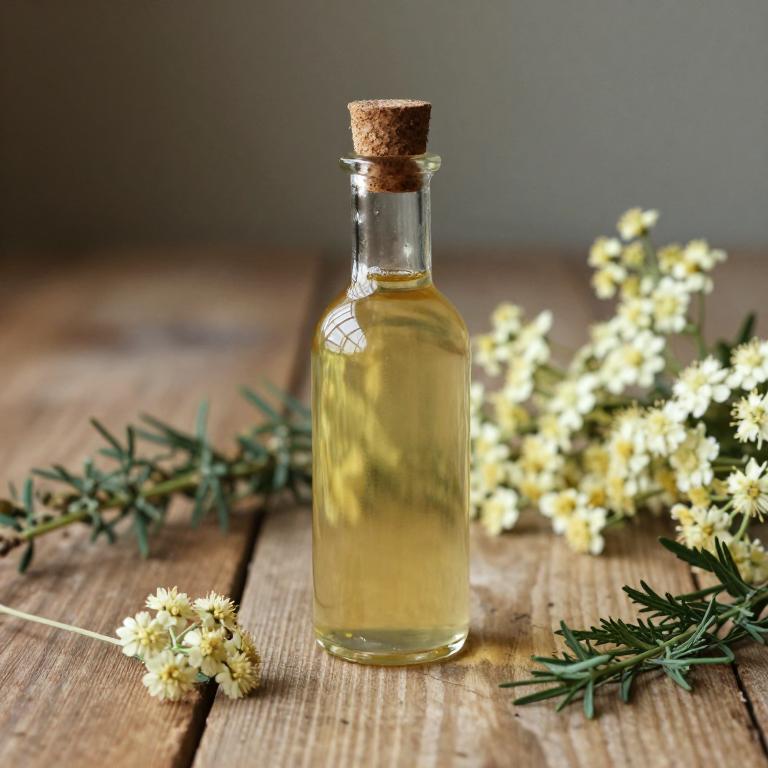
Foeniculum vulgare, commonly known as fennel, has been traditionally used in herbal syrups to alleviate throat irritation due to its antiseptic and anti-inflammatory properties.
The essential oils in fennel, particularly anethol, help reduce inflammation and soothe sore throats by easing mucus production and calming irritated tissues. Herbal syrups made from fennel are often used to relieve symptoms of coughs, soreness, and minor infections in the throat. These syrups are typically prepared by combining dried fennel seeds with honey or other natural sweeteners to enhance flavor and potency.
While generally safe, they should be used with caution in children and individuals with allergies to related plants.
6. Peppermint (Mentha piperita)
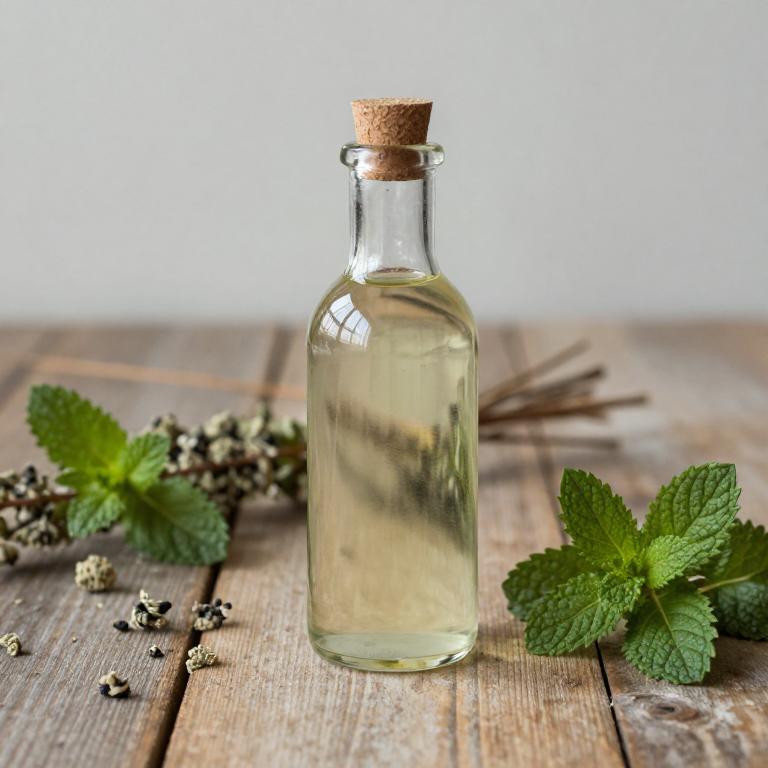
Mentha piperita, commonly known as peppermint, is widely used in herbal syrups to alleviate throat irritation due to its soothing and anti-inflammatory properties.
These syrups often combine peppermint oil with honey or glycerin to create a pleasant and effective remedy for sore throats and coughs. The menthol in peppermint helps to reduce inflammation and ease the sensation of irritation by numbing the throat lining. Additionally, the cooling effect of peppermint can help soothe the mucous membranes and promote easier breathing.
Peppermint herbal syrups are generally considered safe for adults and children, though they should be used according to recommended dosages to avoid potential side effects.
7. Echinacea (Echinacea purpurea)
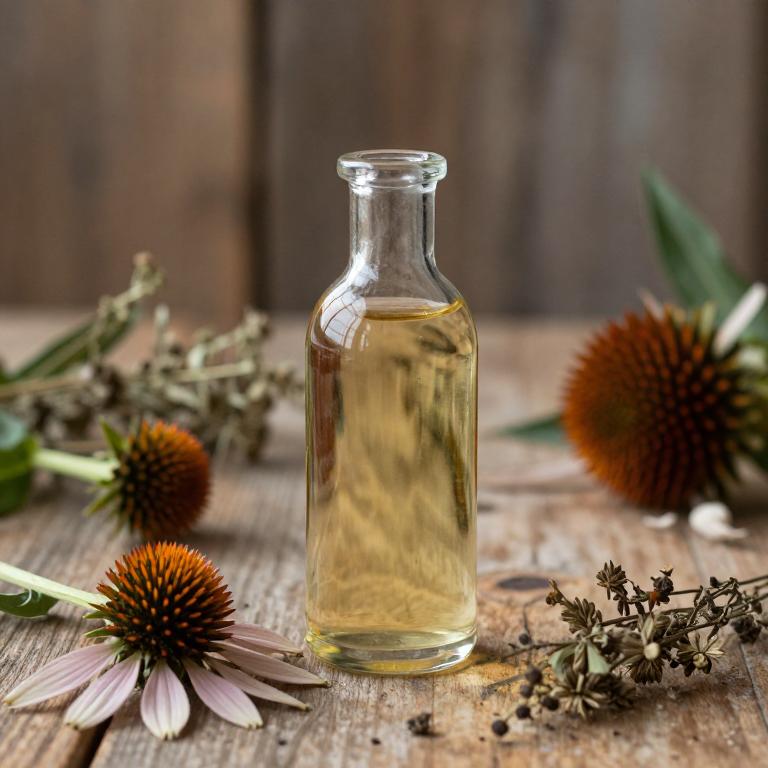
Echinacea purpurea, commonly known as purple coneflower, is a popular herbal remedy used to support immune function and alleviate symptoms of throat irritation.
Herbal syrups made from Echinacea purpurea are often formulated with other soothing ingredients like honey or ginger to enhance their effectiveness. These syrups are typically used to reduce inflammation, soothe sore throats, and ease coughing associated with colds or seasonal allergies. They are generally considered safe for adults and children when used as directed, though they may not be recommended for individuals with allergies to plants in the daisy family.
While scientific evidence on their efficacy varies, many people find relief from throat discomfort using Echinacea-based syrups as a natural alternative to conventional treatments.
8. Stinging nettle (Urtica dioica)
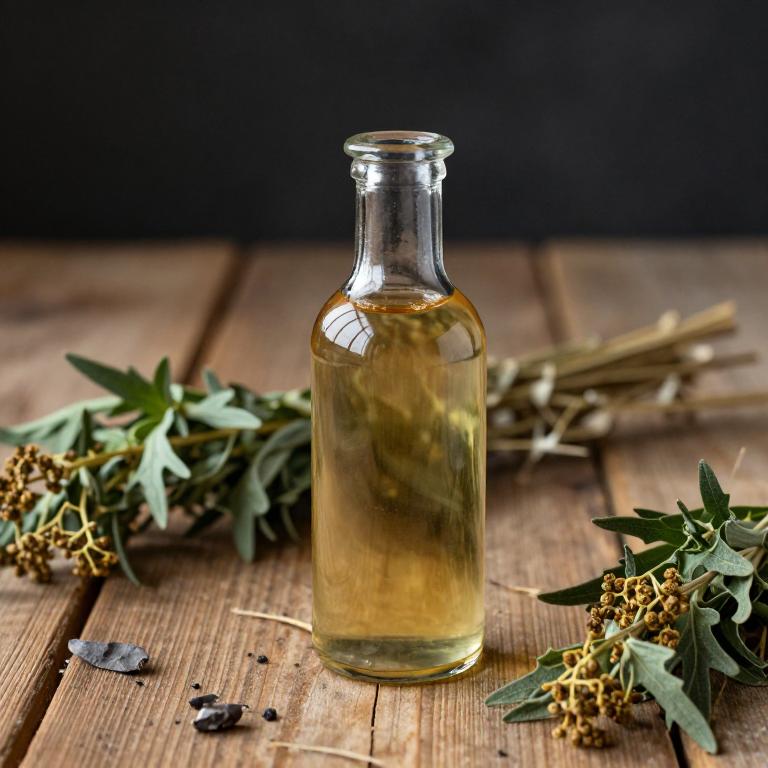
Urtica dioica, commonly known as stinging nettle, has been traditionally used for its anti-inflammatory and soothing properties, making it a popular ingredient in herbal syrups for throat irritation.
These syrups are often formulated to provide relief from symptoms such as sore throat, coughing, and inflammation in the throat lining. The active compounds in Urtica dioica, including flavonoids and polysaccharides, help reduce swelling and promote healing in the respiratory tract. When used as a syrup, the plant's extract is easily absorbed and can offer a natural alternative to conventional throat lozenges or medications.
However, it is important to consult with a healthcare professional before using Urtica dioica syrups, especially for individuals with allergies or those taking other medications.
9. Rosemary (Rosmarinus officinalis)
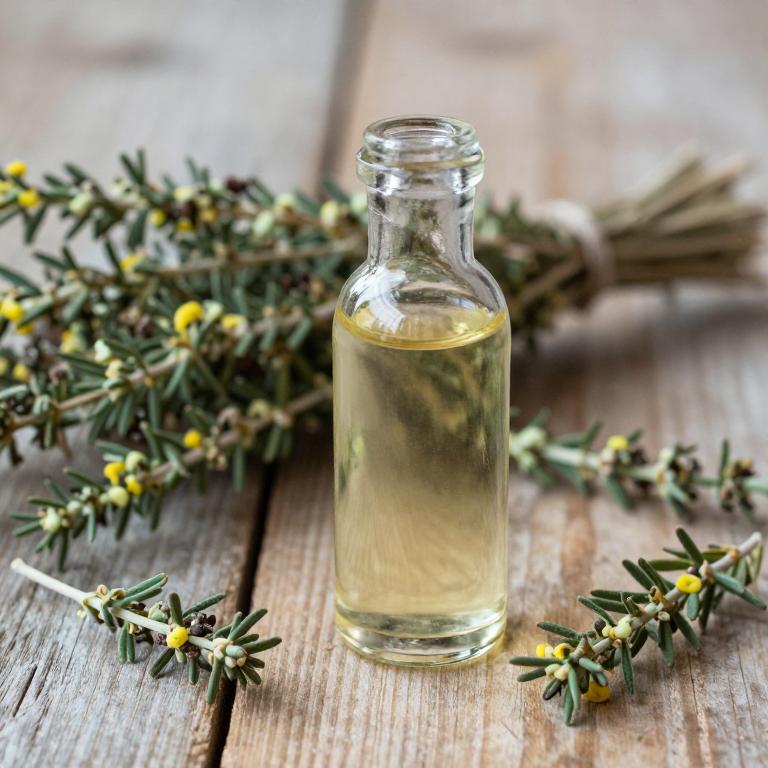
Rosmarinus officinalis, commonly known as rosemary, is often used in herbal syrups to alleviate throat irritation due to its anti-inflammatory and antimicrobial properties.
These syrups typically combine rosemary with other soothing herbs like licorice root or thyme to enhance their therapeutic effects. The essential oils in rosemary, such as camphor and pinene, help to reduce swelling and ease discomfort in the throat. Herbal syrups made from rosemary are particularly beneficial for those seeking natural remedies for sore throats or coughs.
However, they should be used with caution, especially in children or individuals with allergies to aromatic plants.
10. Black pepper (Piper nigrum)
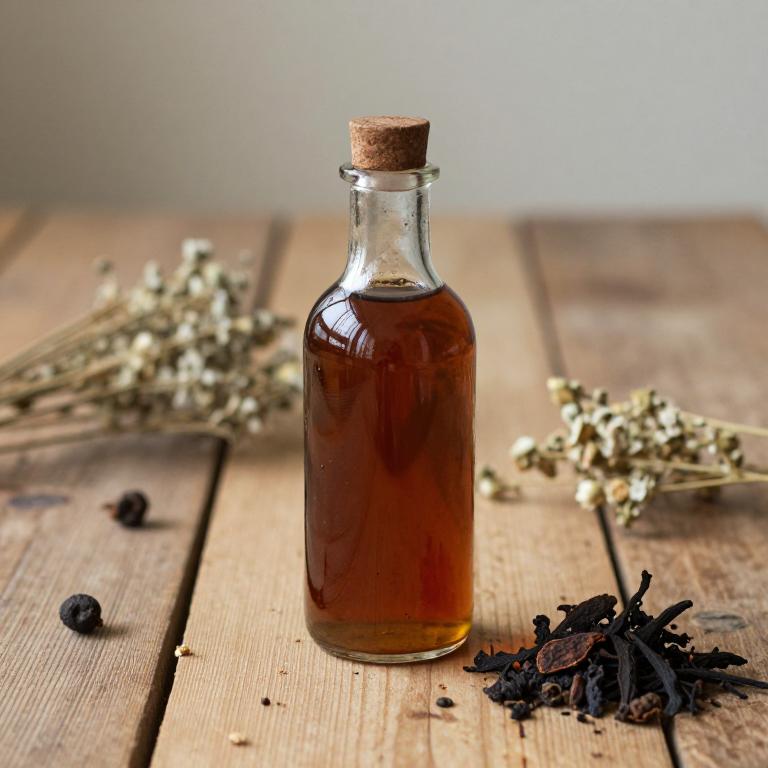
Piper nigrum, commonly known as black pepper, is often used in herbal syrups to alleviate throat irritation due to its anti-inflammatory and antimicrobial properties.
These syrups typically combine black pepper with other soothing ingredients like honey, ginger, or licorice root to enhance their therapeutic effects. The piperine in black pepper may help increase the absorption of other active compounds, making the syrup more effective in reducing soreness and inflammation. Many people find relief from persistent coughs and throat discomfort by using these natural remedies regularly.
However, it is important to consult a healthcare professional before using herbal syrups, especially for prolonged periods or in combination with other medications.