10 Best Herbal Baths For Throat Congestion

Herbal baths can be a soothing and effective remedy for throat congestion by promoting relaxation and improving respiratory function.
Certain herbs such as eucalyptus, peppermint, and thyme are commonly used in herbal baths due to their decongestant and anti-inflammatory properties. These herbs release aromatic compounds into the steam, which can help open up airways and reduce inflammation in the throat. Taking a warm herbal bath can also help ease coughing and soothe irritated tissues, offering natural relief without the use of harsh medications.
For best results, it is recommended to use fresh or high-quality dried herbs and to ensure the bath is comfortably warm to maximize the therapeutic effects.
Table of Contents
- 1. Eucalyptus (Eucalyptus globulus)
- 2. Peppermint (Mentha piperita)
- 3. Salvia (Salvia officinalis)
- 4. Rosemary (Rosmarinus officinalis)
- 5. Thyme (Thymus vulgaris)
- 6. Ginger (Zingiber officinale)
- 7. Ceylon cinnamon (Cinnamomum verum)
- 8. Stinging nettle (Urtica dioica)
- 9. Wormwood (Artemisia vulgaris)
- 10. Black elderberry (Sambucus nigra)
1. Eucalyptus (Eucalyptus globulus)
Eucalyptus globulus, commonly known as the blue gum eucalyptus, is widely used in herbal baths to alleviate throat congestion due to its potent essential oils that have decongestant and antiseptic properties.
When added to warm water, the steam from the bath helps to open up the airways and ease breathing, while the aromatic compounds penetrate the skin and enter the respiratory system. The cooling and soothing effect of eucalyptus oil can reduce inflammation in the throat and provide relief from coughing and irritation. Herbal baths with eucalyptus globulus are a natural, non-invasive option for those seeking relief from mild respiratory discomfort.
However, it is important to use the oil sparingly and dilute it properly to avoid skin irritation.
2. Peppermint (Mentha piperita)
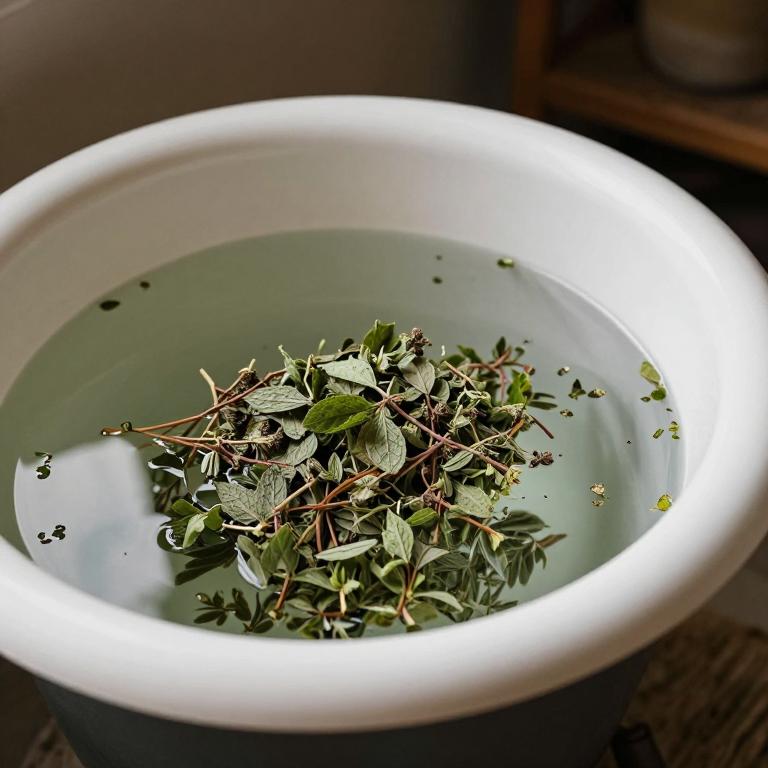
Mentha piperita, commonly known as peppermint, is often used in herbal baths to help alleviate throat congestion due to its cooling and decongestant properties.
When infused into bath water, the essential oils from peppermint leaves release a soothing aroma that can help open up the airways and ease breathing. The steam from the warm bath can further enhance the absorption of peppermint compounds, providing a calming effect on the respiratory system. This traditional remedy is particularly beneficial for those suffering from mild colds or sore throats, offering natural relief without the use of harsh chemicals.
However, it is important to ensure the water temperature is comfortable to avoid irritation, and individuals with sensitive skin or allergies should consult a healthcare provider before use.
3. Salvia (Salvia officinalis)
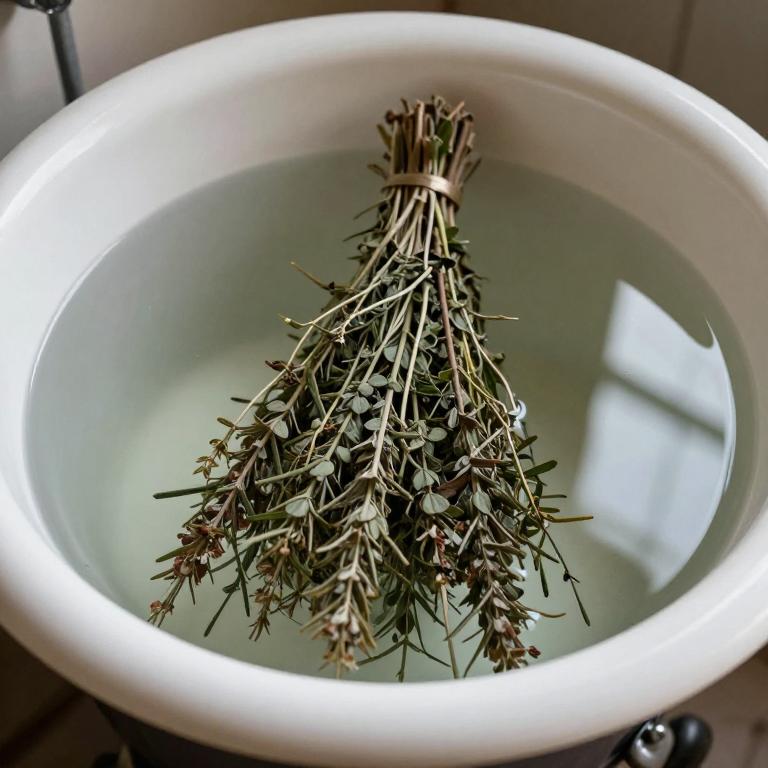
Salvia officinalis, commonly known as sage, has been traditionally used in herbal baths to help alleviate throat congestion due to its antimicrobial and anti-inflammatory properties.
When infused into bath water, sage can create a soothing environment that may help reduce mucus buildup and ease breathing. The aromatic compounds in sage leaves are believed to have a calming effect on the respiratory system, promoting relaxation and easing symptoms of throat irritation. Herbal baths with sage can also help moisturize the airways and reduce inflammation, supporting overall respiratory comfort.
While not a substitute for medical treatment, incorporating sage into a warm bath may serve as a complementary remedy for mild throat congestion.
4. Rosemary (Rosmarinus officinalis)

Rosmarinus officinalis, commonly known as rosemary, has been traditionally used in herbal baths to alleviate throat congestion due to its aromatic and anti-inflammatory properties.
When infused into bath water, rosemary essential oil can help open up the airways and reduce inflammation in the throat, providing relief from symptoms such as coughing and soreness. The warm water of the bath promotes relaxation and enhances the absorption of rosemary's beneficial compounds through the skin. This natural remedy is particularly effective for individuals seeking a gentle, non-invasive approach to managing respiratory discomfort.
Regular use of rosemary herbal baths may also support overall respiratory health and ease the body's natural healing process.
5. Thyme (Thymus vulgaris)

Thymus vulgaris, commonly known as thyme, is often used in herbal baths to alleviate symptoms of throat congestion due to its potent antiseptic and anti-inflammatory properties.
When added to warm water, thyme essential oil or dried thyme leaves can help soothe irritated throats and ease breathing by promoting relaxation of the respiratory passages. The aromatic compounds in thyme, such as thymol, may help reduce mucus buildup and combat respiratory infections when used in bath form. However, it is important to dilute thyme essential oil properly to avoid skin irritation, as it is highly concentrated.
While herbal baths can provide symptomatic relief, they should not replace professional medical advice for persistent or severe throat congestion.
6. Ginger (Zingiber officinale)
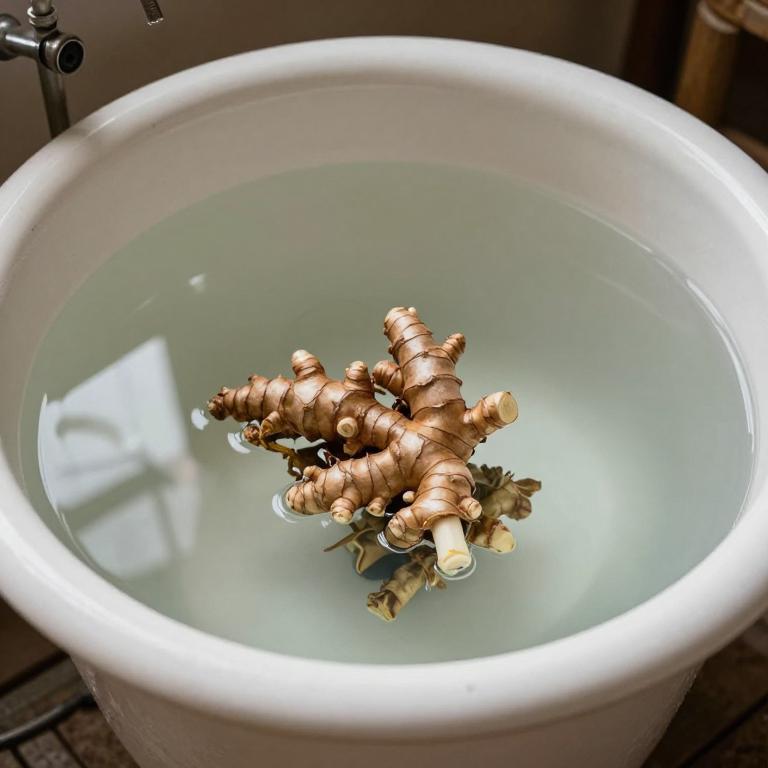
Zingiber officinale, commonly known as ginger, has been traditionally used in herbal baths to alleviate throat congestion due to its anti-inflammatory and warming properties.
When infused into bath water, ginger can help soothe irritated throat tissues and ease breathing by promoting circulation and reducing mucus buildup. The aromatic compounds in ginger also have a calming effect, which can help relieve stress-related throat discomfort. A ginger herbal bath is particularly beneficial for individuals suffering from colds, sore throats, or bronchial congestion.
Incorporating zingiber officinale into a warm bath can provide a holistic approach to respiratory relief and overall wellness.
7. Ceylon cinnamon (Cinnamomum verum)

Cinnamomum verum, commonly known as true cinnamon, has been traditionally used in herbal baths to alleviate throat congestion due to its warming and anti-inflammatory properties.
When added to warm water, the essential oils in cinnamon can help open up the airways and reduce mucus buildup in the throat. The aromatic steam from the bath may also provide soothing relief by stimulating the respiratory system and easing breathing. This natural remedy is particularly beneficial for those suffering from colds, sore throats, or respiratory infections.
While it is generally safe, it is advisable to consult a healthcare professional before using cinnamon baths, especially for individuals with sensitive skin or existing medical conditions.
8. Stinging nettle (Urtica dioica)
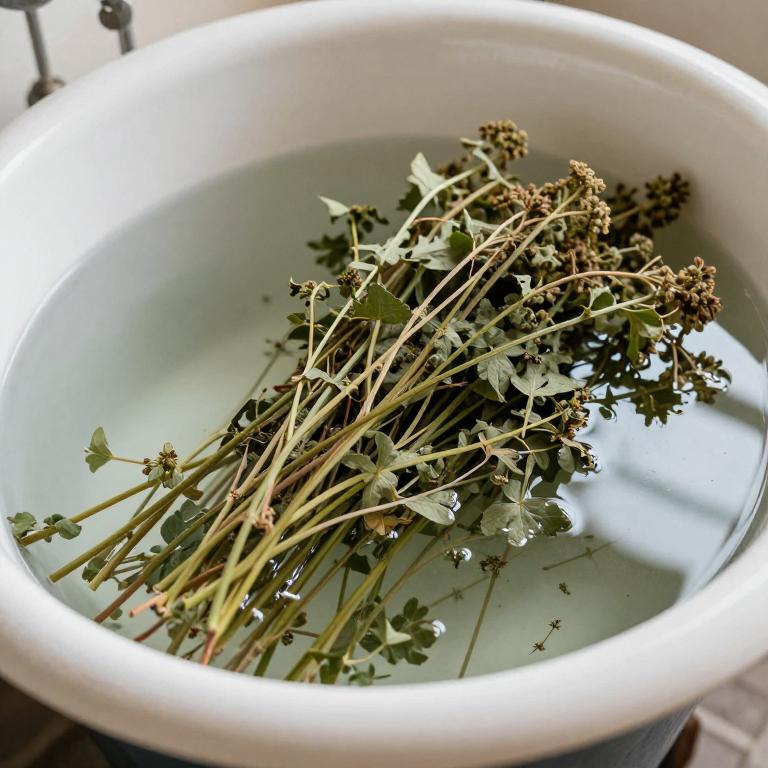
Urtica dioica, commonly known as stinging nettle, has been traditionally used in herbal baths to alleviate throat congestion due to its anti-inflammatory and expectorant properties.
When infused into warm water, the bath helps soothe irritated throat tissues and reduce swelling, making it beneficial for individuals suffering from colds, sore throats, or respiratory infections. The compounds in stinging nettle, such as flavonoids and minerals, may help loosen mucus and improve breathing by easing congestion in the upper respiratory tract. This natural remedy is often recommended as a complementary therapy to support respiratory health and provide relief without the side effects of conventional medications.
However, it is important to consult a healthcare professional before using stinging nettle baths, especially for those with allergies or existing medical conditions.
9. Wormwood (Artemisia vulgaris)

Artemisia vulgaris, commonly known as mugwort, has been traditionally used in herbal baths to alleviate throat congestion due to its expectorant and anti-inflammatory properties.
When infused into bath water, the aromatic compounds from the herb can help soothe irritated throat tissues and ease breathing by promoting mucus drainage. The warmth of the bath enhances the absorption of the herb's active components, providing a calming and therapeutic effect on the respiratory system. This traditional remedy is often recommended for individuals suffering from colds, bronchitis, or seasonal allergies that cause persistent throat discomfort.
While it can be a complementary therapy, it is advisable to consult a healthcare professional before using herbal baths, especially for those with underlying health conditions.
10. Black elderberry (Sambucus nigra)

Sambucus nigra, also known as elderberry, is often used in herbal baths to help alleviate throat congestion due to its anti-inflammatory and antiviral properties.
When infused into bath water, the steam from the warm water can help open up the airways and ease respiratory discomfort. The aromatic compounds in elderberry may also provide a soothing effect on the throat and reduce irritation. These baths are particularly beneficial for individuals suffering from colds, sore throats, or mild respiratory infections.
However, it is important to use properly prepared elderberry extracts to avoid potential toxicity, especially when using it in baths or internally.