10 Best Herbal Essential Oils For Swollen Feet

Herbal essential oils, such as lavender, peppermint, and eucalyptus, are commonly used to alleviate the discomfort of swollen feet due to their anti-inflammatory and circulatory benefits.
These oils can be diluted with a carrier oil and applied topically to the affected area to reduce inflammation and promote relaxation. Peppermint oil, in particular, helps improve blood flow and can provide a cooling sensation that soothes pain and swelling. Lavender oil is known for its calming properties and can aid in reducing puffiness and promoting skin healing.
When used consistently and properly, these essential oils can be a natural and effective complement to other treatments for swollen feet.
Table of Contents
- 1. Blessed thistle (Cnicus benedictus)
- 2. English lavender (Lavandula angustifolia)
- 3. Dog rose (Rosa canina)
- 4. Stinging nettle (Urtica dioica)
- 5. Chaste tree (Vitex agnus-castus)
- 6. Yarrow (Achillea millefolium)
- 7. Field horsetail (Equisetum arvense)
- 8. St. john's wort (Hypericum perforatum)
- 9. Turmeric (Curcuma longa)
- 10. Salvia (Salvia officinalis)
1. Blessed thistle (Cnicus benedictus)
Cnicus benedictus, also known as blessed weed, contains essential oils that have been traditionally used to alleviate symptoms of swollen feet.
The essential oils derived from this plant are believed to possess anti-inflammatory and circulatory stimulating properties, which may help reduce fluid retention and improve blood flow. When applied topically, these oils can provide a soothing effect on the skin, potentially easing discomfort associated with edema. However, it is important to consult with a healthcare professional before using Cnicus benedictus essential oils, especially for individuals with sensitive skin or underlying health conditions.
Overall, while anecdotal evidence suggests potential benefits, more scientific research is needed to fully understand its efficacy for swollen feet.
2. English lavender (Lavandula angustifolia)
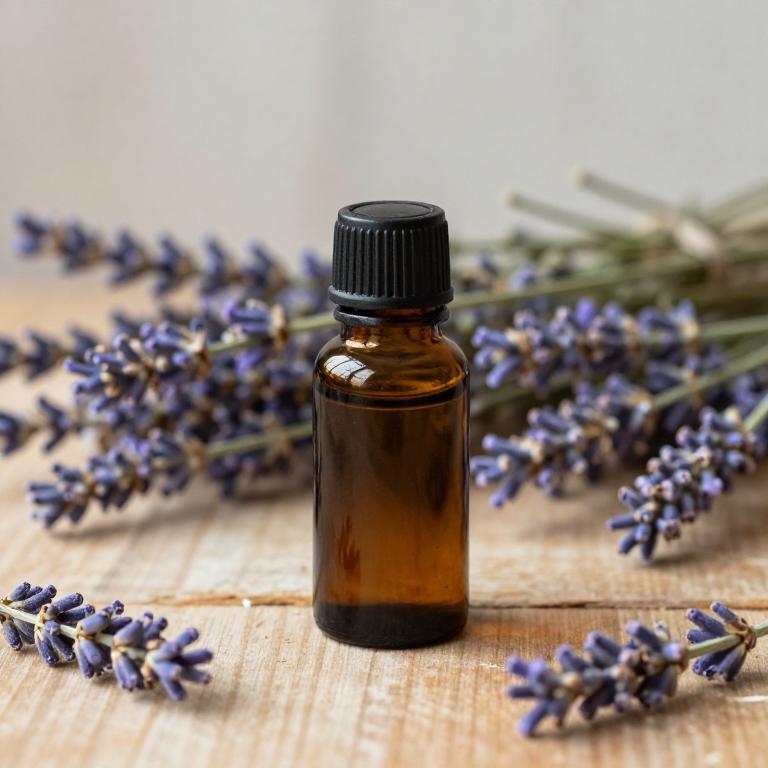
Lavandula angustifolia, commonly known as English lavender, is a popular herbal plant used for its calming and therapeutic essential oil.
The essential oil derived from this plant contains compounds like linalool and linalyl acetate, which are known for their anti-inflammatory and analgesic properties. When applied topically, lavender essential oil can help reduce swelling in the feet by promoting circulation and alleviating discomfort. It is often diluted with a carrier oil before application to prevent skin irritation.
Many people use lavender essential oil as a natural remedy for swollen feet, finding it both soothing and effective in easing symptoms.
3. Dog rose (Rosa canina)

Rosa canina, also known as rosehip, is a popular herbal essential oil known for its potent anti-inflammatory and antioxidant properties, making it beneficial for reducing swelling in the feet.
The oil contains high levels of vitamin C and essential fatty acids, which help to improve circulation and reduce water retention, common causes of swollen feet. When applied topically, Rosa canina essential oil can soothe pain and inflammation, providing relief for conditions like plantar fasciitis or edema. It is often diluted with a carrier oil before use to prevent skin irritation and ensure safe application.
Regular use of this essential oil may support long-term foot health and reduce the risk of recurring swelling.
4. Stinging nettle (Urtica dioica)
Urtica dioica, commonly known as stinging nettle, contains essential oils that have been traditionally used for their anti-inflammatory and circulatory benefits.
These essential oils may help reduce swelling in the feet by improving blood circulation and reducing fluid retention. When diluted properly, stinging nettle essential oil can be applied topically to the affected areas for localized relief. However, due to its potency, it is important to use it cautiously and consult a healthcare professional before use.
Overall, urtica dioica essential oils offer a natural alternative for managing swollen feet, though they should be part of a broader approach to health and wellness.
5. Chaste tree (Vitex agnus-castus)

Vitex agnus-castus, commonly known as chasteberry, is a traditional herbal remedy that has been used for centuries to support hormonal balance and alleviate various health concerns.
While it is most commonly associated with menstrual and reproductive health, its essential oil form may offer additional benefits, including potential anti-inflammatory properties that could help reduce swelling in the feet. When used in aromatherapy or diluted topical applications, vitex essential oil may promote circulation and reduce fluid retention, which can be beneficial for individuals experiencing swollen feet due to hormonal fluctuations or water retention. However, it is important to consult with a healthcare professional before using vitex essential oil, especially for those with existing medical conditions or who are pregnant.
As with any essential oil, proper dilution and safe usage are essential to avoid skin irritation or adverse reactions.
6. Yarrow (Achillea millefolium)
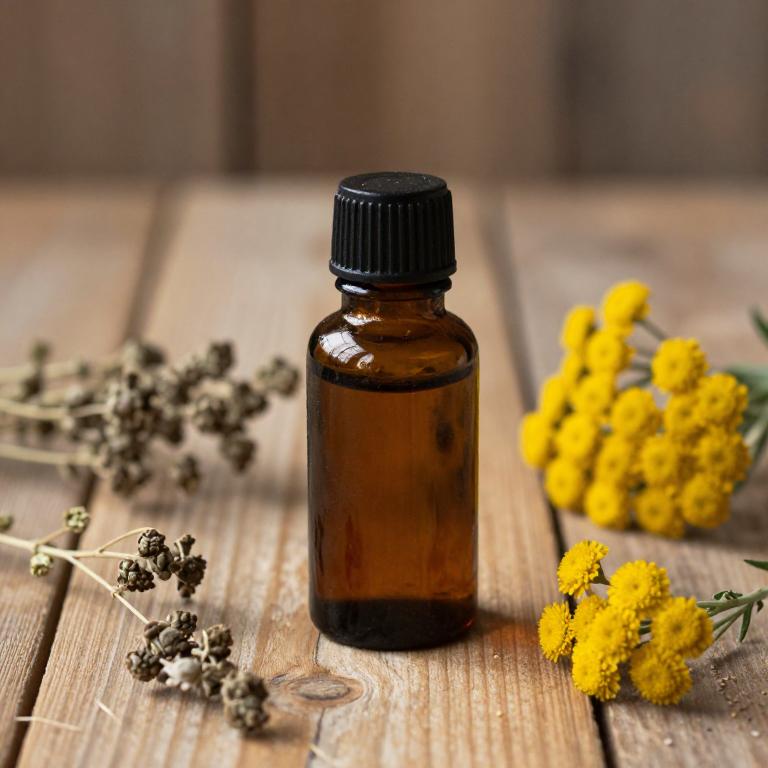
Achillea millefolium, commonly known as yarrow, contains essential oils that have been traditionally used for their anti-inflammatory and circulatory benefits.
These essential oils may help reduce swelling in the feet by improving blood flow and reducing fluid retention. The primary compounds in yarrow essential oil, such as chamazulene and bisabolol, possess properties that can soothe inflammation and promote healing. When used topically, diluted yarrow essential oil can provide relief for swollen feet caused by conditions like edema or minor injuries.
However, it is important to consult with a healthcare professional before using essential oils, especially for individuals with sensitive skin or existing medical conditions.
7. Field horsetail (Equisetum arvense)
Equisetum arvense, commonly known as horsetail, contains herbal essential oils that are rich in silica and other minerals, which may support the health of connective tissues and reduce inflammation.
These oils are often used in aromatherapy and topical applications to alleviate symptoms associated with swollen feet, such as puffiness and discomfort. The anti-inflammatory and astringent properties of horsetail essential oils may help improve circulation and reduce fluid retention in the lower extremities. However, it is important to dilute the essential oils properly before applying them to the skin to avoid irritation.
While some natural remedies suggest using horsetail oils for swollen feet, it is advisable to consult with a healthcare professional before using them as part of a treatment plan.
8. St. john's wort (Hypericum perforatum)

Hypericum perforatum, commonly known as St. John's Wort, is a herb that has been traditionally used for its anti-inflammatory and analgesic properties.
While it is best known for its use in treating mild depression, its essential oils may also offer benefits for conditions like swollen feet by reducing inflammation and improving circulation. The essential oil of Hypericum perforatum contains compounds such as hypericin and flavonoids, which have been shown to have a soothing effect on the skin and reduce redness and swelling. When applied topically, it may help alleviate the discomfort associated with swollen feet, though it should be used with caution to avoid photosensitivity.
As with any herbal remedy, it is advisable to consult a healthcare professional before using Hypericum perforatum essential oil, especially if you are on medication or have sensitive skin.
9. Turmeric (Curcuma longa)

Curcuma longa, commonly known as turmeric, contains curcumin, a compound with potent anti-inflammatory and antioxidant properties.
Essential oils derived from Curcuma longa may help reduce swelling in the feet by inhibiting inflammatory pathways and improving circulation. When used topically, these oils can provide localized relief from symptoms associated with swollen feet, such as discomfort and puffiness. However, it is important to dilute the essential oil with a carrier oil to prevent skin irritation.
While curcuma longa essential oils show promise in managing foot swelling, they should not replace professional medical advice, especially for chronic or severe cases.
10. Salvia (Salvia officinalis)
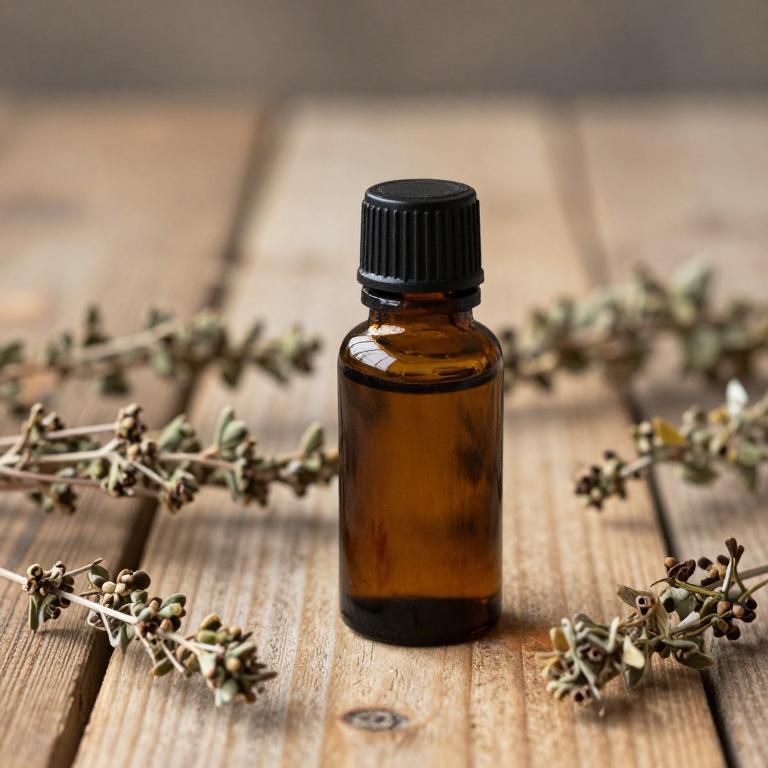
Salvia officinalis, commonly known as sage, contains essential oils that have been traditionally used for their anti-inflammatory and circulatory benefits.
These oils, particularly those rich in compounds like thujone and cineole, may help reduce swelling in the feet by improving blood flow and reducing inflammation. When applied topically, sage essential oil can provide a cooling effect that soothes discomfort associated with swollen feet. However, it is important to dilute the oil with a carrier oil to avoid skin irritation.
While some anecdotal evidence supports its use, it is advisable to consult a healthcare professional before using sage essential oils for persistent or severe swelling.