10 Best Herbal Creams For Sunburn
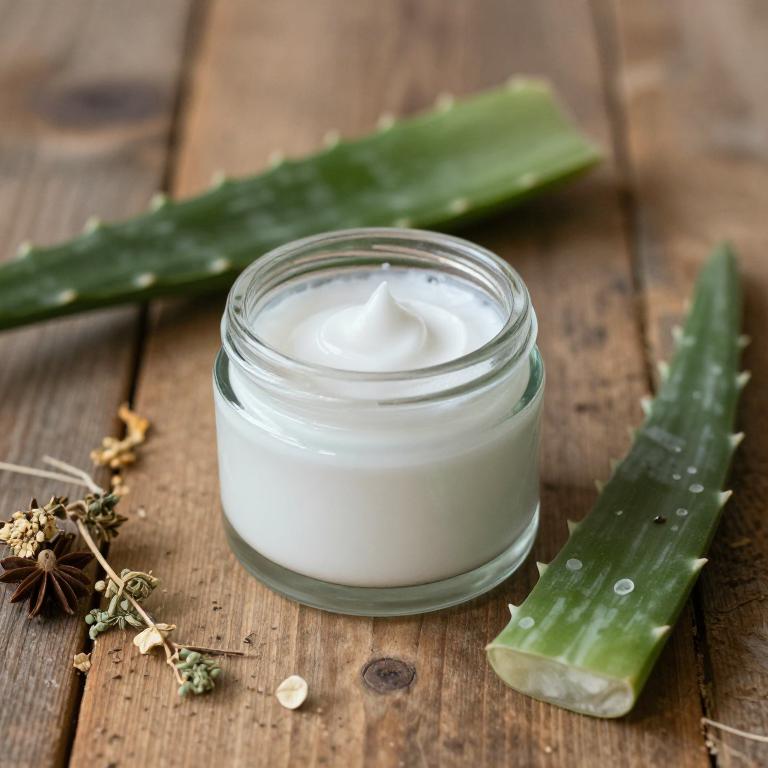
Herbal creams for sunburn are natural remedies that often contain soothing ingredients like aloe vera, chamomile, and calendula, which help to reduce inflammation and promote skin healing.
These creams are typically free from harsh chemicals, making them a safer option for sensitive skin. They can provide immediate relief from the pain and redness associated with sunburn by cooling the skin and replenishing lost moisture. Many herbal formulations also include antioxidants that may aid in the skin's recovery process.
While they may not replace medical treatments for severe burns, they can be a valuable addition to a sunburn care routine.
Table of Contents
- 1. Aloe vera (Aloe barbadensis)
- 2. Marigold (Calendula officinalis)
- 3. St. john's wort (Hypericum perforatum)
- 4. Chamomile (Matricaria chamomilla)
- 5. Dog rose (Rosa canina)
- 6. Echinacea (Echinacea purpurea)
- 7. English lavender (Lavandula angustifolia)
- 8. Ginger (Zingiber officinale)
- 9. Centella (Centella asiatica)
- 10. Common grape (Vitis vinifera)
1. Aloe vera (Aloe barbadensis)
Aloe barbadensis, commonly known as aloe vera, is widely recognized for its soothing and healing properties, making it a popular ingredient in herbal creams designed to treat sunburn.
These creams often contain aloe vera gel, which helps to cool the skin, reduce inflammation, and promote faster healing by providing essential nutrients and moisture. The natural anti-inflammatory and antioxidant compounds in aloe vera can alleviate the pain and redness associated with sunburn, offering relief without the use of harsh chemicals. Many sunburn relief creams also combine aloe vera with other natural ingredients like chamomile or calendula to enhance their soothing effects.
Overall, aloe barbadensis-based herbal creams are a gentle and effective option for those seeking natural remedies for sunburn relief.
2. Marigold (Calendula officinalis)
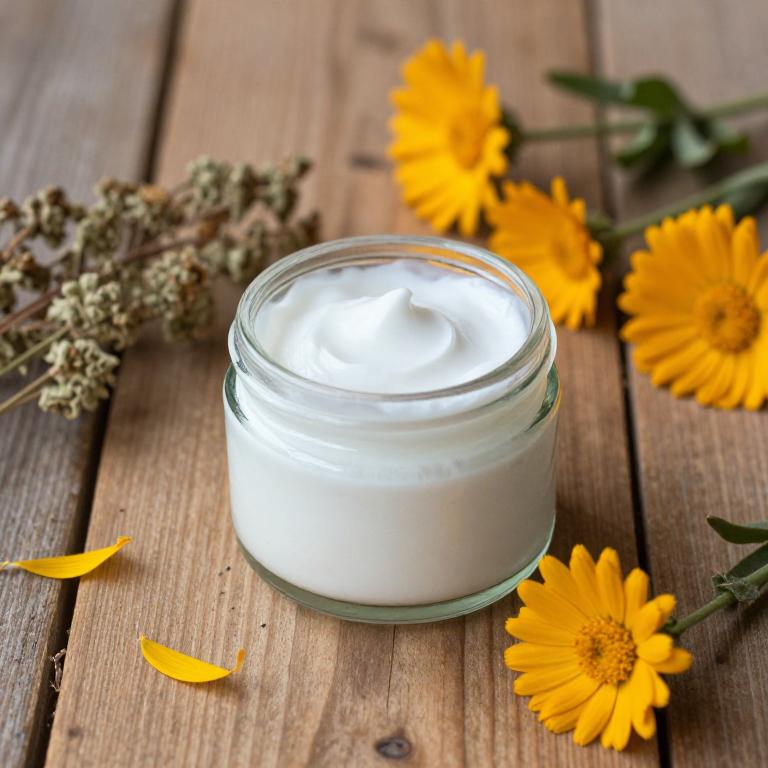
Calendula officinalis, commonly known as pot marigold, is a herbal ingredient widely used in the formulation of natural creams for the treatment of sunburn.
These creams often contain calendula extract, which is renowned for its anti-inflammatory, antiseptic, and soothing properties. The anti-inflammatory effects of calendula help reduce redness and irritation caused by sun exposure, while its antiseptic qualities promote healing and prevent infection. Additionally, calendula is believed to have antioxidant properties that may help protect the skin from further UV damage.
As a result, calendula officinalis herbal creams are a popular choice for those seeking a natural, gentle remedy for sunburn relief and skin recovery.
3. St. john's wort (Hypericum perforatum)
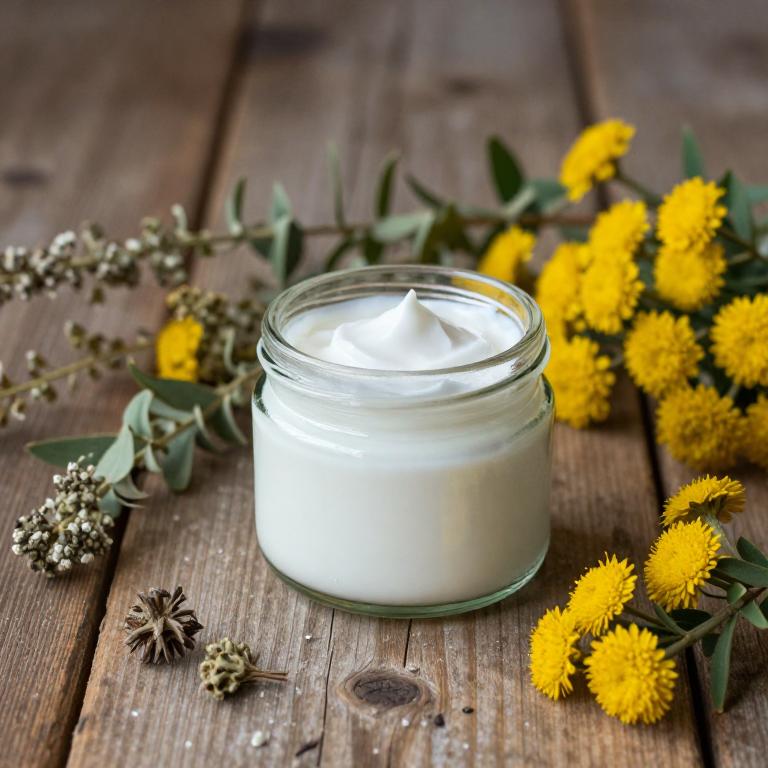
Hypericum perforatum, commonly known as St. John's Wort, is a herbal plant often used in the form of creams to alleviate symptoms of sunburn.
These creams are typically infused with the dried flowers of the plant, which contain compounds like hypericin and flavonoids that have anti-inflammatory and antioxidant properties. When applied topically, St. John's Wort cream can help reduce redness, pain, and inflammation associated with sunburn by soothing the affected skin. However, it is important to note that St. John's Wort may interact with certain medications, so consultation with a healthcare provider is recommended before use.
Despite its potential benefits, it should not be used as a substitute for proper sun protection and hydration in the treatment of sunburn.
4. Chamomile (Matricaria chamomilla)
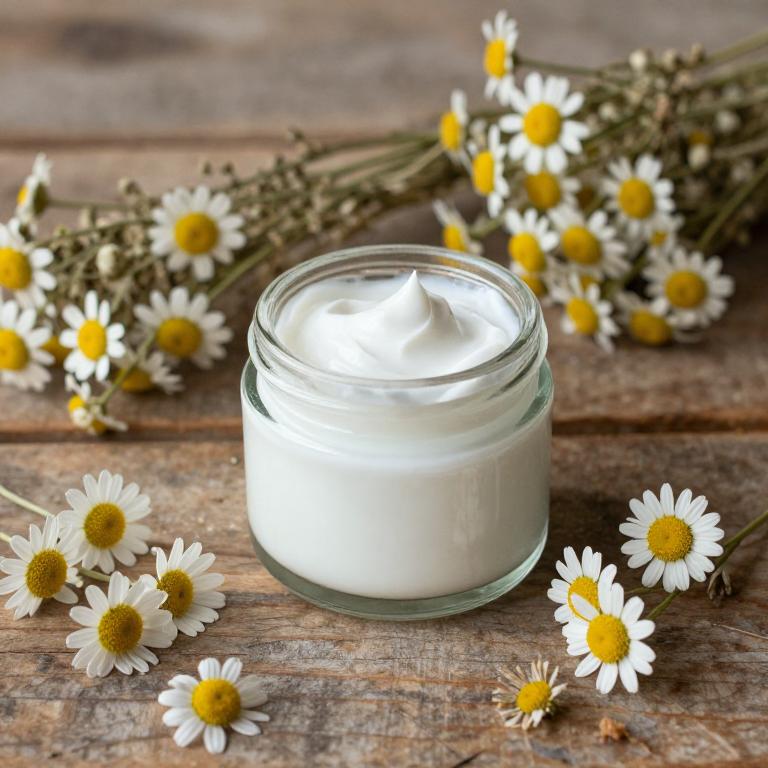
Matricaria chamomilla, commonly known as German chamomile, is a popular herbal ingredient used in the formulation of soothing creams for sunburn relief.
These creams often contain chamomile extract, which is renowned for its anti-inflammatory and antiseptic properties that can help reduce redness, swelling, and irritation caused by sun exposure. The cooling effect of chamomile can provide immediate comfort to sunburned skin, while its mild analgesic properties may help alleviate pain. Additionally, chamomile is generally well-tolerated and suitable for sensitive skin, making it a gentle option for those seeking natural remedies.
When applied topically, chamomile-based creams can promote healing and prevent further damage, supporting the skin’s natural recovery process.
5. Dog rose (Rosa canina)
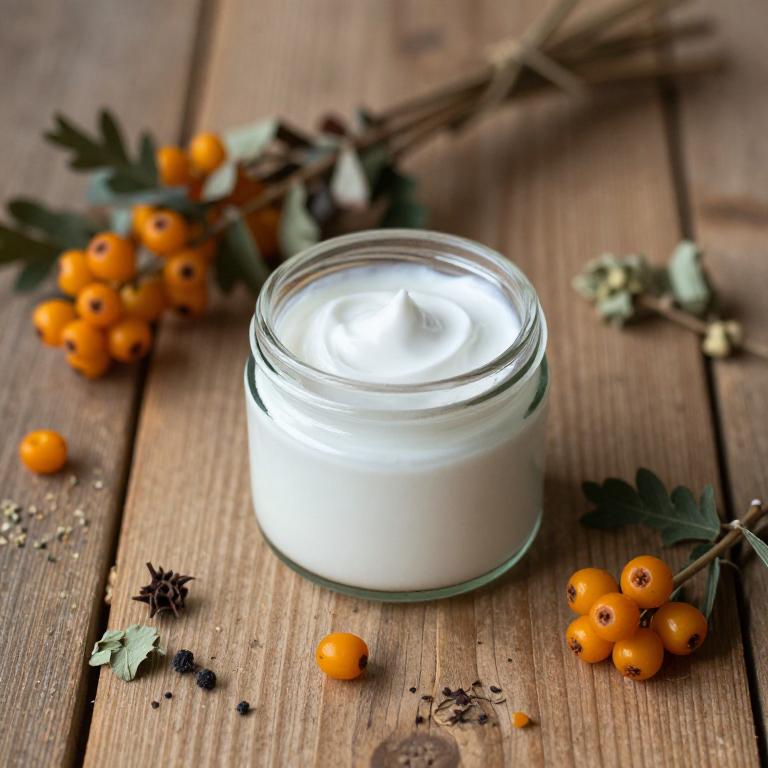
Rosa canina, also known as dog rose, is a natural ingredient commonly used in herbal creams for its soothing and healing properties.
These creams are formulated to provide relief from sunburn by cooling the skin and reducing inflammation. Rosa canina is rich in antioxidants and essential fatty acids, which help to repair damaged skin cells and promote regeneration. The gentle, plant-based formulation makes it suitable for sensitive skin, offering a natural alternative to conventional sunburn treatments.
Regular application of rosa canina herbal cream can help alleviate discomfort and speed up the recovery process after sun exposure.
6. Echinacea (Echinacea purpurea)
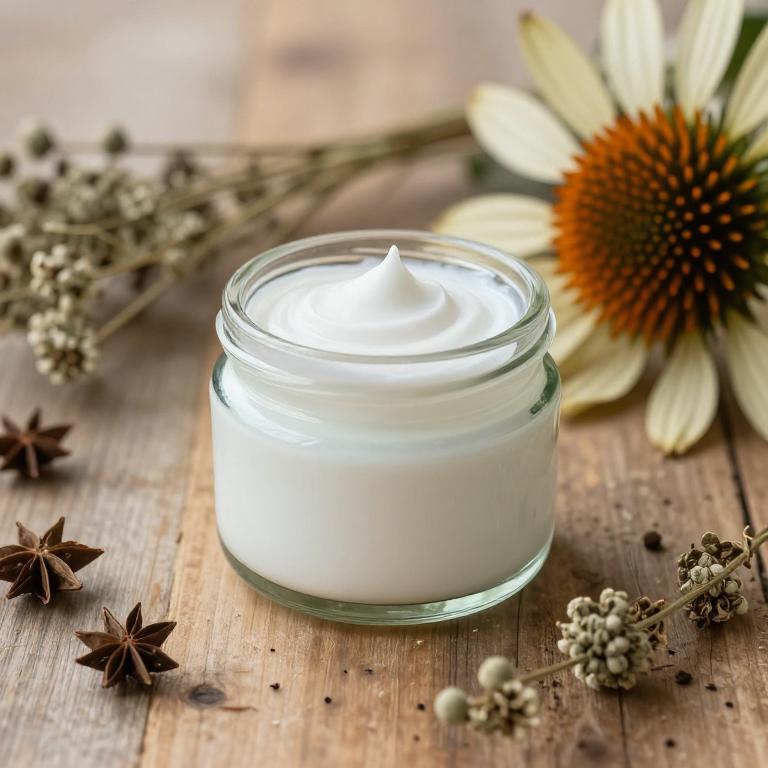
Echinacea purpurea, commonly known as purple coneflower, is a popular herbal remedy often used in the formulation of topical creams for sunburn relief.
These creams typically combine echinacea extract with soothing ingredients like aloe vera and calendula to reduce inflammation and promote skin healing. The anti-inflammatory and antioxidant properties of echinacea may help alleviate redness, pain, and irritation associated with sunburn. While some studies suggest echinacea may support immune function, its effectiveness for sunburn specifically is still under investigation.
It is important to note that echinacea creams should not replace sunscreen and should be used as a complementary treatment for mild sunburn symptoms.
7. English lavender (Lavandula angustifolia)
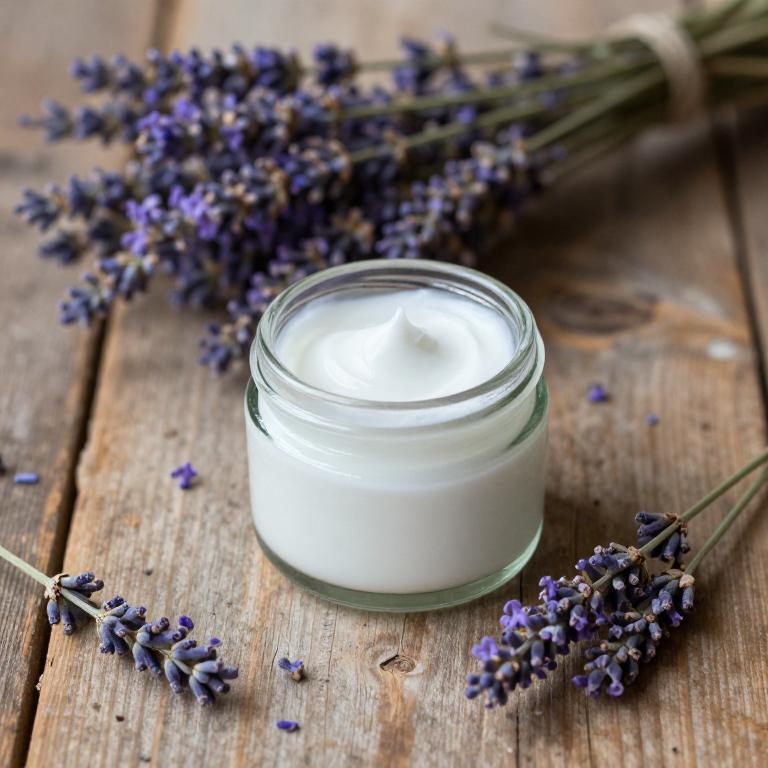
Lavandula angustifolia, commonly known as English lavender, is widely used in herbal creams for its soothing and healing properties.
These creams often contain lavender essential oil or dried lavender flowers, which are known for their anti-inflammatory and antiseptic benefits. When applied to sunburned skin, lavender-based creams can help reduce redness, irritation, and pain by promoting skin regeneration and cooling the affected area. The calming aroma of lavender also provides a therapeutic effect, helping to ease stress and discomfort associated with sunburn.
Overall, lavender herbal creams offer a natural and effective remedy for soothing and healing sunburned skin.
8. Ginger (Zingiber officinale)
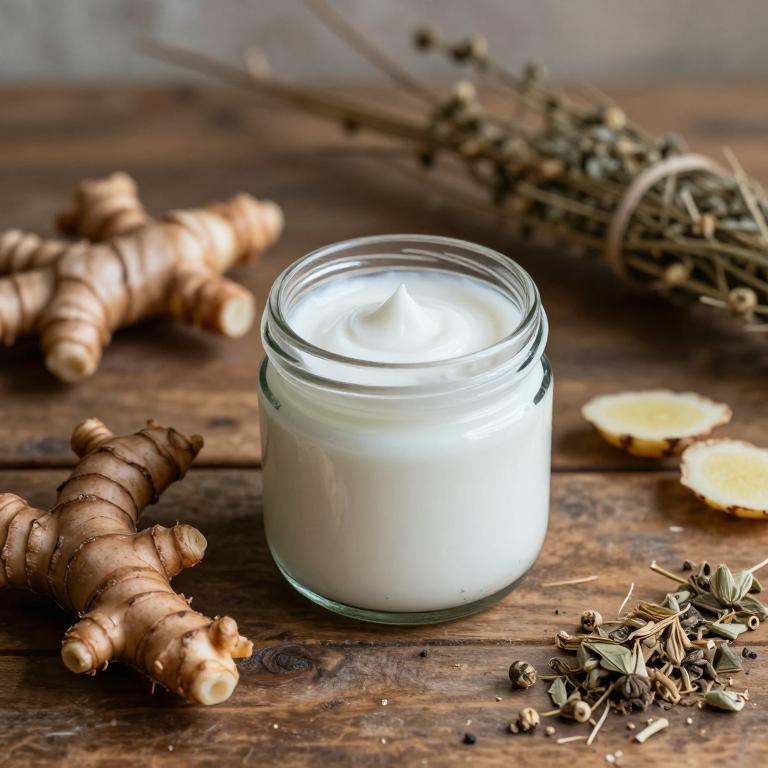
Zingiber officinale, commonly known as ginger, has been traditionally used for its anti-inflammatory and cooling properties, making it a valuable ingredient in herbal creams for sunburn relief.
These creams often combine ginger extract with other soothing agents like aloe vera and chamomile to enhance their healing effects. The active compounds in ginger, such as gingerol and shogaol, help reduce redness, pain, and swelling associated with sunburn. Applying a zingiber officinale herbal cream can provide a natural and effective way to soothe irritated skin and promote faster recovery.
However, it is important to ensure the cream is suitable for sensitive skin and to consult a healthcare professional if severe sunburn symptoms persist.
9. Centella (Centella asiatica)
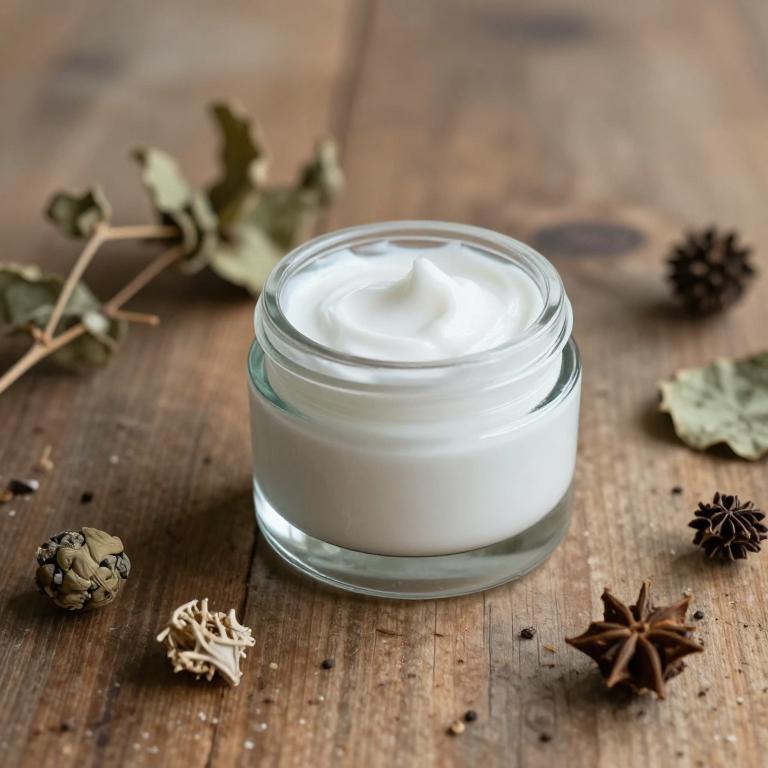
Centella asiatica, also known as gotu kola, is a traditional herb widely used in herbal creams for its soothing and healing properties.
These creams are particularly beneficial for sunburn relief as they contain compounds like asiatic acid and madecassic acid, which help reduce inflammation and promote skin repair. The cooling effect of centella asiatica provides immediate comfort to sunburned skin, while its anti-inflammatory properties help alleviate redness and irritation. Regular application of centella asiatica herbal creams can also aid in preventing long-term skin damage from excessive sun exposure.
Due to its natural and gentle formulation, these creams are suitable for sensitive skin and offer a safe alternative to conventional sunburn treatments.
10. Common grape (Vitis vinifera)
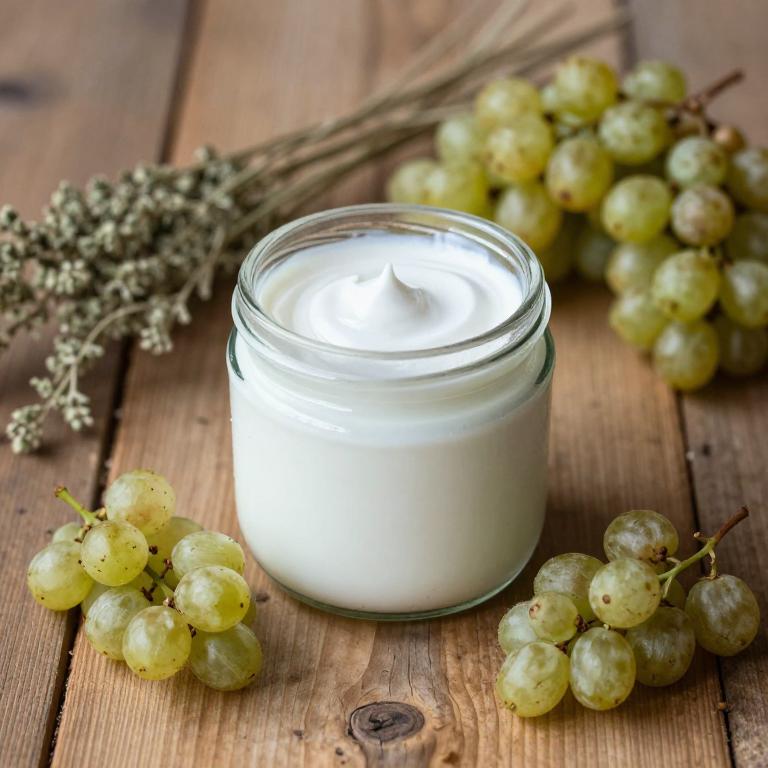
Vitis vinifera, commonly known as the grape vine, is a plant that has been traditionally used in herbal medicine for its healing properties.
Herbal creams containing Vitis vinifera extracts are often formulated to soothe and repair sunburned skin due to their antioxidant and anti-inflammatory benefits. These creams may help reduce redness, inflammation, and pain associated with sunburn by promoting skin cell regeneration. The active compounds in Vitis vinifera, such as resveratrol, are believed to offer protective effects against UV damage.
While these creams can be a natural alternative for sunburn relief, it is still advisable to consult a healthcare professional for severe cases.