10 Best Herbal Lotions For Stye
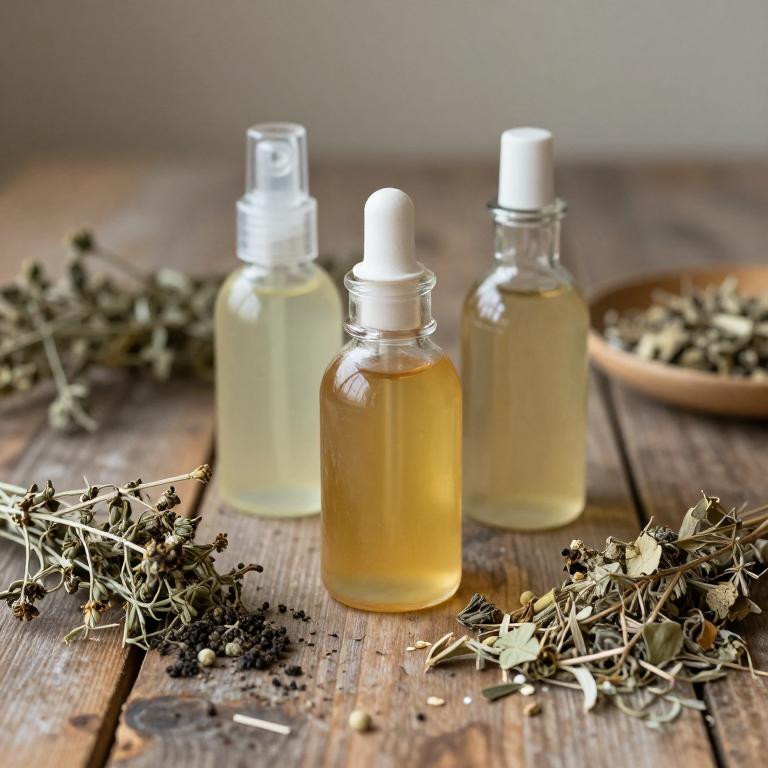
Herbal lotions for stye are natural remedies that can help soothe and reduce inflammation associated with this common eye condition.
These lotions often contain ingredients like chamomile, calendula, and eucalyptus, which are known for their anti-inflammatory and antibacterial properties. Applying a warm herbal compress infused with these ingredients can help drain the stye and promote healing. They are generally safe for most people and can be used as a complementary treatment alongside conventional medical advice.
However, it is important to consult a healthcare professional if the stye persists or worsens, to rule out more serious conditions.
Table of Contents
- 1. German chamomile (Chamomilla recutita)
- 2. St. john's wort (Hypericum perforatum)
- 3. Dog rose (Rosa canina)
- 4. Chamomile (Matricaria chamomilla)
- 5. Echinacea (Echinacea purpurea)
- 6. Stinging nettle (Urtica dioica)
- 7. Aloe vera (Aloe barbadensis)
- 8. English lavender (Lavandula angustifolia)
- 9. Chaste tree (Vitex agnus-castus)
- 10. Marigold (Calendula officinalis)
1. German chamomile (Chamomilla recutita)
Chamomilla recutita, commonly known as German chamomile, is a popular herbal remedy used in the formulation of soothing lotions for treating styes.
These lotions are typically infused with chamomile essential oils and other calming herbs, which help reduce inflammation and redness associated with styes. The anti-inflammatory and antiseptic properties of chamomile make it effective in promoting healing and relieving discomfort in the affected area. Applying a chamomilla recutita herbal lotion gently to the eye can provide a natural, gentle relief without the use of harsh chemicals.
However, it is advisable to consult a healthcare professional before using such remedies, especially if the stye persists or shows signs of infection.
2. St. john's wort (Hypericum perforatum)
Hypericum perforatum, commonly known as St. John's Wort, is often used in herbal lotions for its anti-inflammatory and antimicrobial properties, which may help alleviate symptoms of a stye.
These lotions typically contain extracts of the plant's dried flowers and leaves, which are believed to reduce redness, swelling, and discomfort associated with styes. When applied topically, the active compounds in hypericum perforatum may promote healing by supporting skin regeneration and reducing bacterial infection. However, it is important to consult with a healthcare provider before using St. John's Wort, as it may interact with certain medications.
While some people find relief with these herbal treatments, they should not replace professional medical advice or treatment for persistent or severe styes.
3. Dog rose (Rosa canina)
Rosa canina, also known as rosehip, is a natural ingredient commonly used in herbal lotions for its anti-inflammatory and regenerative properties.
These lotions are often formulated to provide soothing relief for stye, a painful red bump on the eyelid caused by a bacterial infection or blocked oil gland. The high concentration of vitamins A and C in rosehip oil helps to reduce swelling and promote the healing of the affected area. Regular application of rosa canina herbal lotions can help alleviate discomfort and speed up recovery.
Due to their gentle and natural composition, these lotions are considered safe for use around the eyes, making them a popular choice for those seeking alternative treatments for stye.
4. Chamomile (Matricaria chamomilla)
Matricaria chamomilla, commonly known as chamomile, is a popular herb used in the formulation of herbal lotions for treating stye, a bacterial infection of the eyelid.
These lotions often contain chamomile extract, which is known for its anti-inflammatory, antimicrobial, and soothing properties. Applying a chamomile lotion to the affected area can help reduce redness, swelling, and discomfort associated with a stye. The cooling effect of the lotion may also provide relief and promote faster healing.
However, it is important to consult a healthcare professional before using any herbal remedy, especially near the delicate eye area, to ensure safety and effectiveness.
5. Echinacea (Echinacea purpurea)
Echinacea purpurea herbal lotions are natural topical remedies that may help alleviate symptoms of a stye, which is an infection of the eyelid glands.
These lotions often contain echinacea, a plant known for its anti-inflammatory and antimicrobial properties, which can reduce redness, swelling, and discomfort associated with styes. When applied gently to the affected area, the herbal lotion may help soothe irritation and promote healing by supporting the body's immune response. However, it is important to consult a healthcare professional before using any herbal remedy, especially near the sensitive eye area.
While echinacea purpurea lotions may offer some relief, they should not replace proper medical treatment for persistent or severe styes.
6. Stinging nettle (Urtica dioica)
Urtica dioica, commonly known as stinging nettle, has been traditionally used for its anti-inflammatory and healing properties, making it a valuable ingredient in herbal lotions for treating styes.
These lotions typically contain extracts of fresh or dried nettle leaves, which are rich in minerals, antioxidants, and compounds that can reduce redness and swelling. When applied topically, the lotion can help soothe the affected area and promote faster healing of the stye. Some formulations may also include other complementary herbs like chamomile or calendula to enhance their soothing effects.
However, it is important to consult with a healthcare provider before using any herbal remedy, especially if you have sensitive skin or existing eye conditions.
7. Aloe vera (Aloe barbadensis)
Aloe barbadensis, commonly known as aloe vera, is a natural remedy often used in herbal lotions to alleviate symptoms of a stye, which is an infection of the eyelid.
These lotions typically contain a concentrated form of aloe vera gel, which has anti-inflammatory and antimicrobial properties that can help reduce redness, swelling, and discomfort associated with a stye. The soothing effects of aloe vera can promote healing by moisturizing the affected area and supporting the body's natural recovery process. When applied gently around the eye, aloe-based lotions can provide relief without causing irritation, making them a safe option for many individuals.
However, it is important to consult a healthcare professional if the stye persists or worsens, as more severe cases may require medical treatment.
8. English lavender (Lavandula angustifolia)
Lavandula angustifolia, commonly known as English lavender, is often incorporated into herbal lotions for its soothing and anti-inflammatory properties.
These lotions are traditionally used to alleviate the discomfort associated with styes, which are painful infections of the eyelid caused by staphylococcal bacteria. The essential oils in lavender, such as linalool and lavandins, have antimicrobial and analgesic effects that may help reduce redness, swelling, and irritation. When applied gently to the affected area, lavender-infused lotions can provide a calming and therapeutic effect.
However, it is important to consult a healthcare professional before using any herbal remedies, especially near the sensitive eye area.
9. Chaste tree (Vitex agnus-castus)
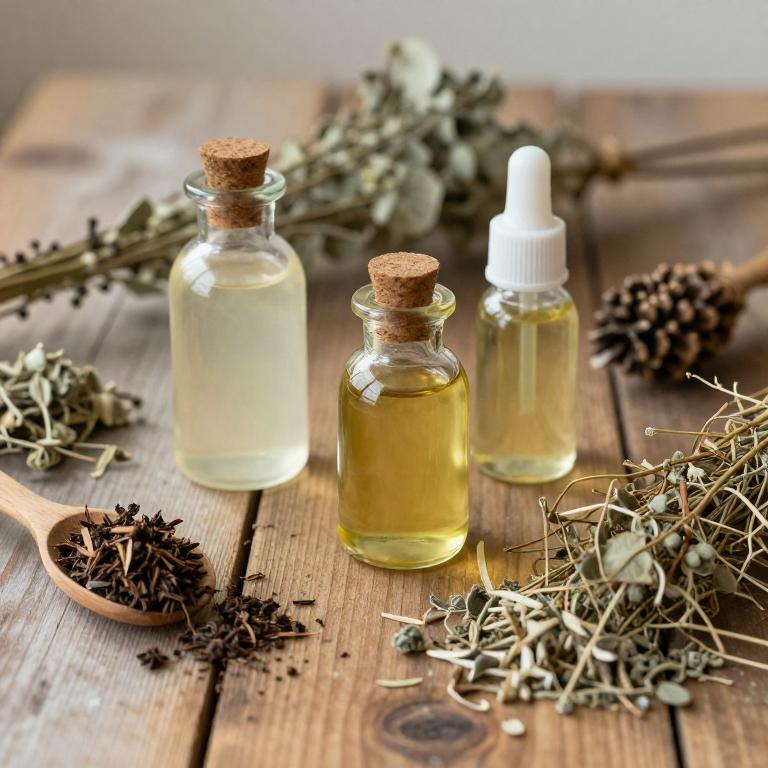
Vitex agnus-castus, commonly known as chasteberry, is often used in herbal formulations for its potential anti-inflammatory and antimicrobial properties.
Herbal lotions containing vitex agnus-castus may be applied topically to reduce redness and swelling associated with styes, which are painful bacterial infections of the eyelid. These lotions are typically made by infusing the dried plant material into a carrier oil or water-based solution, allowing for easy application. While some individuals may find relief from using these natural remedies, it is important to consult with a healthcare provider before using them, especially if the stye persists or worsens.
Vitex agnus-castus herbal lotions are generally considered safe for external use, though they may not replace medical treatment for more severe or recurrent styes.
10. Marigold (Calendula officinalis)
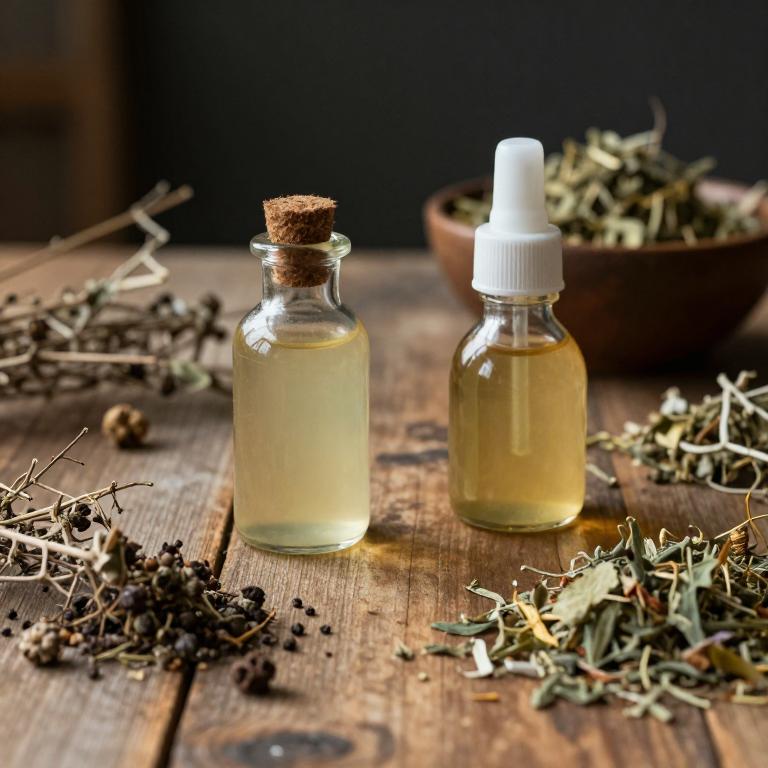
Calendula officinalis herbal lotions are traditionally used to soothe and heal minor skin irritations, including styes, due to their anti-inflammatory and antimicrobial properties.
These lotions contain extracts from the flowers of the calendula plant, which are known to promote skin healing and reduce redness and swelling. When applied topically to the affected area, calendula officinalis lotions can help alleviate the discomfort associated with styes by supporting the body's natural healing process. They are generally safe for most skin types and can be used as a complementary therapy alongside other treatments for styes.
However, it is advisable to consult a healthcare professional if the stye persists or worsens, to ensure proper care and treatment.