10 Best Herbal Tinctures For Stress
Herbal tinctures are concentrated liquid extracts made from various medicinal plants, commonly used to support emotional and physical well-being.
They are particularly popular for managing stress due to their natural calming properties and ease of use. Common herbs used in stress-reducing tinctures include valerian root, lemon balm, and ashwagandha, each known for their ability to promote relaxation and balance mood. These tinctures can be taken sublingually or diluted in water, offering a convenient and customizable approach to stress relief.
When used consistently and under the guidance of a healthcare professional, herbal tinctures can be a safe and effective complementary therapy for reducing stress and enhancing overall wellness.
Table of Contents
- 1. Valerian (Valeriana officinalis)
- 2. Maypop (Passiflora incarnata)
- 3. Licorice (Glycyrrhiza glabra)
- 4. St. john's wort (Hypericum perforatum)
- 5. Oat (Avena sativa)
- 6. Chaste tree (Vitex agnus-castus)
- 7. Chamomile (Matricaria chamomilla)
- 8. Panax ginseng (Panax ginseng)
- 9. Ashwagandha (Withania somnifera)
- 10. Heartworts (Leonurus cardiaca)
1. Valerian (Valeriana officinalis)
Valeriana officinalis, commonly known as valerian, is a perennial herb widely used for its calming effects on the nervous system.
Valerian root tinctures are popular herbal remedies that help alleviate symptoms of stress, anxiety, and insomnia by increasing the levels of gamma-aminobutyric acid (GABA) in the brain. These tinctures are typically made by soaking the dried root in alcohol, which extracts the active compounds responsible for their sedative properties. Due to their natural origin and mild side effects, valerian tinctures are often preferred over synthetic sedatives for long-term stress management.
However, it is important to consult with a healthcare professional before use, especially if you are taking other medications or have underlying health conditions.
2. Maypop (Passiflora incarnata)
Passiflora incarnata, commonly known as purple passionflower, is a popular herbal remedy used to alleviate stress and anxiety.
Its tincture form is derived from the leaves and flowers of the plant, which contain compounds like flavonoids and alkaloids that may have calming effects on the nervous system. This herbal tincture is often used as a natural alternative to pharmaceutical sedatives due to its mild and soothing properties. It is typically taken in small doses, either directly under the tongue or diluted in water, to promote relaxation and reduce feelings of tension.
While generally considered safe, it is advisable to consult a healthcare professional before use, especially for individuals with existing medical conditions or those taking other medications.
3. Licorice (Glycyrrhiza glabra)
Glycyrrhiza glabra, commonly known as licorice root, has been traditionally used for its calming effects and is often incorporated into herbal tinctures to help alleviate stress.
These tinctures are typically made by soaking the dried root in alcohol to extract its active compounds, including glycyrrhizin and various flavonoids. The herb is believed to support adrenal function and promote a sense of balance in the body, making it a popular choice for those experiencing chronic stress or anxiety. Its mild, sweet taste and long history of use in traditional medicine add to its appeal as a natural remedy.
However, it is important to consult with a healthcare professional before use, especially for individuals with hypertension or other health conditions.
4. St. john's wort (Hypericum perforatum)
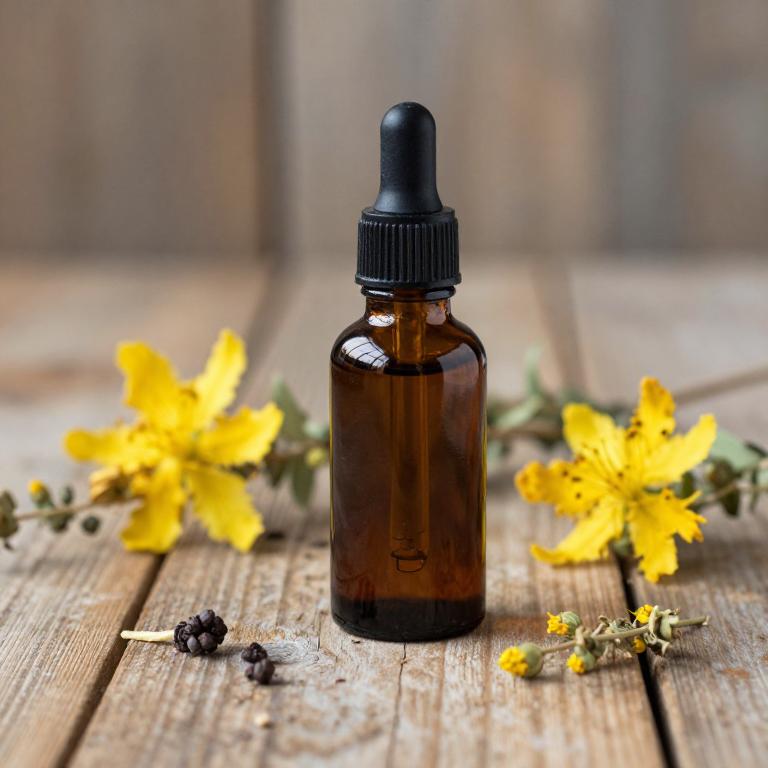
Hypericum perforatum, commonly known as St. John's wort, has been traditionally used for its calming properties and is often incorporated into herbal tinctures to help manage stress.
These tinctures are typically made by soaking the dried plant material in alcohol, which extracts the active compounds such as hypericin and hyperforin. The herb is believed to support mood regulation by increasing neurotransmitter levels like serotonin and dopamine in the brain. Due to its mild nature, it is often preferred over synthetic antidepressants for those seeking natural alternatives.
However, it is important to consult with a healthcare provider before use, as it can interact with other medications and may not be suitable for everyone.
5. Oat (Avena sativa)
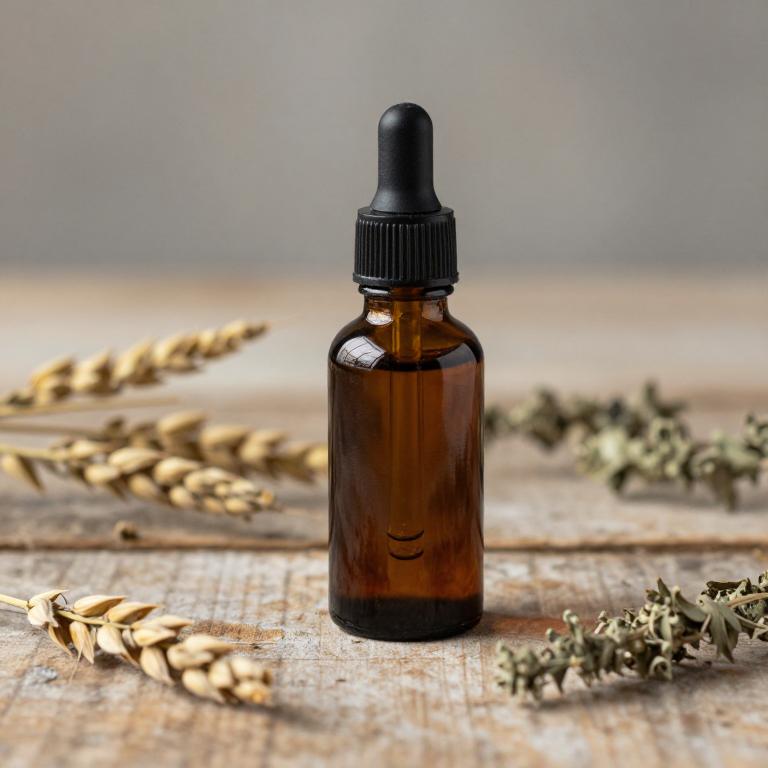
Avena sativa, commonly known as oat straw, is a herbal tincture often used for its calming and stress-relieving properties.
This herb is traditionally valued for its ability to support nervous system health and promote a sense of relaxation. Avena sativa tinctures are typically made by soaking the dried herb in alcohol to extract its active compounds, which may include saponins and other phytochemicals. These tinctures are often used as a natural remedy to help reduce anxiety and improve sleep quality.
Due to their mild and soothing effects, they are considered a safe option for those seeking herbal support for stress management.
6. Chaste tree (Vitex agnus-castus)
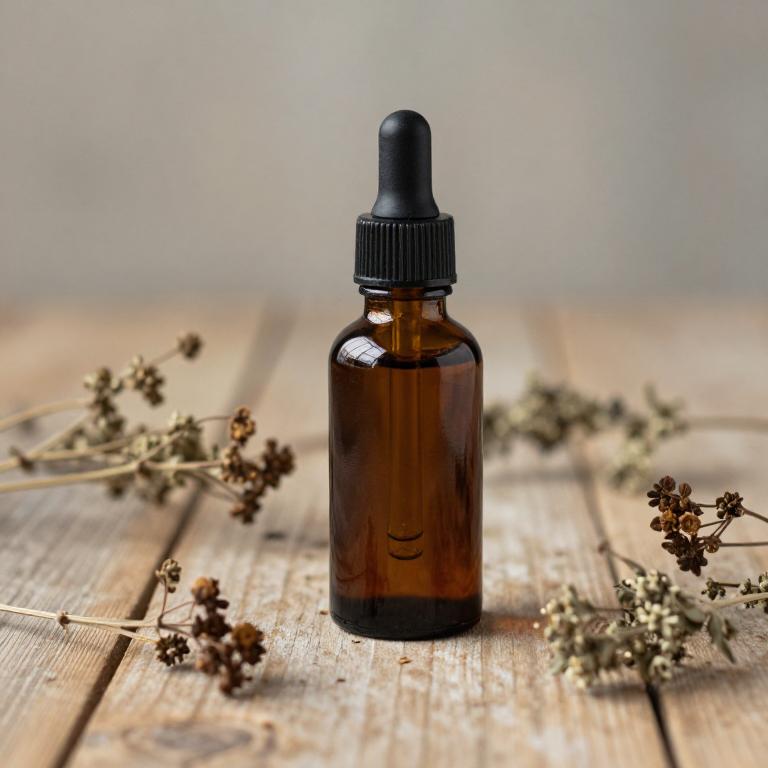
Vitex agnus-castus, commonly known as chaste tree, has been traditionally used for its calming effects on the nervous system, making it a popular choice for herbal tinctures aimed at reducing stress.
The active compounds in Vitex, such as aucubin and flavonoids, are believed to support hormonal balance and promote a sense of relaxation. When used as a tincture, Vitex agnus-castus is often taken in small doses, typically diluted in water or herbal tea, to help ease anxiety and improve mood. Its mild nature makes it suitable for long-term use under the guidance of a healthcare practitioner.
Overall, Vitex agnus-castus herbal tinctures offer a natural and gentle approach to managing stress and promoting emotional well-being.
7. Chamomile (Matricaria chamomilla)
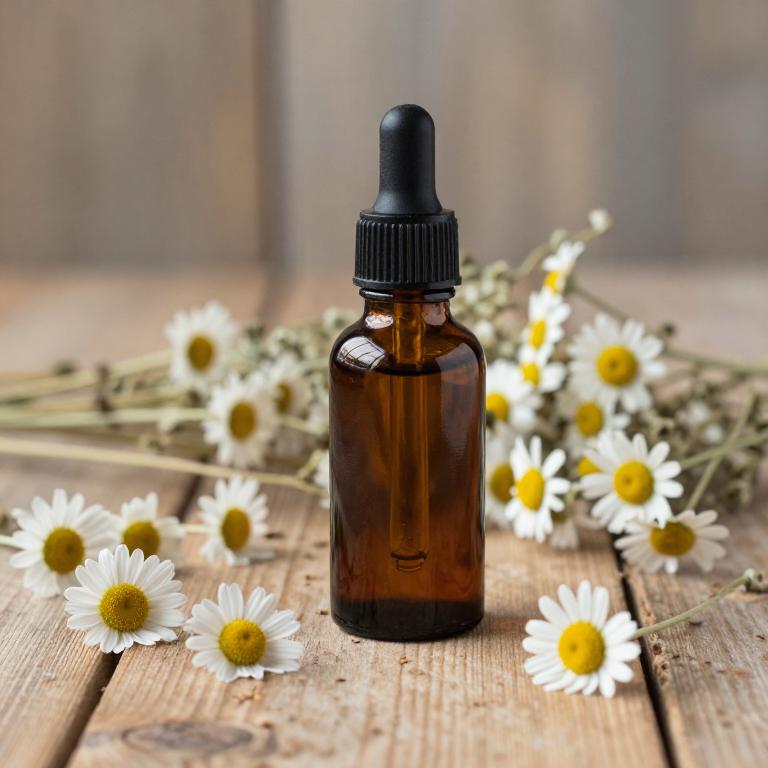
Matricaria chamomilla, commonly known as chamomile, is a popular herbal remedy used for its calming properties.
Chamomile tinctures are concentrated liquid extracts made from the dried flowers of the plant, which are rich in active compounds like apigenin and bisabolol. These tinctures are often used to alleviate stress, anxiety, and insomnia due to their mild sedative and anti-inflammatory effects. When taken orally, chamomile tinctures can help promote relaxation and ease tension without causing significant drowsiness.
As a natural alternative to pharmaceuticals, chamomile tinctures are widely used in aromatherapy and herbal medicine for their soothing benefits.
8. Panax ginseng (Panax ginseng)
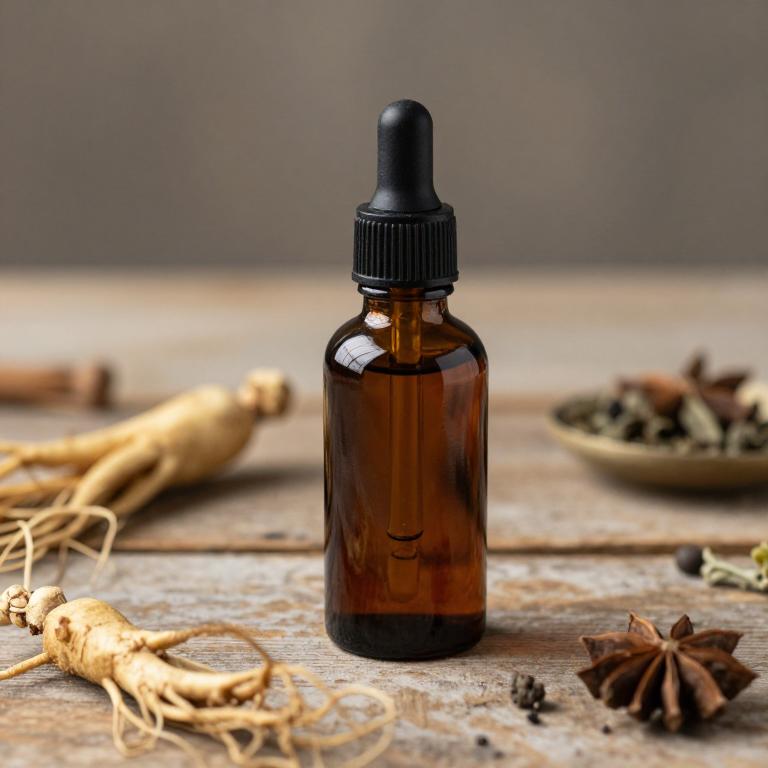
Panax ginseng herbal tinctures are traditional remedies derived from the root of the Panax ginseng plant, which has been used for centuries in Eastern medicine to enhance vitality and reduce stress.
These tinctures are typically made by steeping the dried root in alcohol to extract its active compounds, such as ginsenosides, which are believed to support adrenal function and promote a sense of calm. Research suggests that Panax ginseng may help regulate the body's stress response by modulating cortisol levels and improving resilience to stressors. As a natural supplement, it is often used to alleviate symptoms of chronic stress, fatigue, and anxiety without the side effects associated with pharmaceutical options.
However, it is important to consult a healthcare provider before use, especially for individuals with existing medical conditions or those taking other medications.
9. Ashwagandha (Withania somnifera)
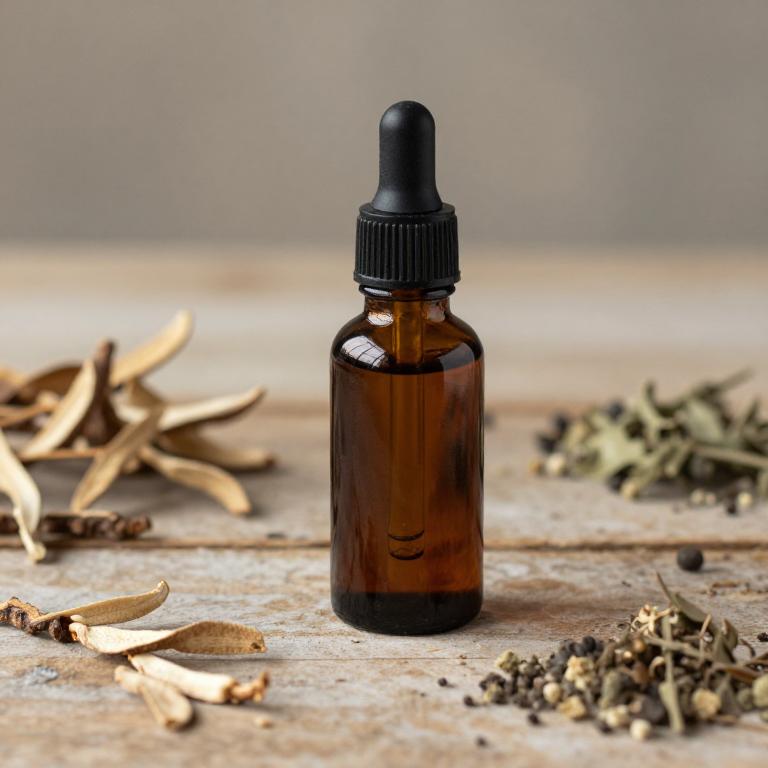
Withania somnifera, commonly known as ashwagandha, is a popular herbal remedy used for its adaptogenic properties that help the body manage stress.
Ashwagandha tinctures are concentrated liquid extracts made from the roots of the plant, offering a convenient and bioavailable form of the herb. These tinctures are known to support the body's natural ability to cope with stress by regulating cortisol levels and promoting a sense of calm. Regular use of ashwagandha tinctures may help reduce anxiety, improve sleep quality, and enhance overall well-being.
As with any supplement, it is advisable to consult a healthcare professional before starting a new regimen, especially if you have existing health conditions or are taking other medications.
10. Heartworts (Leonurus cardiaca)
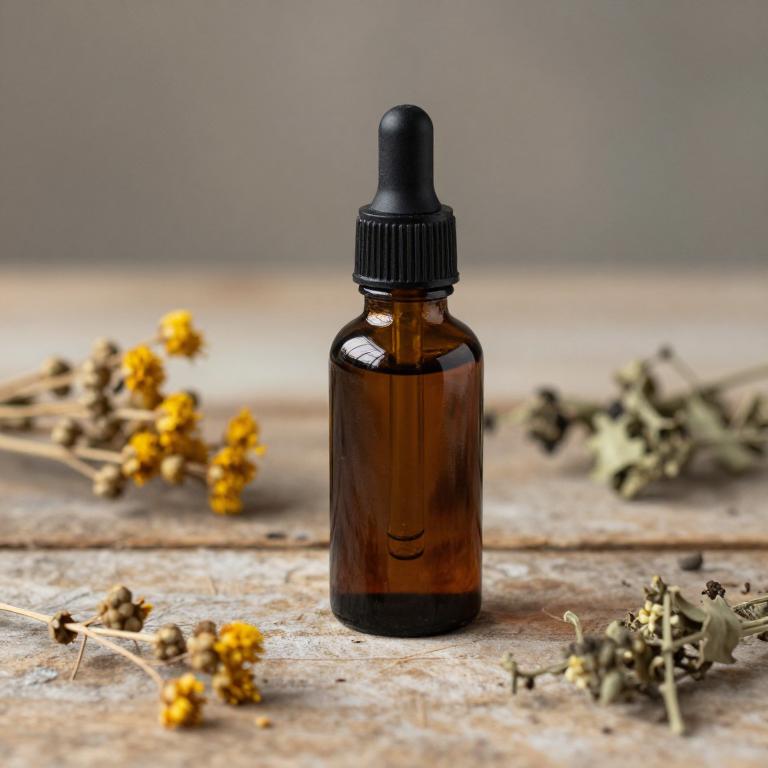
Leonurus cardiaca, commonly known as heartwarming or redweed, is a traditional herbal plant that has been used for centuries to support emotional well-being.
Its tinctures are often prepared using alcohol and fresh or dried plant material to extract its active compounds. This herb is believed to have calming properties that may help alleviate symptoms of stress and anxiety by promoting relaxation and balancing mood. The use of Leonurus cardiaca tinctures is typically supported by traditional herbal medicine practices and may be combined with other herbs for enhanced effects.
As with any herbal remedy, it is advisable to consult a healthcare professional before use, especially for individuals with existing health conditions or those taking other medications.