10 Best Herbal Teas For Stress
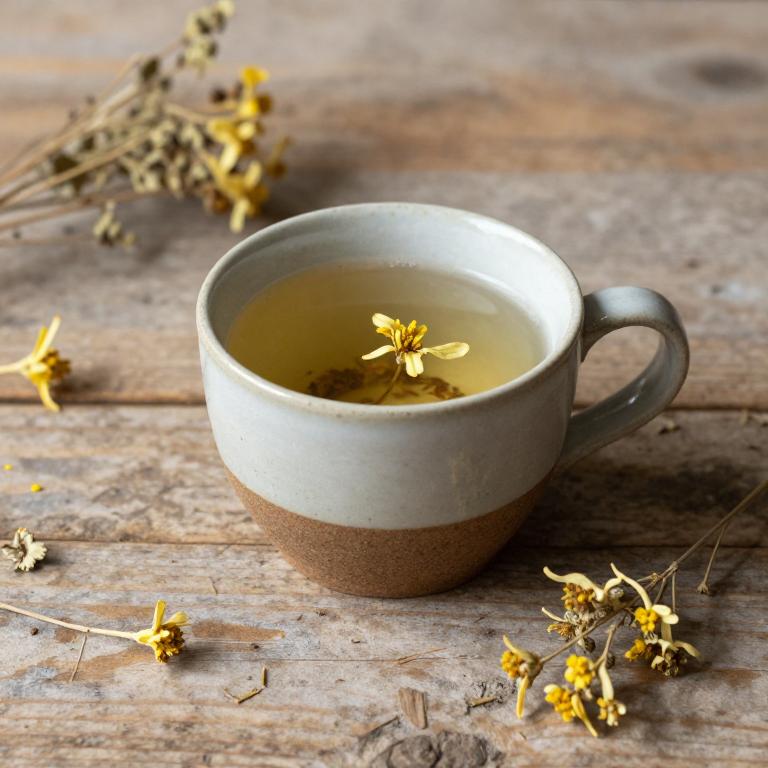
Herbal teas are a natural and soothing way to manage stress, offering a calming alternative to traditional caffeinated beverages.
Common stress-relieving herbs include chamomile, lavender, and lemon balm, each known for their calming properties that promote relaxation and reduce anxiety. These teas can be easily prepared at home using dried herbs or loose leaves, making them a convenient and accessible option for daily use. Regular consumption of herbal teas may help regulate mood and improve sleep quality, which are essential for managing stress effectively.
Incorporating herbal teas into a daily routine can be a simple yet powerful step toward maintaining emotional balance and overall well-being.
Table of Contents
- 1. Valerian (Valeriana officinalis)
- 2. Camellia (Camellia sinensis)
- 3. Licorice (Glycyrrhiza glabra)
- 4. Maypop (Passiflora incarnata)
- 5. English lavender (Lavandula angustifolia)
- 6. Chamomile (Matricaria chamomilla)
- 7. Kava (Piper methysticum)
- 8. Lemon balm (Melissa officinalis)
- 9. Salvia (Salvia officinalis)
- 10. Heartworts (Leonurus cardiaca)
1. Valerian (Valeriana officinalis)
Valeriana officinalis, commonly known as valerian, is a traditional herbal remedy widely used for its calming effects.
Valerian root tea is often recommended to help alleviate symptoms of stress, anxiety, and insomnia due to its sedative properties. The active compounds in valerian, such as valerenic acid and sesquiterpenes, are believed to interact with the central nervous system to promote relaxation. While scientific research on its efficacy is ongoing, many users report improved sleep quality and reduced tension after regular consumption.
As with any herbal remedy, it is advisable to consult a healthcare professional before incorporating valerian into one's routine, especially for those with existing health conditions or taking other medications.
2. Camellia (Camellia sinensis)
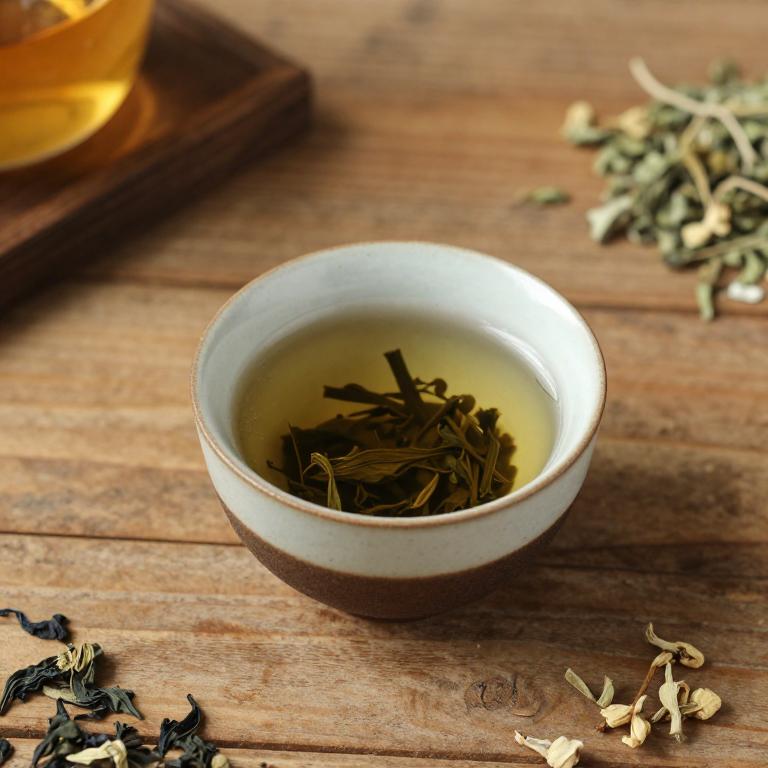
Camellia sinensis, the plant from which green, black, and white teas are derived, is widely used in herbal teas to help manage stress due to its rich content of antioxidants and bioactive compounds.
These teas contain caffeine and L-theanine, which work together to promote a calming yet alert mental state, reducing anxiety and enhancing focus. The polyphenols in Camellia sinensis, such as catechins, have been shown to lower cortisol levels, thereby alleviating stress responses in the body. Regular consumption of Camellia sinensis herbal teas can support emotional balance and improve overall well-being.
As a natural alternative to stimulants, these teas offer a gentle and sustainable way to cope with daily stressors.
3. Licorice (Glycyrrhiza glabra)
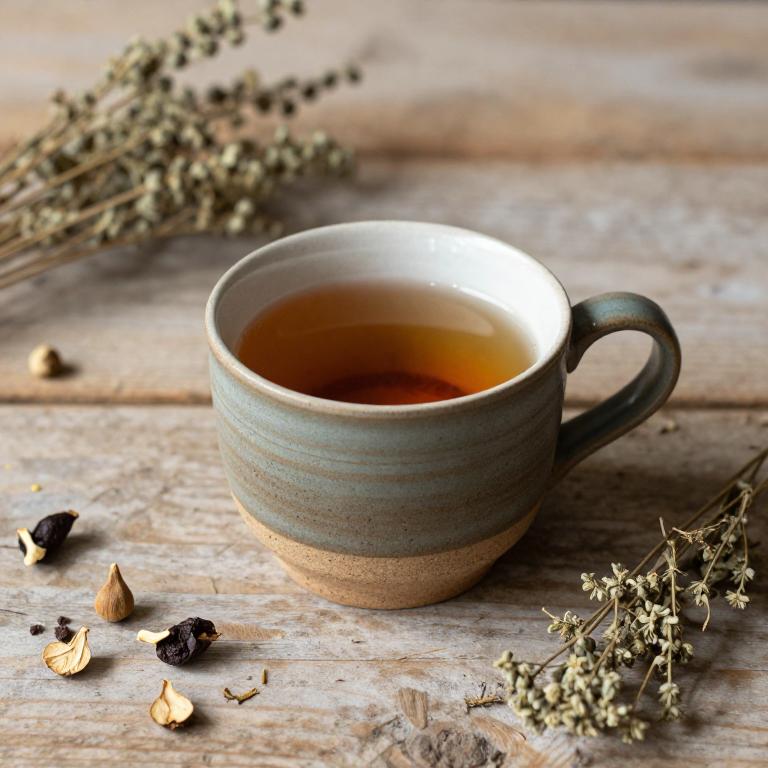
Glycyrrhiza glabra, commonly known as licorice root, has been traditionally used in herbal teas to help manage stress due to its adaptogenic properties.
The root contains compounds like glycyrrhizin and flavonoids, which may support adrenal function and help the body cope with stress more effectively. When brewed into a tea, licorice root can provide a soothing effect, promoting relaxation and reducing feelings of anxiety. However, it should be used in moderation, as excessive consumption may lead to side effects such as increased blood pressure.
Overall, licorice root tea is a popular natural remedy for those seeking to alleviate stress through herbal means.
4. Maypop (Passiflora incarnata)
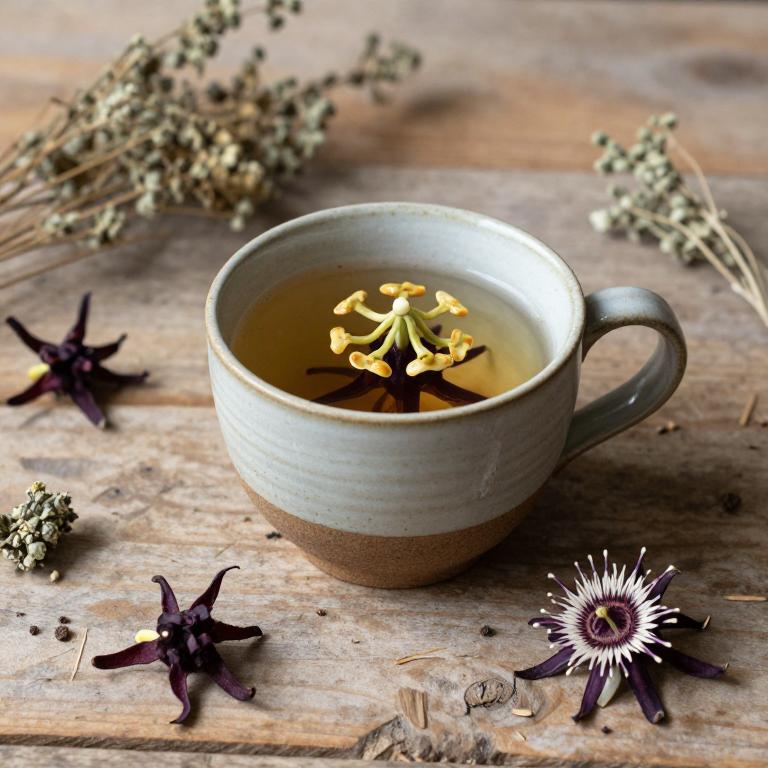
Passiflora incarnata, commonly known as passionflower, is a herbal remedy widely used to help alleviate stress and promote relaxation.
This plant contains compounds such as flavonoids and alkaloids that may help reduce anxiety and improve sleep quality. Passionflower herbal teas are often consumed as a calming drink, especially before bedtime to ease tension and foster a sense of peace. Its mild, slightly sweet flavor makes it an appealing option for those seeking natural stress relief.
Regular consumption of passionflower tea may support emotional balance and enhance overall well-being.
5. English lavender (Lavandula angustifolia)
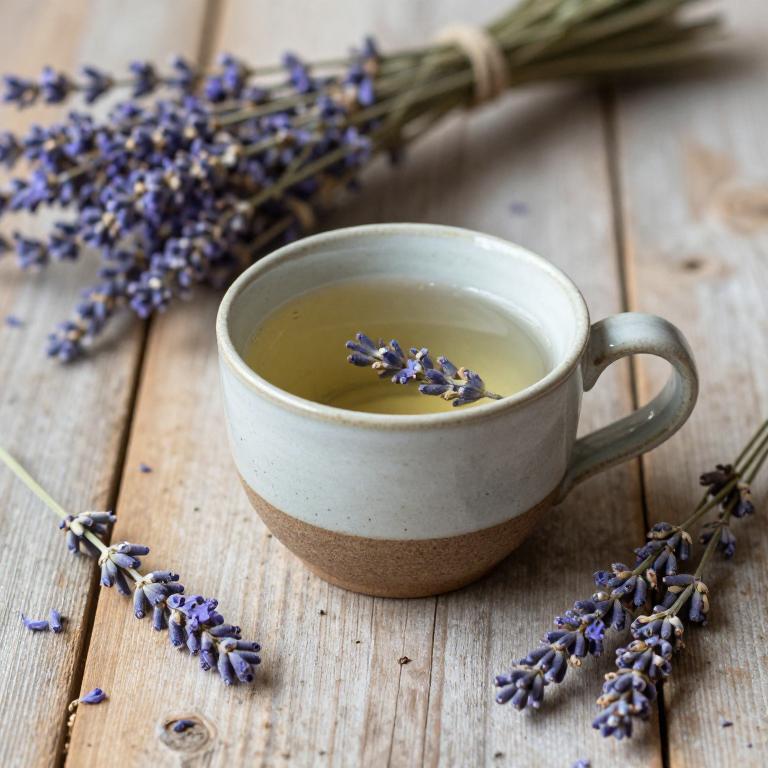
Lavandula angustifolia, commonly known as English lavender, is widely used in herbal teas for its calming properties that help reduce stress and promote relaxation.
The essential oils in lavender, particularly linalool and lavandin, have been shown to have a soothing effect on the nervous system, making it an effective natural remedy for anxiety and tension. When brewed into a tea, lavender's mild floral aroma and gentle flavor can create a peaceful environment, aiding in mental clarity and emotional balance. Regular consumption of lavender tea may support better sleep quality, which is often linked to lower stress levels.
As a safe and accessible herbal option, lavender tea is a popular choice for those seeking natural ways to manage daily stress and enhance overall well-being.
6. Chamomile (Matricaria chamomilla)
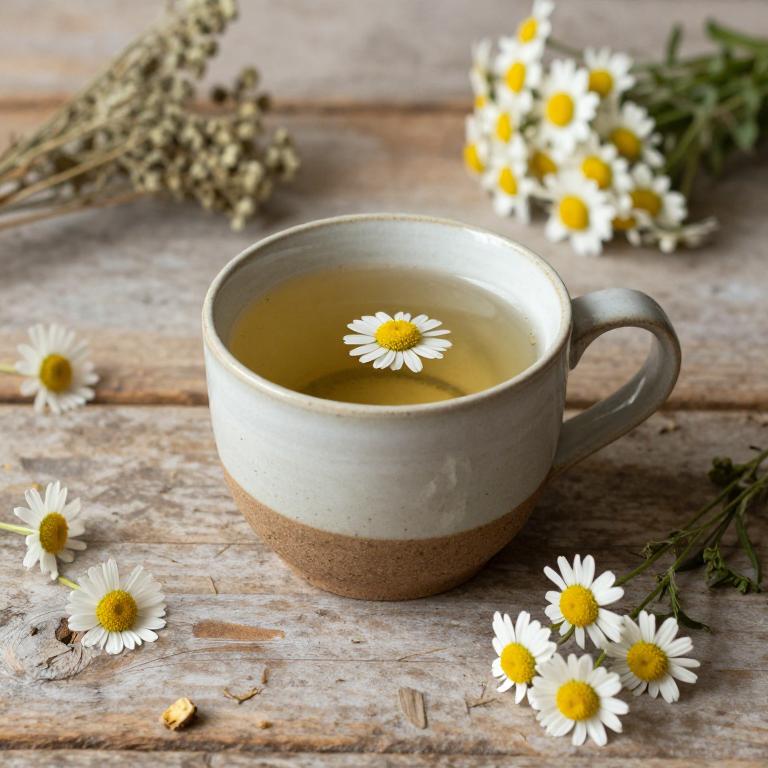
Matricaria chamomilla, commonly known as chamomile, is a popular herbal tea used for its calming effects on the mind and body.
This gentle herb contains compounds like apigenin, which may interact with brain receptors to reduce anxiety and promote relaxation. Chamomile tea is often recommended for stress relief due to its mild sedative properties that can help ease tension and improve sleep quality. Its soothing aroma and mild flavor make it a comforting choice for daily consumption.
Regular intake of chamomile tea may support overall emotional well-being and help manage mild stress and anxiety naturally.
7. Kava (Piper methysticum)
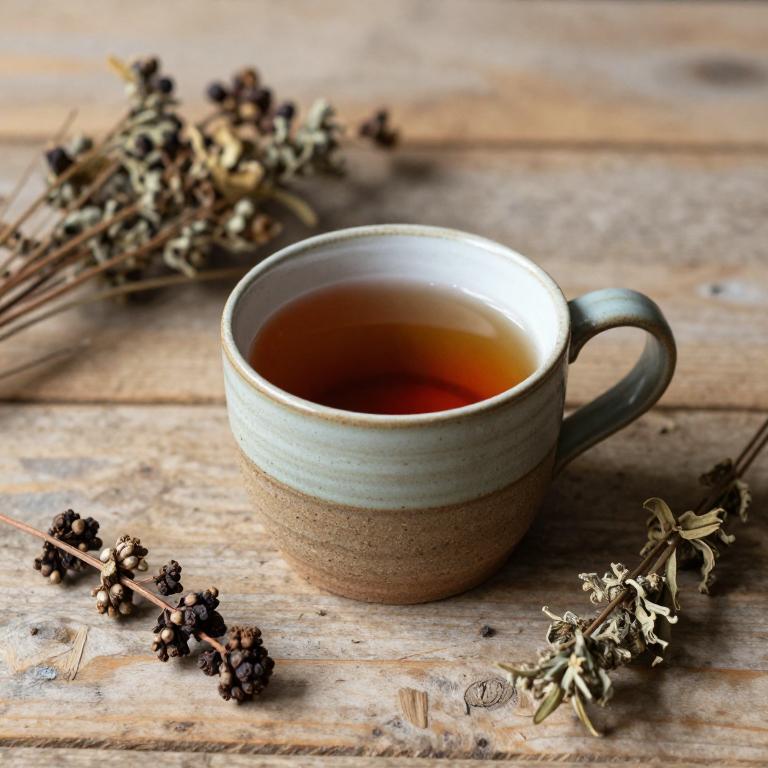
Piper methysticum, commonly known as kava, is a traditional herbal plant used for its calming effects, often consumed as a tea to reduce stress and anxiety.
The root of the plant contains compounds called kavalactones, which are believed to interact with the central nervous system to produce a relaxing and soothing effect. Kava tea is typically brewed by steeping the dried root in hot water, resulting in a mild, earthy flavored beverage. While it is popular in many cultures for its ability to ease tension and promote relaxation, it should be used with caution due to potential side effects and interactions with certain medications.
Overall, kava herbal tea remains a valued natural remedy for managing stress when consumed responsibly.
8. Lemon balm (Melissa officinalis)
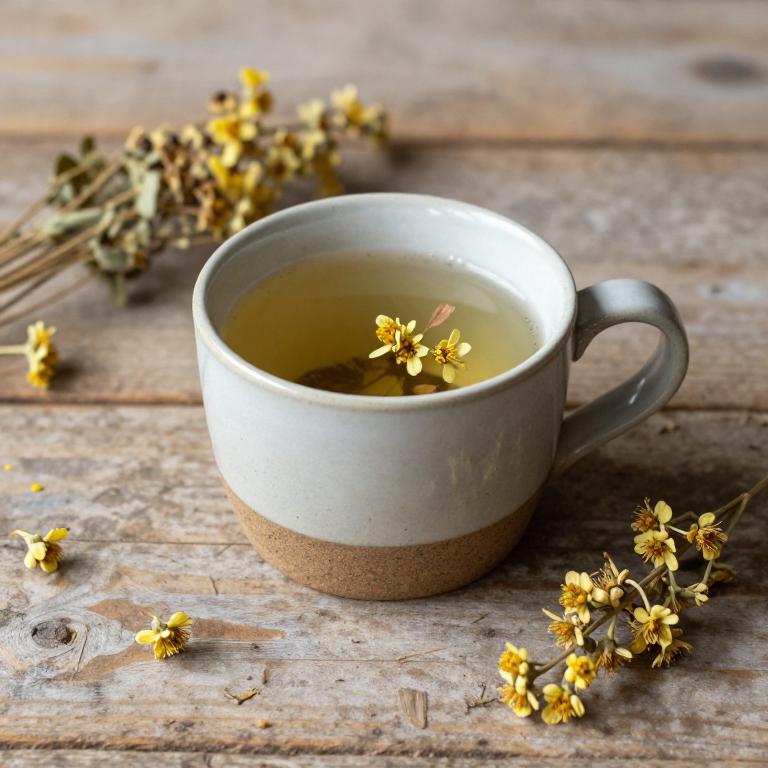
Melissa officinalis, commonly known as lemon balm, is a popular herbal plant used to make calming teas that help reduce stress and anxiety.
The soothing properties of lemon balm are attributed to its high concentration of compounds like flavonoids and rosmarinic acid, which have been shown to promote relaxation and improve mood. Drinking lemon balm tea regularly can help ease symptoms of nervous tension and promote a sense of calm throughout the day. This herb is often combined with other calming ingredients like chamomile or valerian root to enhance its stress-relieving effects.
Overall, lemon balm herbal tea is a gentle and natural remedy that supports emotional well-being and helps manage everyday stress.
9. Salvia (Salvia officinalis)
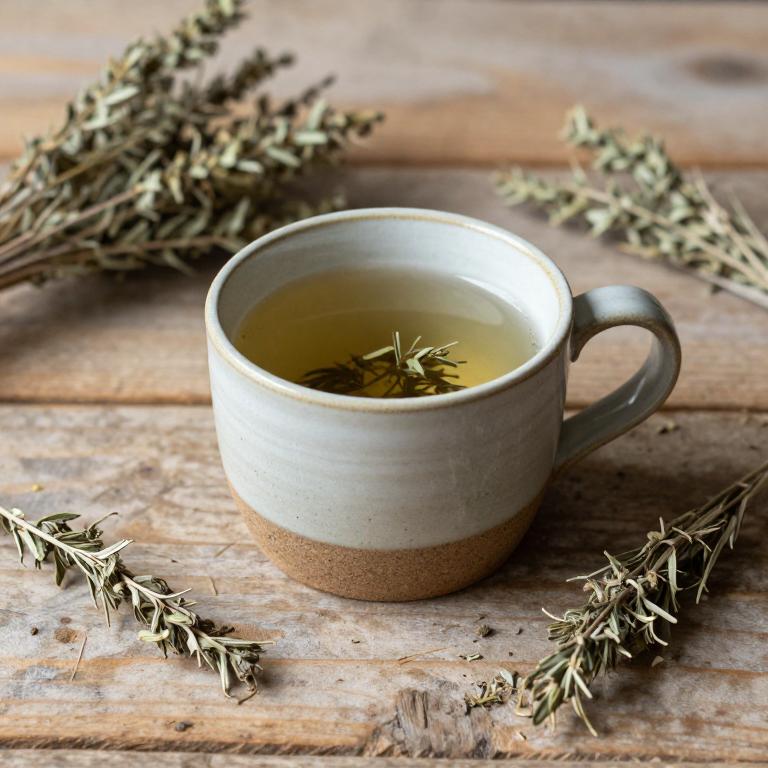
Salvia officinalis, commonly known as sage, is a popular herb used in herbal teas to help manage stress and promote calmness.
This plant contains compounds like rosmarinic acid and flavonoids, which are believed to have antioxidant and anti-inflammatory properties that support mental well-being. Drinking sage tea can help reduce anxiety and improve mood by supporting the body’s natural stress response. Its mild, earthy flavor makes it a pleasant and soothing beverage, especially when consumed regularly.
Many people find that incorporating sage into their daily tea routine offers a natural and gentle way to cope with daily stressors.
10. Heartworts (Leonurus cardiaca)
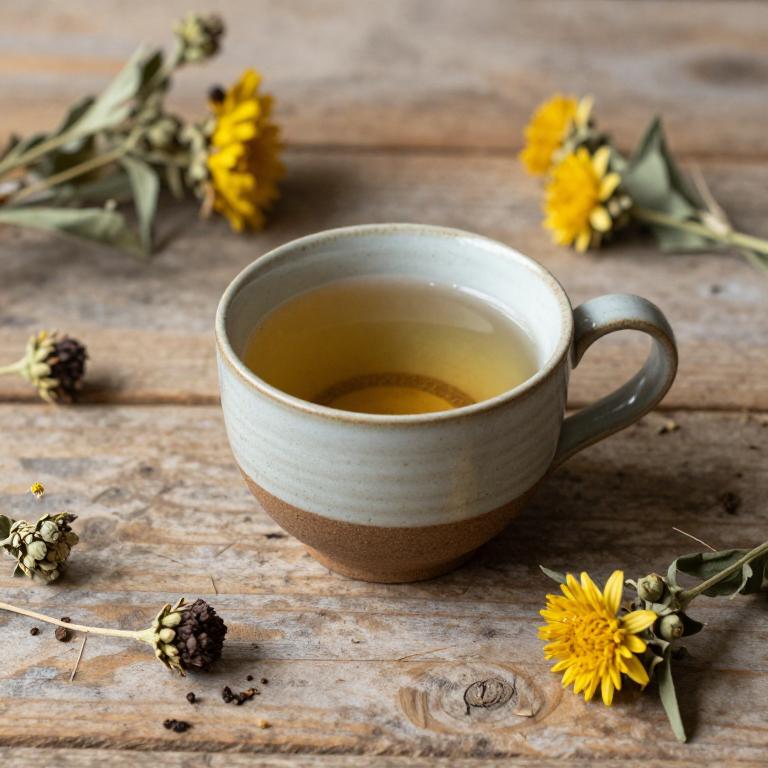
Leonurus cardiaca, commonly known as heartwarming or red clover, is a traditional herb often used in herbal teas to help manage stress and promote relaxation.
This plant contains various bioactive compounds, including flavonoids and volatile oils, which are believed to have calming and anxiolytic effects on the body. When brewed into a tea, Leonurus cardiaca can support emotional balance by soothing the nervous system and reducing feelings of anxiety. It is typically consumed as a mild, aromatic infusion that can be enjoyed throughout the day to ease tension and enhance overall well-being.
While it is generally considered safe, individuals with hormone-sensitive conditions should consult a healthcare provider before use.