10 Best Herbal Syrups For Stress
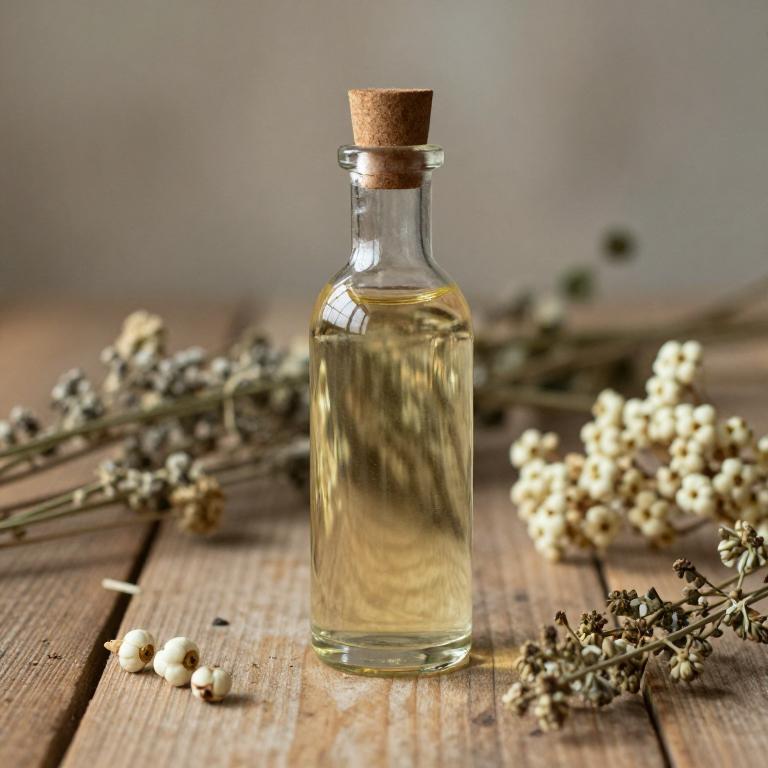
Herbal syrups for stress are natural remedies that combine calming herbs with sweet syrups to ease anxiety and promote relaxation.
Common ingredients include valerian root, lemon balm, and passionflower, which are known for their soothing properties. These syrups are often used as a gentle alternative to pharmaceutical stress relievers, offering a calming effect without harsh side effects. They can be easily incorporated into daily routines, such as adding a teaspoon to tea or taking directly under the tongue.
While they may not replace professional treatment for severe stress, they can be a valuable complementary tool for managing mild to moderate stress levels.
Table of Contents
- 1. Valerian (Valeriana officinalis)
- 2. Maypop (Passiflora incarnata)
- 3. Licorice (Glycyrrhiza glabra)
- 4. Chamomile (Matricaria chamomilla)
- 5. St. john's wort (Hypericum perforatum)
- 6. Chaste tree (Vitex agnus-castus)
- 7. Yarrow (Achillea millefolium)
- 8. Wheat (Triticum aestivum)
- 9. Panax ginseng (Panax ginseng)
- 10. Salvia (Salvia officinalis)
1. Valerian (Valeriana officinalis)
Valeriana officinalis, commonly known as valerian, is a traditional herbal remedy often used to alleviate stress and anxiety.
Valerian root herbal syrups are made by extracting the active compounds from the dried root of the plant, which contain compounds like valerenic acid and sesquiterpenes that are believed to have calming effects on the nervous system. These syrups are popular for their natural approach to managing stress without the side effects associated with synthetic medications. They are typically taken in small doses, either before bedtime or as needed, to promote relaxation and improve sleep quality.
While scientific research on valerian’s efficacy is ongoing, many people find it to be a soothing and effective option for reducing stress and supporting emotional well-being.
2. Maypop (Passiflora incarnata)
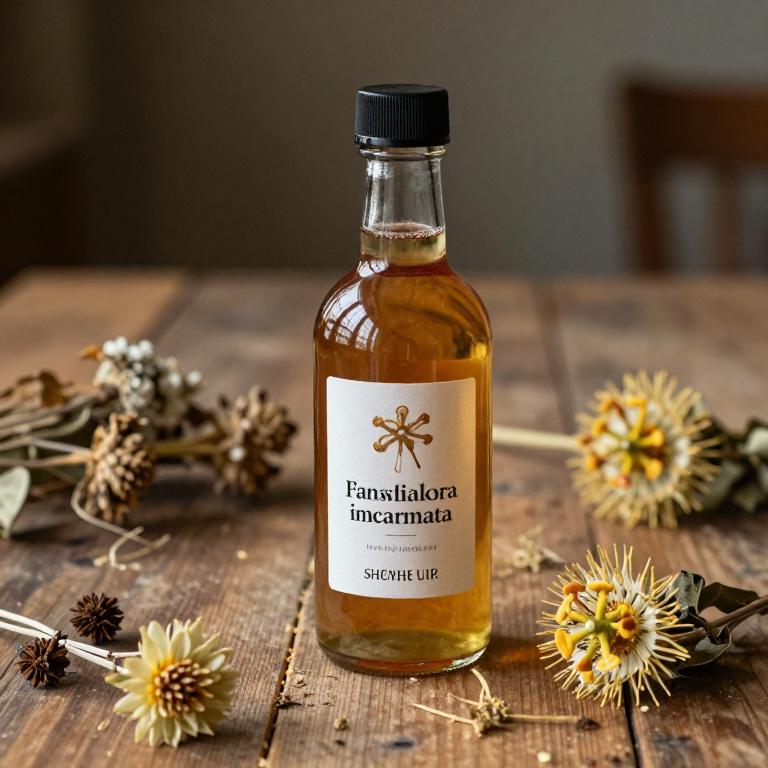
Passiflora incarnata, commonly known as wild passionflower, is a herbal remedy widely used for its calming effects on the nervous system.
When prepared as a syrup, it offers a convenient and palatable way to harness its natural sedative properties. This herb contains compounds like flavonoids and alkaloids that may help reduce anxiety and promote relaxation by influencing neurotransmitter activity. Passiflora incarnata herbal syrup is often recommended for managing stress-related symptoms such as restlessness and insomnia.
It is typically used as a complementary therapy alongside other stress-reduction practices for a holistic approach to well-being.
3. Licorice (Glycyrrhiza glabra)
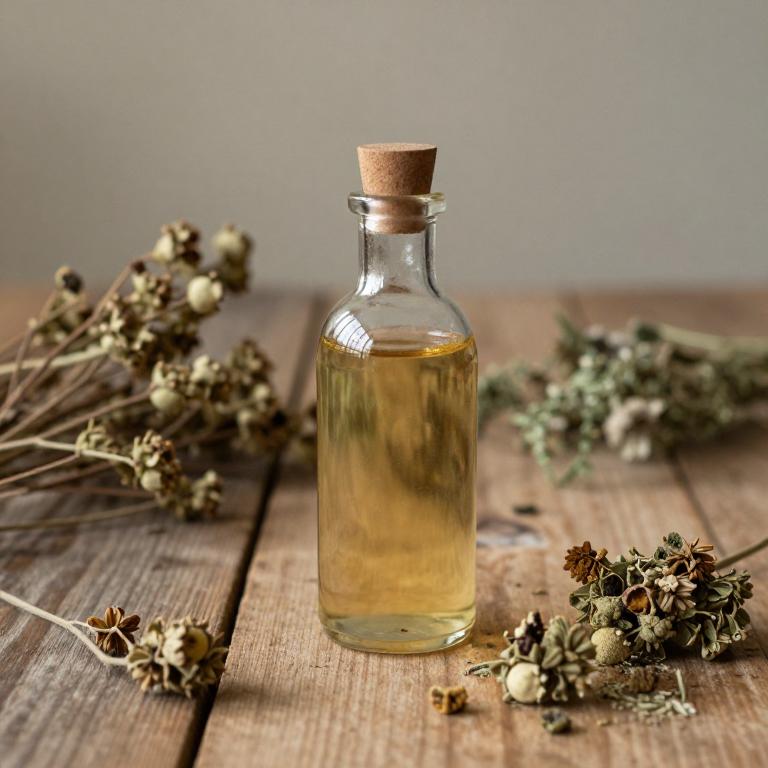
Glycyrrhiza glabra, commonly known as licorice root, has been traditionally used in herbal medicine for its potential stress-reducing properties.
Licorice root syrup, derived from the dried root of this plant, is often used to support adrenal function and help the body manage stress more effectively. The active compounds in licorice, such as glycyrrhizin and flavonoids, may help regulate cortisol levels and promote a sense of calm. However, prolonged use of licorice syrup can lead to side effects like hypertension due to its mineralocorticoid-like effects.
As a result, it is recommended to consult a healthcare professional before using licorice syrup for stress management, especially for individuals with existing health conditions.
4. Chamomile (Matricaria chamomilla)
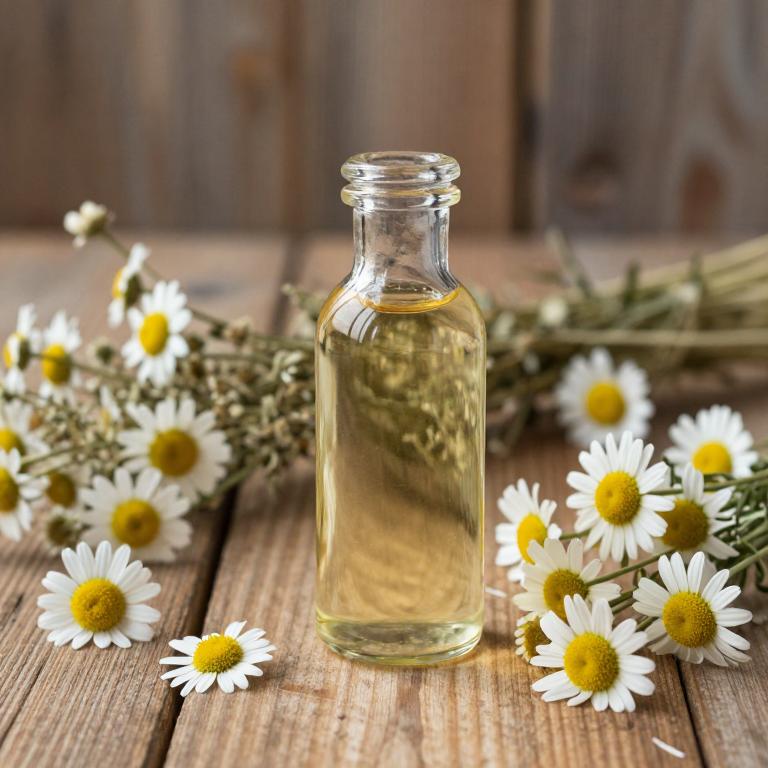
Matricaria chamomilla, commonly known as chamomile, is a popular herbal remedy used for its calming properties.
Chamomile herbal syrups are often formulated to help alleviate symptoms of stress and anxiety by promoting relaxation and improving sleep quality. These syrups typically contain a concentrated form of chamomile extract, which is known for its soothing and anti-inflammatory effects. The mild, sweet taste of chamomile syrup makes it an appealing option for both adults and children seeking natural stress relief.
Regular use of chamomile herbal syrup may contribute to a sense of calm and emotional balance, supporting overall mental well-being.
5. St. john's wort (Hypericum perforatum)
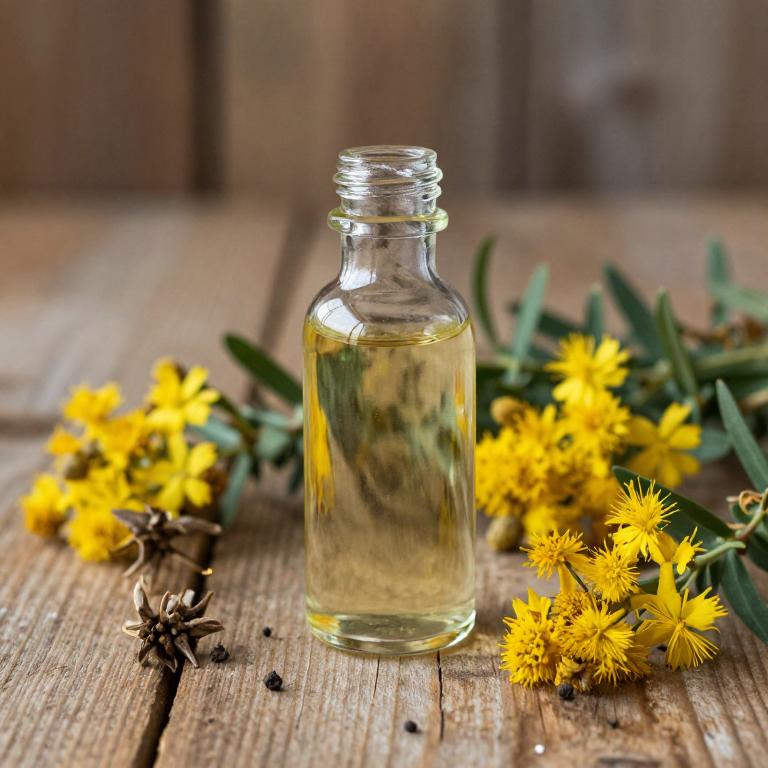
Hypericum perforatum, commonly known as St. John's Wort, is a herbal remedy that has been traditionally used to support mental well-being and alleviate symptoms of stress and mild depression.
When formulated into a herbal syrup, it offers a convenient and palatable method of consuming this plant-based supplement. The active compounds in hypericum perforatum, such as hypericin and hyperforin, are believed to influence neurotransmitter levels in the brain, potentially enhancing mood and reducing anxiety. Herbal syrups containing St. John's Wort are often preferred for their gentle delivery and ease of use, particularly for individuals who may have difficulty swallowing pills.
However, it is important to consult with a healthcare provider before use, as St. John's Wort can interact with certain medications and may not be suitable for everyone.
6. Chaste tree (Vitex agnus-castus)
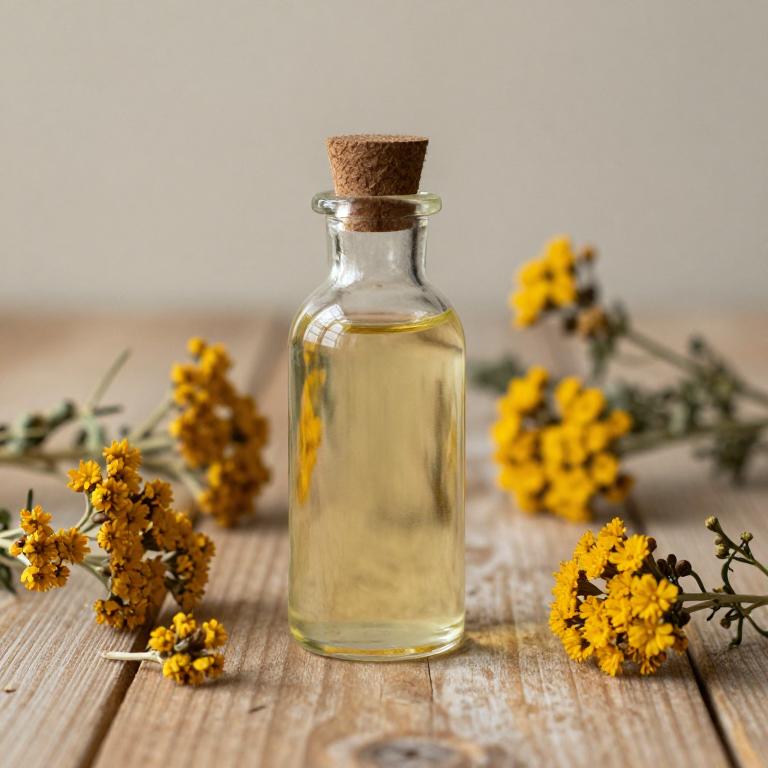
Vitex agnus-castus, commonly known as chaste tree, has been traditionally used for its calming effects and is often incorporated into herbal syrups to support stress relief.
These syrups are typically made by extracting the berries of the plant and combining them with natural sweeteners and other calming herbs like lemon balm or valerian root. The active compounds in vitex, such as aucubin and flavonoids, are believed to influence hormone balance and promote a sense of relaxation. Herbal syrups containing vitex are often used as a complementary therapy for managing anxiety and mild stress-related symptoms.
Due to their gentle nature, they are generally considered safe for regular use, though it's advisable to consult a healthcare professional before starting any new herbal regimen.
7. Yarrow (Achillea millefolium)
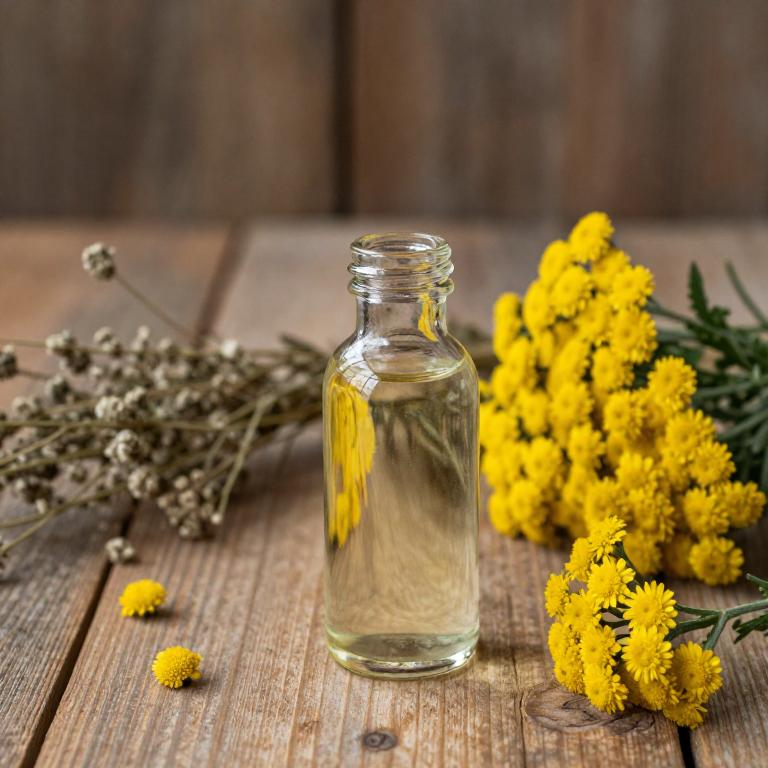
Achillea millefolium, commonly known as yarrow, has been traditionally used in herbal medicine for its calming and anti-inflammatory properties.
When prepared as a herbal syrup, it can offer a soothing remedy for stress and anxiety by promoting relaxation and balancing the nervous system. The active compounds in yarrow, such as flavonoids and volatile oils, contribute to its ability to reduce mental tension and improve mood. This syrup is often recommended as a natural alternative to conventional stress-relief supplements, especially for those seeking gentle, plant-based support.
However, it is important to consult a healthcare professional before use, particularly for individuals with existing health conditions or those taking other medications.
8. Wheat (Triticum aestivum)
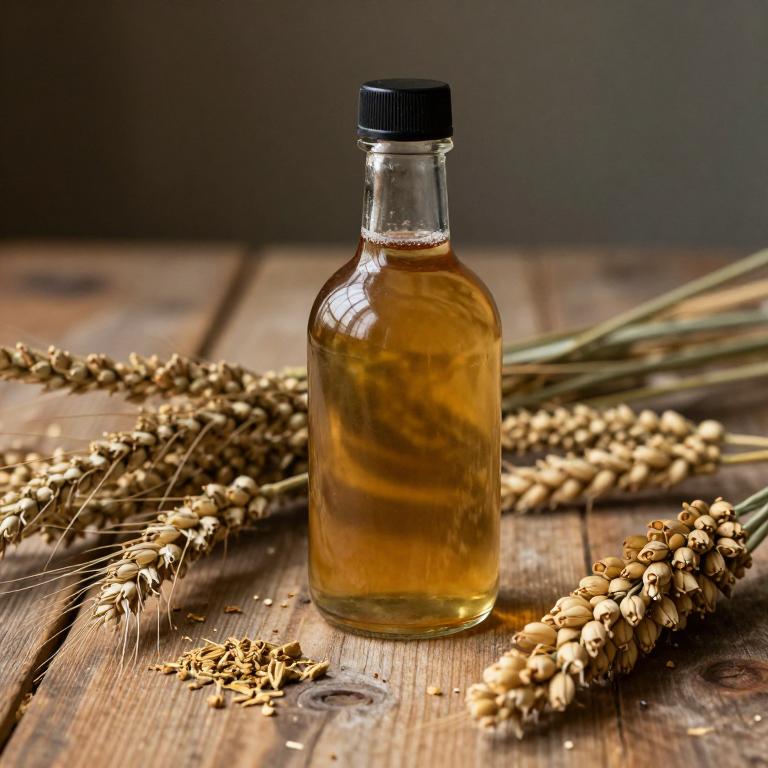
Triticum aestivum, commonly known as common wheat, is not traditionally classified as a herbal remedy, but some herbal syrups may incorporate wheat-based ingredients or derivatives for their potential calming effects.
While wheat itself is not typically used in herbal syrups for stress, certain formulations may include wheat germ oil or other wheat-derived compounds that are believed to support nervous system health. These syrups often blend wheat components with traditional herbs like valerian root, lemon balm, or passionflower to enhance their calming properties. The combination of these ingredients may help alleviate symptoms of stress and anxiety by promoting relaxation and improving mood.
However, it is important to consult with a healthcare provider before using any herbal syrup, especially for individuals with gluten sensitivities or other dietary restrictions.
9. Panax ginseng (Panax ginseng)
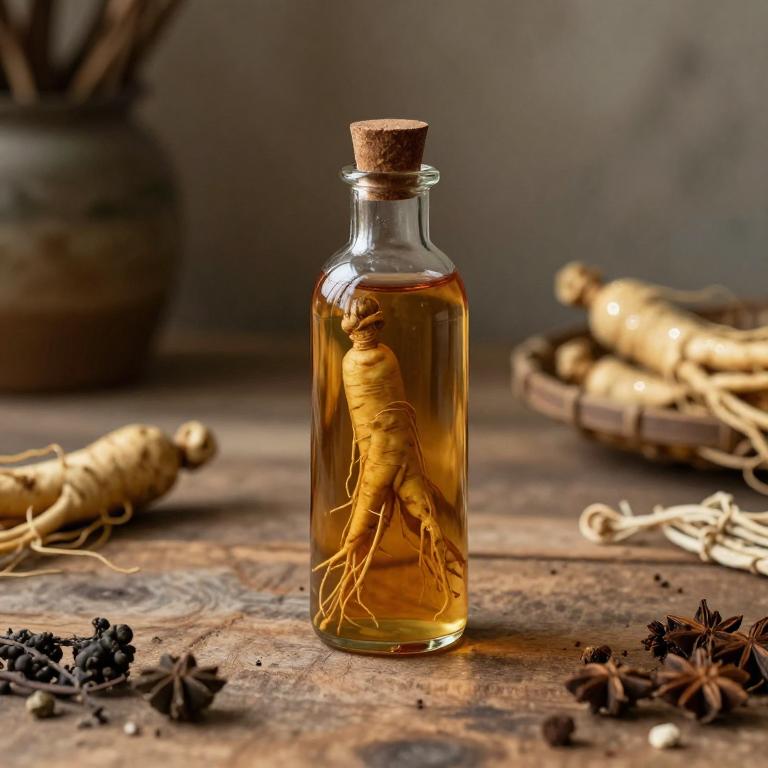
Panax ginseng herbal syrups are traditional remedies derived from the root of the Panax ginseng plant, which has been used for centuries in Chinese medicine to enhance vitality and reduce stress.
These syrups are often formulated with other herbs to support overall wellness and promote a sense of calm. They are typically taken in small doses and are believed to help balance the body's energy levels, known as Qi, which can alleviate symptoms of stress and fatigue. Modern research suggests that the active compounds in ginseng, such as ginsenosides, may have adaptogenic properties that help the body manage stress more effectively.
As a natural alternative to pharmaceuticals, Panax ginseng syrups are increasingly popular for their potential to improve mental clarity and emotional resilience during periods of high stress.
10. Salvia (Salvia officinalis)
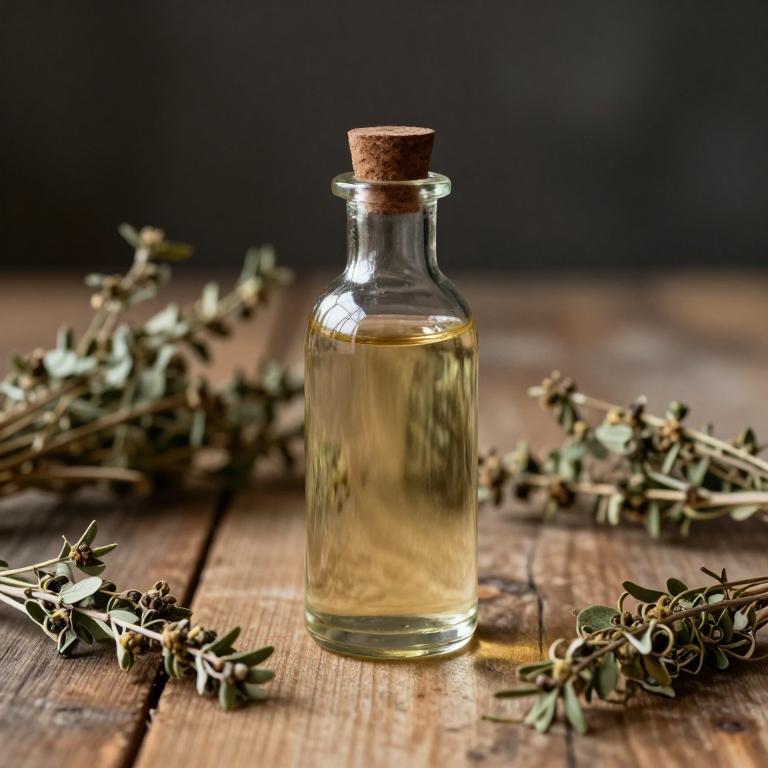
Salvia officinalis, commonly known as sage, has been traditionally used for its calming properties and is now increasingly found in herbal syrups designed to help manage stress.
These syrups often combine sage with other adaptogenic herbs like lemon balm and ashwagandha to enhance their soothing effects. The active compounds in sage, such as rosmarinic acid and flavonoids, are believed to support nervous system health and reduce anxiety symptoms. When consumed as a syrup, sage offers a convenient and palatable way to incorporate its stress-relieving benefits into daily routines.
As a natural alternative to pharmaceuticals, sage herbal syrups are gaining popularity for their gentle yet effective approach to stress management.