10 Best Herbal Juices For Stress
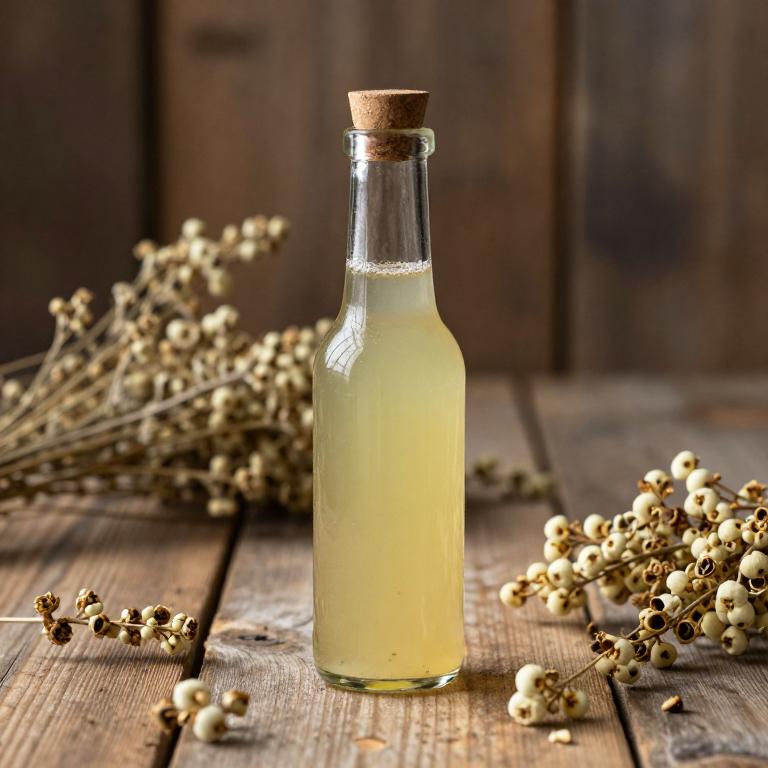
Herbal juices are natural beverages made by blending fresh or dried herbs with water or other liquids, offering a refreshing way to incorporate stress-relieving nutrients into your daily routine.
Ingredients like chamomile, lavender, and lemon balm are commonly used for their calming properties, helping to reduce anxiety and promote relaxation. These juices can support the body's natural ability to manage stress by providing essential vitamins, minerals, and antioxidants. Drinking herbal juices regularly may contribute to a sense of well-being and balance, making them a valuable addition to a holistic stress management strategy.
However, it's important to consult with a healthcare professional before incorporating new herbal supplements into your diet, especially if you have existing health conditions or are taking medications.
Table of Contents
- 1. Valerian (Valeriana officinalis)
- 2. Maypop (Passiflora incarnata)
- 3. Licorice (Glycyrrhiza glabra)
- 4. Heartworts (Leonurus cardiaca)
- 5. Panax ginseng (Panax ginseng)
- 6. St. john's wort (Hypericum perforatum)
- 7. Chaste tree (Vitex agnus-castus)
- 8. English lavender (Lavandula angustifolia)
- 9. Lemon balm (Melissa officinalis)
- 10. Stinging nettle (Urtica dioica)
1. Valerian (Valeriana officinalis)
Valeriana officinalis, commonly known as valerian, is a perennial flowering plant that has been traditionally used for its calming effects.
Its roots are often used to make herbal teas, tinctures, and juices, which are believed to help reduce stress and anxiety. Valerian root contains compounds like valerenic acid and essential oils that may interact with the brain's GABA receptors, promoting relaxation. Herbal juices made from valerian are typically consumed in the evening to aid in sleep and ease tension.
While generally considered safe, it is advisable to consult a healthcare professional before using valerian, especially if taking other medications.
2. Maypop (Passiflora incarnata)
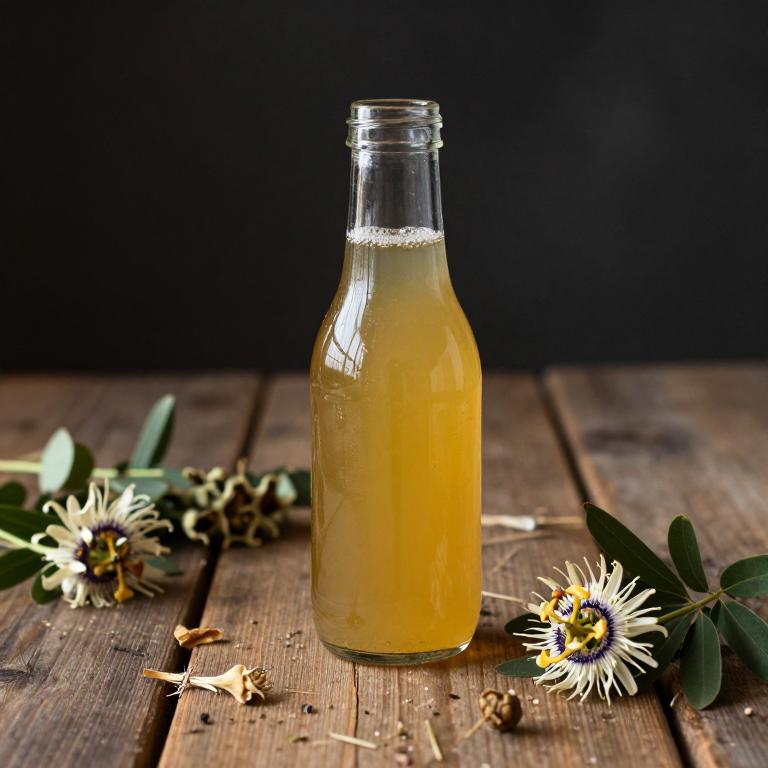
Passiflora incarnata, commonly known as passionflower, is a herbal remedy widely used for its calming effects on the nervous system.
When consumed as a herbal juice, it can help reduce anxiety and promote relaxation by increasing levels of GABA, a neurotransmitter that regulates stress and anxiety. The juice is often prepared by steeping the dried leaves or flowers in water, though some formulations may include other calming herbs for enhanced effects. Its mild, slightly sweet flavor makes it a pleasant option for those seeking natural stress relief without the side effects of pharmaceuticals.
Regular consumption of passionflower juice may support emotional balance and improve sleep quality in individuals experiencing chronic stress.
3. Licorice (Glycyrrhiza glabra)
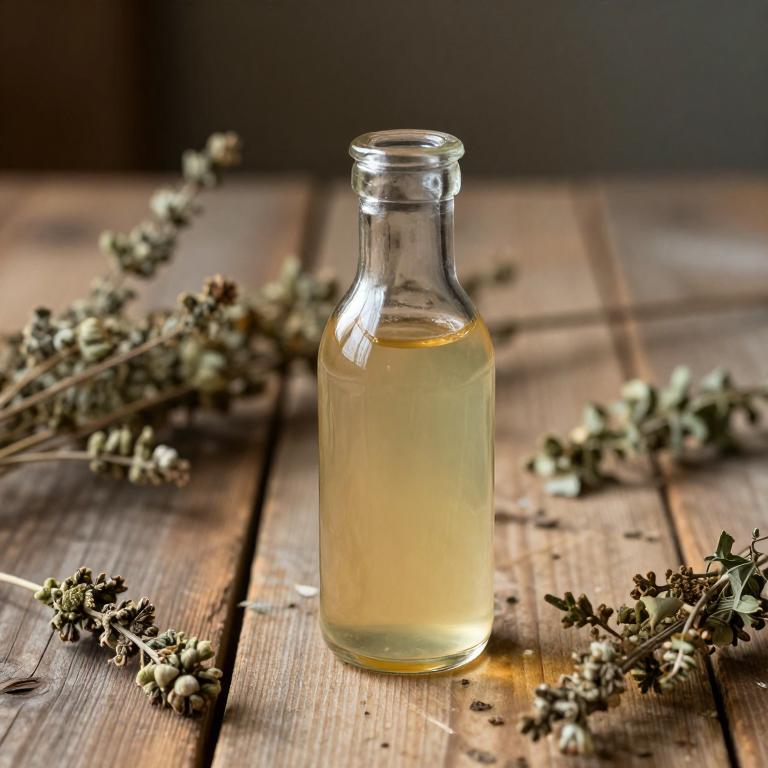
Glycyrrhiza glabra, commonly known as licorice root, has been traditionally used in herbal medicine for its potential stress-reducing properties.
The active compounds in licorice root, such as glycyrrhizin and flavonoids, may help regulate the body's stress response by supporting adrenal function and reducing cortisol levels. Herbal juices made from licorice root are often consumed to promote a sense of calm and ease anxiety associated with daily stressors. However, long-term use of licorice root juice can lead to side effects like hypertension and potassium loss, so it should be used with caution and under professional guidance.
Overall, licorice root juice may offer a natural complement to stress management, but it is not a substitute for medical treatment.
4. Heartworts (Leonurus cardiaca)
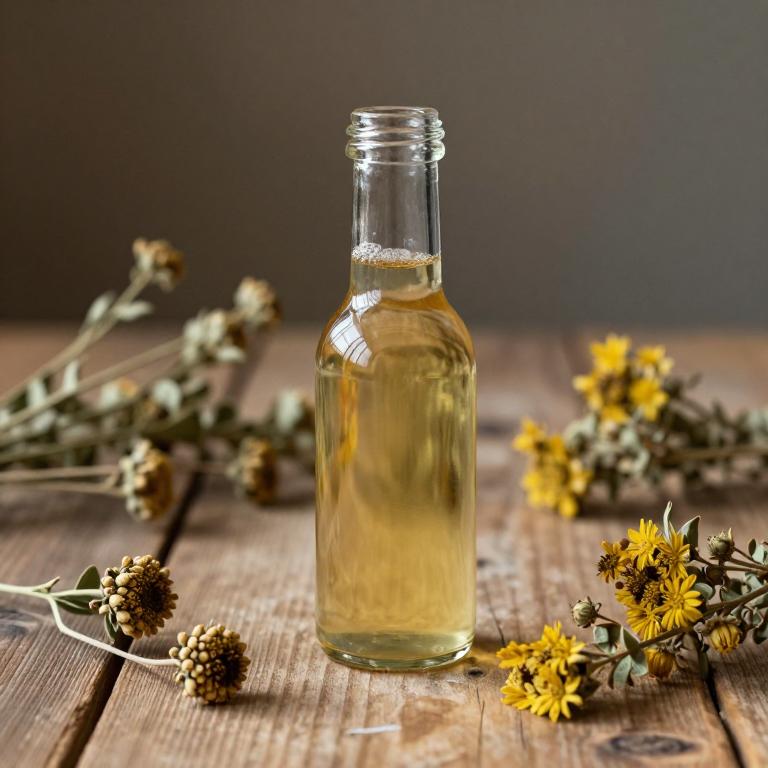
Leonurus cardiaca, commonly known as heartwarming or redweed, has been traditionally used in herbal medicine for its calming and stress-relieving properties.
When prepared as a herbal juice, it is believed to support emotional balance and reduce anxiety by promoting relaxation and enhancing mood. The plant contains bioactive compounds such as flavonoids and iridoids, which may contribute to its stress-mitigating effects. Regular consumption of Leonurus cardiaca juice may help individuals manage daily stressors and improve overall mental well-being.
However, it is advisable to consult with a healthcare professional before incorporating it into a stress management routine, especially for those with existing health conditions or taking medications.
5. Panax ginseng (Panax ginseng)
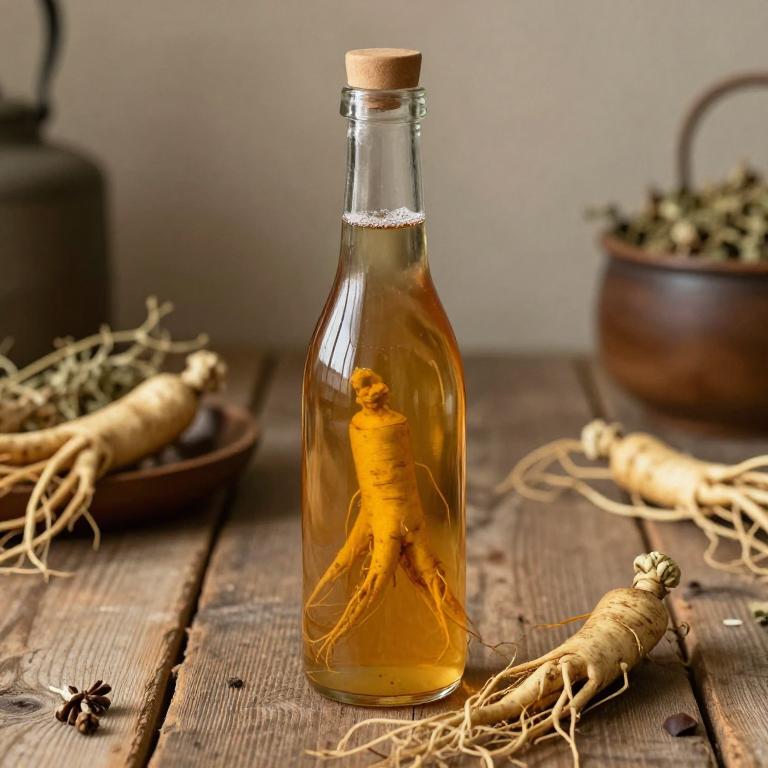
Panax ginseng, a popular adaptogenic herb, is often used in herbal juices to help manage stress and enhance mental clarity.
These juices typically combine ginseng with other calming ingredients like lemon, ginger, and green tea to create a balanced and energizing drink. The active compounds in ginseng, known as ginsenosides, are believed to support the body's ability to cope with stress by regulating cortisol levels and improving cognitive function. Consuming panax ginseng herbal juices can promote a sense of calm while boosting energy and focus, making them a natural alternative for those seeking stress relief.
Regular consumption of these juices may contribute to overall well-being and resilience against daily stressors.
6. St. john's wort (Hypericum perforatum)
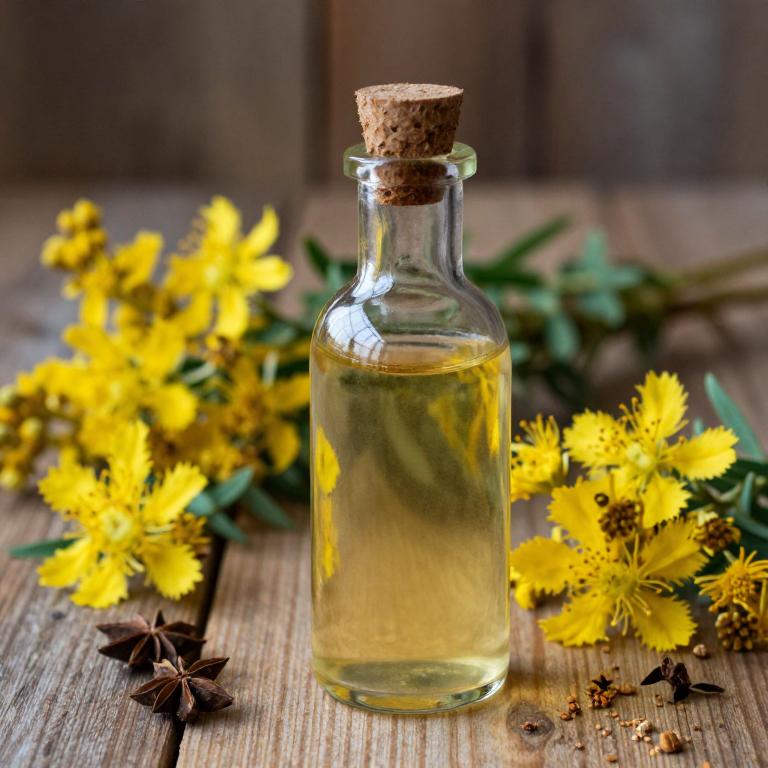
Hypericum perforatum, commonly known as St. John's Wort, is a herbal plant that has been traditionally used to support mental health and alleviate symptoms of stress and mild depression.
Its active compounds, such as hypericin and hyperforin, are believed to influence neurotransmitters like serotonin, dopamine, and norepinephrine, which play key roles in mood regulation. When consumed as a herbal juice, St. John's Wort may help reduce anxiety and promote a sense of calm, making it a popular natural remedy for stress management. However, it is important to note that St. John's Wort can interact with various medications and should be used under the guidance of a healthcare professional.
Overall, hypericum perforatum herbal juice offers a natural alternative for those seeking to manage stress, though it should be approached with caution and awareness of potential side effects.
7. Chaste tree (Vitex agnus-castus)
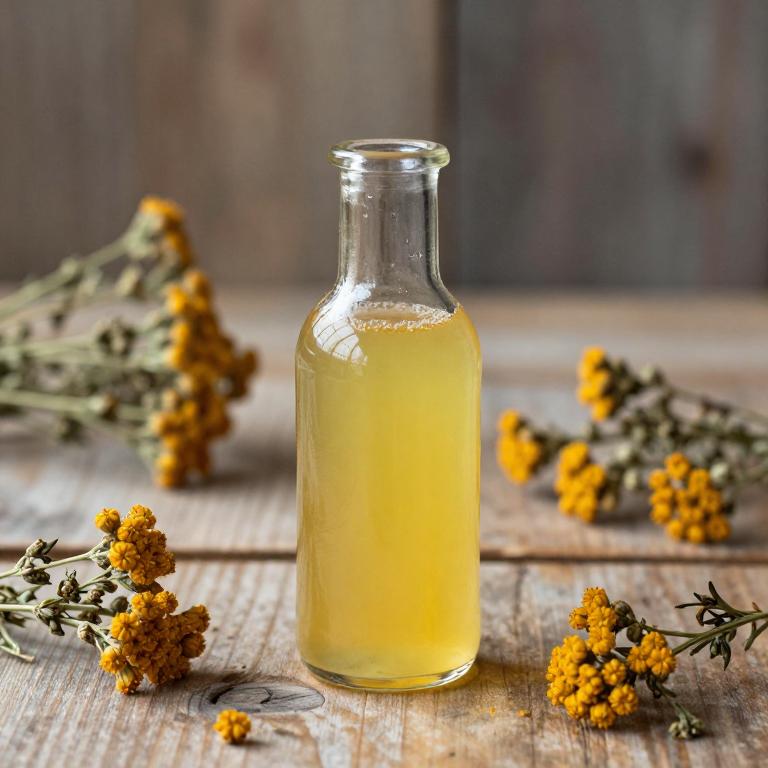
Vitex agnus-castus, commonly known as chasteberry, has been traditionally used to support hormonal balance and reduce stress-related symptoms.
Herbal juices made from vitex are believed to promote relaxation by influencing the production of neurotransmitters like serotonin and GABA, which play key roles in mood regulation. These juices may help alleviate anxiety, irritability, and sleep disturbances often linked to stress. While scientific evidence is limited, many users report improved emotional well-being and reduced stress levels after regular consumption.
As with any herbal remedy, it is advisable to consult a healthcare professional before incorporating vitex into a wellness routine.
8. English lavender (Lavandula angustifolia)
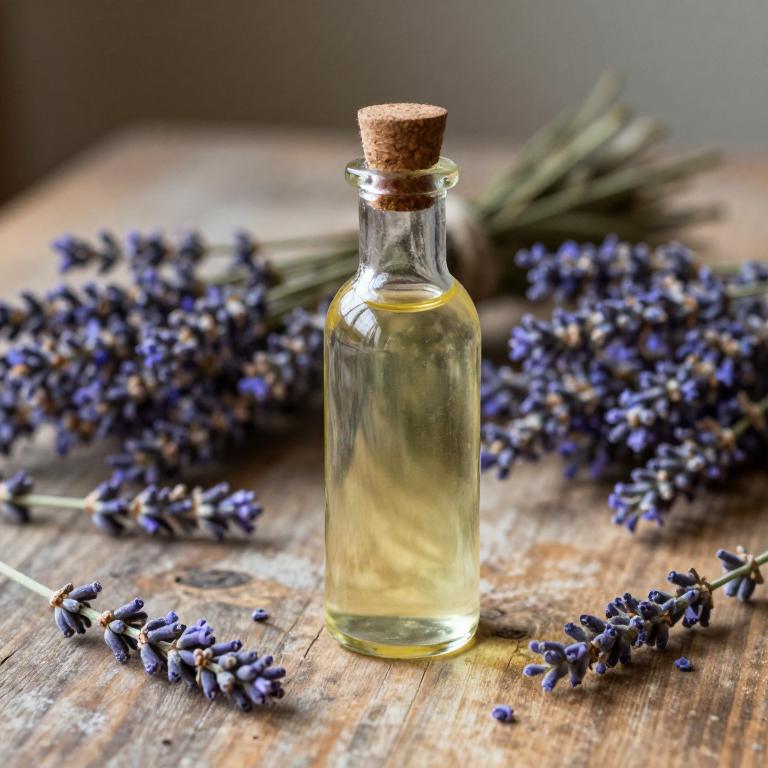
Lavandula angustifolia, commonly known as English lavender, is widely used in herbal juices for its calming properties that help reduce stress.
The essential oils and phytochemicals in lavender, such as linalool and lavandin, have been shown to promote relaxation and improve mood by interacting with the nervous system. When consumed in juice form, lavender can provide a gentle, natural way to ease anxiety and enhance emotional well-being. Many people incorporate lavender-infused juices into their daily routine to manage stress and promote a sense of tranquility.
However, it is important to use lavender in moderation and consult with a healthcare professional, especially for those with existing medical conditions or who are taking medications.
9. Lemon balm (Melissa officinalis)
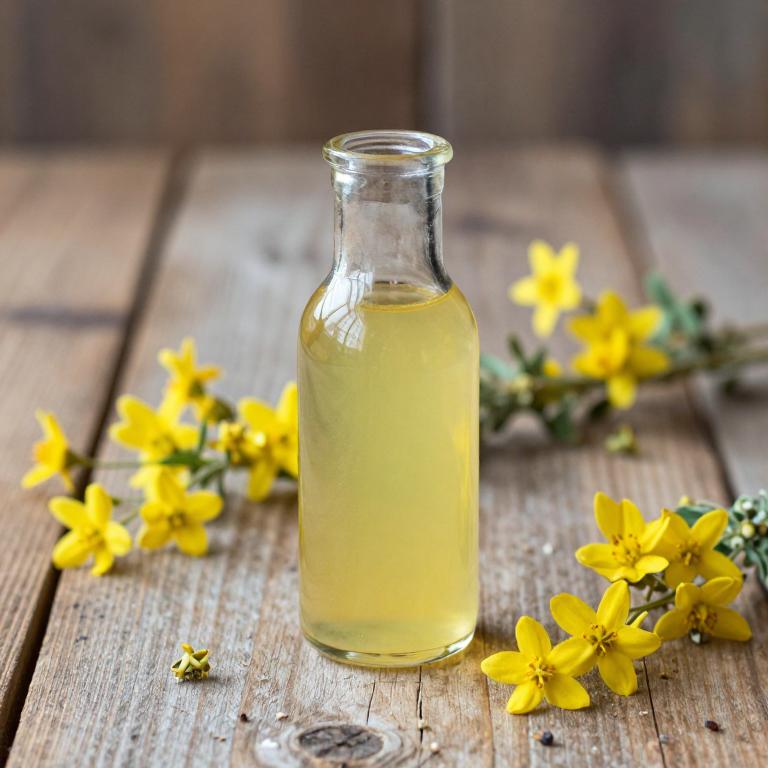
Melissa officinalis, commonly known as lemon balm, is a versatile herb often used in herbal juices to support mental well-being.
Its calming properties help reduce anxiety and stress by promoting relaxation and improving mood. When consumed as part of a juice blend, lemon balm can enhance the body's ability to manage stress through its mild sedative effects. This herb is particularly beneficial when combined with other stress-relieving ingredients like turmeric or ginger, creating a synergistic effect.
Regular consumption of melissa officinalis herbal juices may contribute to a more balanced emotional state and improved resilience against daily stressors.
10. Stinging nettle (Urtica dioica)
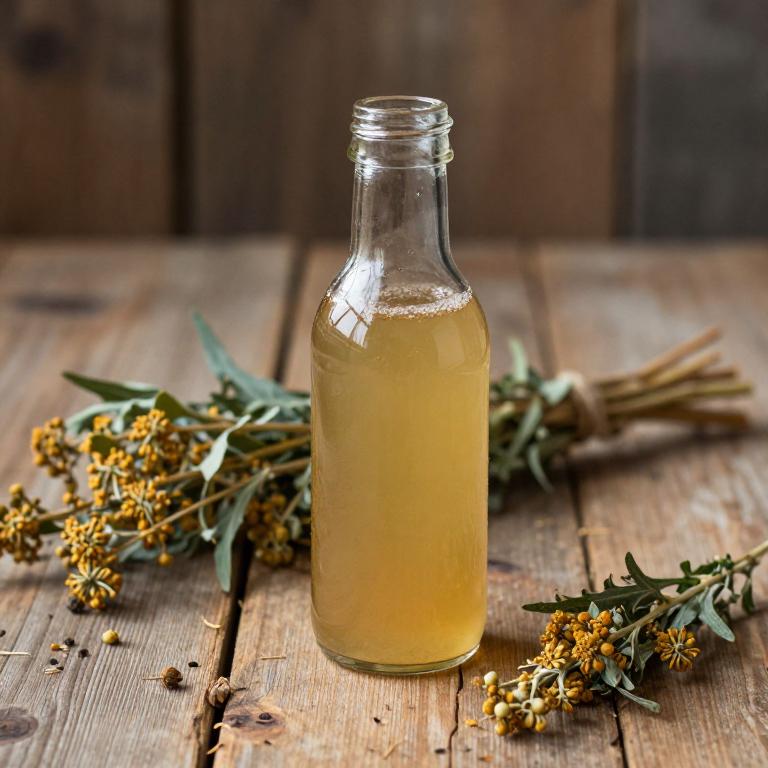
Urtica dioica, commonly known as stinging nettle, is a powerful herb that has been used for centuries in traditional medicine for its wide range of health benefits.
When prepared as a herbal juice, it can help alleviate stress by supporting the body's natural detoxification processes and promoting a sense of calm. The juice is rich in antioxidants, minerals, and vitamins that contribute to overall well-being and can help balance the nervous system. Regular consumption of stinging nettle juice may reduce cortisol levels and enhance mood, making it a natural remedy for stress relief.
It is often recommended to combine it with other calming herbs for optimal results in managing stress and promoting relaxation.