10 Best Herbal Lozenges For Stomach Pain
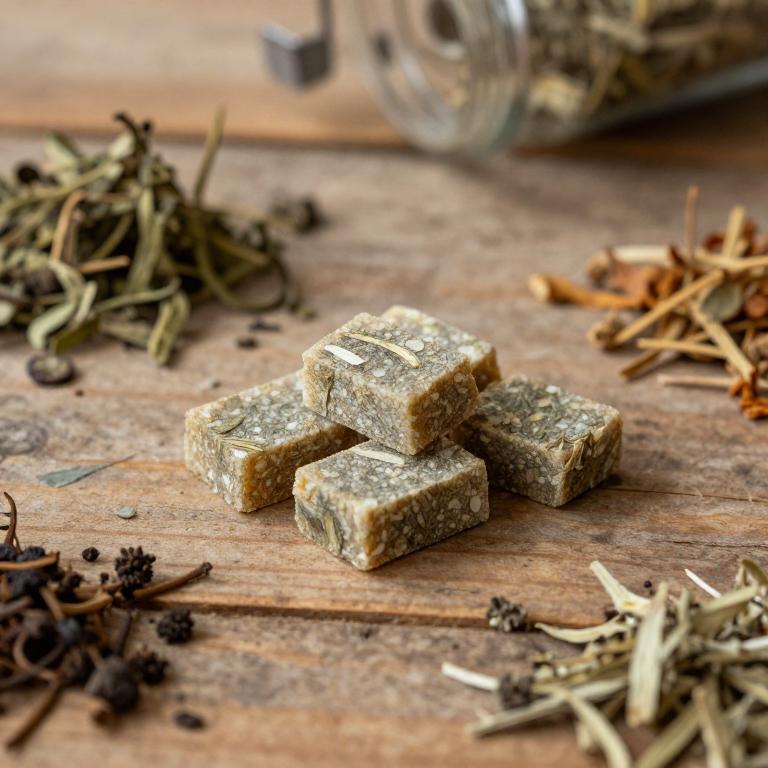
Herbal lozenges are commonly used to alleviate stomach pain by incorporating natural ingredients known for their soothing and anti-inflammatory properties.
These lozenges often contain herbs such as ginger, peppermint, and licorice root, which can help reduce nausea, ease digestion, and calm intestinal discomfort. Unlike traditional pain relievers, herbal lozenges are generally considered safer for long-term use and may offer fewer side effects. They are particularly beneficial for individuals seeking natural remedies for mild to moderate stomach issues.
However, it is important to consult a healthcare professional before using herbal lozenges, especially if the stomach pain is severe or persistent.
Table of Contents
- 1. Fennel (Foeniculum vulgare)
- 2. Cumin (Cuminum cyminum)
- 3. Ginger (Zingiber officinale)
- 4. Black pepper (Piper nigrum)
- 5. Peppermint (Mentha piperita)
- 6. Dog rose (Rosa canina)
- 7. Turmeric (Curcuma longa)
- 8. Licorice (Glycyrrhiza glabra)
- 9. Lemon grass (Cymbopogon citratus)
- 10. Caraway (Carum carvi)
1. Fennel (Foeniculum vulgare)
Foeniculum vulgare, commonly known as fennel, has been traditionally used in herbal medicine for its digestive benefits, and fennel herbal lozenges may offer relief for stomach pain by soothing the digestive tract.
These lozenges contain essential oils, such as anethole, which have antispasmodic and carminative properties that can help reduce cramping and gas. Fennel is believed to promote the secretion of digestive enzymes, aiding in the breakdown of food and alleviating discomfort. While they are generally considered safe for most adults, individuals with allergies to plants in the Apiaceae family should exercise caution.
As with any herbal remedy, it is advisable to consult a healthcare professional before using fennel lozenges, especially if symptoms persist or worsen.
2. Cumin (Cuminum cyminum)
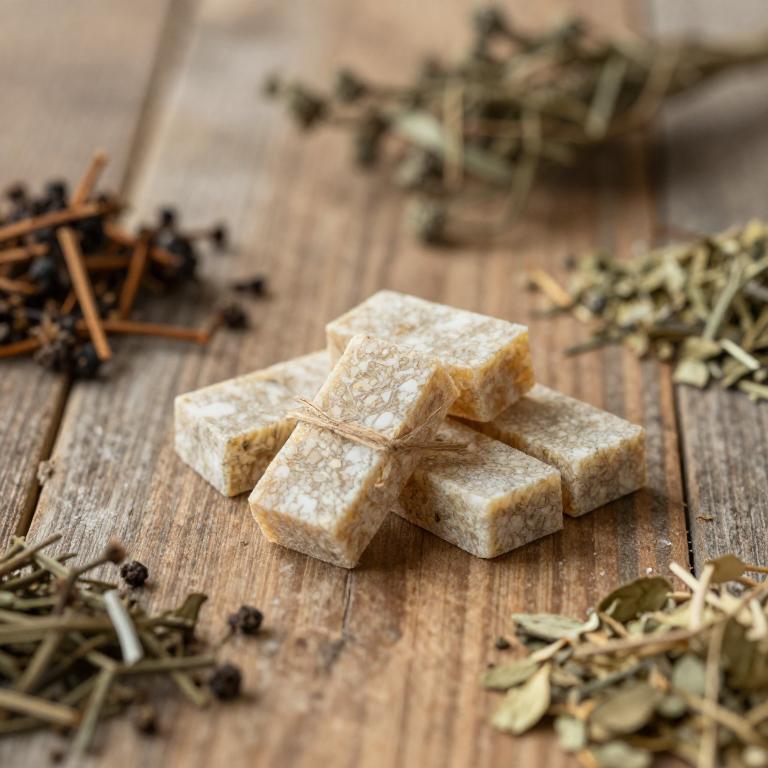
Cuminum cyminum, commonly known as cumin, is a traditional herbal remedy that has been used for centuries to address various digestive issues, including stomach pain.
When formulated into herbal lozenges, cumin can provide a convenient and targeted way to soothe gastrointestinal discomfort. The active compounds in cumin, such as cuminaldehyde and thymol, possess anti-inflammatory and carminative properties that help reduce bloating, gas, and cramping. These lozenges are often favored for their mild flavor and ease of use, making them a suitable option for individuals seeking natural relief.
However, it is important to consult with a healthcare professional before using cumin lozenges, especially for prolonged or severe stomach pain, to ensure they are appropriate for individual health conditions.
3. Ginger (Zingiber officinale)
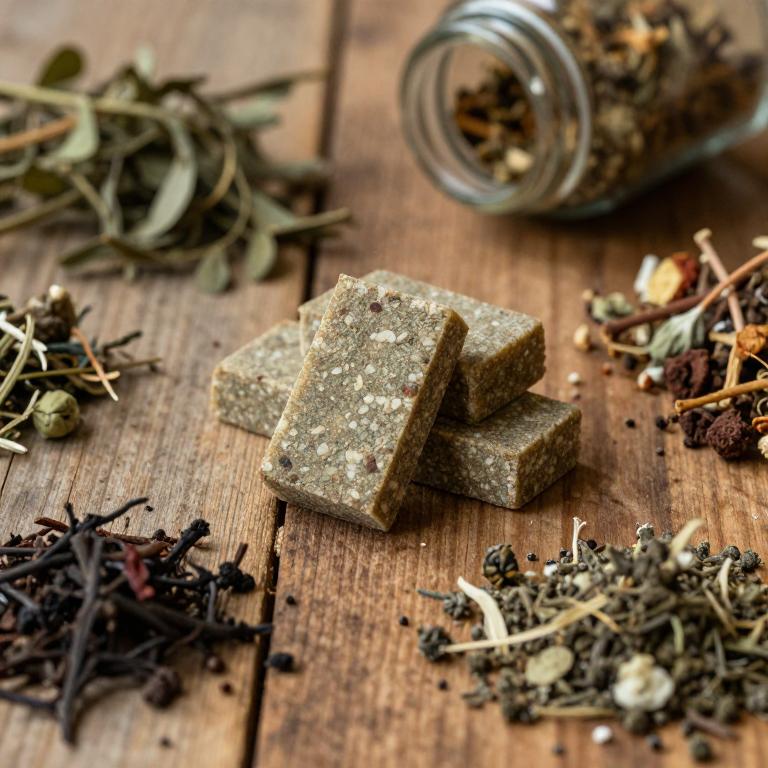
Zingiber officinale, commonly known as ginger, has been widely used in traditional medicine for its soothing effects on the digestive system.
Ginger herbal lozenges are formulated to provide targeted relief for stomach pain and digestive discomfort by leveraging the natural anti-inflammatory and carminative properties of ginger. These lozenges are often preferred for their ease of use and ability to dissolve quickly in the mouth, offering a convenient form of natural remedy. The active compounds in ginger, such as gingerol and shogaol, help reduce nausea, cramping, and bloating associated with stomach pain.
While generally safe for most people, individuals with gastrointestinal ulcers or on blood-thinning medications should consult a healthcare provider before using ginger lozenges.
4. Black pepper (Piper nigrum)
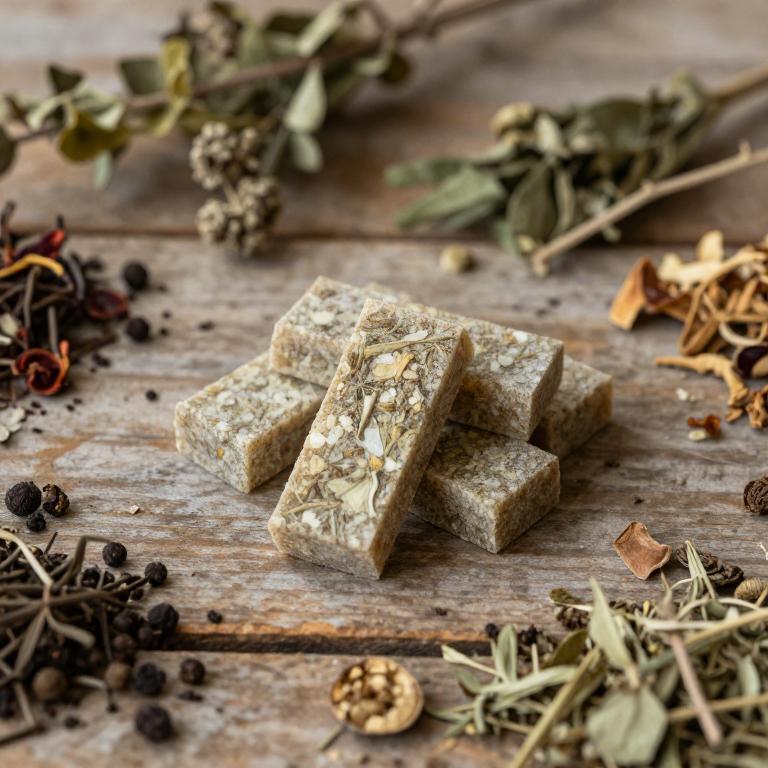
Piper nigrum, commonly known as black pepper, is an herbal remedy that has been traditionally used for its potential digestive benefits.
Piper nigrum herbal lozenges are formulated to support digestive health and may help alleviate symptoms of stomach pain by promoting the secretion of digestive enzymes. The active compound, piperine, is believed to enhance the absorption of nutrients and may have anti-inflammatory properties that soothe the gastrointestinal tract. These lozenges are often used as a natural alternative to over-the-counter medications for mild digestive discomfort.
However, it is advisable to consult a healthcare professional before using them, especially if the stomach pain is persistent or severe.
5. Peppermint (Mentha piperita)
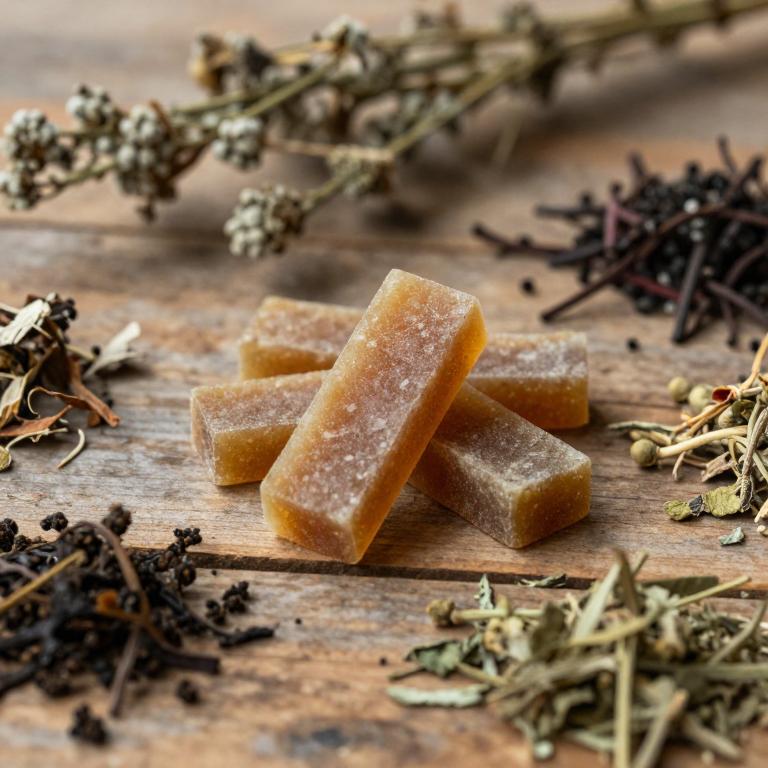
Mentha piperita, commonly known as peppermint, is often used in herbal lozenges to alleviate stomach pain due to its calming and antispasmodic properties.
These lozenges work by relaxing the smooth muscles of the gastrointestinal tract, which can help reduce cramping and discomfort associated with conditions like irritable bowel syndrome or indigestion. The menthol in peppermint has a cooling effect that may soothe the lining of the stomach and ease nausea. Additionally, the aromatic compounds in peppermint can help ease digestion and reduce bloating.
While generally safe for most people, individuals with certain gastrointestinal conditions should consult a healthcare professional before using peppermint lozenges.
6. Dog rose (Rosa canina)
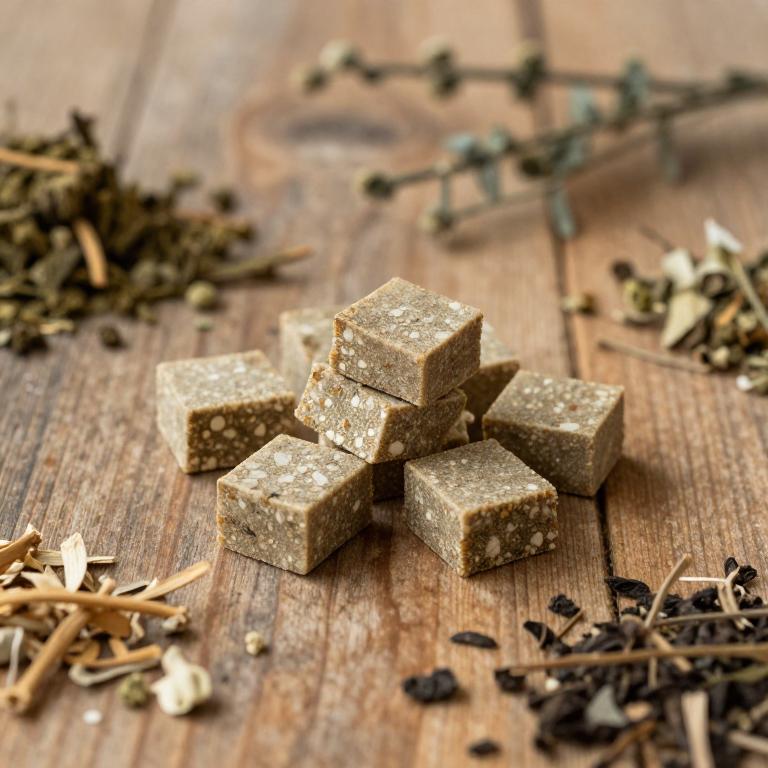
Rosa canina herbal lozenges are traditional remedies made from the berries of the rose dogwood plant, known for their soothing and anti-inflammatory properties.
These lozenges are often used to alleviate stomach pain by promoting digestion and reducing irritation in the gastrointestinal tract. The natural compounds in Rosa canina, such as flavonoids and vitamin C, help to support gut health and ease discomfort associated with indigestion or mild stomach inflammation. They are typically recommended for individuals seeking a gentle, plant-based solution for occasional digestive issues.
As with any herbal remedy, it is advisable to consult a healthcare professional before use, especially for those with existing medical conditions or who are taking other medications.
7. Turmeric (Curcuma longa)
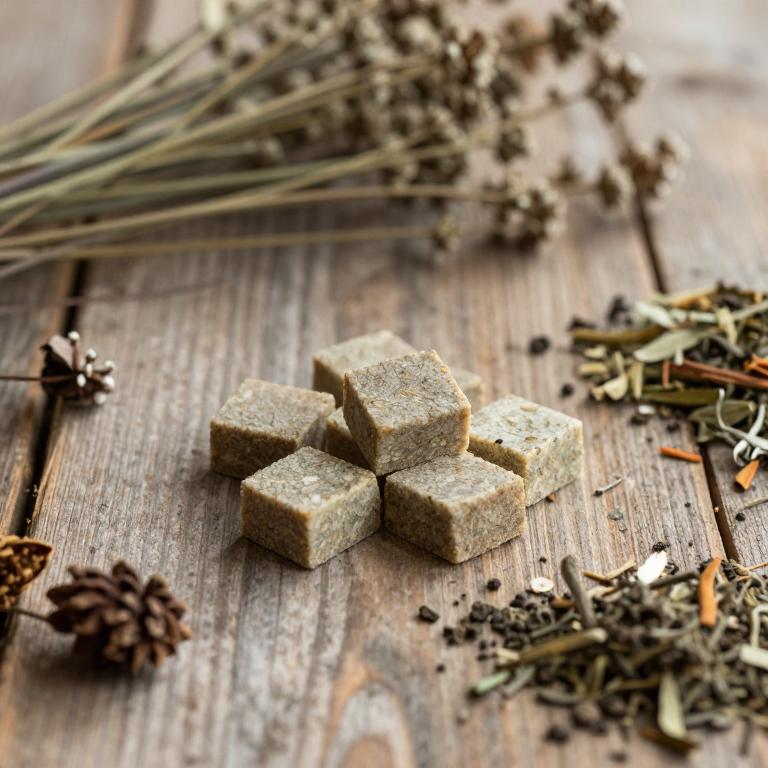
Curcuma longa, commonly known as turmeric, contains active compounds like curcumin that have been traditionally used for their anti-inflammatory and antioxidant properties.
Curcuma longa herbal lozenges are formulated to provide targeted relief for stomach pain by soothing the digestive tract and reducing inflammation. These lozenges are often made with natural ingredients, making them a safer alternative to conventional pain medications for some individuals. They can help alleviate symptoms such as indigestion, bloating, and mild stomach discomfort.
However, it is advisable to consult a healthcare professional before use, especially if the stomach pain is severe or persistent.
8. Licorice (Glycyrrhiza glabra)
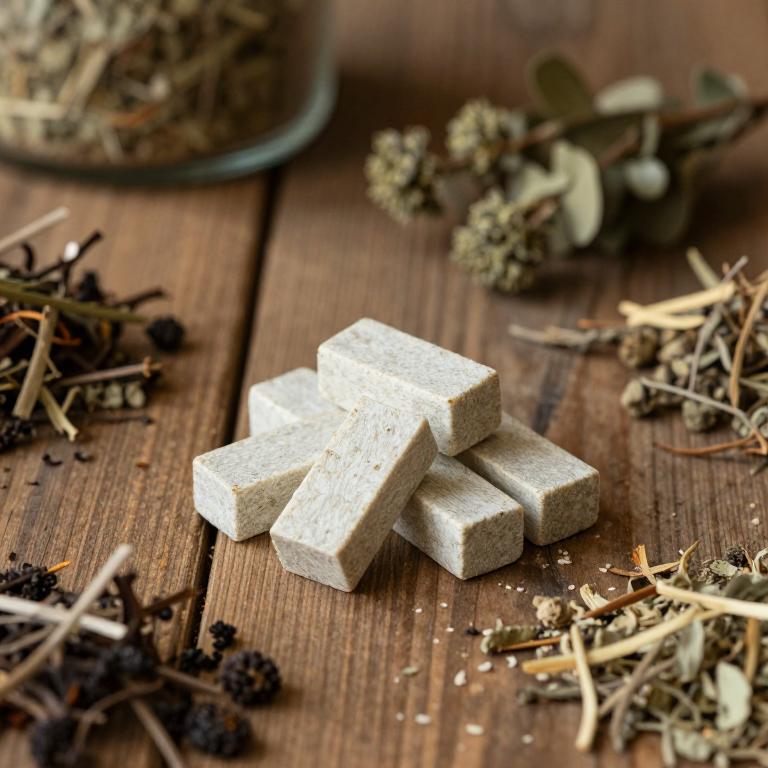
Glycyrrhiza glabra, commonly known as licorice root, has been traditionally used for its soothing properties and is often incorporated into herbal lozenges to alleviate stomach pain.
These lozenges work by coating the lining of the stomach, which can help reduce irritation and inflammation associated with conditions like gastritis or ulcers. The active compounds in licorice root, such as glycyrrhizin, possess anti-inflammatory and antispasmodic effects that may provide relief from digestive discomfort. However, long-term use of licorice root can lead to side effects like hypertension due to its impact on sodium retention.
As a complementary therapy, licorice root lozenges may offer natural relief for mild stomach pain when used under the guidance of a healthcare professional.
9. Lemon grass (Cymbopogon citratus)
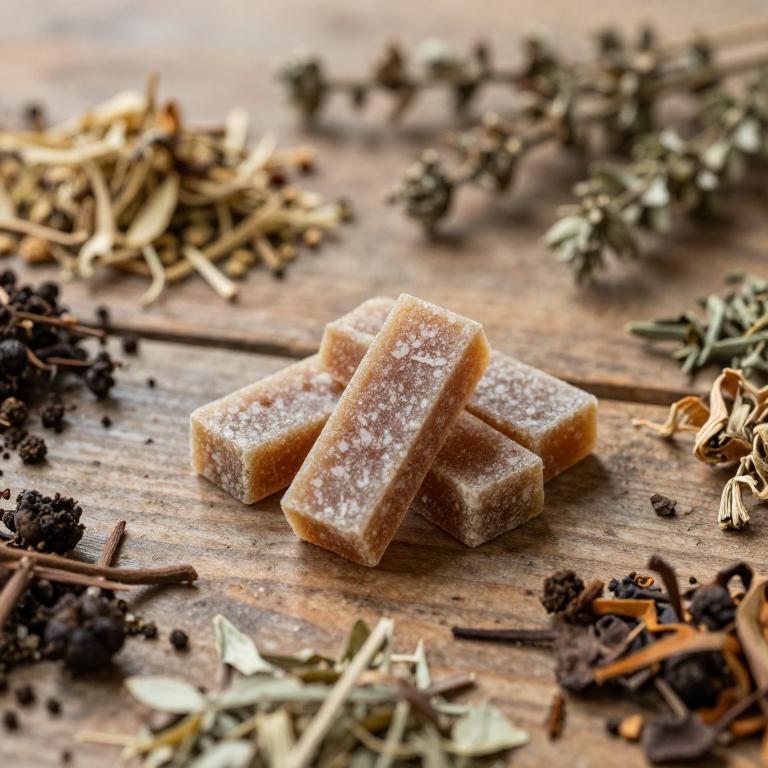
Cymbopogon citratus, commonly known as lemon grass, is a herbal remedy that has been used for centuries in traditional medicine for its soothing and anti-inflammatory properties.
Lemon grass herbal lozenges are formulated to provide natural relief from stomach pain by calming the digestive system and reducing irritation. These lozenges contain essential oils and phytochemicals that may help alleviate symptoms such as bloating, cramping, and indigestion. The gentle action of lemon grass makes it a suitable option for those seeking natural alternatives to conventional medications.
However, it is advisable to consult a healthcare professional before using these lozenges, especially if the stomach pain is persistent or severe.
10. Caraway (Carum carvi)
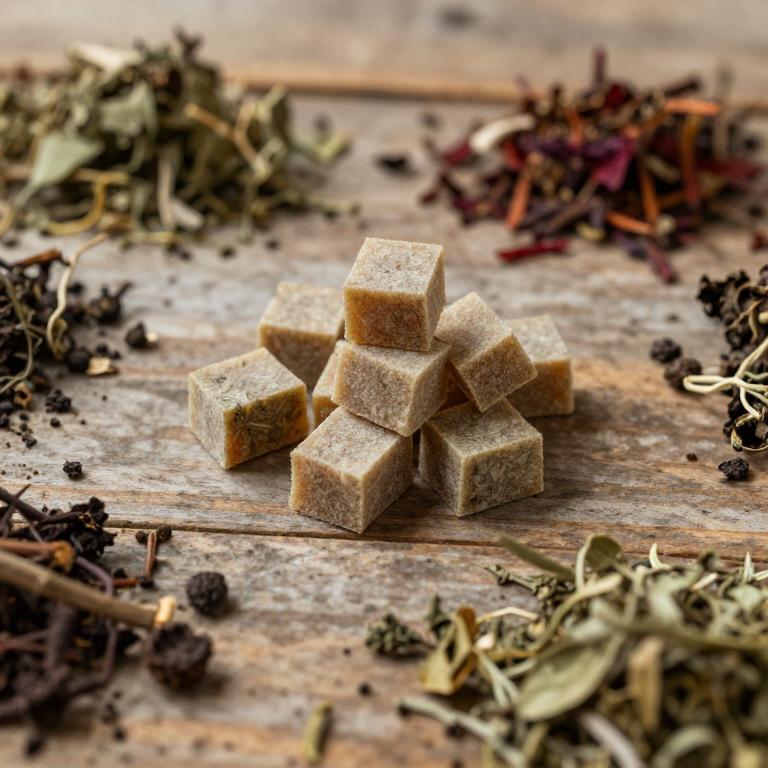
Carum carvi, commonly known as caraway, has been traditionally used for its digestive benefits, and carum carvi herbal lozenges are formulated to support relief from stomach pain and digestive discomfort.
These lozenges contain essential oils derived from the caraway plant, which are known for their carminative and antispasmodic properties. When chewed or dissolved, the lozenges release these active compounds, helping to soothe the gastrointestinal tract and reduce symptoms such as bloating, cramping, and indigestion. The herbal formulation is typically free from harsh chemicals, making it a natural alternative for those seeking relief from mild stomach issues.
However, it is advisable to consult a healthcare professional before use, especially for individuals with chronic digestive conditions or those taking other medications.