10 Best Herbal Lozenges For Stomach Growling
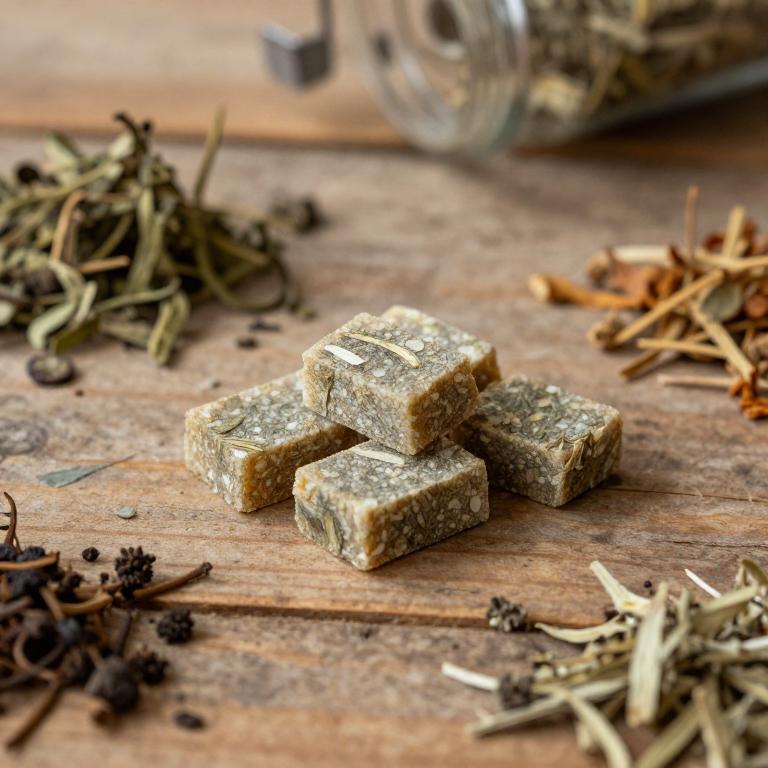
Herbal lozenges are natural remedies designed to soothe digestive discomfort, including stomach growling, by calming the gastrointestinal tract.
These lozenges often contain ingredients like ginger, peppermint, licorice root, and fennel, which are known for their anti-inflammatory and antispasmodic properties. They work by reducing gas, easing muscle contractions, and promoting a sense of calm in the stomach. Unlike conventional medications, herbal lozenges are generally considered safe for most people, though they may not be suitable for those with specific allergies or health conditions.
Regular use of these lozenges can help manage frequent stomach noises and improve overall digestion.
Table of Contents
- 1. Fennel (Foeniculum vulgare)
- 2. Cumin (Cuminum cyminum)
- 3. Peppermint (Mentha piperita)
- 4. Love-in-a-mist (Peucedanum ostruthium)
- 5. Ginger (Zingiber officinale)
- 6. Anise (Pimpinella anisum)
- 7. Licorice (Glycyrrhiza glabra)
- 8. Lemon grass (Cymbopogon citratus)
- 9. Thistle (Silybum marianum)
- 10. English lavender (Lavandula angustifolia)
1. Fennel (Foeniculum vulgare)
Foeniculum vulgare, commonly known as fennel, is often used in herbal lozenges to alleviate symptoms of stomach growling, which is typically caused by digestive discomfort or gas.
These lozenges work by soothing the digestive tract and reducing the frequency of gaseous disturbances through their carminative properties. Fennel contains compounds like anethole and fenchone, which help relax the smooth muscles of the gastrointestinal tract, easing cramping and bloating. The mild, sweet flavor of fennel makes these lozenges pleasant to consume, encouraging regular use for ongoing relief.
When used as part of a holistic approach to digestive health, fennel lozenges can provide natural and effective support for those experiencing persistent stomach growling.
2. Cumin (Cuminum cyminum)
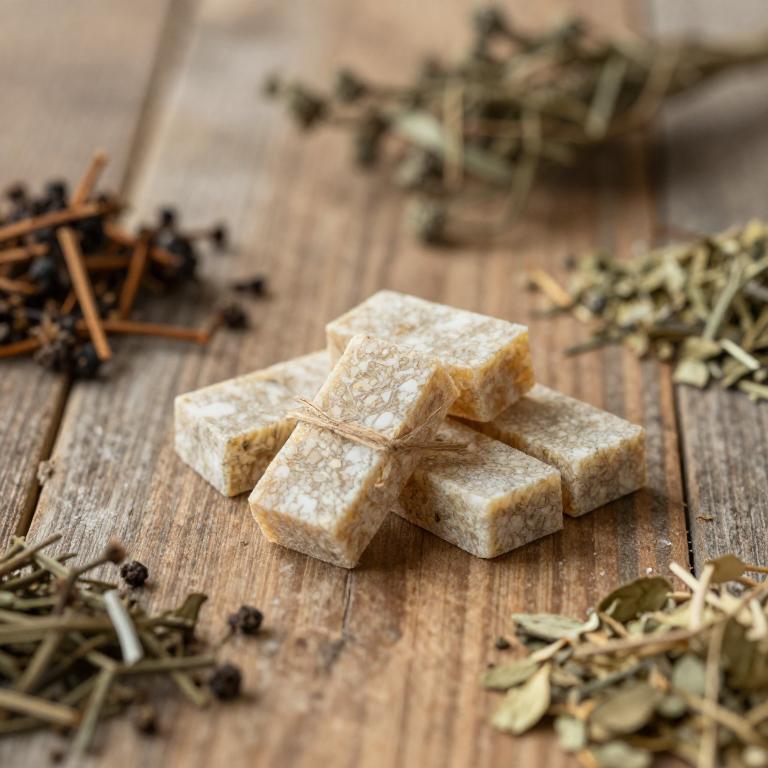
Cuminum cyminum, commonly known as cumin, is a popular herbal remedy that has been used for centuries to address digestive issues, including stomach growling.
When formulated into herbal lozenges, cumin can help soothe the digestive tract by promoting healthy digestion and reducing gas buildup. These lozenges are often made with natural ingredients that work synergistically to calm the stomach and reduce discomfort. The warming properties of cumin may also help ease cramps and improve overall digestive function.
As a herbal alternative, cumin lozenges offer a gentle and natural approach to managing stomach growling and other mild digestive disturbances.
3. Peppermint (Mentha piperita)
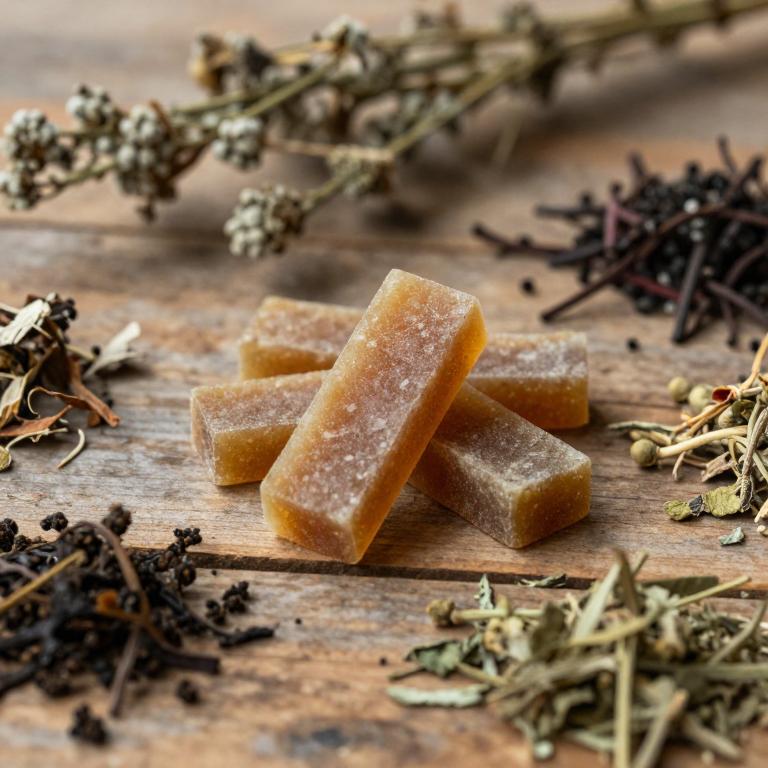
Mentha piperita, commonly known as peppermint, is a widely used herb known for its soothing properties and ability to alleviate digestive discomfort.
Peppermint herbal lozenges are formulated to provide relief from stomach growling, often associated with gastrointestinal upset or bloating. These lozenges work by relaxing the smooth muscles of the digestive tract, reducing the frequency and intensity of gurgling sounds. The cooling and minty flavor of peppermint also helps to soothe the throat and promote a sense of calm, making them a pleasant and effective remedy.
Regular use of peppermint lozenges can support overall digestive health and ease symptoms related to indigestion and stomach discomfort.
4. Love-in-a-mist (Peucedanum ostruthium)
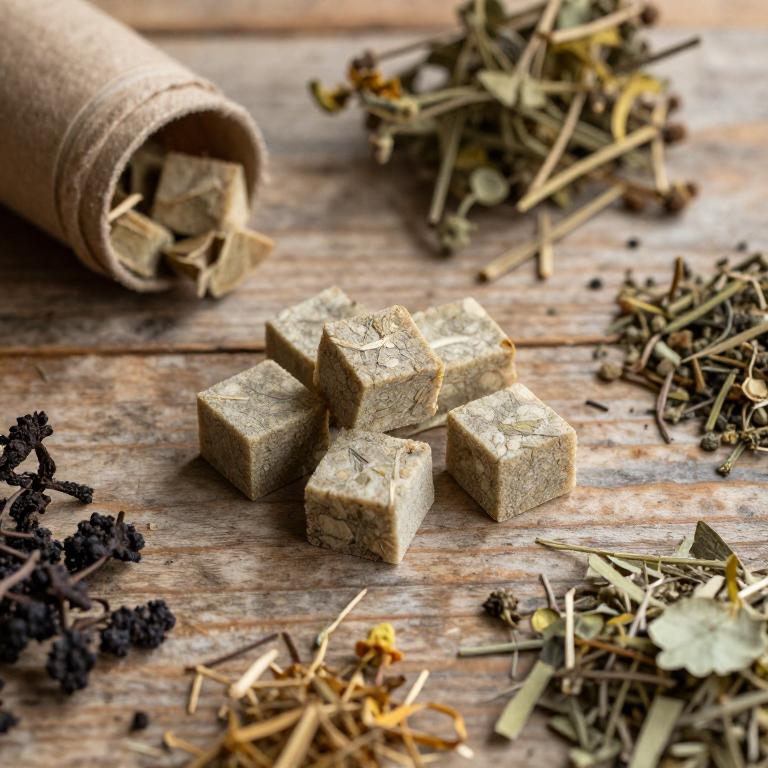
Peucedanum ostruthium herbal lozenges are formulated to address the discomfort of stomach growling by soothing the digestive system with their natural herbal ingredients.
These lozenges contain a blend of traditional herbs known for their carminative and anti-inflammatory properties, which help reduce excess gas and irritation in the stomach. The slow dissolution of the lozenges allows for prolonged release of active compounds, providing sustained relief throughout the day. They are particularly beneficial for individuals experiencing frequent or persistent stomach noises due to indigestion or dietary sensitivities.
As a natural alternative to over-the-counter remedies, these lozenges offer a gentle and effective way to manage digestive discomfort.
5. Ginger (Zingiber officinale)
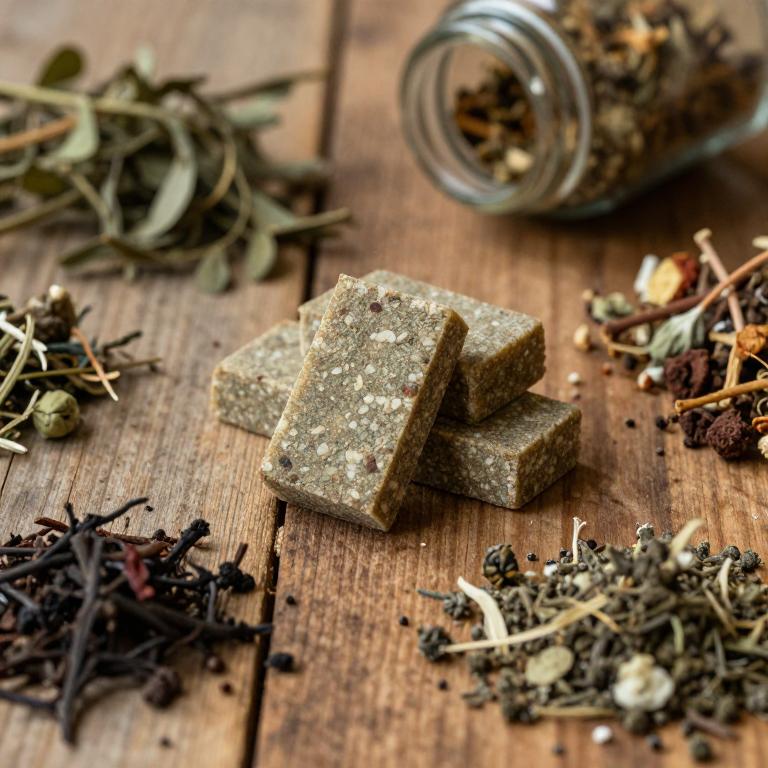
Zingiber officinale, commonly known as ginger, has been widely recognized for its digestive benefits and is often used in herbal lozenges to alleviate symptoms such as stomach growling.
These lozenges work by soothing the gastrointestinal tract and reducing the discomfort associated with excessive gas and bloating. The active compounds in ginger, such as gingerol and shogaol, help to calm the muscles in the digestive system, thereby minimizing the rumbling sounds. Additionally, ginger's anti-inflammatory properties can aid in reducing irritation and inflammation in the stomach lining.
As a natural remedy, zingiber officinale herbal lozenges offer a safe and effective alternative for those seeking relief from occasional stomach growling without relying on pharmaceuticals.
6. Anise (Pimpinella anisum)
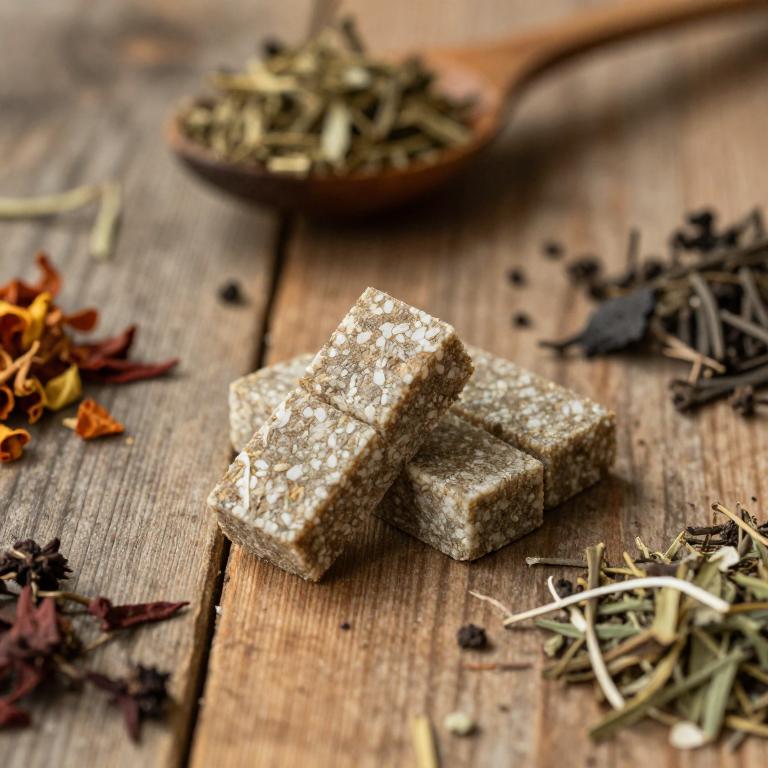
Pimpinella anisum, commonly known as anise, is a traditional herb often used in herbal lozenges to alleviate symptoms of stomach growling, also known as borborygmi.
These lozenges work by soothing the digestive tract and reducing the intensity of gastrointestinal noises through their mild antispasmodic properties. The essential oils in anise, particularly anethol, help relax the smooth muscles in the stomach and intestines, which can decrease the frequency of rumbling sounds. Herbal lozenges containing Pimpinella anisum are typically safe for regular use and can be a natural alternative for those seeking relief from mild digestive discomfort.
They are often recommended alongside dietary adjustments and hydration to support overall digestive health.
7. Licorice (Glycyrrhiza glabra)
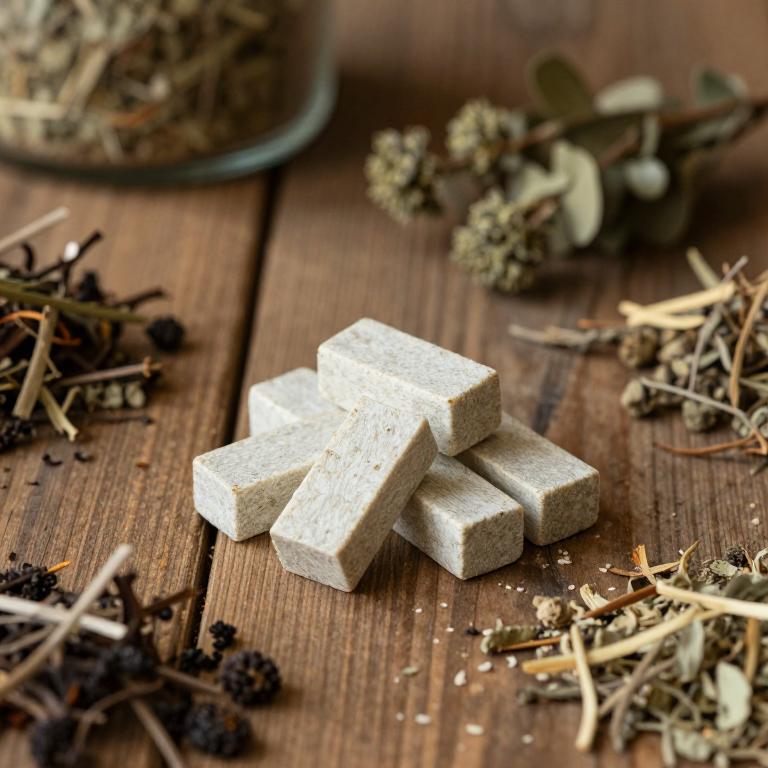
Glycyrrhiza glabra, commonly known as licorice root, has been traditionally used in herbal medicine for its soothing properties.
Glycyrrhiza glabra herbal lozenges are formulated to address stomach growling by calming the digestive system and reducing irritation. The active compounds in licorice root, such as glycyrrhizin, have anti-inflammatory and antispasmodic effects that may help alleviate gastrointestinal discomfort. These lozenges are often used as a natural remedy for digestive issues like bloating and gas.
However, long-term use should be monitored due to potential side effects related to corticosteroid-like effects.
8. Lemon grass (Cymbopogon citratus)
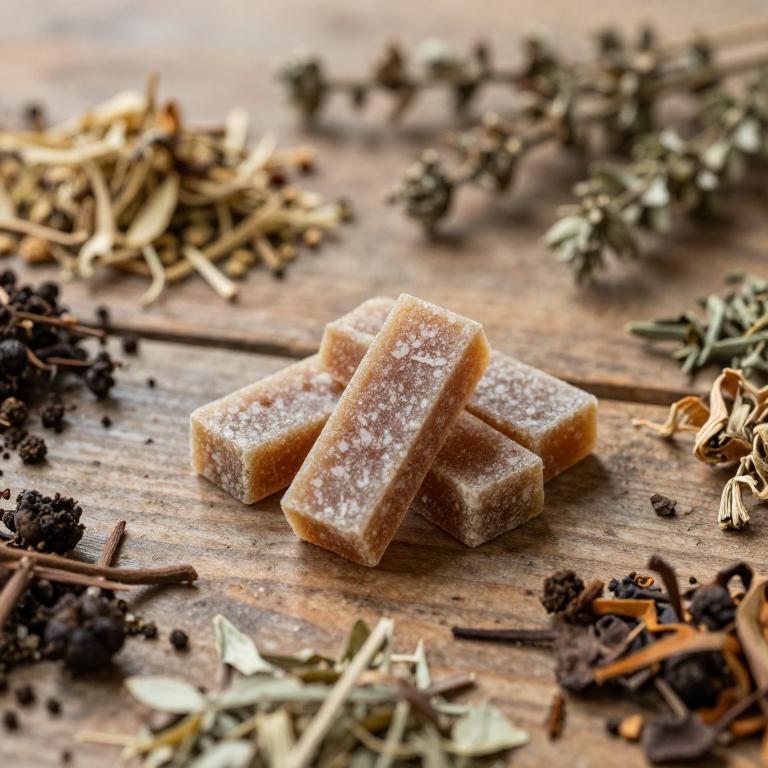
Cymbopogon citratus, commonly known as lemon grass, is a herbal ingredient often used in traditional medicine for its soothing and digestive properties.
Lemon grass herbal lozenges are formulated to help alleviate symptoms of stomach growling by promoting healthy digestion and reducing gastrointestinal discomfort. These lozenges contain natural compounds that may help regulate gut motility and reduce excess gas, which can contribute to the sound of stomach growling. They are typically made with a combination of lemon grass extract and other soothing herbs, making them a gentle option for those seeking natural relief.
Regular use of these lozenges may support overall digestive wellness and help minimize the occurrence of stomach noises.
9. Thistle (Silybum marianum)
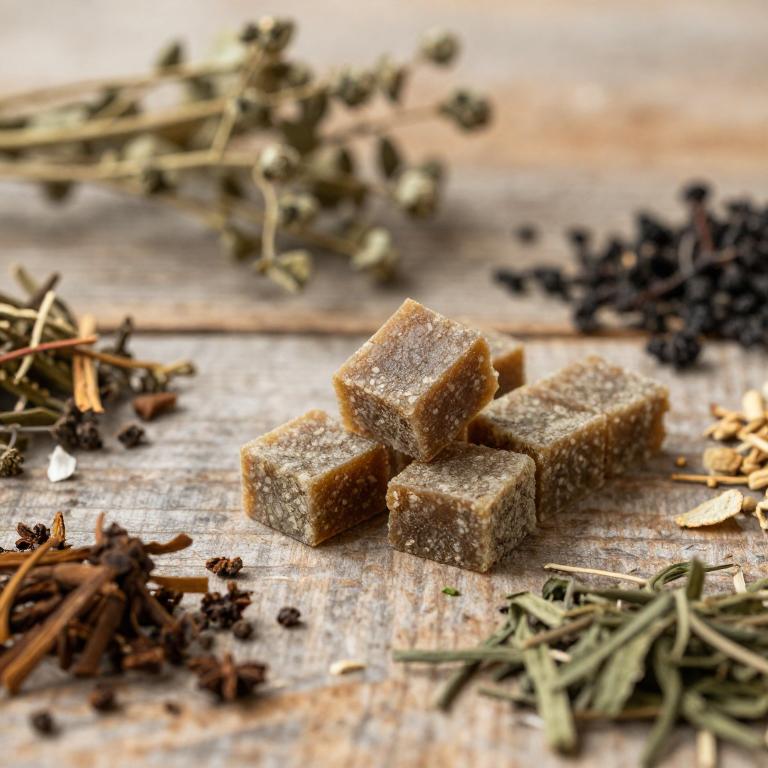
Silybum marianum, also known as milk thistle, is a herbal remedy commonly used for its potential liver-protective properties.
While primarily studied for its effects on liver health, some traditional uses suggest it may support digestive wellness. Silybum marianum herbal lozenges are formulated to be easily consumed and may help soothe the digestive tract. These lozenges are often used to address symptoms like stomach growling, which can be associated with digestive discomfort or irregular bowel movements.
However, it is important to consult a healthcare professional before using them, especially for individuals with existing medical conditions or those taking other medications.
10. English lavender (Lavandula angustifolia)
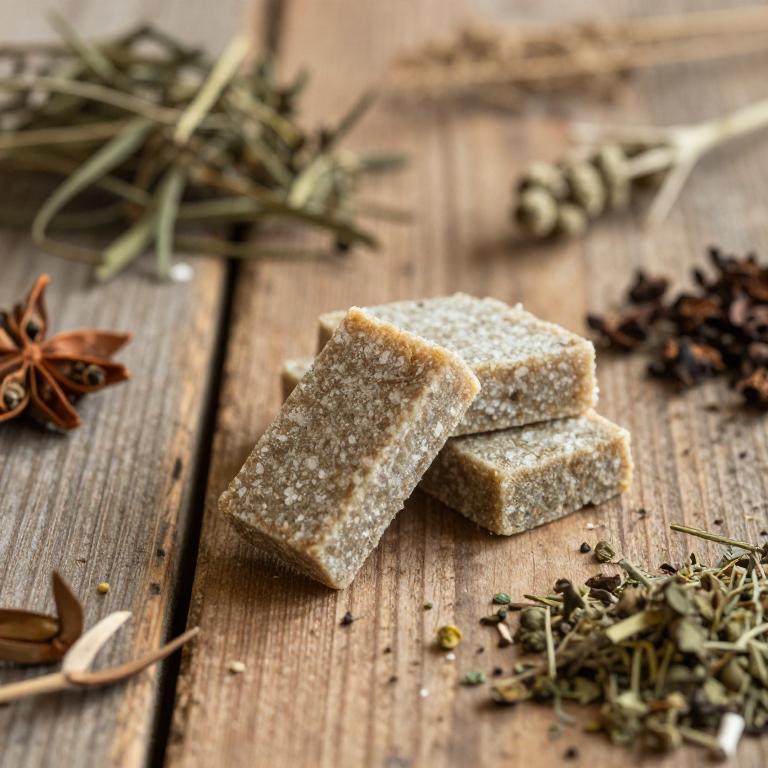
Lavandula angustifolia, commonly known as English lavender, is often used in herbal remedies for its calming and digestive properties.
Lavandula angustifolia herbal lozenges are formulated to soothe the digestive system and may help reduce symptoms like stomach growling, also known as borborygmi. These lozenges typically contain a blend of lavender essential oil and other digestive-supporting herbs, which can help ease gastrointestinal discomfort. The soothing aroma of lavender may also promote relaxation, indirectly supporting digestive health.
While not a substitute for medical treatment, these lozenges can be a natural complement to managing occasional digestive issues.