10 Best Herbal Creams For Stomach Growling
Herbal creams for stomach growling are natural topical treatments designed to soothe digestive discomfort by applying warmth and calming ingredients directly to the abdomen.
These creams often contain soothing herbs like ginger, chamomile, and peppermint, which are known for their anti-inflammatory and calming properties. They can help reduce the sensation of rumbling or gurgling sounds by relaxing the muscles in the digestive tract. While they are not a cure for underlying digestive issues, they can provide temporary relief and comfort.
It is important to consult a healthcare professional if stomach growling persists or is accompanied by other symptoms.
Table of Contents
- 1. Fennel (Foeniculum vulgare)
- 2. Cumin (Cuminum cyminum)
- 3. Peppermint (Mentha piperita)
- 4. Ginger (Zingiber officinale)
- 5. Licorice (Glycyrrhiza glabra)
- 6. Love-in-a-mist (Peucedanum ostruthium)
- 7. Thistle (Silybum marianum)
- 8. Turmeric (Curcuma longa)
- 9. Caraway (Carum carvi)
- 10. English lavender (Lavandula angustifolia)
1. Fennel (Foeniculum vulgare)
Foeniculum vulgare, commonly known as fennel, is often used in herbal creams to address issues like stomach growling, which is typically caused by gas or digestive discomfort.
These creams are formulated with fennel essential oil, which has mild antispasmodic and carminative properties that can help soothe the digestive system. When applied topically, the warming sensation of the cream may help relax the muscles in the abdomen, reducing the frequency of stomach noises. However, it is important to note that while fennel creams may provide some relief, they are not a substitute for medical advice, especially for persistent or severe digestive issues.
Always consult a healthcare professional before using any herbal remedy, particularly if you have known allergies or are pregnant.
2. Cumin (Cuminum cyminum)
Cuminum cyminum, commonly known as cumin, has been traditionally used in herbal remedies for digestive issues, including stomach growling.
When incorporated into herbal creams, cumin's essential oils may help soothe the digestive system by reducing gas and bloating. These creams are often applied topically to the abdomen, where they can provide a warming sensation that promotes relaxation of the muscles. While not a substitute for medical treatment, they may offer some relief for mild digestive discomfort.
However, it is important to consult a healthcare professional before using any herbal remedy, especially if you have underlying health conditions.
3. Peppermint (Mentha piperita)
Mentha piperita, commonly known as peppermint, is a popular herb used in the formulation of herbal creams designed to alleviate stomach growling and digestive discomfort.
These creams typically contain a high concentration of menthol, which has a cooling effect that can help soothe the gastrointestinal tract. When applied topically to the abdomen, peppermint herbal creams may help reduce the sensation of rumbling by relaxing the muscles in the digestive system. They are often recommended for individuals experiencing mild to moderate symptoms of irritable bowel syndrome or gas-related discomfort.
However, it is important to consult a healthcare professional before using these creams, especially if you have a history of skin sensitivity or other underlying health conditions.
4. Ginger (Zingiber officinale)
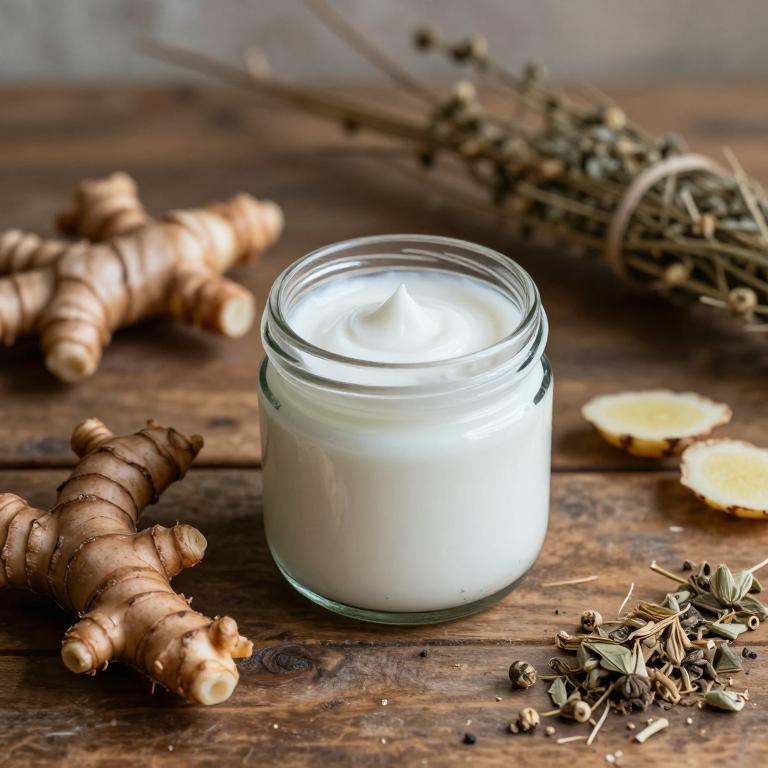
Zingiber officinale, commonly known as ginger, has been widely used in traditional medicine for its digestive benefits, and ginger-based herbal creams are increasingly being utilized to alleviate symptoms of stomach growling, also known as borborygmi.
These creams typically contain concentrated extracts of fresh or dried ginger root, which possess anti-inflammatory and carminative properties that help reduce intestinal gas and soothe the digestive tract. When applied topically to the abdomen, the warming effect of ginger can stimulate blood circulation and ease discomfort associated with digestive disturbances. While not a substitute for medical treatment, these creams may offer a natural, complementary approach to managing occasional stomach noises and bloating.
However, individuals with sensitive skin or allergies should perform a patch test before using ginger-based products to avoid adverse reactions.
5. Licorice (Glycyrrhiza glabra)
Glycyrrhiza glabra, commonly known as licorice root, has been traditionally used in herbal medicine for its soothing properties, and licorice-based creams are increasingly being explored for their potential benefits in alleviating stomach growling.
These creams often contain extracts of licorice root, which is believed to have anti-inflammatory and antispasmodic effects that may help reduce intestinal discomfort and irregular bowel sounds. The mucilage in licorice root can coat the digestive tract, potentially calming the lining and reducing irritation that may contribute to stomach noises. While more research is needed to fully understand its efficacy, some users report relief from digestive issues when using licorice-infused topical creams.
As with any herbal remedy, it is important to consult a healthcare professional before use, especially for individuals with known allergies or medical conditions.
6. Love-in-a-mist (Peucedanum ostruthium)
Peucedanum ostruthium, also known as bishop's weed, is a traditional herb that has been used for centuries in herbal medicine to address digestive issues, including stomach growling.
When incorporated into herbal creams, it is believed to help soothe the digestive tract and reduce the discomfort associated with excessive gas and rumbling. These creams often combine Peucedanum ostruthium with other calming herbs like ginger or fennel to enhance their effectiveness. The application of such creams is typically external, targeting the abdomen to provide a warming and soothing effect.
While some users report relief from stomach growling, it is important to consult a healthcare professional before using these products, especially if symptoms persist or worsen.
7. Thistle (Silybum marianum)
Silybum marianum, also known as milk thistle, is a herbal remedy commonly used in the formulation of creams and supplements aimed at supporting digestive health.
These herbal creams are often marketed for their potential to reduce stomach growling, which can be a symptom of digestive discomfort or irritable bowel syndrome. The active compound, silymarin, is believed to have anti-inflammatory and antioxidant properties that may help soothe the gastrointestinal tract. While some users report relief from stomach noises after using these creams, scientific evidence supporting their efficacy for this specific use is limited.
As with any herbal product, it is advisable to consult a healthcare professional before incorporating silybum marianum creams into a treatment regimen.
8. Turmeric (Curcuma longa)

Curcuma longa, commonly known as turmeric, is often used in herbal creams for its anti-inflammatory and soothing properties.
These creams are believed to help alleviate discomfort associated with stomach growling by reducing intestinal inflammation and promoting digestive health. The active compound in turmeric, curcumin, may help regulate gut motility and ease gastrointestinal spasms. When applied topically, the cream can provide localized relief, making it a natural alternative for those seeking non-pharmacological solutions.
However, it is advisable to consult a healthcare professional before using turmeric-based products for persistent digestive issues.
9. Caraway (Carum carvi)
Carum carvi, commonly known as caraway, has been traditionally used in herbal remedies to soothe digestive discomfort, including stomach growling.
Carum carvi herbal creams are formulated with essential oils extracted from the seeds of the caraway plant, which are known for their carminative and antispasmodic properties. These creams are applied topically to the abdomen, helping to relax the muscles of the digestive tract and reduce the frequency of intestinal noises. The warming sensation provided by the cream can also help ease cramps and promote a sense of comfort.
While not a substitute for medical treatment, carum carvi creams may offer natural relief for occasional digestive disturbances.
10. English lavender (Lavandula angustifolia)
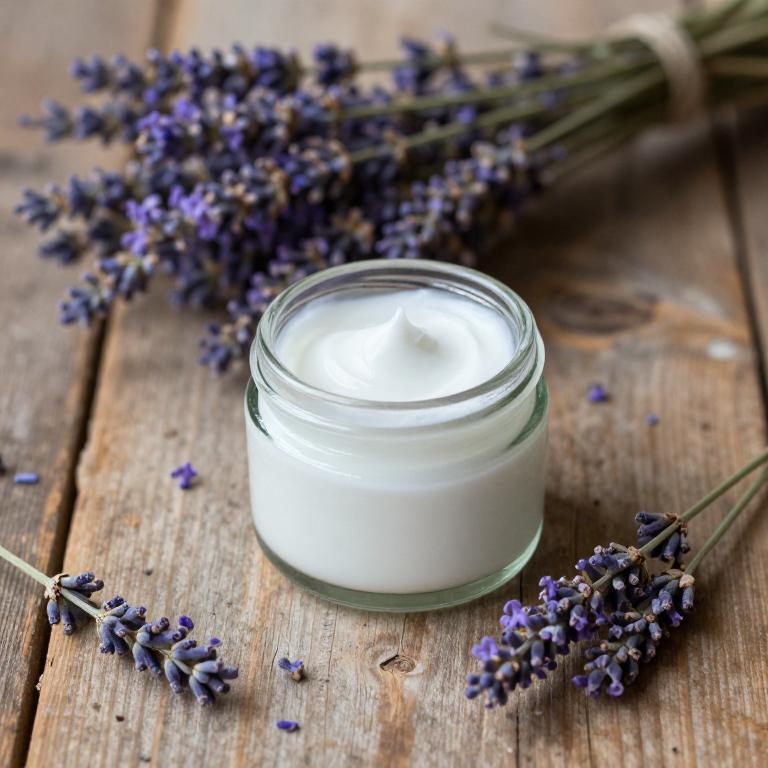
Lavandula angustifolia, commonly known as English lavender, is often used in herbal creams for its soothing and anti-inflammatory properties.
These creams are formulated with lavender essential oil and other natural ingredients to provide relief from digestive discomfort, including stomach growling. The calming effects of lavender may help reduce stress, which is a common contributor to gastrointestinal issues. When applied topically, the cream can ease the tension in the abdominal area, promoting a sense of relaxation.
While not a cure for underlying digestive problems, lavender-based creams can be a complementary remedy for managing symptoms associated with stomach growling.