10 Best Herbal Tinctures For Stomach Cramps
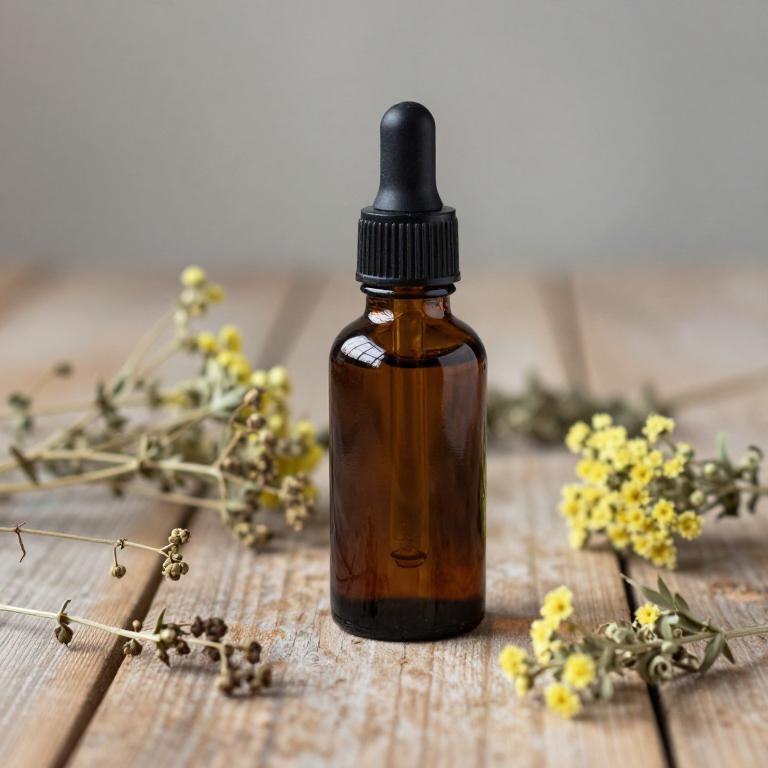
Herbal tinctures are concentrated liquid extracts made from various plants and are commonly used to alleviate symptoms of stomach cramps.
They work by delivering active plant compounds that can soothe the digestive system and reduce spasms. Common herbs used in these tinctures include ginger, peppermint, and chamomile, each known for its calming and anti-inflammatory properties. When taken orally, these tinctures can provide quick relief by acting directly on the gastrointestinal tract.
However, it is important to consult a healthcare professional before using herbal tinctures, especially if you have underlying health conditions or are taking other medications.
Table of Contents
- 1. Fennel (Foeniculum vulgare)
- 2. Turmeric (Curcuma longa)
- 3. Ginger (Zingiber officinale)
- 4. Cumin (Cuminum cyminum)
- 5. Chamomile (Matricaria chamomilla)
- 6. Dog rose (Rosa canina)
- 7. Black pepper (Piper nigrum)
- 8. Thistle (Silybum marianum)
- 9. Kava (Piper methysticum)
- 10. English lavender (Lavandula angustifolia)
1. Fennel (Foeniculum vulgare)
Foeniculum vulgare, commonly known as fennel, has been traditionally used in herbal medicine to alleviate stomach cramps due to its carminative and antispasmodic properties.
Fennel tinctures are often prepared by soaking the dried seeds in alcohol, allowing the active compounds such as anethol and fenchone to be extracted for therapeutic use. These tinctures are believed to help relax the smooth muscles of the gastrointestinal tract, reducing cramping and bloating. They are typically taken in small doses, either directly or diluted in water, to ease digestive discomfort.
While generally considered safe, it is advisable to consult a healthcare professional before using fennel tinctures, especially for prolonged use or in conjunction with other medications.
2. Turmeric (Curcuma longa)
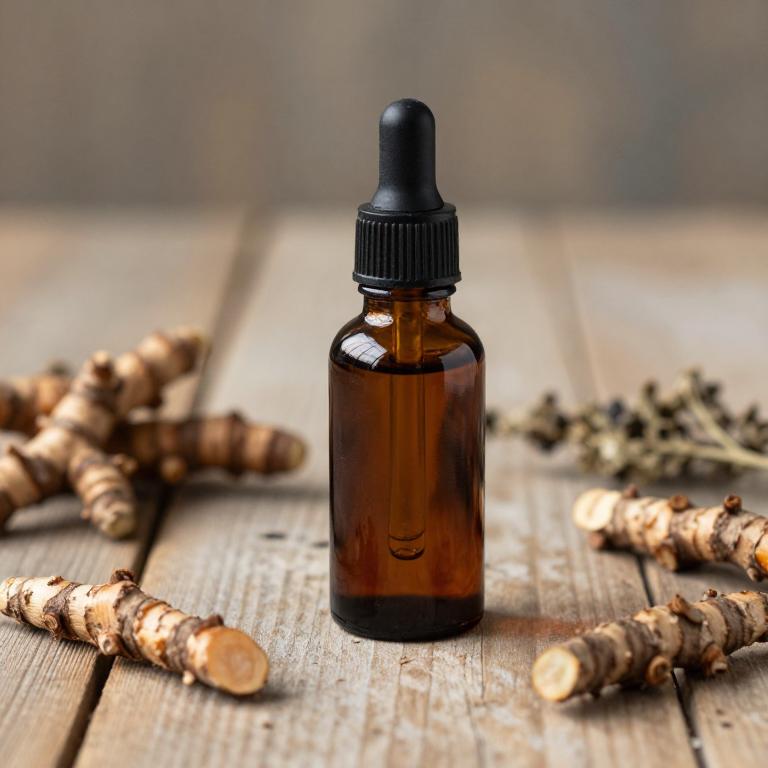
Curcuma longa, commonly known as turmeric, is a widely used herbal remedy known for its anti-inflammatory and analgesic properties.
Curcuma longa herbal tinctures are concentrated liquid extracts that make it easier to consume the active compound, curcumin, which is responsible for many of its therapeutic effects. These tinctures are often used to alleviate symptoms of stomach cramps due to their ability to reduce inflammation and soothe gastrointestinal discomfort. The bioavailability of curcumin in tincture form is typically higher than in powdered turmeric, making it a more effective option for some individuals.
However, it is important to consult with a healthcare provider before using curcuma longa tinctures, especially if you have underlying health conditions or are taking other medications.
3. Ginger (Zingiber officinale)
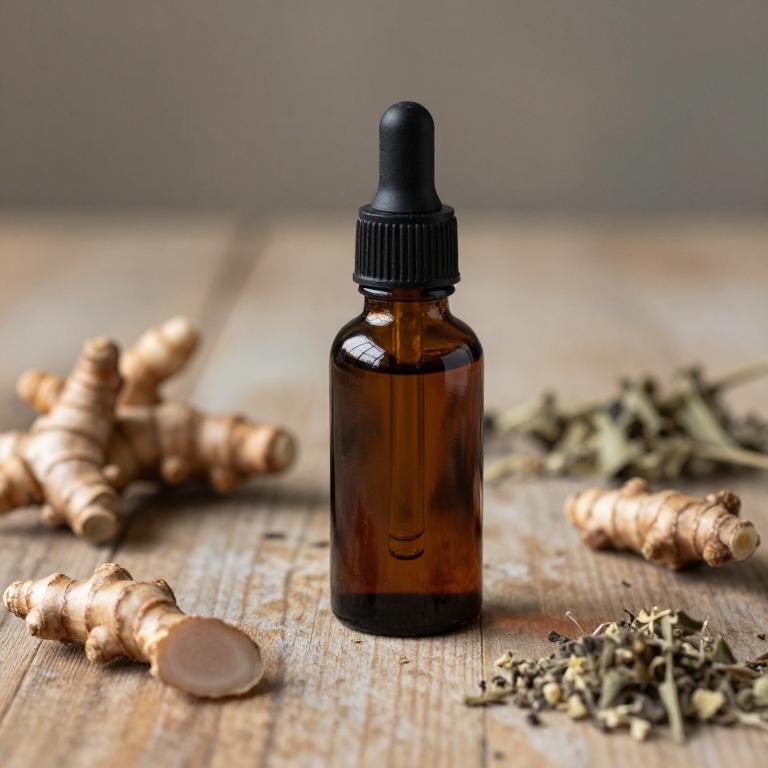
Zingiber officinale, commonly known as ginger, has been widely used for its medicinal properties, including its ability to alleviate stomach cramps.
Ginger tinctures, which are concentrated liquid extracts of the root, are often used as a natural remedy for digestive discomfort and spasms. The active compounds in ginger, such as gingerol and shogaol, are believed to have anti-inflammatory and antispasmodic effects that can soothe the gastrointestinal tract. When taken in appropriate doses, ginger tinctures may help reduce nausea, bloating, and cramping associated with conditions like irritable bowel syndrome or menstrual pain.
However, it is important to consult a healthcare professional before using ginger tinctures, especially for individuals with underlying health conditions or those taking other medications.
4. Cumin (Cuminum cyminum)
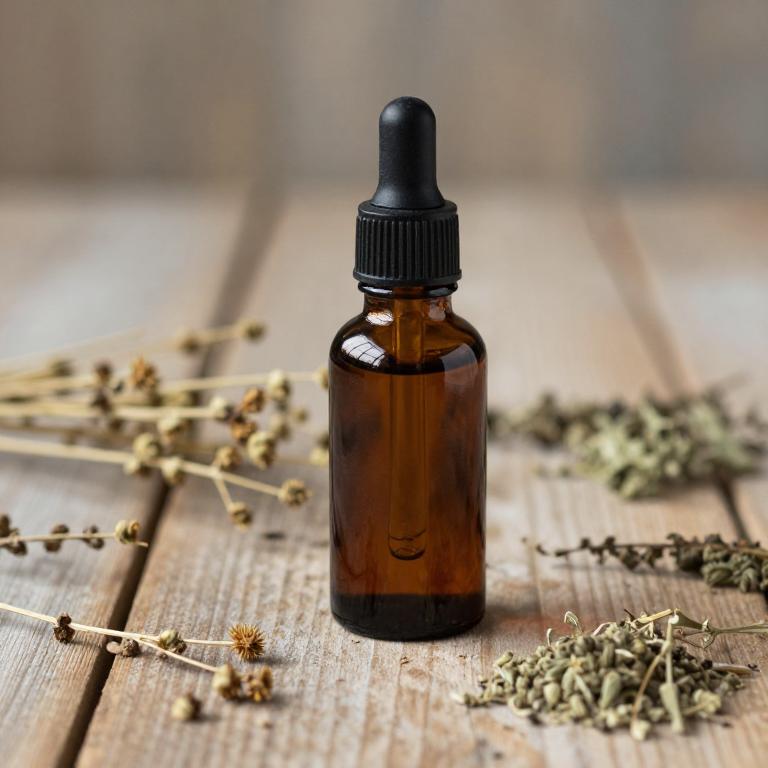
Cuminum cyminum, commonly known as cumin, has been traditionally used in herbal medicine for its digestive benefits, including relief from stomach cramps.
Cumin seed tinctures are often prepared by soaking the seeds in alcohol to extract their essential oils and active compounds, which may help soothe gastrointestinal discomfort. The compounds in cumin, such as cuminaldehyde and thymol, are believed to have carminative and antispasmodic properties that can ease cramping and bloating. When used as a tincture, cumin can be taken in small doses to support digestion and reduce inflammation in the stomach lining.
However, it is important to consult with a healthcare provider before using cumin tinctures, especially for individuals with existing health conditions or those taking medications.
5. Chamomile (Matricaria chamomilla)

Matricaria chamomilla, commonly known as chamomile, is a popular herbal remedy used in tincture form to alleviate stomach cramps.
The tincture is made by steeping the dried flowers of the plant in alcohol, allowing the active compounds, such as apigenin and bisabolol, to be extracted for enhanced potency. Chamomile tinctures are valued for their calming and anti-inflammatory properties, which can help reduce spasms and discomfort in the gastrointestinal tract. They are often used in traditional medicine and modern herbal practices for their soothing effects on the digestive system.
When taken as directed, chamomile tinctures may offer a natural and effective alternative for managing mild to moderate stomach cramps.
6. Dog rose (Rosa canina)
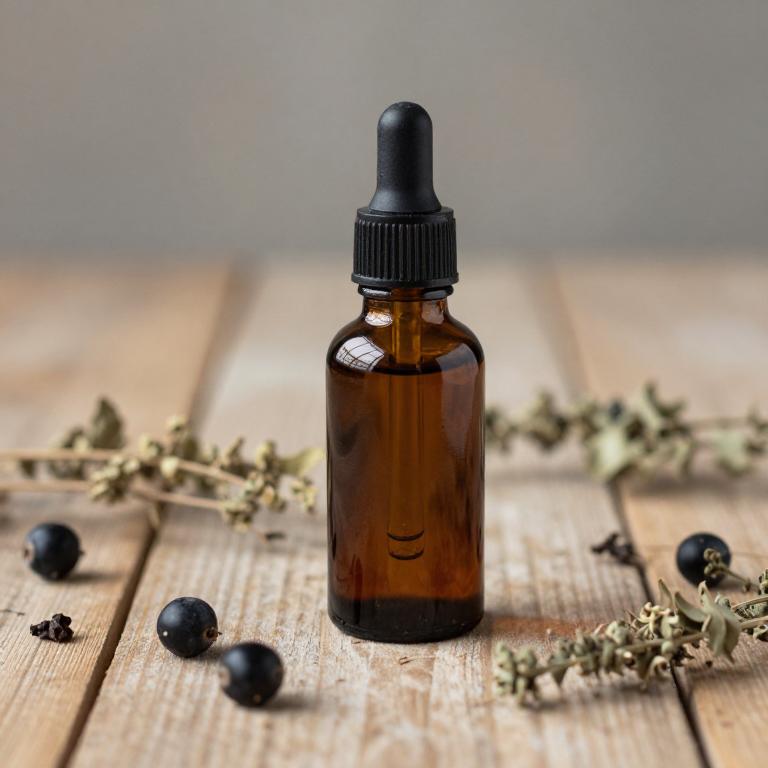
Rosa canina, commonly known as dog rose, has been traditionally used in herbal medicine for its soothing properties, particularly for digestive ailments such as stomach cramps.
Rosa canina herbal tinctures are prepared by extracting the flowers, leaves, and fruits of the plant using alcohol, preserving the active compounds that contribute to their therapeutic effects. These tinctures are valued for their ability to reduce inflammation and ease gastrointestinal discomfort, making them a popular remedy for mild to moderate stomach cramps. The anti-spasmodic properties of Rosa canina may help alleviate cramping by relaxing the muscles in the digestive tract.
However, it is important to consult with a healthcare professional before use, especially for individuals with pre-existing medical conditions or those taking other medications.
7. Black pepper (Piper nigrum)
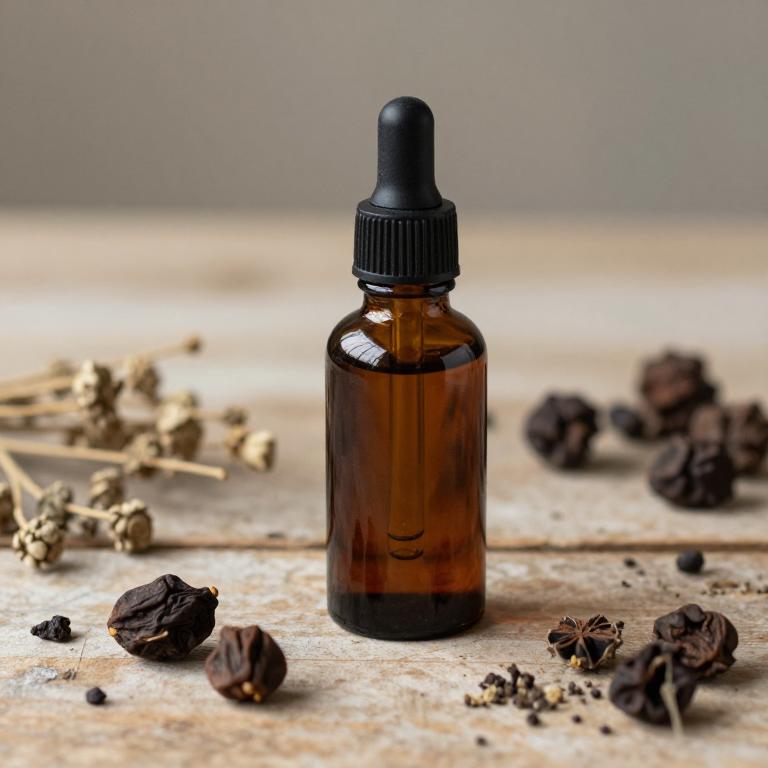
Piper nigrum, commonly known as black pepper, has been traditionally used in herbal medicine for its potential therapeutic properties.
Black pepper tinctures are often prepared using a combination of dried peppercorns and alcohol to extract the active compounds, such as piperine, which may have anti-inflammatory and digestive benefits. Some individuals use these tinctures to alleviate stomach cramps by improving digestion and reducing gastrointestinal discomfort. However, it is important to consult a healthcare professional before using black pepper tinctures, as they may interact with certain medications or cause irritation in sensitive individuals.
While anecdotal evidence suggests possible relief, scientific research on its efficacy for stomach cramps remains limited.
8. Thistle (Silybum marianum)
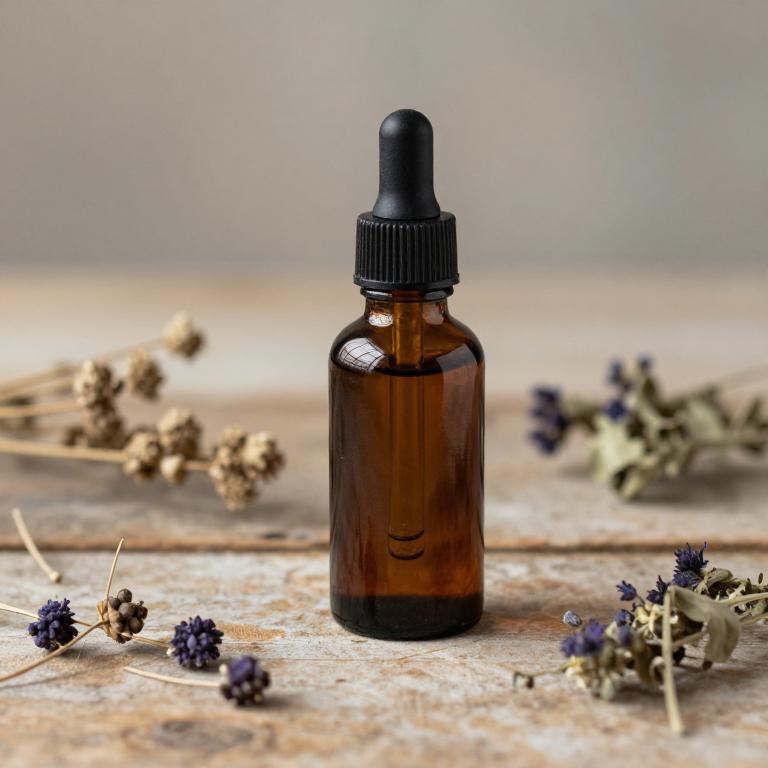
Silybum marianum, also known as milk thistle, is a herbal plant commonly used to support liver health, but its tinctures may also provide relief for stomach cramps due to their anti-inflammatory and soothing properties.
The active compound, silymarin, is believed to help reduce inflammation and irritation in the gastrointestinal tract, making it a potential natural remedy for digestive discomfort. When used as a tincture, Silybum marianum is typically taken orally, often diluted in water or another liquid to ease absorption and minimize potential side effects. While some studies suggest its efficacy in alleviating mild stomach cramps, it is important to consult a healthcare professional before using it, especially if you have existing medical conditions or are taking other medications.
Overall, Silybum marianum tinctures may offer a gentle, herbal alternative for those seeking relief from occasional stomach cramps.
9. Kava (Piper methysticum)
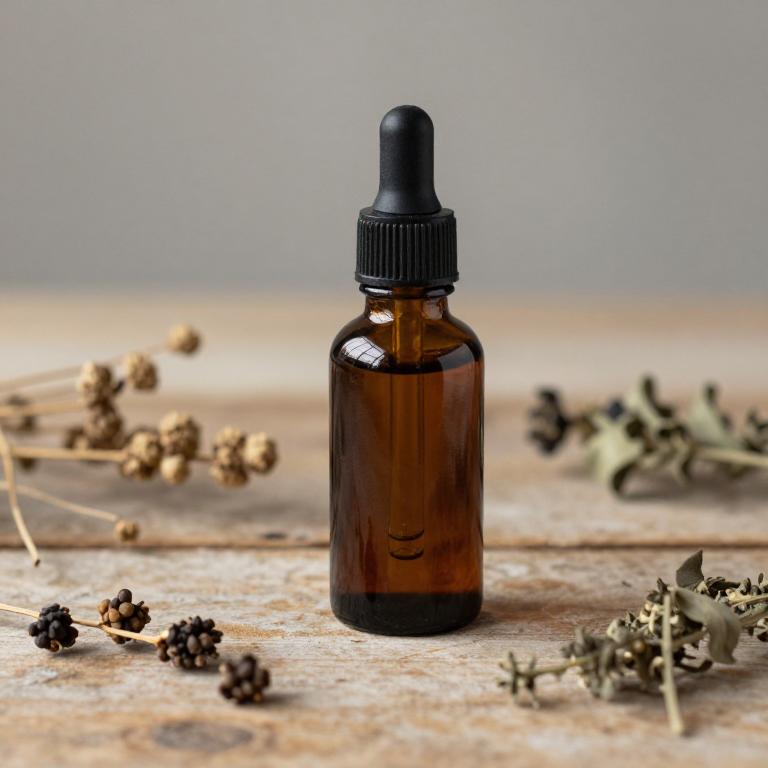
Piper methysticum, commonly known as kava, has been traditionally used for its calming and relaxing properties, and its herbal tinctures are sometimes utilized to alleviate stomach cramps due to their antispasmodic effects.
The active compounds in kava, known as kavalactones, help reduce muscle spasms and tension, which can provide relief from cramping sensations in the gastrointestinal tract. While kava tinctures may offer soothing effects on the stomach, it is important to note that they can also have sedative properties, which may impact cognitive function and motor skills. Due to potential interactions with other medications and the risk of liver toxicity, it is advisable to consult a healthcare professional before using kava tinctures for stomach issues.
Overall, while kava may be a complementary option for some individuals, it should not replace conventional medical treatments for persistent or severe stomach cramps.
10. English lavender (Lavandula angustifolia)
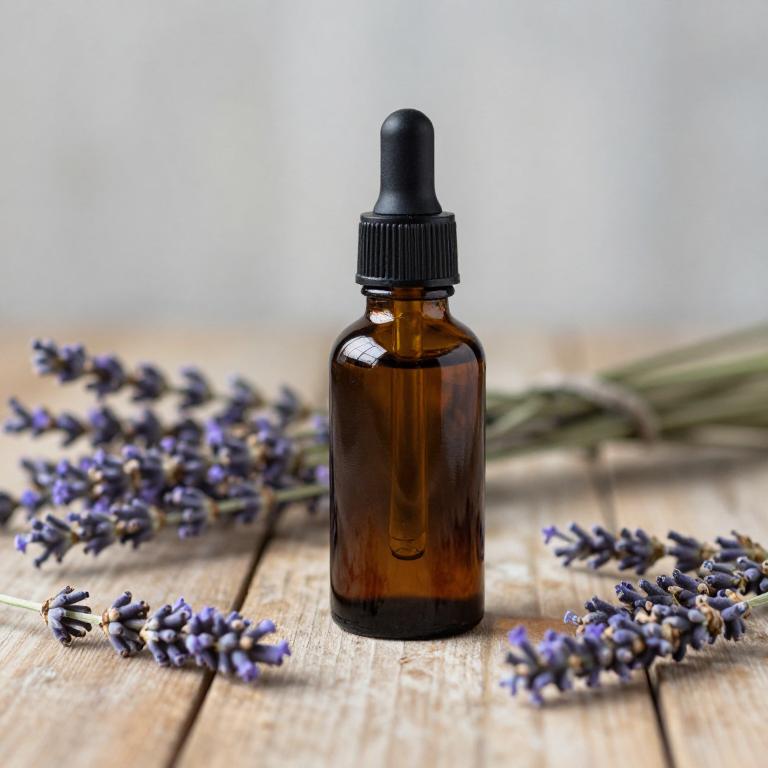
Lavandula angustifolia, commonly known as English lavender, is often used in herbal tinctures to alleviate stomach cramps due to its calming and antispasmodic properties.
These tinctures are typically prepared by soaking dried lavender flowers in alcohol, allowing the active compounds to be extracted for use. The essential oils in lavender, such as linalool and lavandins, are believed to help relax the smooth muscles of the gastrointestinal tract, reducing cramping and discomfort. When taken in appropriate doses, lavender tinctures may provide a natural and soothing remedy for mild stomach issues.
However, it is important to consult with a healthcare professional before using lavender tinctures, especially for those with existing medical conditions or who are pregnant.