10 Best Herbal Tinctures For Stiff Neck
Herbal tinctures are concentrated liquid extracts made from various medicinal plants, often used to alleviate symptoms of a stiff neck by promoting muscle relaxation and reducing inflammation.
Common herbs used in these tinctures include willow bark, ginger, turmeric, and echinacea, each known for their anti-inflammatory and analgesic properties. When applied topically or taken internally under the guidance of a healthcare professional, these tinctures can help ease muscle tension and improve blood circulation in the affected area. However, it is important to ensure that the tinctures are properly prepared and free from harmful substances to avoid adverse reactions.
While herbal tinctures may offer natural relief, they should not replace professional medical advice, especially if the stiffness persists or is accompanied by other concerning symptoms.
Table of Contents
- 1. Chaste tree (Vitex agnus-castus)
- 2. St. john's wort (Hypericum perforatum)
- 3. Mountain arnica (Arnica montana)
- 4. Common mallow (Symphytum officinale)
- 5. Echinacea (Echinacea purpurea)
- 6. Black pepper (Piper nigrum)
- 7. Stinging nettle (Urtica dioica)
- 8. Yarrow (Achillea millefolium)
- 9. Blessed thistle (Cnicus benedictus)
- 10. German chamomile (Chamomilla recutita)
1. Chaste tree (Vitex agnus-castus)
Vitex agnus-castus, commonly known as chasteberry, has been traditionally used in herbal medicine for its potential hormonal balancing properties.
While it is often associated with menstrual regulation and menopausal symptoms, some practitioners suggest it may also support musculoskeletal health. Herbal tinctures of vitex agnus-castus are typically made by soaking the dried berries in alcohol to extract their active compounds. Although there is limited scientific evidence specifically linking vitex to the treatment of stiff neck, some users report relief from tension-related discomfort.
As with any herbal remedy, it is advisable to consult a healthcare professional before use, especially for persistent or severe neck stiffness.
2. St. john's wort (Hypericum perforatum)
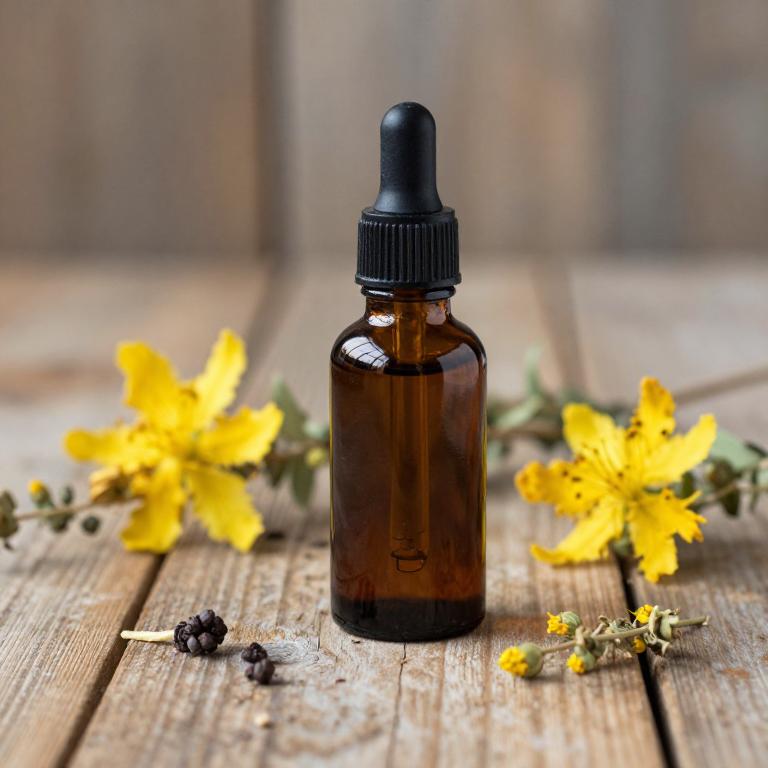
Hypericum perforatum, commonly known as St. John's Wort, is a traditional herbal remedy that has been used for centuries to support mood and nerve health.
When prepared as a tincture, it is often used to address various ailments, including inflammation and pain associated with a stiff neck. The tincture works by containing bioactive compounds such as hypericin and hyperforin, which may help reduce inflammation and promote healing in the cervical region. However, it is important to note that St. John's Wort can interact with certain medications, so consulting a healthcare professional before use is advisable.
Despite these considerations, many individuals find relief from stiff neck symptoms through the use of Hypericum perforatum tinctures when used appropriately.
3. Mountain arnica (Arnica montana)
Arnica montana herbal tinctures are commonly used to alleviate symptoms of a stiff neck due to their anti-inflammatory and analgesic properties.
These tinctures work by promoting circulation and reducing muscle tension, which can help ease discomfort and stiffness in the neck area. They are typically applied topically to the skin, often diluted with a carrier oil or alcohol to prevent irritation. While generally safe when used appropriately, arnica montana should be avoided on broken skin or open wounds.
It is advisable to consult with a healthcare professional before using arnica montana tinctures, especially for individuals with sensitive skin or those taking other medications.
4. Common mallow (Symphytum officinale)
Symphytum officinale, commonly known as comfrey, is a traditional herbal remedy that has been used for centuries to support musculoskeletal health.
Its root contains allantoin, a compound known for its ability to promote cell proliferation and tissue repair, making it particularly beneficial for conditions like a stiff neck. Symphytum officinale tinctures are often used topically to reduce inflammation and enhance the healing of soft tissues, including those in the neck area. However, due to the presence of pyrrolizidine alkaloids, which can be toxic to the liver, it is important to use these tinctures under the guidance of a qualified herbalist or healthcare provider.
When used appropriately, Symphytum officinale tinctures may offer relief from stiffness and discomfort associated with neck strain or minor injuries.
5. Echinacea (Echinacea purpurea)
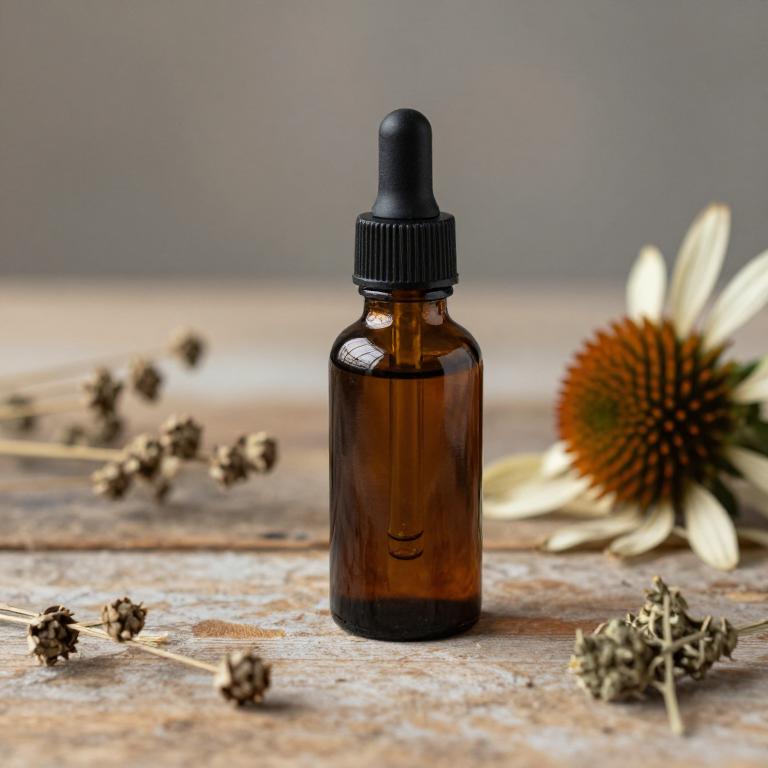
Echinacea purpurea herbal tinctures are traditionally used to support the immune system and may help alleviate symptoms associated with inflammatory conditions, including a stiff neck.
The active compounds in echinacea, such as alkamides and caffeic acid derivatives, are believed to possess anti-inflammatory and analgesic properties that can reduce muscle tension and pain. While there is limited clinical evidence specifically linking echinacea to the treatment of stiff neck, some users report relief from its soothing effects on the musculoskeletal system. It is often recommended as a complementary therapy alongside other treatments for neck stiffness, though it should not replace professional medical advice.
As with any herbal remedy, it is important to consult a healthcare provider before use, especially for individuals with allergies or chronic health conditions.
6. Black pepper (Piper nigrum)
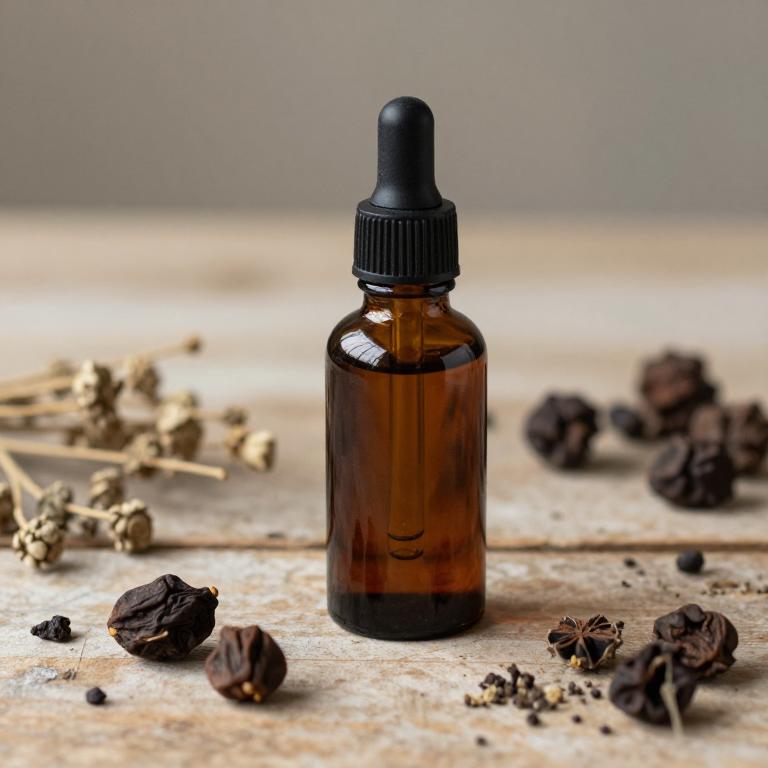
Piper nigrum, commonly known as black pepper, is often used in herbal tinctures for its potential anti-inflammatory and analgesic properties.
These tinctures are believed to help alleviate symptoms of a stiff neck by reducing muscle tension and improving circulation in the affected area. The active compound, piperine, may enhance the absorption of other herbs, making the tincture more effective when combined with other natural remedies. While some people find relief using black pepper tinctures, it is important to consult with a healthcare professional before using them, especially if you have underlying health conditions or are taking medications.
As with any herbal remedy, results may vary, and it should not replace conventional medical treatment for severe or persistent neck stiffness.
7. Stinging nettle (Urtica dioica)
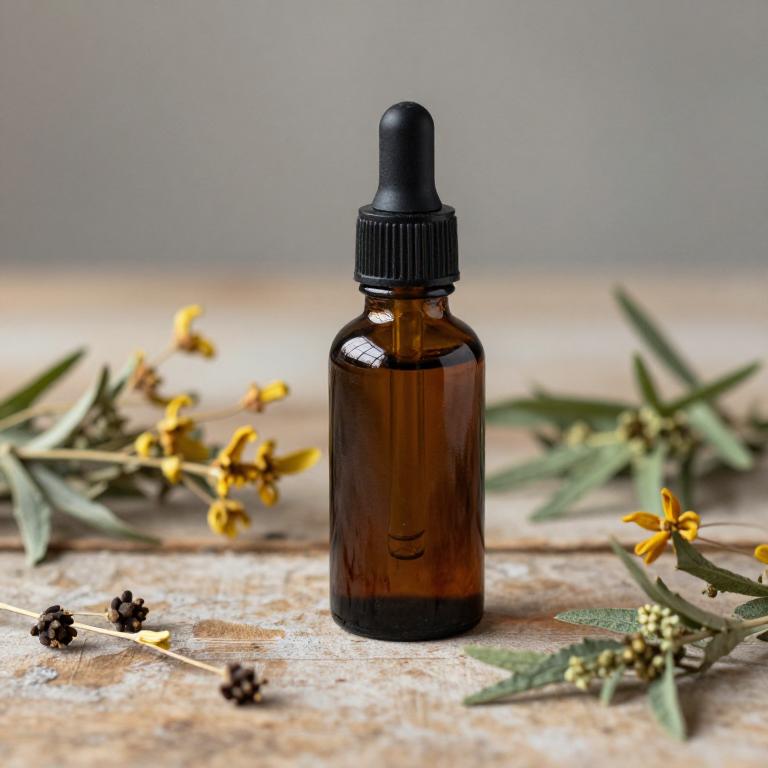
Urtica dioica, commonly known as stinging nettle, is a potent herb that has been traditionally used for its anti-inflammatory and analgesic properties.
Herbal tinctures made from Urtica dioica are often used to alleviate symptoms of a stiff neck by reducing muscle tension and inflammation in the cervical region. These tinctures are typically prepared by soaking the dried leaves in alcohol, allowing the active compounds to be extracted for medicinal use. The high concentration of silica and minerals in stinging nettle may help support connective tissue and improve circulation, contributing to relief from stiffness.
When used as part of a holistic approach, Urtica dioica tinctures can be a valuable natural remedy for managing chronic or acute neck stiffness.
8. Yarrow (Achillea millefolium)
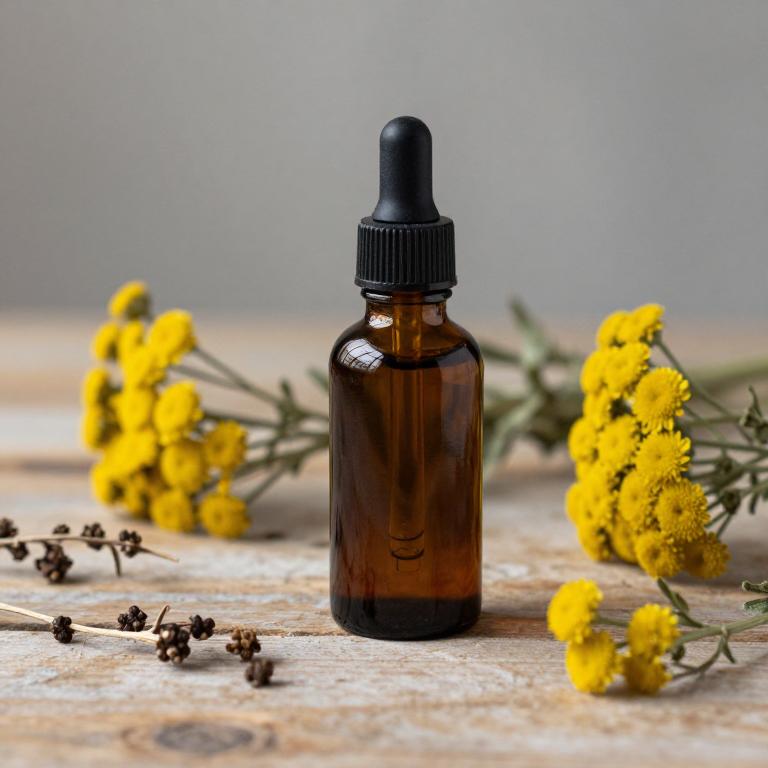
Achillea millefolium, commonly known as yarrow, has been traditionally used in herbal medicine for its anti-inflammatory and analgesic properties.
When prepared as a tincture, it may help alleviate symptoms of a stiff neck by reducing muscle tension and inflammation in the affected area. The active compounds in yarrow, such as flavonoids and volatile oils, are believed to support circulation and ease discomfort. To use yarrow tincture for a stiff neck, it is typically diluted with water or alcohol and applied topically or taken orally under the guidance of a healthcare professional.
While it can be a useful complementary therapy, it is important to consult with a qualified herbalist or physician to ensure safe and effective use.
9. Blessed thistle (Cnicus benedictus)
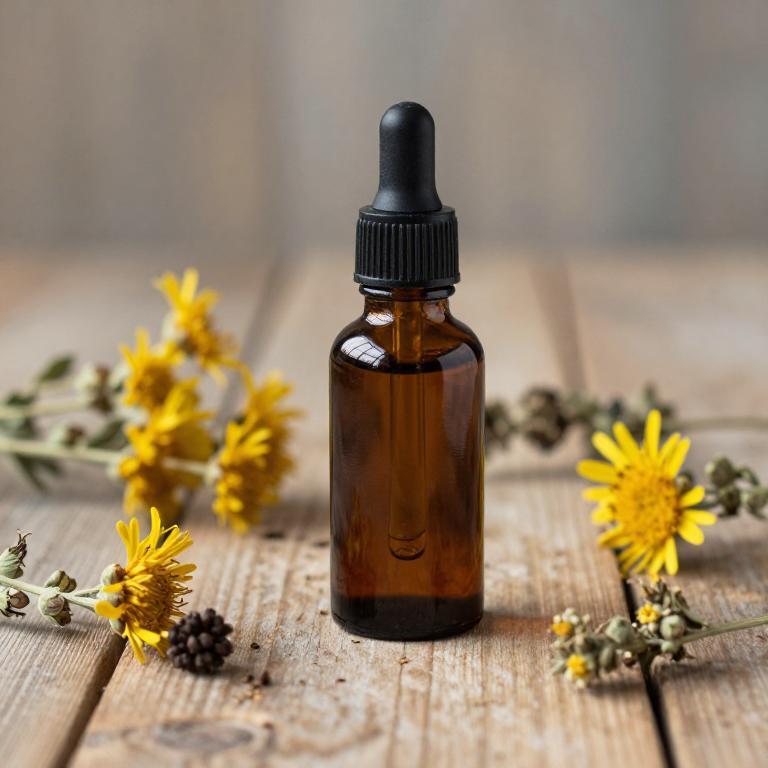
CNICUS BENEDICTUS, also known as blessed thistle, is a herbal remedy that has been traditionally used for its potential anti-inflammatory and analgesic properties.
When prepared as a tincture, it may help alleviate symptoms of a stiff neck by reducing muscle tension and inflammation in the cervical region. The active compounds in Cnicus benedictus, such as sesquiterpene lactones and flavonoids, are believed to support the body’s natural healing processes. However, it is important to consult with a healthcare professional before using this tincture, especially if you have existing medical conditions or are taking other medications.
While some individuals may find relief from stiff neck pain using Cnicus benedictus tinctures, it should not replace conventional medical treatments without proper guidance.
10. German chamomile (Chamomilla recutita)
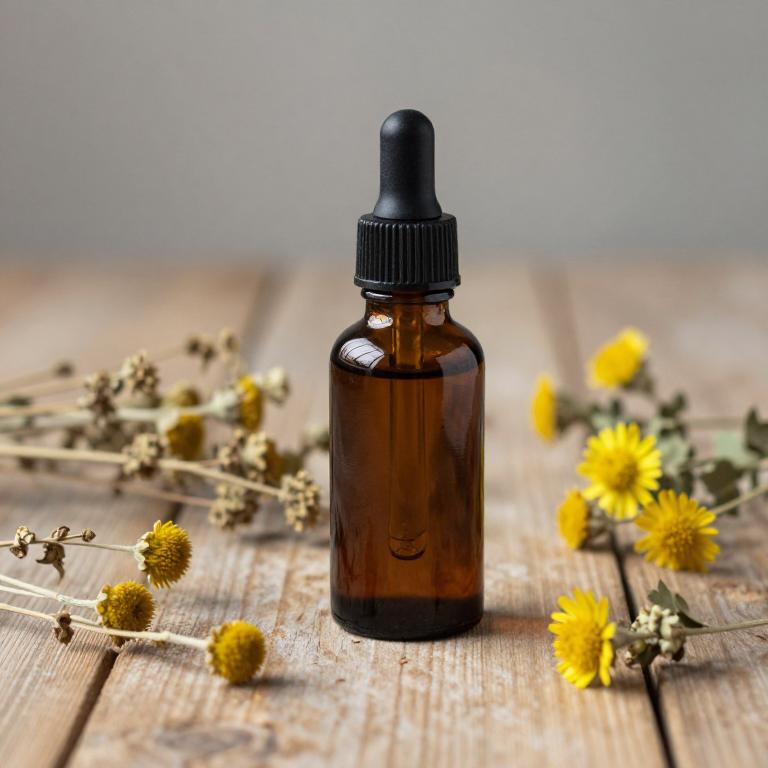
Chamomilla recutita, commonly known as German chamomile, is often used in herbal tinctures to alleviate symptoms of a stiff neck due to its anti-inflammatory and analgesic properties.
The tincture is typically prepared by steeping dried chamomile flowers in alcohol, allowing the active compounds like bisabolol and flavonoids to be extracted. These compounds help reduce muscle tension and inflammation, making the tincture a popular natural remedy for neck stiffness caused by minor injuries or stress. When applied topically or taken internally, chamomilla tinctures may provide soothing relief and promote relaxation of the cervical muscles.
However, it is important to consult with a healthcare professional before use, especially if you have allergies or are taking other medications.