10 Best Herbal Mucillages For Stiff Neck
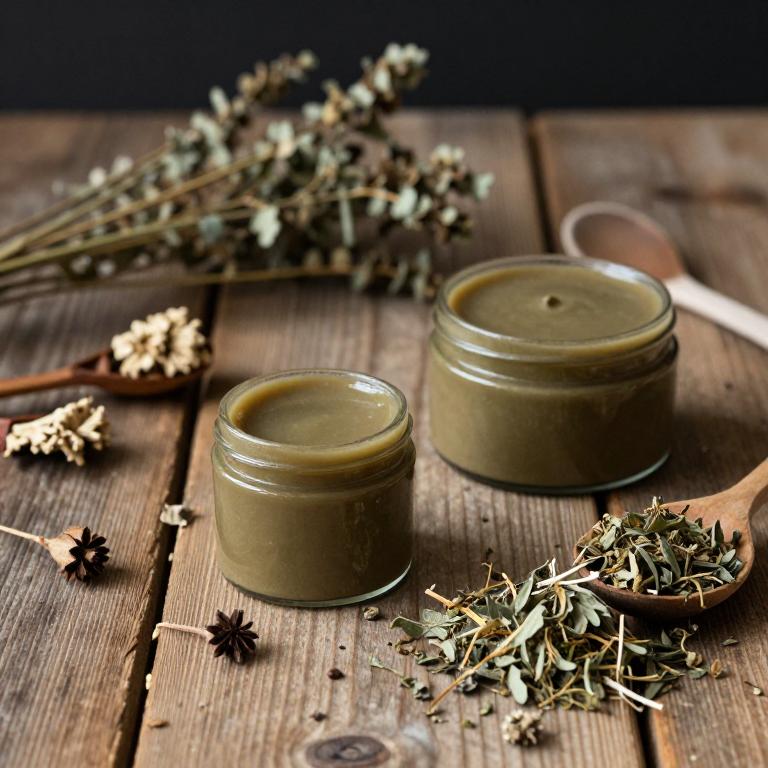
Herbal mucillages, such as those found in plants like aloe vera, flaxseed, and okra, are known for their soothing and hydrating properties, making them potentially beneficial for alleviating symptoms of a stiff neck.
These mucilaginous substances form a protective layer over the skin and tissues, which can help reduce inflammation and promote healing in the cervical area. When applied topically as a poultice or incorporated into a massage oil, they may provide relief from muscle tension and stiffness associated with poor posture or minor injuries. Some herbal mucillages also have mild analgesic and anti-inflammatory effects, which can further support the recovery process.
While they are not a substitute for medical treatment, they can be a natural complementary approach to ease discomfort and improve mobility in cases of mild neck stiffness.
Table of Contents
- 1. Stinging nettle (Urtica dioica)
- 2. Salvia (Salvia officinalis)
- 3. Yarrow (Achillea millefolium)
- 4. Blessed thistle (Cnicus benedictus)
- 5. Echinacea (Echinacea purpurea)
- 6. Aloe vera (Aloe barbadensis)
- 7. Common grape (Vitis vinifera)
- 8. Chaste tree (Vitex agnus-castus)
- 9. White water lily (Nymphaea alba)
- 10. Chamomile (Matricaria chamomilla)
1. Stinging nettle (Urtica dioica)
Urtica dioica, commonly known as stinging nettle, contains mucilages that have been traditionally used for their soothing and anti-inflammatory properties.
These mucilages form a protective layer over the skin and mucous membranes, helping to reduce irritation and inflammation. When applied topically, they may provide relief for conditions like a stiff neck by reducing muscle tension and promoting healing. While there is limited scientific research on their specific effects for neck stiffness, some anecdotal evidence suggests they may support overall musculoskeletal health.
It is important to consult a healthcare professional before using Urtica dioica mucilages, especially if you have underlying health conditions or are taking medications.
2. Salvia (Salvia officinalis)
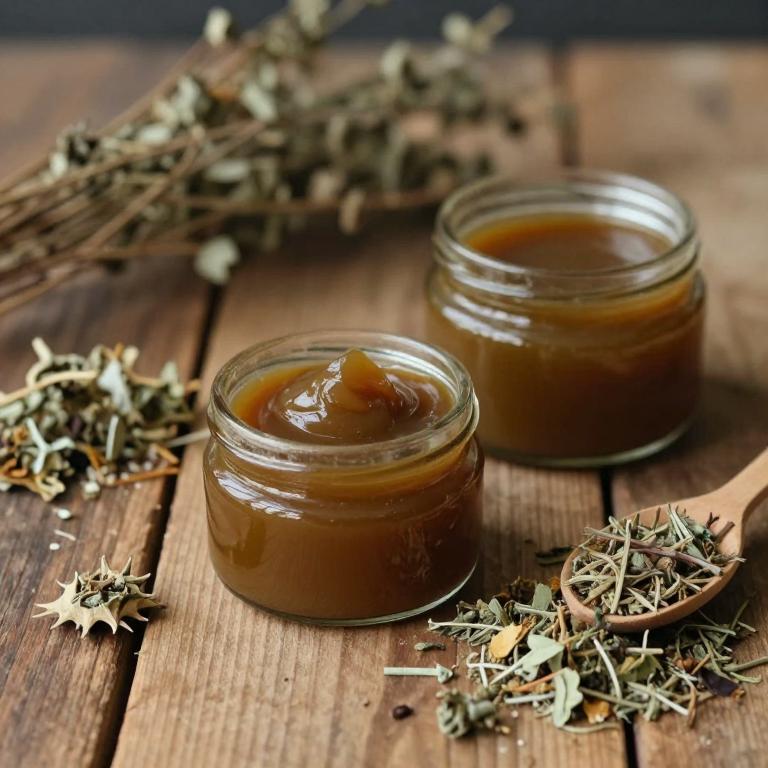
Salvia officinalis, commonly known as sage, contains herbal mucillages that have been traditionally used to support respiratory and mucous membrane health.
These mucillages are thick, gel-like substances that can soothe irritated tissues and reduce inflammation. While sage is often associated with its aromatic leaves, its mucilage content may offer additional therapeutic benefits for conditions involving muscle stiffness, such as a stiff neck. The anti-inflammatory and soothing properties of sage mucillages may help alleviate discomfort by reducing tension and promoting relaxation in the cervical area.
However, further research is needed to fully understand its efficacy for specific musculoskeletal issues like a stiff neck.
3. Yarrow (Achillea millefolium)
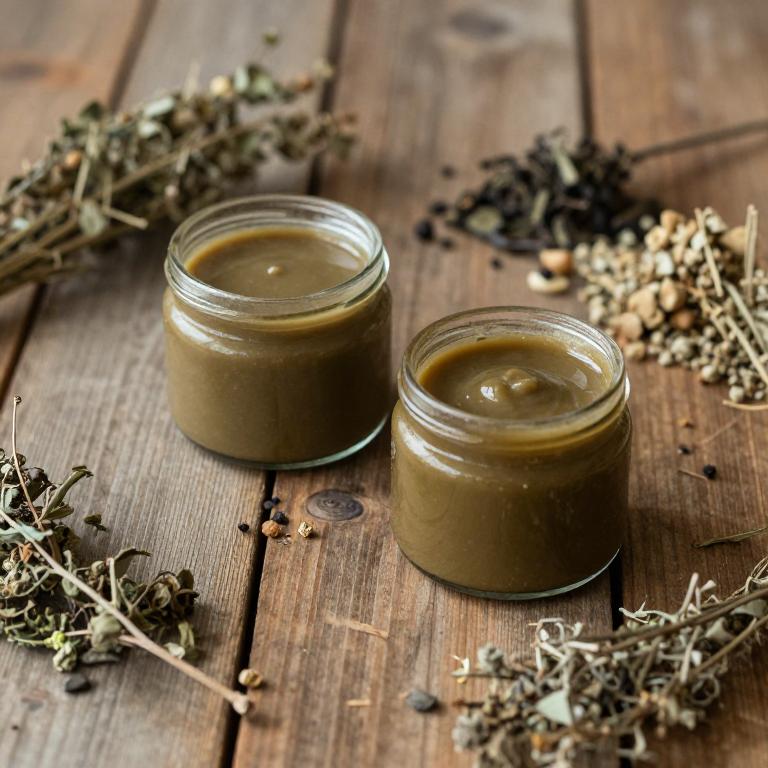
Achillea millefolium, commonly known as yarrow, contains herbal mucillages that may support the treatment of a stiff neck by promoting local circulation and reducing inflammation.
These mucillages, which are naturally occurring gel-like substances, have soothing properties that can help alleviate muscle tension and discomfort in the neck area. When applied topically or used in formulations, they may provide a cooling effect that relieves pain and stiffness associated with minor neck strains or muscular tightness. The anti-inflammatory and demulcent actions of yarrow's mucillages can also help soothe irritated tissues and support the body's natural healing processes.
While not a substitute for medical treatment, incorporating achillea millefolium mucillages into a holistic care routine may offer complementary relief for mild cases of stiff neck.
4. Blessed thistle (Cnicus benedictus)
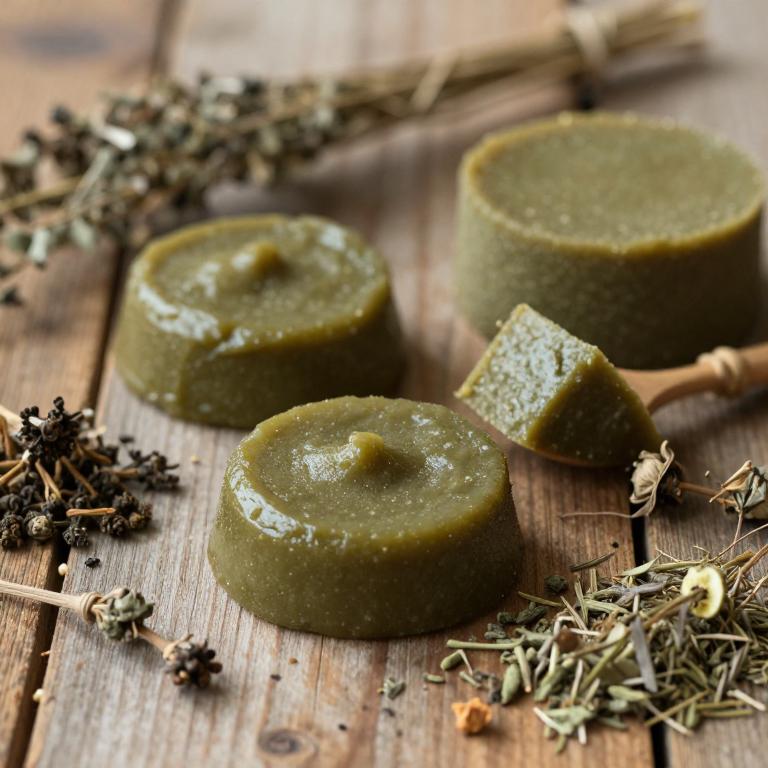
Cnicus benedictus, commonly known as blessed thorn or St. Benedict's thorn, contains mucilaginous properties that may offer relief for symptoms associated with a stiff neck.
The mucillages in this plant are known to have soothing and anti-inflammatory effects, which can help reduce muscle tension and inflammation in the cervical region. When applied topically or ingested as a herbal remedy, these mucilages may promote hydration and comfort in the affected area. While scientific research on its specific efficacy for stiff neck is limited, traditional herbal practices have long utilized Cnicus benedictus for its calming and healing properties.
As with any herbal remedy, it is advisable to consult a healthcare professional before use, especially for persistent or severe neck stiffness.
5. Echinacea (Echinacea purpurea)
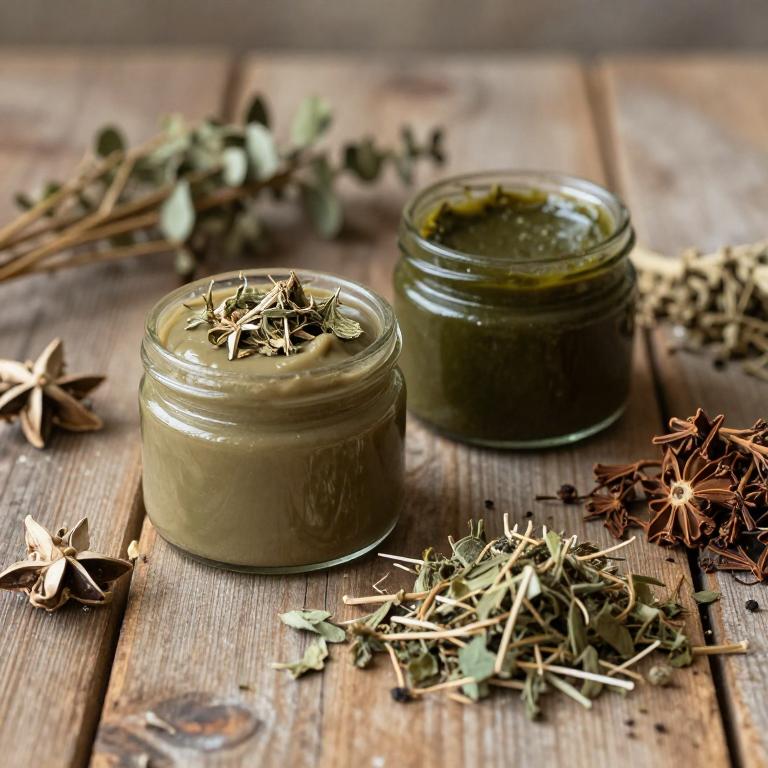
Echinacea purpurea, commonly known as purple coneflower, contains mucilaginous compounds that have been traditionally used to support immune health and soothe inflammatory conditions.
These mucillages form a protective layer over the throat and respiratory tract, potentially reducing irritation and inflammation associated with colds or sore throats. While primarily recognized for its immune-boosting properties, some herbal practitioners suggest that the anti-inflammatory effects of echinacea may also help alleviate symptoms of a stiff neck by reducing muscle tension and inflammation in the cervical region. However, it is important to note that there is limited scientific evidence specifically linking echinacea mucillages to the treatment of stiff neck, and further research is needed to confirm its efficacy for this purpose.
As with any herbal remedy, it is advisable to consult with a healthcare professional before use, especially if you have underlying medical conditions or are taking other medications.
6. Aloe vera (Aloe barbadensis)
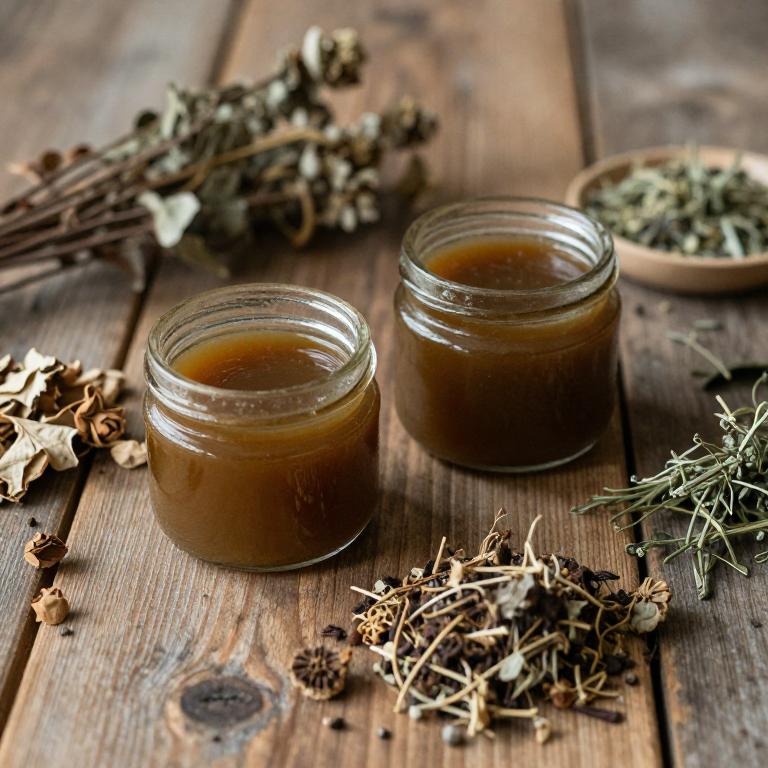
Aloe barbadensis, commonly known as aloe vera, contains mucillages that have been traditionally used for their soothing and healing properties.
These mucillages, which are gel-like substances found within the aloe plant, are rich in polysaccharides and other bioactive compounds that can help reduce inflammation and irritation. When applied topically, aloe mucillages can provide relief for a stiff neck by easing muscle tension and promoting skin hydration. Their anti-inflammatory and analgesic effects make them a natural alternative for those seeking non-pharmacological relief.
However, it is important to consult a healthcare professional before using aloe-based products for persistent or severe neck stiffness.
7. Common grape (Vitis vinifera)
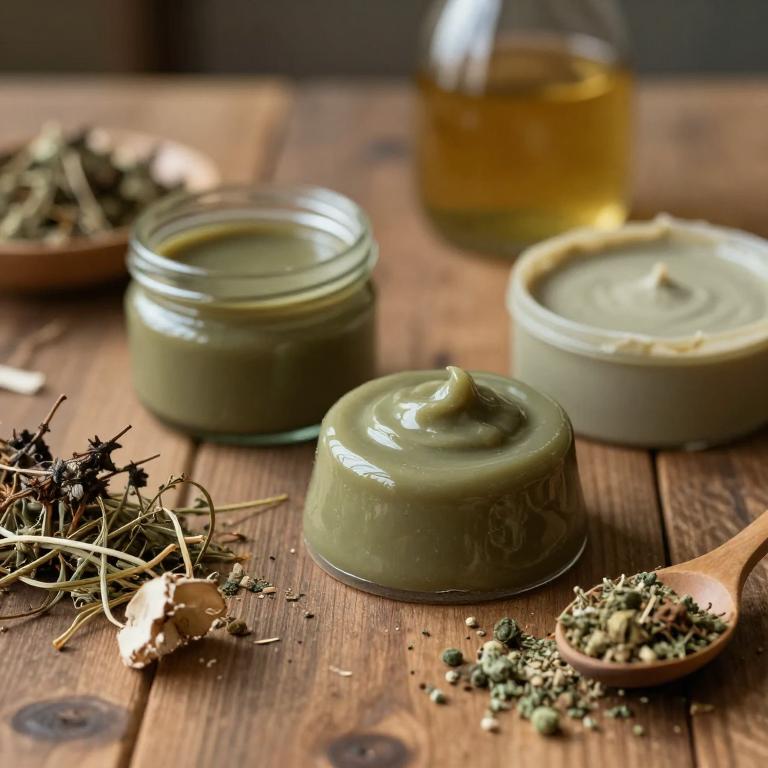
Vitis vinifera, commonly known as the grapevine, is a plant whose herbal mucillages have been traditionally used for their soothing and anti-inflammatory properties.
These mucillages, derived from the plant's leaves and stems, contain a variety of bioactive compounds such as flavonoids, tannins, and polysaccharides that contribute to their therapeutic effects. When applied topically or ingested in appropriate formulations, Vitis vinifera mucillages may help reduce stiffness and discomfort in the neck by improving circulation and reducing inflammation. They are often used in herbal remedies for musculoskeletal conditions due to their natural analgesic and healing properties.
However, it is important to consult with a healthcare professional before using these mucillages, especially for chronic or severe cases of stiff neck.
8. Chaste tree (Vitex agnus-castus)
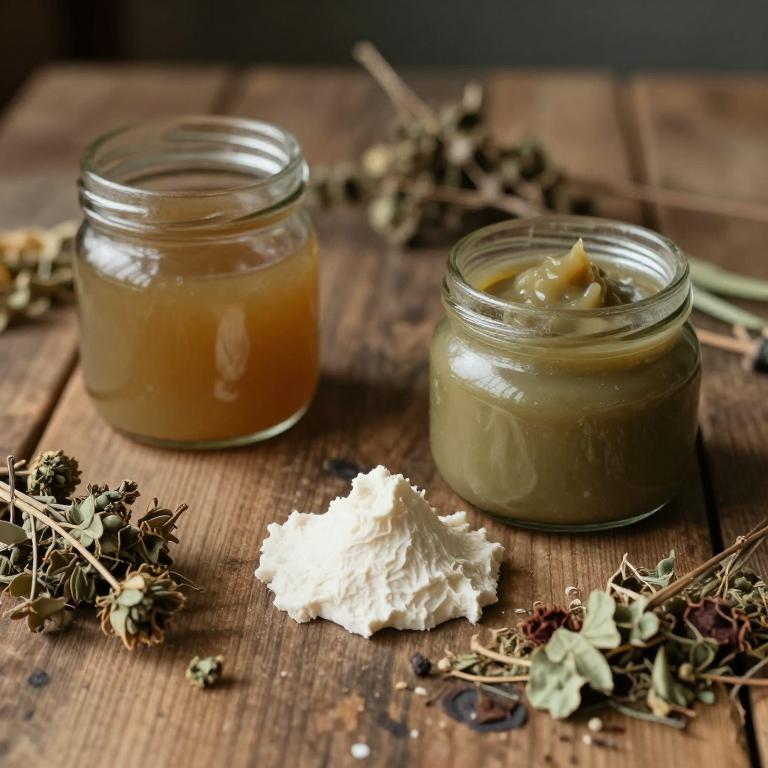
Vitex agnus-castus, commonly known as chasteberry, contains mucillages that may support the relief of stiff neck by promoting gentle inflammation reduction and enhancing circulation in the cervical region.
These mucillages act as a soothing agent, helping to alleviate muscle tension and discomfort associated with stiffness. While not a primary treatment for cervical strain or arthritis, vitex mucillages can be a complementary herbal remedy when used alongside other therapeutic approaches. The anti-inflammatory properties of the mucillages may contribute to reducing swelling and improving mobility in the neck area.
It is important to consult a healthcare professional before using vitex mucillages, especially if the stiffness is due to a more serious underlying condition.
9. White water lily (Nymphaea alba)
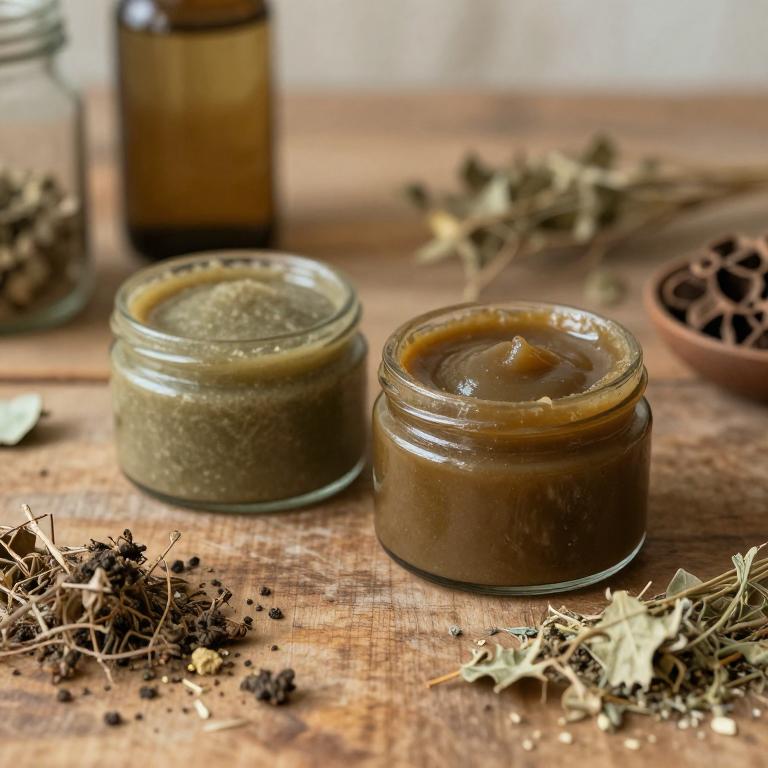
Nymphaea alba, commonly known as white water lily, contains herbal mucillages that have been traditionally used for their soothing and anti-inflammatory properties.
These mucillages, which are gel-like substances, help in reducing stiffness and inflammation in the neck by providing a lubricating effect on the tissues. The mucillages may also act as a natural emollient, promoting comfort and flexibility in the cervical region. While scientific research on its specific efficacy for stiff neck is limited, its historical use in herbal medicine suggests potential benefits.
Incorporating Nymphaea alba mucillages into a holistic approach may offer a natural alternative for managing mild cases of neck stiffness.
10. Chamomile (Matricaria chamomilla)
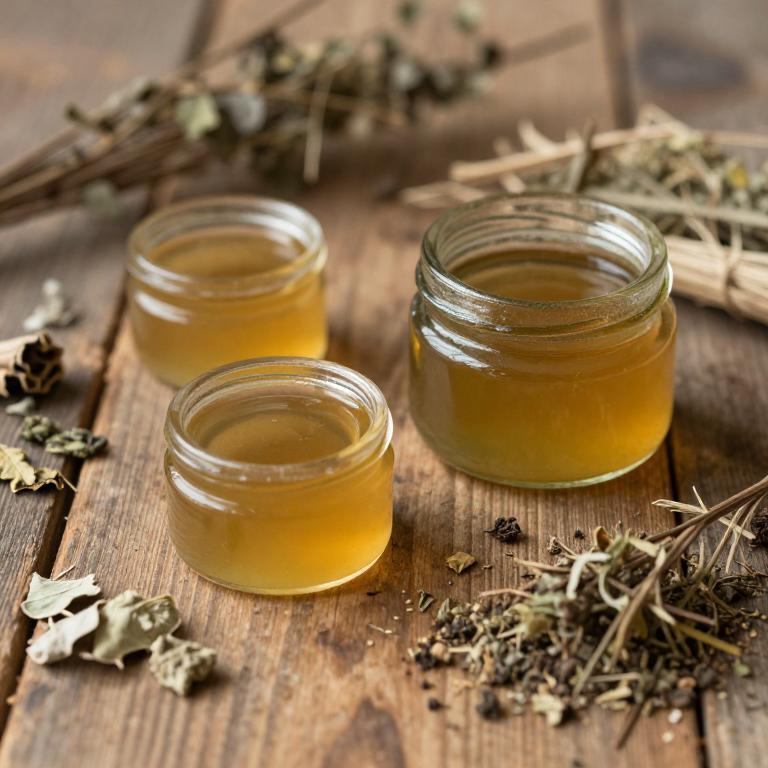
Matricaria chamomilla, commonly known as chamomile, contains mucillages that have been traditionally used to support respiratory and digestive health, but its potential benefits for stiff neck may stem from its anti-inflammatory and soothing properties.
While mucillages themselves are primarily known for their ability to form a protective coating in the digestive tract, the overall therapeutic effects of chamomile may indirectly alleviate stiffness by reducing inflammation and muscle tension. Some alternative medicine practitioners suggest using chamomile-based topical applications or steam inhalations to help relax tight neck muscles. However, there is limited scientific evidence specifically linking chamomile mucillages to the treatment of stiff neck.
As with any herbal remedy, it is advisable to consult a healthcare professional before using chamomile for persistent or severe neck stiffness.