10 Best Herbal Juices For Stiff Neck
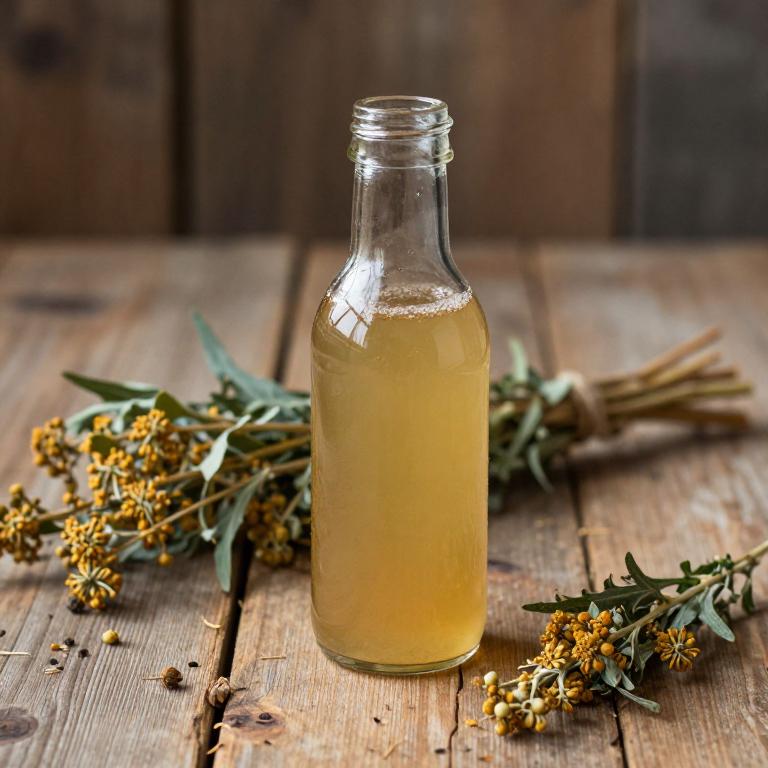
Herbal juices can be a natural and effective way to alleviate symptoms of a stiff neck by promoting muscle relaxation and reducing inflammation.
Ingredients such as ginger, turmeric, and peppermint are commonly used in these juices due to their anti-inflammatory and analgesic properties. Ginger helps improve blood circulation and reduces muscle tension, while turmeric's curcumin content has potent anti-inflammatory effects. Peppermint provides a cooling sensation that can soothe sore muscles and ease discomfort.
When consumed regularly, these herbal juices may support overall neck health and provide relief from stiffness and pain.
Table of Contents
- 1. Stinging nettle (Urtica dioica)
- 2. Yarrow (Achillea millefolium)
- 3. Rosemary (Rosmarinus officinalis)
- 4. Salvia (Salvia officinalis)
- 5. St. john's wort (Hypericum perforatum)
- 6. Turmeric (Curcuma longa)
- 7. Peppermint (Mentha piperita)
- 8. Chaste tree (Vitex agnus-castus)
- 9. Blessed thistle (Cnicus benedictus)
- 10. Echinacea (Echinacea purpurea)
1. Stinging nettle (Urtica dioica)
Urtica dioica, commonly known as stinging nettle, has been traditionally used for its anti-inflammatory and analgesic properties, making it a potential remedy for conditions like a stiff neck.
When prepared as a herbal juice, stinging nettle can help reduce muscle tension and inflammation in the cervical area by promoting circulation and easing pain. To make the juice, fresh or dried nettle leaves are typically blended with water or a mild juice base, and then strained to remove the fibrous residue. Some individuals may experience a tingling sensation upon consumption, which is a normal reaction due to the compounds in the plant.
While it is generally considered safe, it is advisable to consult a healthcare professional before using nettle juice, especially if you have existing health conditions or are taking medications.
2. Yarrow (Achillea millefolium)
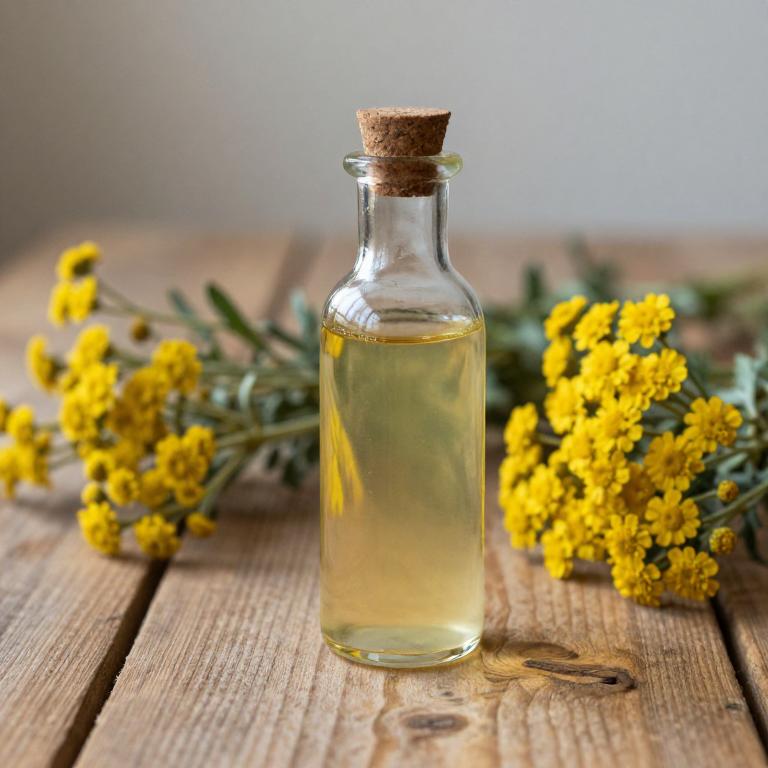
Achillea millefolium, commonly known as yarrow, has been traditionally used in herbal medicine for its anti-inflammatory and analgesic properties.
When prepared as a herbal juice, it may help alleviate symptoms of a stiff neck by reducing inflammation and muscle tension. The active compounds in yarrow, such as essential oils and flavonoids, are believed to promote circulation and ease discomfort. To use yarrow juice for a stiff neck, it is typically applied topically or consumed in small amounts under the guidance of a qualified herbalist.
However, it is important to consult a healthcare professional before using yarrow juice, especially if you have underlying health conditions or are taking other medications.
3. Rosemary (Rosmarinus officinalis)
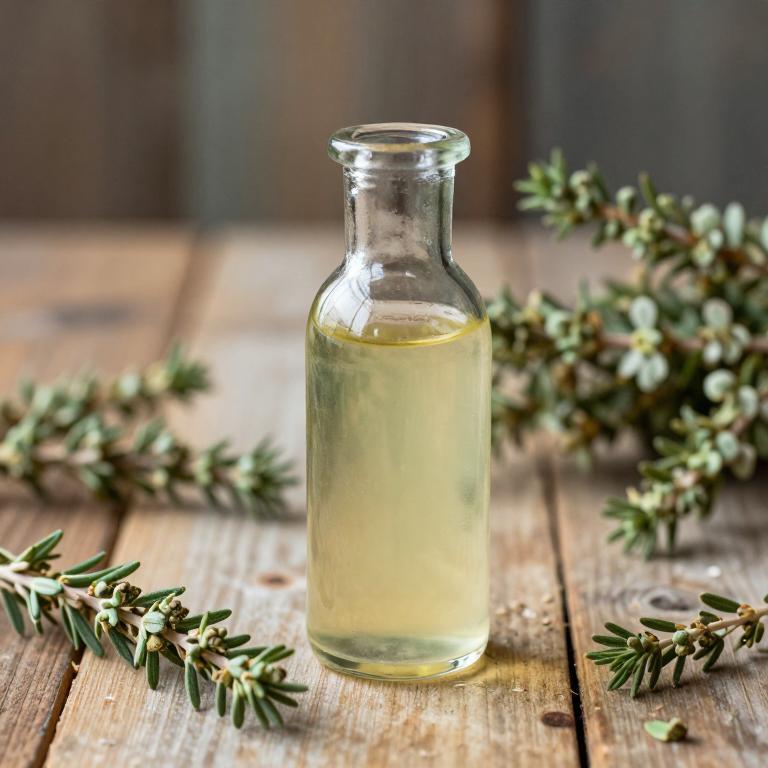
Rosmarinus officinalis, commonly known as rosemary, is a herb widely recognized for its potential health benefits, including its use in alleviating symptoms of a stiff neck.
Rosemary herbal juices are believed to contain compounds such as rosmarinic acid and antioxidants that may help reduce inflammation and improve circulation, which can contribute to easing muscle tension in the neck. These juices can be consumed internally to support overall wellness, or applied topically as a massage oil to provide localized relief. Some studies suggest that the aromatic compounds in rosemary may also help reduce stress and promote relaxation, which can indirectly alleviate neck stiffness.
However, it is important to consult a healthcare professional before using rosemary juice, especially for those with existing medical conditions or who are pregnant.
4. Salvia (Salvia officinalis)
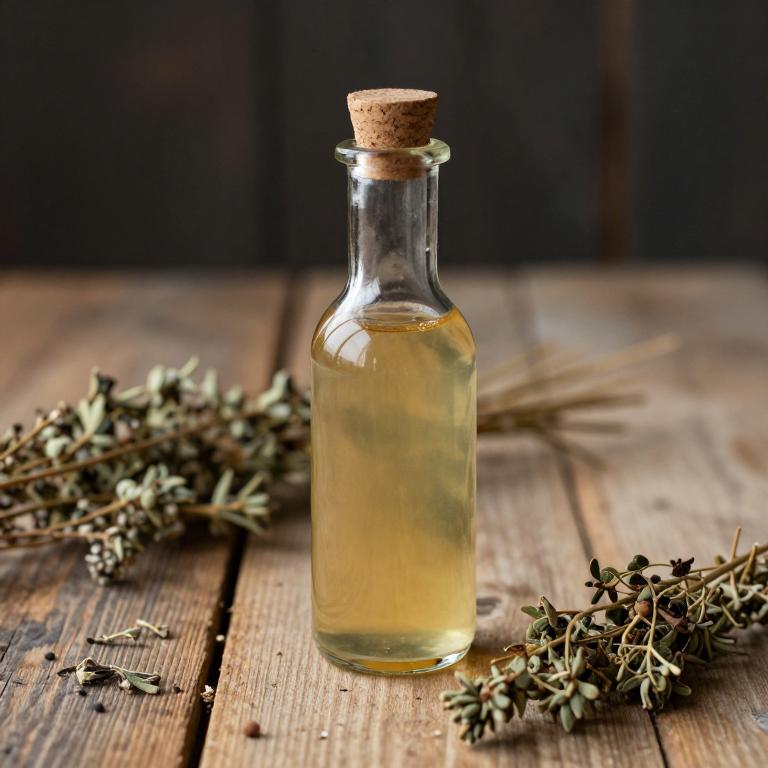
Salvia officinalis, commonly known as sage, has been traditionally used for its potential health benefits, including relief from a stiff neck.
Herbal juices made from fresh or dried sage leaves are believed to possess anti-inflammatory and antispasmodic properties that may help reduce muscle tension and stiffness. When consumed as a juice, sage can support overall musculoskeletal health and promote relaxation of the neck muscles. However, it is important to consult with a healthcare professional before using sage juice, especially if you are on medication or have underlying health conditions.
While some people report relief from stiff neck symptoms through sage herbal juices, more scientific research is needed to fully confirm its efficacy for this specific use.
5. St. john's wort (Hypericum perforatum)
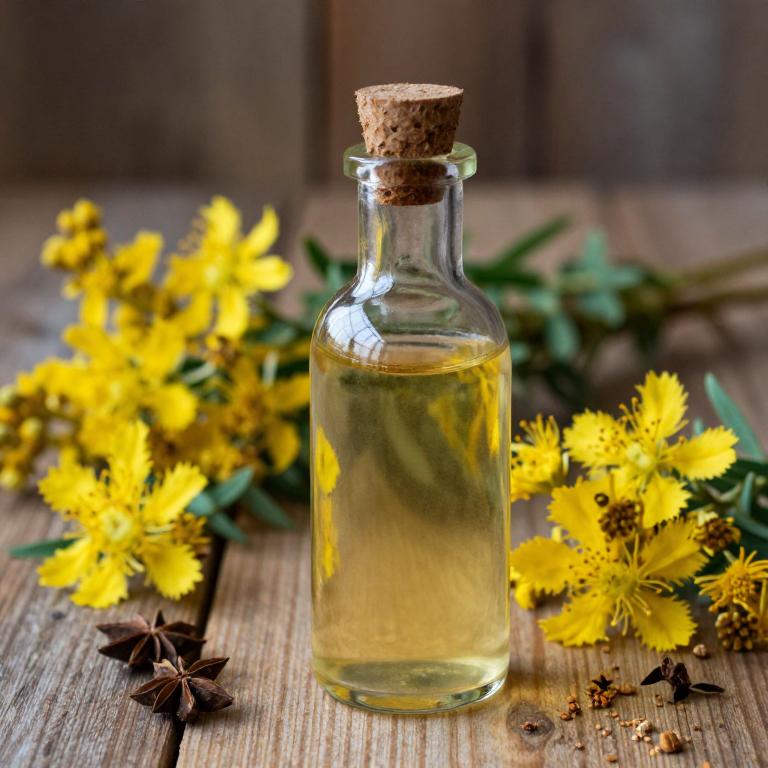
Hypericum perforatum, commonly known as St. John's Wort, has been traditionally used for its potential anti-inflammatory and analgesic properties.
While it is more widely recognized for its effects on mood disorders, some anecdotal evidence suggests it may help alleviate symptoms of a stiff neck by reducing inflammation and muscle tension. When prepared as a herbal juice, hypericum perforatum is believed to support the body's natural healing processes and promote relaxation of the neck muscles. However, it is important to consult a healthcare professional before using it, as it can interact with certain medications.
Overall, while not a substitute for medical treatment, hypericum perforatum herbal juice may be considered as a complementary remedy for mild cases of stiff neck.
6. Turmeric (Curcuma longa)
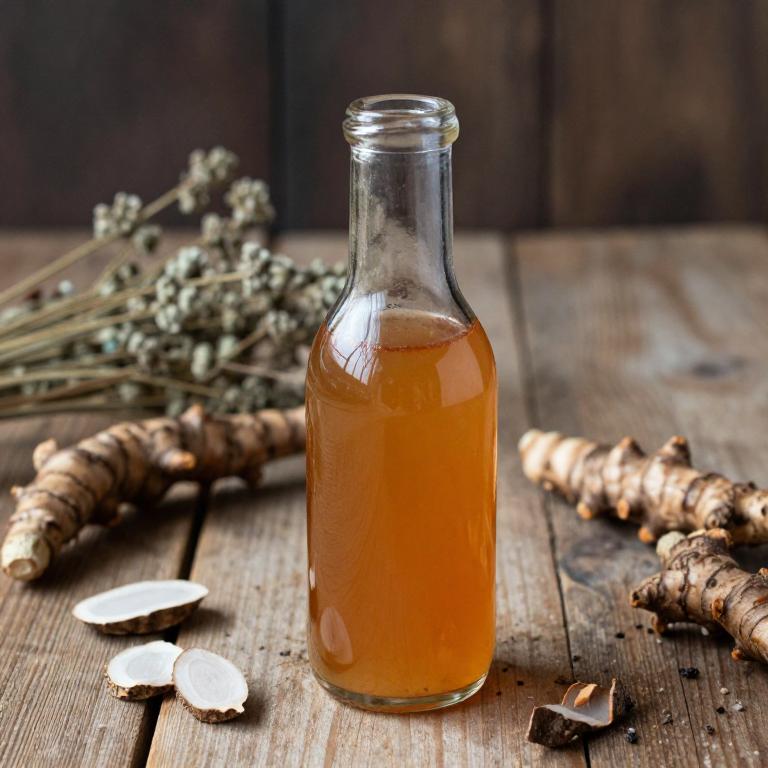
Curcuma longa, commonly known as turmeric, contains curcumin, a compound known for its anti-inflammatory and antioxidant properties.
Herbal juices made from turmeric root can help alleviate symptoms of a stiff neck by reducing inflammation and muscle tension in the cervical region. These juices are often combined with other soothing ingredients like ginger, lemon, or black pepper to enhance absorption and effectiveness. Regular consumption of turmeric-based herbal juices may support overall neck mobility and relieve discomfort associated with stiffness.
However, it is advisable to consult a healthcare professional before using turmeric juice as a remedy, especially if you have existing health conditions or are on medication.
7. Peppermint (Mentha piperita)
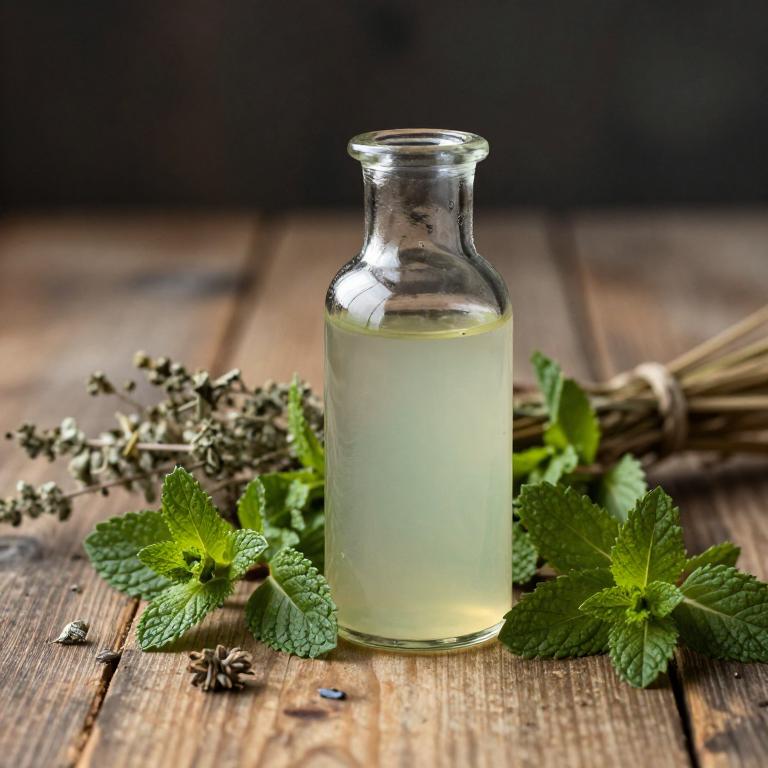
Mentha piperita, commonly known as peppermint, is often used in herbal juices to alleviate symptoms of a stiff neck due to its cooling and anti-inflammatory properties.
The essential oils in peppermint leaves contain menthol, which can help reduce muscle tension and improve blood circulation in the neck area. When consumed as a juice, peppermint can provide a soothing effect, helping to ease discomfort and promote relaxation. It is typically combined with other herbs like ginger or turmeric to enhance its therapeutic benefits.
However, it is advisable to consult a healthcare professional before using peppermint juice, especially for those with existing medical conditions or allergies.
8. Chaste tree (Vitex agnus-castus)
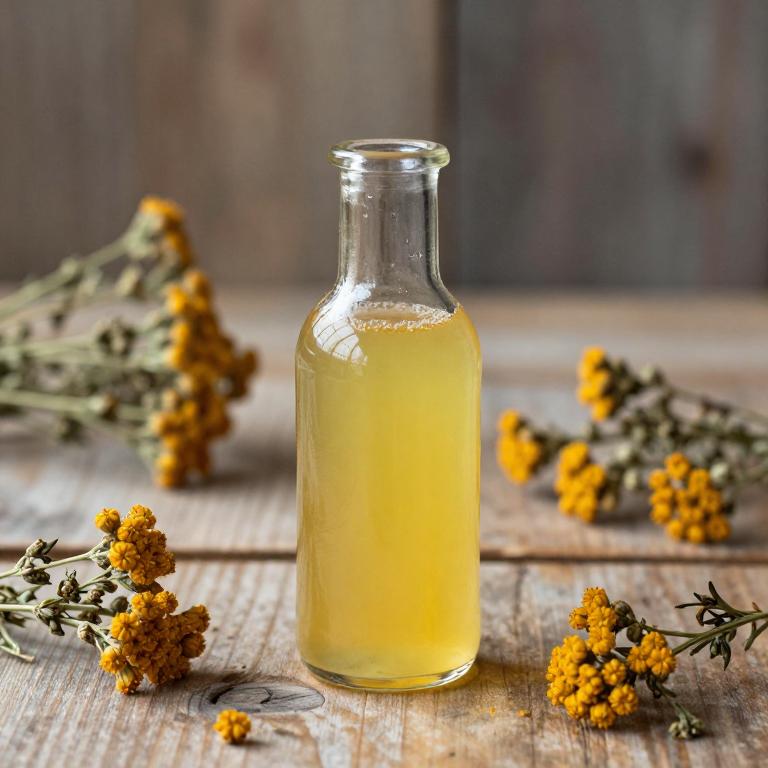
Vitex agnus-castus, commonly known as chaste tree, has been traditionally used in herbal medicine for its potential benefits in hormonal balance and nervous system support.
Some studies suggest that it may help alleviate symptoms associated with menopause, such as mood swings and headaches, which could indirectly contribute to easing a stiff neck. While there is limited direct research on its use for stiff neck specifically, its anti-inflammatory and calming properties may support overall musculoskeletal health. Herbal juices made from Vitex agnus-castus are often consumed as a natural remedy to promote relaxation and reduce tension in the neck and shoulders.
As with any herbal remedy, it is advisable to consult a healthcare professional before use, especially if you have underlying health conditions or are taking other medications.
9. Blessed thistle (Cnicus benedictus)
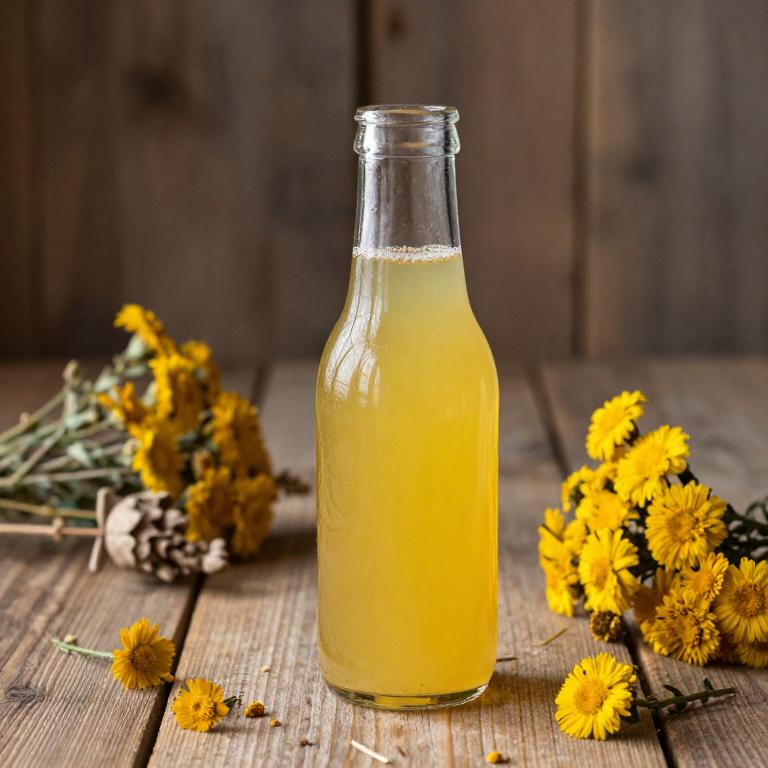
Cnicus benedictus, also known as the blessed weed, has been traditionally used in herbal medicine for its potential therapeutic properties.
While there is limited scientific evidence supporting its use for stiff neck, some practitioners believe that its anti-inflammatory and analgesic properties may help alleviate muscle tension and discomfort. Herbal juices made from Cnicus benedictus are often prepared by combining the plant with other calming herbs like ginger or willow to enhance their effects. These juices are typically consumed internally, though some people may apply them topically as a compress for localized relief.
As with any herbal remedy, it is advisable to consult a healthcare professional before use, especially for persistent or severe neck stiffness.
10. Echinacea (Echinacea purpurea)
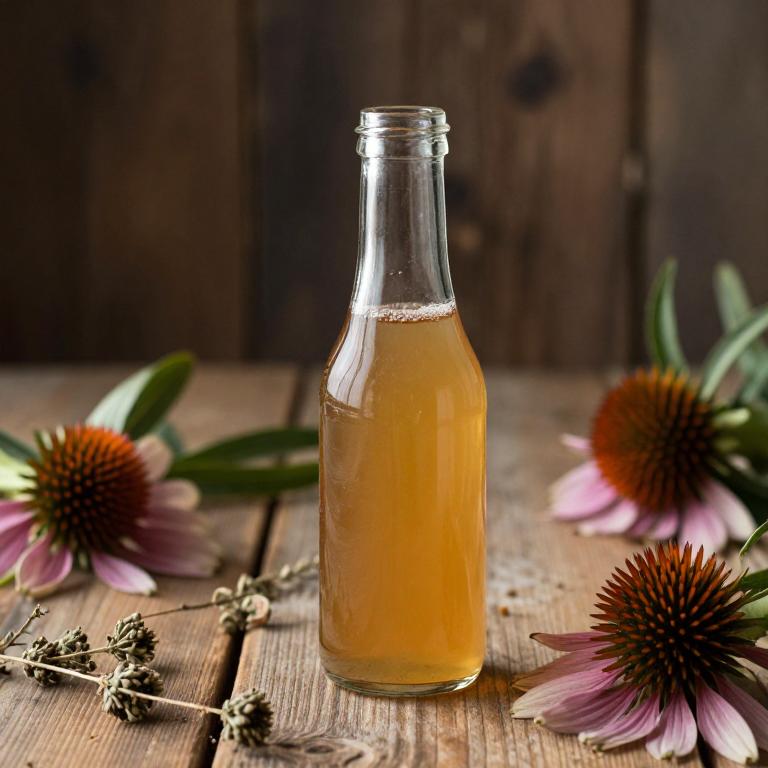
Echinacea purpurea, commonly known as purple coneflower, is a popular herbal remedy often used to support immune health.
While it is traditionally used for colds and respiratory infections, some people have reported using echinacea-based herbal juices for relief from a stiff neck, possibly due to its anti-inflammatory properties. These juices are typically made by steeping the dried roots or flowers in water or alcohol to extract the active compounds. However, there is limited scientific evidence directly linking echinacea to the treatment of neck stiffness, so it should be used with caution and in consultation with a healthcare provider.
It is important to note that while some individuals may find relief from using echinacea herbal juices, they should not replace professional medical advice or treatment for persistent neck issues.