10 Best Herbal Lozenges For Speech Difficulty
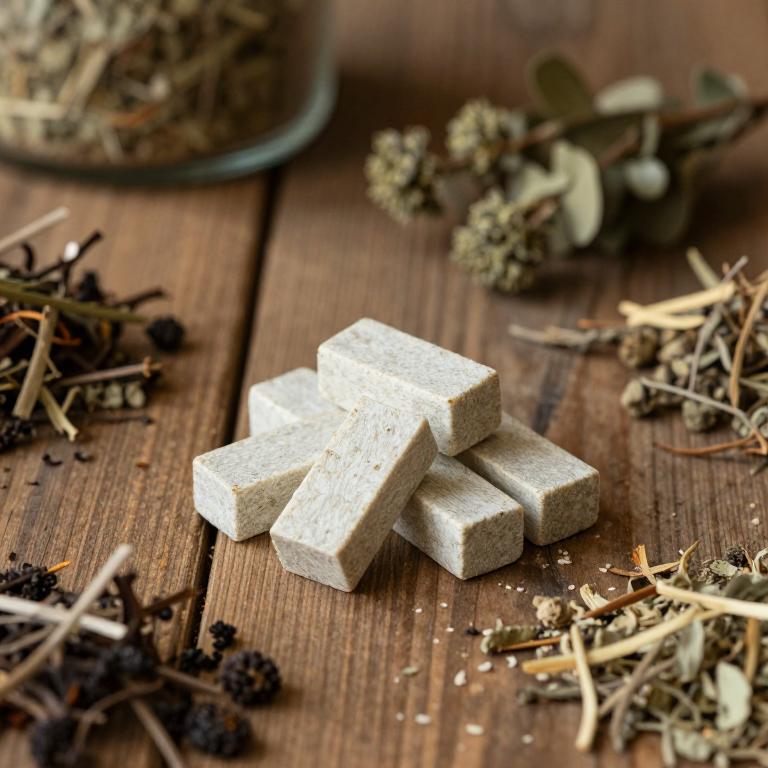
Herbal lozenges are commonly used to alleviate speech difficulty by soothing the throat and reducing inflammation, which can improve vocal clarity and comfort.
These lozenges often contain natural ingredients such as licorice root, honey, and eucalyptus, which have mild antimicrobial and anti-inflammatory properties. They are particularly beneficial for individuals experiencing hoarseness, sore throat, or vocal strain due to overuse or illness. By keeping the throat moist and reducing irritation, herbal lozenges can support better speech production and overall vocal health.
However, it is advisable to consult a healthcare professional if speech difficulty persists, as it may indicate a more serious underlying condition.
Table of Contents
- 1. Licorice (Glycyrrhiza glabra)
- 2. Peppermint (Mentha piperita)
- 3. Ginger (Zingiber officinale)
- 4. Echinacea (Echinacea purpurea)
- 5. Fennel (Foeniculum vulgare)
- 6. Rosemary (Rosmarinus officinalis)
- 7. Salvia (Salvia officinalis)
- 8. Chaste tree (Vitex agnus-castus)
- 9. Black pepper (Piper nigrum)
- 10. Stinging nettle (Urtica dioica)
1. Licorice (Glycyrrhiza glabra)
Glycyrrhiza glabra, commonly known as licorice, has been traditionally used for its soothing properties, particularly in addressing speech difficulties such as hoarseness and vocal strain.
Herbal lozenges made from licorice root contain glycyrrhizin, a compound that may help reduce inflammation in the throat and improve vocal cord function. These lozenges are often recommended for individuals who experience dryness, irritation, or fatigue in the throat, which can affect speech clarity and volume. The sweet taste of licorice also encourages frequent use, making it a convenient option for maintaining vocal health.
However, long-term use should be monitored due to potential side effects associated with high glycyrrhizin intake.
2. Peppermint (Mentha piperita)
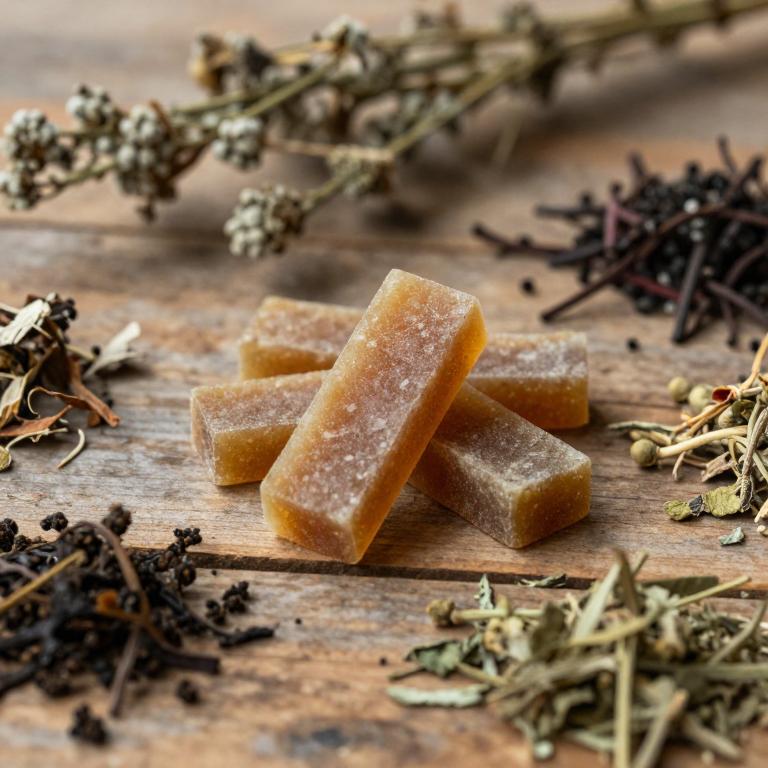
Mentha piperita, commonly known as peppermint, is often used in herbal lozenges to support speech clarity and ease of articulation.
These lozenges work by stimulating the mucous membranes in the throat, which can help reduce inflammation and soothe irritation that may contribute to speech difficulty. The cooling effect of peppermint can also help alleviate a sore throat, making it easier to speak comfortably. Additionally, the menthol in peppermint may improve respiratory function, which can enhance vocal projection and speech fluency.
While not a cure for speech disorders, peppermint lozenges can be a useful complementary aid for those experiencing temporary speech challenges.
3. Ginger (Zingiber officinale)
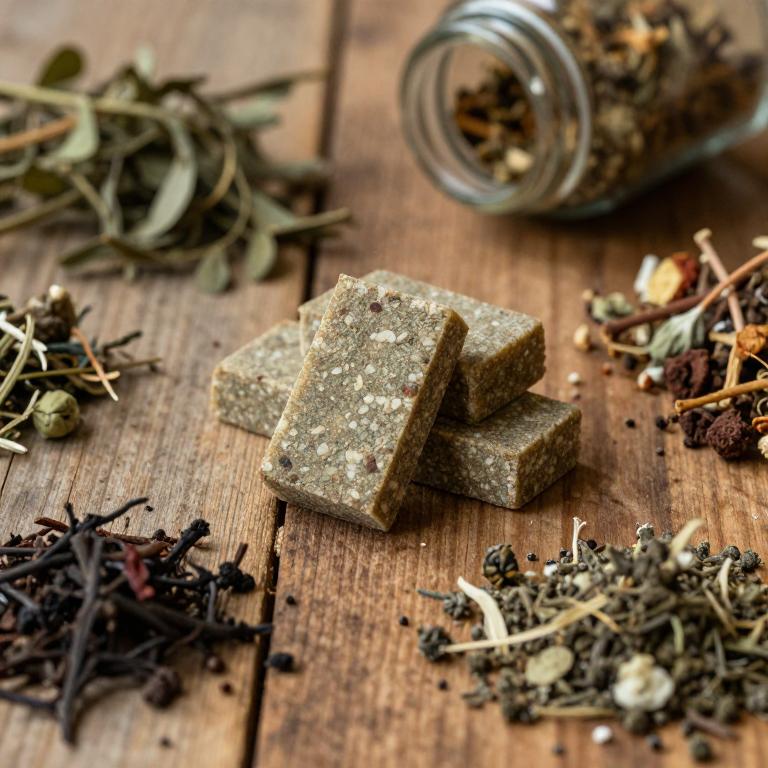
Zingiber officinale, commonly known as ginger, has been traditionally used for its warming and digestive properties, and recent studies suggest it may also support speech clarity by reducing inflammation and improving mucus flow in the throat.
Herbal lozenges containing zingiber officinale are formulated to soothe irritated tissues and ease vocal strain, making them a natural remedy for individuals experiencing speech difficulty due to conditions like laryngitis or vocal cord inflammation. These lozenges work by providing a gentle heat to the throat, which can help relax the vocal cords and promote smoother speech. They are often preferred over conventional medications due to their mild side effect profile and holistic approach to wellness.
As a complementary therapy, zingiber officinale lozenges may offer relief for those seeking non-pharmaceutical options to enhance vocal function and ease communication.
4. Echinacea (Echinacea purpurea)
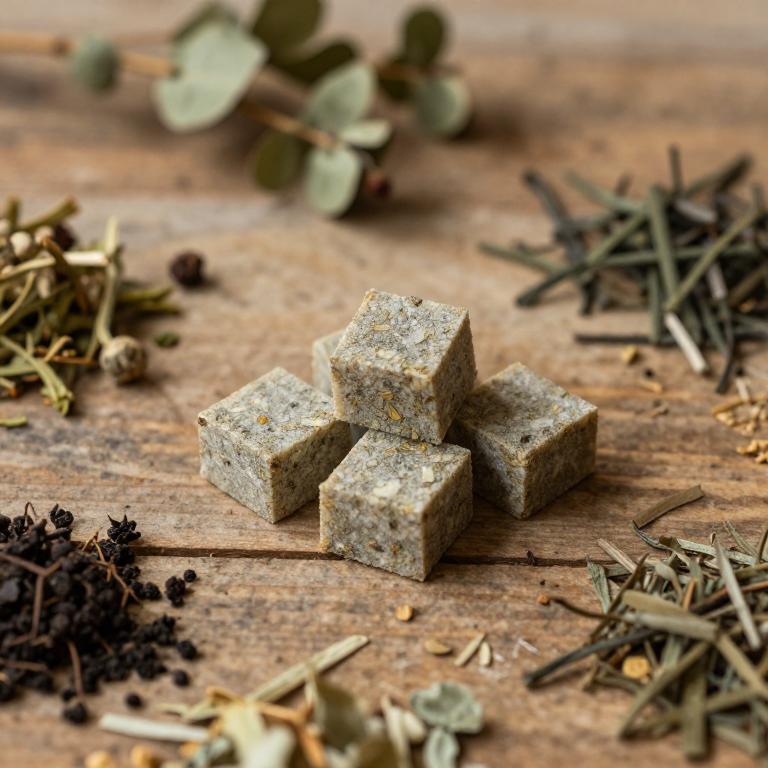
Echinacea purpurea herbal lozenges are traditionally used to support immune health and may offer relief for individuals experiencing speech difficulty due to sore throats or inflammation.
These lozenges contain the active herb Echinacea purpurea, which is known for its potential anti-inflammatory and antimicrobial properties. By soothing the throat and reducing irritation, they may help improve vocal clarity and ease of speech in those with mild throat discomfort. However, it is important to consult a healthcare professional before using them, especially for individuals with chronic conditions or those taking other medications.
While they may provide symptomatic relief, they are not a cure for underlying speech disorders and should be used as part of a comprehensive treatment plan.
5. Fennel (Foeniculum vulgare)
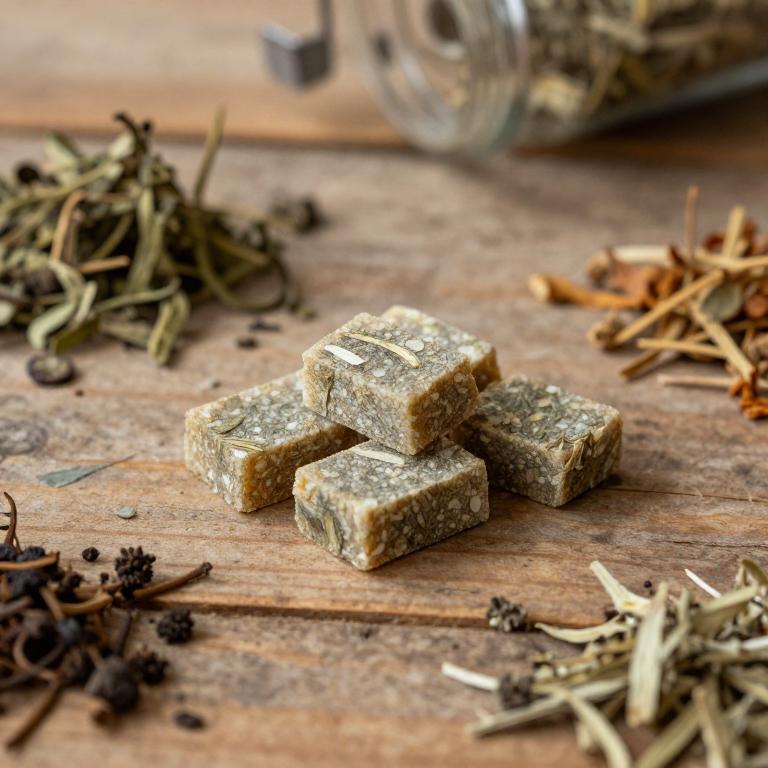
Foeniculum vulgare, commonly known as fennel, has been traditionally used in herbal medicine for its soothing and expectorant properties.
Fennel herbal lozenges are often recommended to alleviate speech difficulty, particularly in cases where throat irritation or inflammation may contribute to muffled or unclear speech. The essential oils in fennel, such as anethol, help reduce inflammation and promote a sense of relief in the throat, potentially improving vocal clarity. These lozenges are typically made from dried fennel seeds and are easy to use, offering a natural alternative for those seeking relief without pharmaceutical interventions.
While they may not cure underlying medical conditions, fennel lozenges can support overall throat health and may aid in temporarily improving speech difficulties.
6. Rosemary (Rosmarinus officinalis)
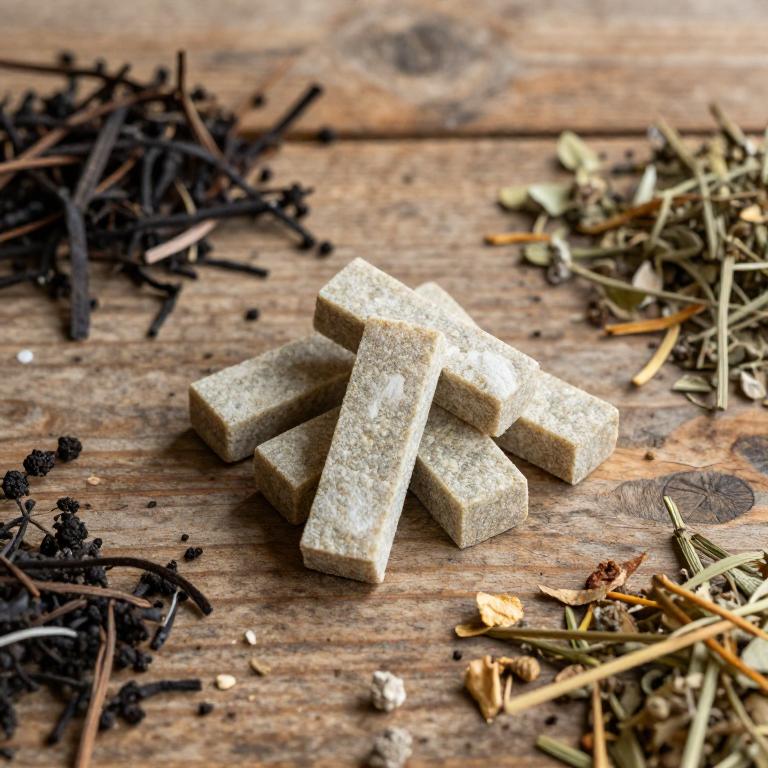
Rosmarinus officinalis, commonly known as rosemary, has been traditionally used for its aromatic and medicinal properties, and rosemary herbal lozenges are formulated to support individuals experiencing speech difficulties.
These lozenges are designed to soothe the throat, reduce inflammation, and enhance vocal clarity by promoting healthy respiratory and vocal cord function. The essential oils in rosemary, such as cineole and camphor, are believed to have a stimulating effect on the nervous system, potentially aiding in improving speech articulation and fluency. They are particularly beneficial for people with conditions like stuttering, aphasia, or those recovering from vocal strain or injury.
As a natural alternative to conventional remedies, rosemary lozenges offer a gentle and holistic approach to supporting speech health and overall throat wellness.
7. Salvia (Salvia officinalis)
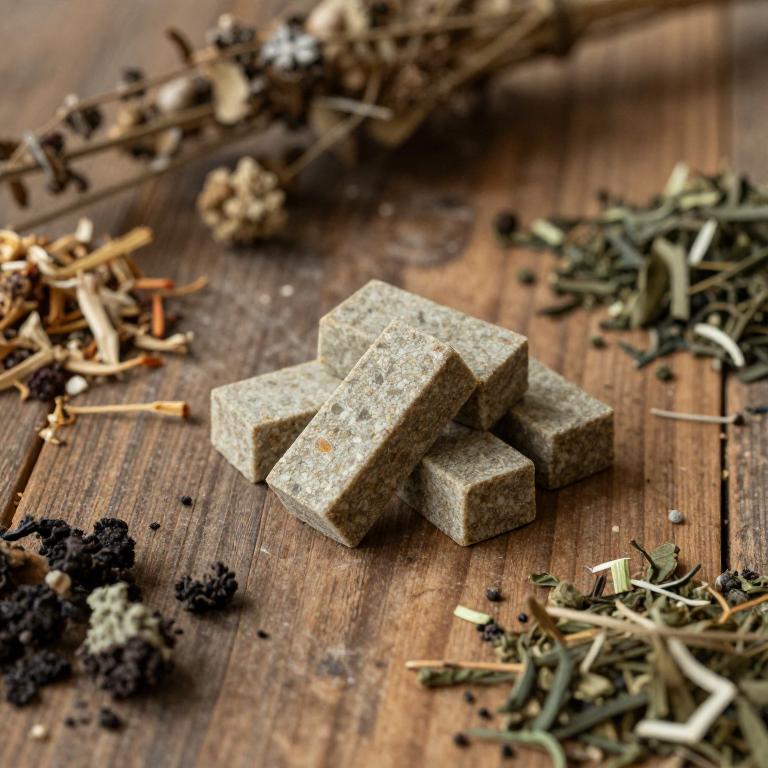
Salvia officinalis, commonly known as sage, has been traditionally used for its potential benefits in improving speech clarity and reducing speech difficulty.
Herbal lozenges containing salvia officinalis are often formulated to support throat health and enhance vocal function. These lozenges may help alleviate symptoms such as dryness, irritation, or hoarseness that can contribute to speech difficulties. The active compounds in sage, including flavonoids and essential oils, are believed to have anti-inflammatory and antimicrobial properties that support vocal cord health.
While more research is needed, some individuals report improved speech fluency and reduced vocal fatigue after using sage-based lozenges.
8. Chaste tree (Vitex agnus-castus)
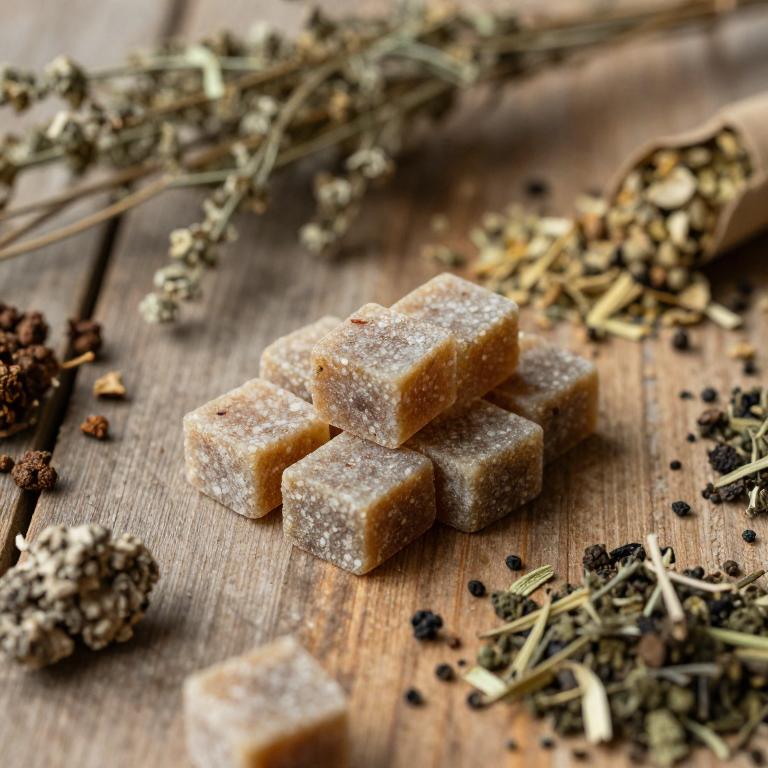
Vitex agnus-castus, commonly known as chasteberry, is a herbal remedy that has been traditionally used to support hormonal balance and may be beneficial for individuals experiencing speech difficulties related to hormonal fluctuations.
Herbal lozenges containing Vitex agnus-castus are formulated to be dissolved slowly in the mouth, allowing the active compounds to be absorbed through the mucous membranes for localized and systemic effects. These lozenges are often recommended for women experiencing speech-related symptoms such as voice hoarseness or reduced vocal projection, which may be linked to conditions like menopause or thyroid imbalances. While research on its direct impact on speech is limited, its potential to support overall vocal health through hormonal regulation is a subject of interest in complementary medicine.
As with any herbal supplement, it is important to consult with a healthcare provider before use, especially for those with pre-existing medical conditions or taking other medications.
9. Black pepper (Piper nigrum)
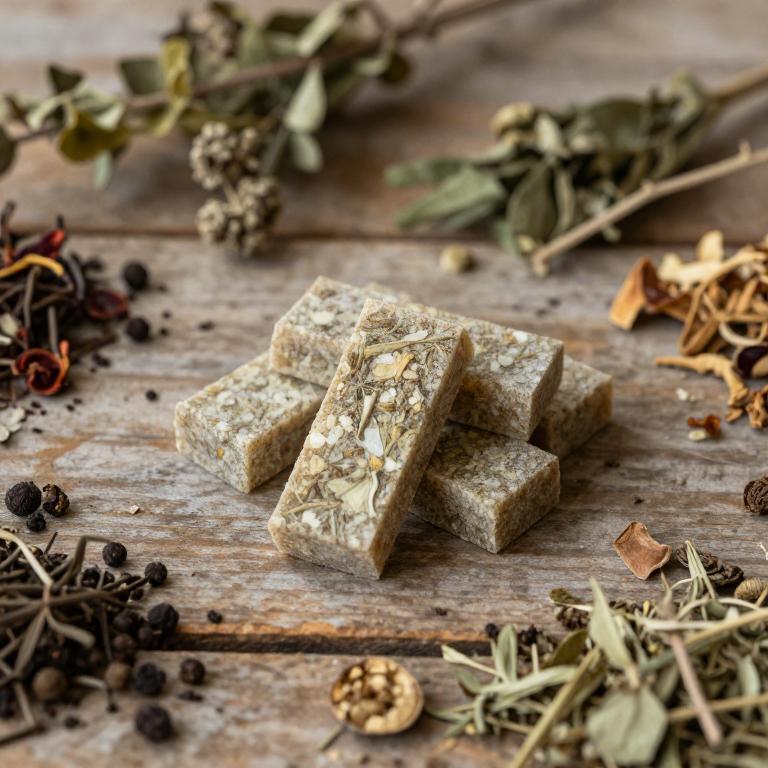
Piper nigrum, commonly known as black pepper, has been traditionally used in herbal medicine for its potential benefits in improving speech clarity and reducing speech difficulty.
The active compound in black pepper, piperine, is believed to enhance cognitive function and stimulate nerve pathways that support speech production. Piper nigrum herbal lozenges are formulated to provide a soothing effect on the throat while promoting better articulation and vocal strength. These lozenges are often recommended for individuals experiencing temporary speech difficulties due to throat irritation or mild neurological conditions.
However, it is important to consult a healthcare professional before using them, especially for prolonged or severe speech issues.
10. Stinging nettle (Urtica dioica)
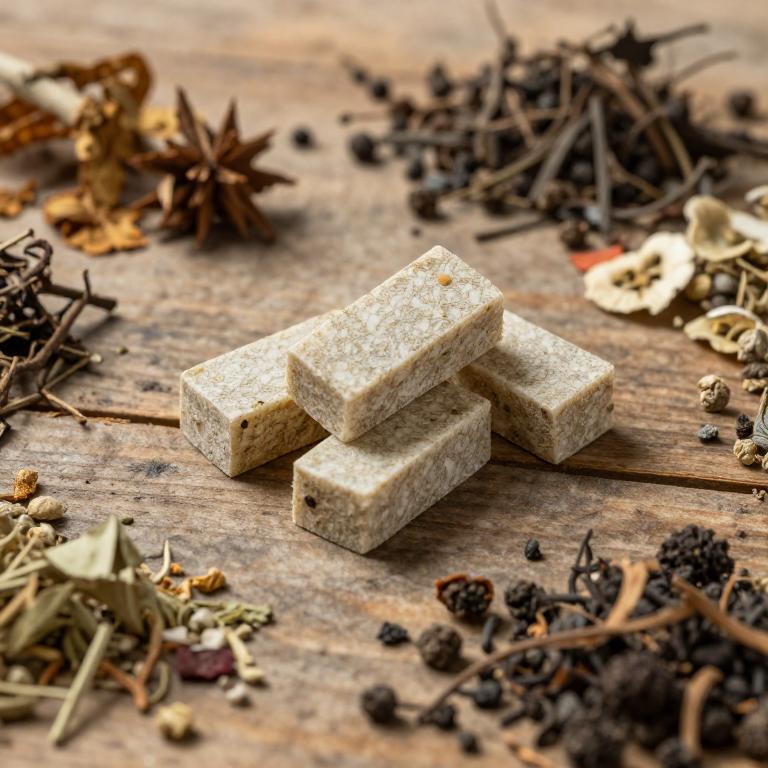
Urtica dioica, commonly known as stinging nettle, has been traditionally used for its medicinal properties, including its potential to support speech clarity and reduce throat irritation.
Herbal lozenges made from Urtica dioica are designed to soothe the throat and may help alleviate symptoms that contribute to speech difficulty, such as dryness or inflammation. These lozenges are often formulated with other herbs to enhance their soothing and anti-inflammatory effects. They are typically used as a natural alternative for individuals seeking to improve vocal clarity without the use of pharmaceutical medications.
However, it is important to consult a healthcare professional before using these lozenges, especially for those with underlying health conditions or who are taking other medications.