10 Best Herbal Lotions For Speech Difficulty
Herbal lotions have gained attention as a complementary approach for individuals experiencing speech difficulties, often used in conjunction with traditional therapies.
These lotions typically contain natural ingredients such as ginger, turmeric, and eucalyptus, which are believed to have anti-inflammatory and soothing properties. Some people apply these lotions to the neck and throat area to help relax the muscles and improve vocal clarity. While there is limited scientific evidence supporting their effectiveness, many users report a sense of relief and improved comfort in speaking.
As with any alternative treatment, it is important to consult with a healthcare professional before using herbal lotions for speech-related concerns.
Table of Contents
- 1. Rosemary (Rosmarinus officinalis)
- 2. Salvia (Salvia officinalis)
- 3. Echinacea (Echinacea purpurea)
- 4. Chaste tree (Vitex agnus-castus)
- 5. Stinging nettle (Urtica dioica)
- 6. Peppermint (Mentha piperita)
- 7. Licorice (Glycyrrhiza glabra)
- 8. Ginger (Zingiber officinale)
- 9. Yarrow (Achillea millefolium)
- 10. English lavender (Lavandula angustifolia)
1. Rosemary (Rosmarinus officinalis)
Rosmarinus officinalis, commonly known as rosemary, has been traditionally used for its aromatic and therapeutic properties, and rosemary herbal lotions are increasingly being explored for their potential benefits in addressing speech difficulties.
These lotions are typically infused with rosemary essential oil, which is believed to stimulate mental clarity and enhance cognitive function, both of which are crucial for speech development and articulation. The calming and invigorating effects of rosemary may help reduce anxiety and improve focus, which can support individuals with speech disorders in communicating more effectively. While scientific evidence is still emerging, anecdotal reports suggest that regular use of rosemary lotions may aid in improving muscle tone and coordination in the mouth and throat areas.
As a natural remedy, rosemary herbal lotions offer a complementary approach to speech therapy, encouraging holistic support for those struggling with speech difficulties.
2. Salvia (Salvia officinalis)
Salvia officinalis, commonly known as sage, has been traditionally used in herbal medicine for its potential benefits in improving speech clarity and reducing speech difficulty.
Sage contains compounds like rosmarinic acid and flavonoids, which may help reduce inflammation and support nerve function, potentially aiding in speech-related conditions. Herbal lotions made from sage are often applied topically to the throat and neck area to soothe irritation and promote vocal health. While research on its direct impact on speech disorders is limited, many users report improved vocal strength and reduced symptoms of speech difficulty when using sage-based products.
As with any herbal remedy, it is advisable to consult a healthcare professional before incorporating sage lotions into a treatment plan for speech issues.
3. Echinacea (Echinacea purpurea)
Echinacea purpurea, commonly known as purple coneflower, is traditionally used in herbal remedies for its immune-boosting properties.
While it is widely recognized for its potential benefits in supporting the immune system, its use in herbal lotions for speech difficulty is less well-documented. Some proponents suggest that applying echinacea-based lotions to the throat or neck may help alleviate inflammation and improve vocal clarity, though scientific evidence for this specific use is limited. These lotions are often marketed as natural alternatives to conventional treatments for voice-related issues, such as hoarseness or vocal strain.
However, individuals considering echinacea purpurea lotions for speech difficulties should consult with a healthcare professional to ensure safety and appropriateness for their specific condition.
4. Chaste tree (Vitex agnus-castus)
Vitex agnus-castus, commonly known as chasteberry, has been traditionally used in herbal medicine for its potential to support hormonal balance and alleviate symptoms related to reproductive health.
While it is most widely recognized for its benefits in menstrual and menopausal issues, some herbal practitioners suggest that vitex agnus-castus may also have a role in addressing speech difficulties, particularly those linked to hormonal imbalances or nervous system disturbances. Herbal lotions containing vitex agnus-castus are believed to promote circulation and nerve health, which could potentially aid in improving speech clarity and fluency. However, it is important to note that scientific evidence supporting its use for speech disorders is limited, and individuals should consult with a healthcare provider before using such remedies.
As with any herbal treatment, the effectiveness of vitex agnus-castus for speech difficulty may vary, and it should be used as a complementary rather than a standalone therapy.
5. Stinging nettle (Urtica dioica)
Urtica dioica, commonly known as stinging nettle, has been traditionally used in herbal medicine for its potential health benefits, including its possible role in alleviating speech difficulties.
Some proponents suggest that the anti-inflammatory and detoxifying properties of stinging nettle may support overall health, which could indirectly benefit speech clarity and articulation. While there is limited scientific research specifically linking urtica dioica to speech disorders, some herbal practitioners use nettle-based lotions as part of holistic treatment approaches for voice-related issues. These lotions are often applied topically to the throat and neck area to reduce inflammation and promote relaxation of the vocal cords.
However, it is important to consult with a healthcare professional before using any herbal remedy, especially for speech-related conditions, to ensure safety and effectiveness.
6. Peppermint (Mentha piperita)
Mentha piperita, commonly known as peppermint, is often used in herbal lotions to support speech clarity and reduce speech-related difficulties.
These lotions are typically applied topically to the neck, throat, and chest areas, where they can help alleviate tension and improve respiratory function. The cooling and soothing properties of peppermint may help relax the muscles involved in speech, potentially enhancing articulation and vocal control. Some individuals with speech disorders find that regular use of peppermint herbal lotions provides a calming effect, which can aid in communication.
While not a cure, these lotions may be a complementary therapy when used alongside speech therapy and other professional treatments.
7. Licorice (Glycyrrhiza glabra)
Glycyrrhiza glabra, commonly known as licorice root, has been traditionally used in herbal medicine for its potential benefits in improving speech and voice clarity.
Herbal lotions made from licorice root are believed to support the health of the throat and vocal cords, which can be beneficial for individuals experiencing speech difficulties. These lotions may help reduce inflammation and soothe irritation in the respiratory and vocal tissues, promoting smoother and clearer speech. While scientific evidence is limited, many users report improved vocal strength and reduced hoarseness after regular use of licorice-based herbal lotions.
As with any herbal remedy, it is advisable to consult a healthcare professional before use, especially for those with preexisting medical conditions or allergies.
8. Ginger (Zingiber officinale)
Zingiber officinale, commonly known as ginger, has been traditionally used in herbal remedies for its anti-inflammatory and soothing properties.
Herbal lotions infused with zingiber officinale may help alleviate speech difficulty by reducing inflammation in the throat and improving vocal cord function. These natural formulations are often preferred by individuals seeking alternative treatments for speech disorders or voice strain. The warming effect of ginger can promote blood circulation, potentially enhancing vocal clarity and ease of speech.
While more research is needed, some users report improved speech quality after regular use of ginger-based herbal lotions.
9. Yarrow (Achillea millefolium)
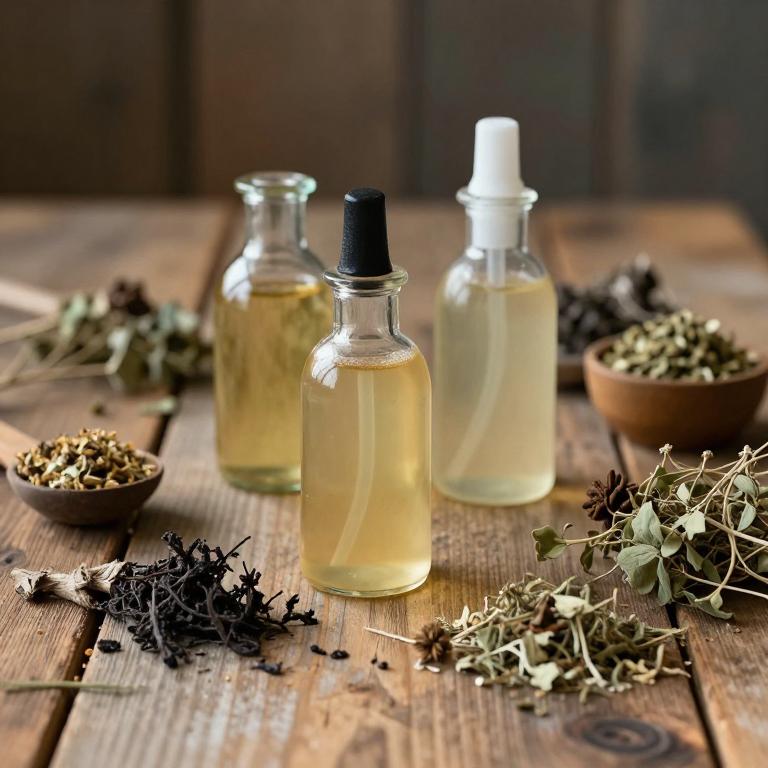
Achillea millefolium, commonly known as yarrow, has been traditionally used in herbal medicine for its potential soothing and anti-inflammatory properties.
While it is not a direct treatment for speech difficulty, some herbal lotions containing yarrow may help alleviate related symptoms such as throat irritation or inflammation that could contribute to speech issues. These lotions are often applied topically to the throat or neck area to reduce discomfort and promote relaxation of the vocal cords. However, it is important to consult with a healthcare professional before using any herbal remedies, especially for speech-related concerns.
Overall, while yarrow may offer some supportive benefits, it should not replace conventional medical treatments for speech disorders.
10. English lavender (Lavandula angustifolia)
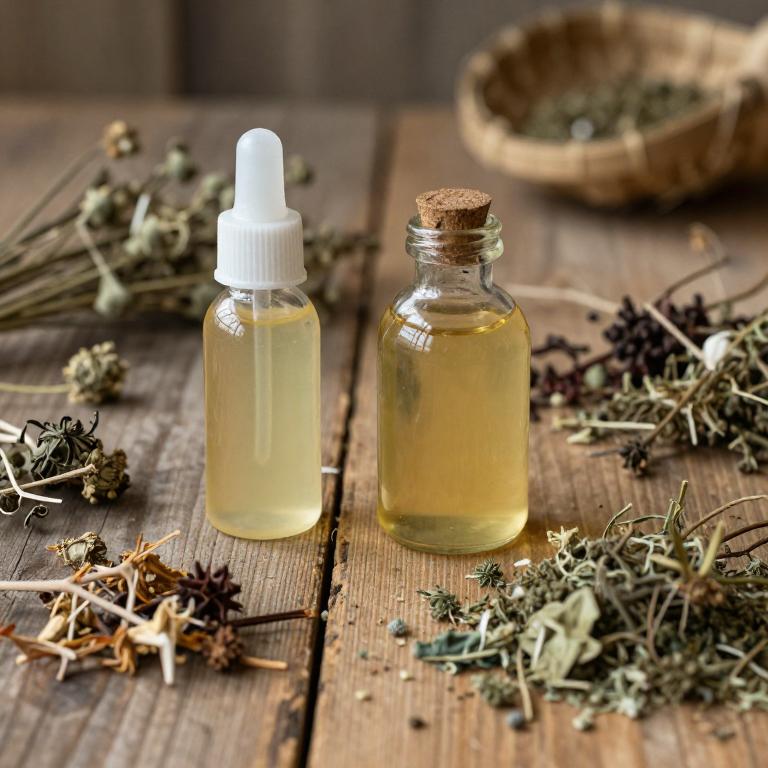
Lavandula angustifolia, commonly known as English lavender, has been traditionally used in herbal remedies for its calming and soothing properties.
Herbal lotions infused with lavender are often used to support speech difficulty by promoting relaxation and reducing anxiety, which can interfere with communication. These lotions may help alleviate stress-related speech disorders by encouraging a sense of calm and mental clarity. The aromatic compounds in lavender are believed to stimulate the nervous system in a gentle manner, enhancing focus and articulation.
While not a cure, lavender-based herbal lotions can serve as a complementary therapy to support overall speech health and emotional well-being.