10 Best Herbal Capsules For Speech Difficulty
Herbal capsules are increasingly being used as a natural alternative to support speech clarity and communication for individuals experiencing speech difficulty.
These capsules typically contain a blend of traditional herbs such as ashwagandha, licorice root, and ginkgo biloba, which are believed to enhance cognitive function and vocal cord health. Many people find herbal supplements beneficial for reducing speech disorders caused by stress, aging, or neurological conditions. While they are generally considered safe, it is important to consult with a healthcare professional before starting any herbal regimen.
Overall, herbal capsules offer a complementary approach to improving speech difficulty, though they should not replace medical treatment.
Table of Contents
- 1. Chaste tree (Vitex agnus-castus)
- 2. Echinacea (Echinacea purpurea)
- 3. Salvia (Salvia officinalis)
- 4. Ginkgo (Ginkgo biloba)
- 5. Licorice (Glycyrrhiza glabra)
- 6. Golden root (Rhodiola rosea)
- 7. St. john's wort (Hypericum perforatum)
- 8. Ginger (Zingiber officinale)
- 9. Turmeric (Curcuma longa)
- 10. Peppermint (Mentha piperita)
1. Chaste tree (Vitex agnus-castus)
Vitex agnus-castus, commonly known as chasteberry, is a herbal remedy often used to support hormonal balance and may be beneficial for individuals experiencing speech difficulties related to hormonal imbalances.
While it is not a direct treatment for speech disorders, some studies suggest that it may help alleviate symptoms associated with conditions like menopause or thyroid dysfunction, which can indirectly impact speech clarity and volume. Herbal capsules containing vitex are typically taken orally and are generally considered safe for most adults when used as directed. However, it is important to consult with a healthcare provider before using vitex, especially if you have existing medical conditions or are taking other medications.
As with any supplement, results may vary, and it should be used as part of a comprehensive approach to addressing speech difficulties.
2. Echinacea (Echinacea purpurea)
Echinacea purpurea, commonly known as purple coneflower, is a popular herbal remedy traditionally used to support immune function and reduce the duration of colds.
While it is most widely recognized for its immune-boosting properties, some anecdotal reports suggest that echinacea may also have potential benefits for speech-related difficulties, such as aphasia or speech impediments. However, there is limited scientific research directly linking echinacea to improvements in speech clarity or articulation. Some practitioners believe that its anti-inflammatory and antioxidant properties may contribute to overall neurological health, which could indirectly support speech function.
It is important to consult with a healthcare professional before using echinacea, especially for individuals with existing speech disorders, to ensure safety and appropriateness.
3. Salvia (Salvia officinalis)
Salvia officinalis, commonly known as sage, has been traditionally used for its potential cognitive and neurological benefits.
Herbal capsules containing salvia officinalis are increasingly being explored for their possible role in supporting speech clarity and reducing speech difficulty in individuals with conditions such as Parkinson's disease or stroke-related aphasia. Research suggests that compounds in sage, such as rosmarinic acid and flavonoids, may enhance neurotransmitter activity and improve brain function, which could aid in speech recovery. While more clinical studies are needed, some users report improved articulation and reduced stuttering after regular use of sage supplements.
As a complementary therapy, salvia officinalis capsules may offer a natural approach to supporting speech function when used alongside conventional treatments.
4. Ginkgo (Ginkgo biloba)
Ginkgo biloba herbal capsules are often used to support cognitive function and may help alleviate speech difficulties by improving blood flow to the brain.
This herb contains antioxidants and flavonoids that are believed to enhance neural communication and reduce inflammation, which can contribute to speech-related issues. While some studies suggest potential benefits for cognitive and speech disorders, more research is needed to confirm its effectiveness in specific cases. It is typically taken as a dietary supplement, and its use should be discussed with a healthcare provider, especially for individuals with existing medical conditions.
Overall, ginkgo biloba may be a complementary option for those seeking natural support for speech challenges, though it should not replace professional medical treatment.
5. Licorice (Glycyrrhiza glabra)
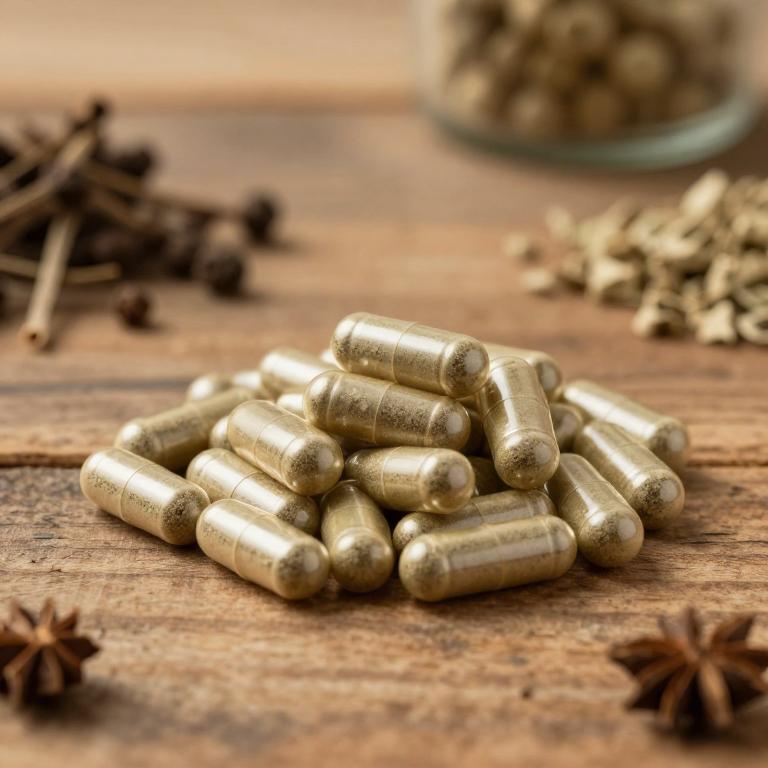
Glycyrrhiza glabra, commonly known as licorice root, has been traditionally used in herbal medicine for its potential benefits in supporting speech and communication.
Herbal capsules containing glycyrrhiza glabra are often used to alleviate speech difficulties by promoting throat health and reducing inflammation in the respiratory tract. The active compounds in licorice root, such as glycyrrhizin and flavonoids, may help soothe irritation and improve vocal clarity. While some studies suggest it may support voice quality, it is important to consult a healthcare professional before use, especially for individuals with hypertension or other medical conditions.
Overall, glycyrrhiza glabra herbal capsules may be a complementary approach for those experiencing speech-related challenges, though they should not replace medical treatment.
6. Golden root (Rhodiola rosea)
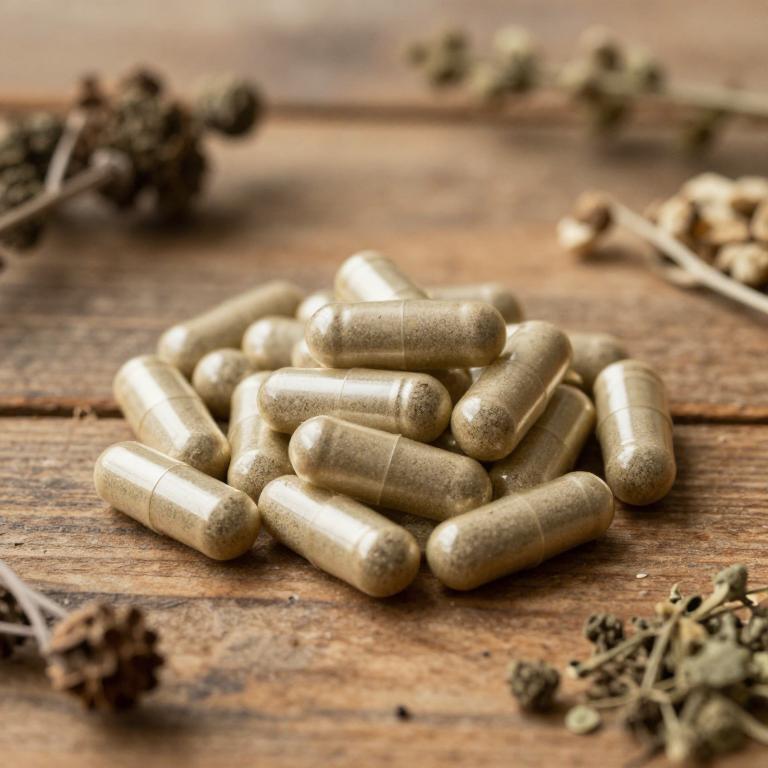
Rhodiola rosea, also known as the "golden root," is an adaptogenic herb that has been traditionally used to enhance physical and mental performance.
Herbal capsules containing Rhodiola rosea are increasingly being explored for their potential to support speech and communication difficulties, particularly in individuals with conditions like Parkinson's disease or stroke-related aphasia. The herb is believed to support cognitive function by reducing oxidative stress and improving mitochondrial efficiency, which may aid in speech clarity and coordination. Some studies suggest that Rhodiola rosea may help alleviate symptoms of fatigue and anxiety, which can indirectly improve speech fluency.
However, more clinical research is needed to fully understand its efficacy and safety in treating speech-related disorders.
7. St. john's wort (Hypericum perforatum)
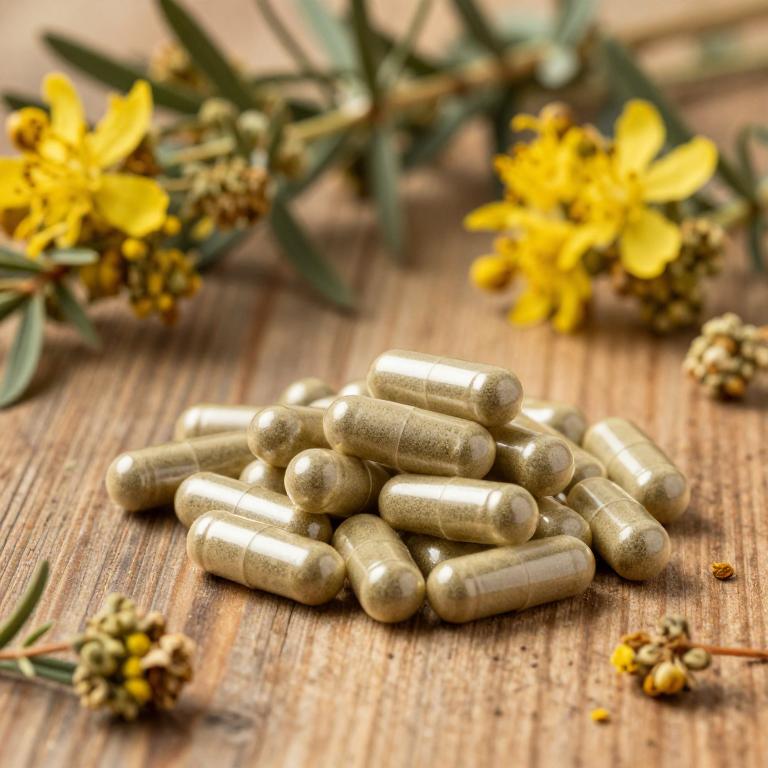
Hypericum perforatum, commonly known as St. John's wort, is a herbal remedy that has been traditionally used to support mental health and emotional well-being.
While it is primarily recognized for its potential benefits in mild to moderate depression, some studies suggest that it may also help alleviate speech difficulties by improving mood and cognitive function. The active compounds in hypericum perforatum, such as hypericin and hyperforin, are believed to influence neurotransmitter levels in the brain, which could indirectly support clearer communication. Herbal capsules of St. John's wort offer a convenient and standardized form of the herb, making it easier for individuals to incorporate into their daily routine.
However, it is important to consult with a healthcare professional before use, especially if other medications are being taken, due to potential interactions.
8. Ginger (Zingiber officinale)
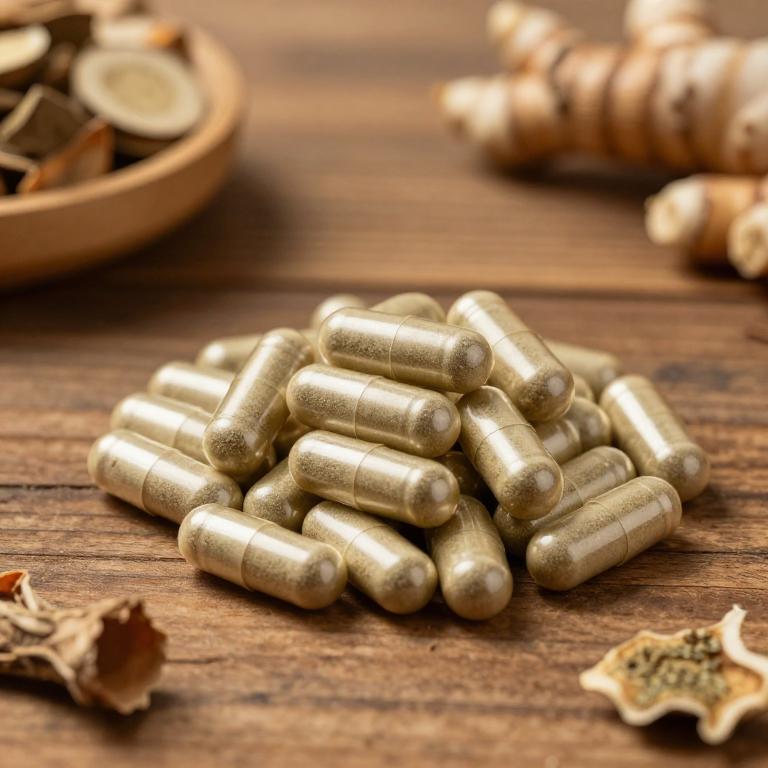
Zingiber officinale, commonly known as ginger, has been traditionally used for its medicinal properties, including its potential to support speech and communication.
Herbal capsules containing zingiber officinale are often used as a natural remedy to address speech difficulties, such as stuttering or speech articulation issues. These capsules are believed to improve blood circulation and reduce inflammation, which may contribute to better vocal function and clearer speech. While more research is needed to confirm their efficacy, some individuals report improved speech clarity after incorporating ginger into their regimen.
As with any herbal supplement, it is important to consult a healthcare professional before use, especially for those with existing health conditions or taking other medications.
9. Turmeric (Curcuma longa)
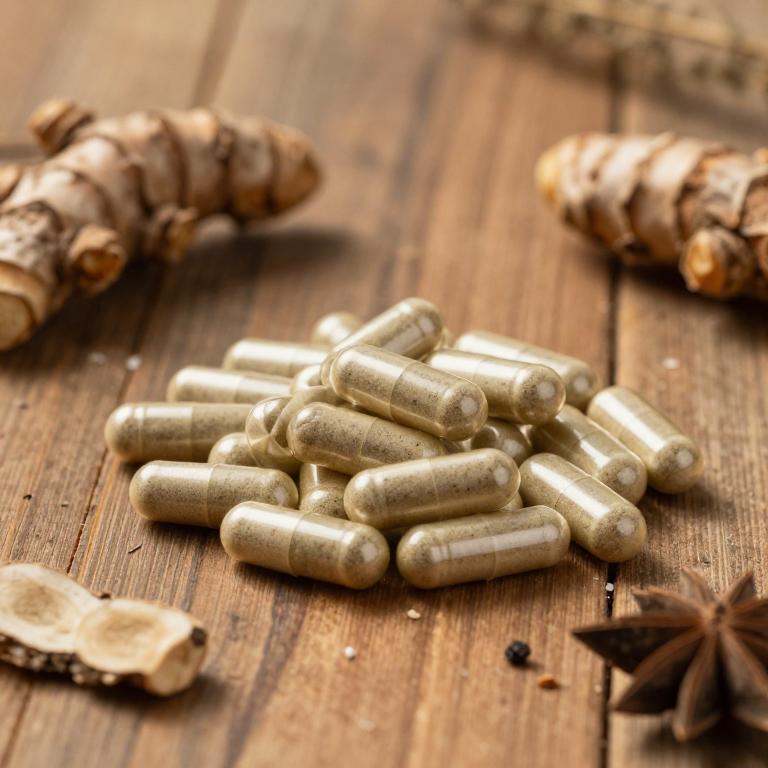
Curcuma longa, commonly known as turmeric, has been traditionally used in herbal medicine for its anti-inflammatory and antioxidant properties.
Recent research suggests that curcumin, the active compound in turmeric, may support brain health and potentially aid in speech difficulties by reducing inflammation and oxidative stress in neural pathways. While there is limited direct evidence linking curcuma longa capsules to speech improvement, some studies indicate that it may enhance cognitive function and mood, which can indirectly support communication abilities. These capsules are often taken as a supplement to complement other speech therapy treatments.
As with any herbal remedy, it is important to consult a healthcare professional before use, especially for individuals with existing medical conditions or those taking other medications.
10. Peppermint (Mentha piperita)
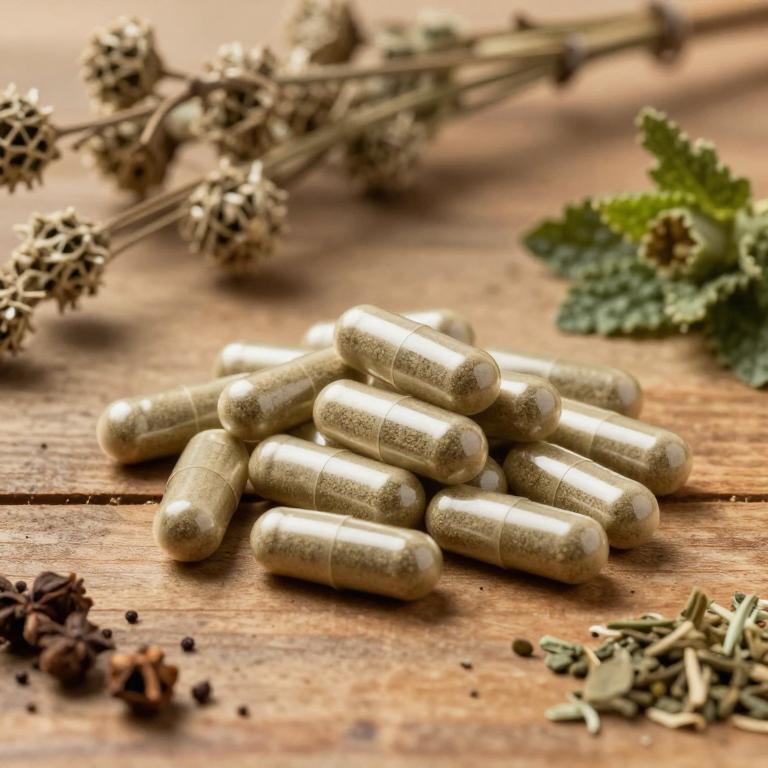
Mentha piperita, commonly known as peppermint, is often used in herbal remedies to support speech clarity and reduce difficulty in articulation.
The active compounds in peppermint, such as menthol and rosmarinic acid, may help soothe the throat and improve respiratory function, which can indirectly support speech production. Herbal capsules containing peppermint are typically taken orally and are believed to enhance vocal cord function and reduce inflammation. While scientific evidence is limited, many users report improved speech fluency after regular use of peppermint herbal capsules.
It is important to consult with a healthcare provider before using these supplements, especially for individuals with existing medical conditions or those taking other medications.