10 Best Herbal Baths For Speech Difficulty
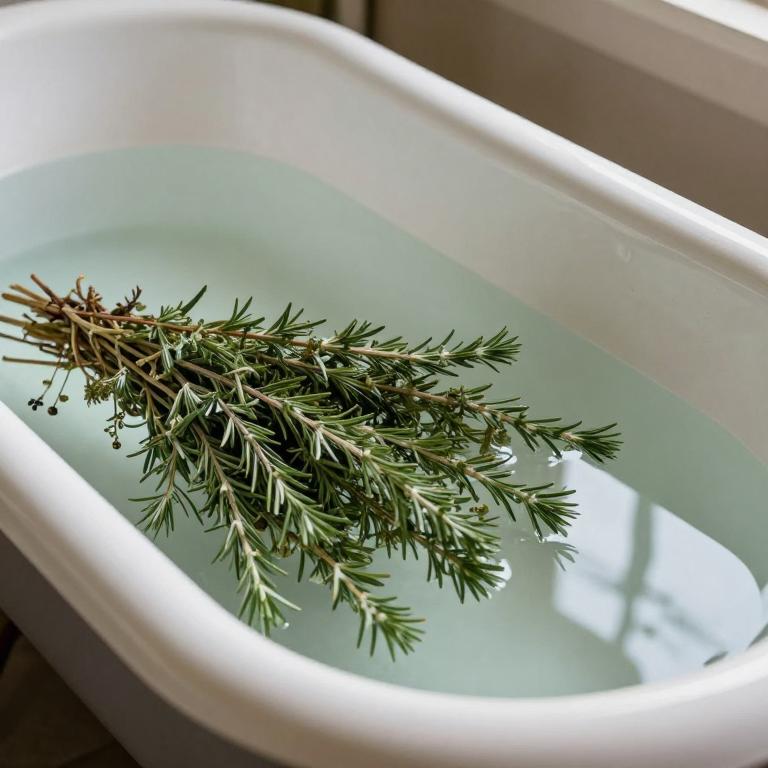
Herbal baths have been traditionally used to support overall well-being, including speech and communication difficulties.
Certain herbs, such as eucalyptus, lavender, and chamomile, are believed to have calming and soothing properties that may help ease tension in the vocal cords and promote relaxation. These baths can be particularly beneficial for individuals experiencing stress-related speech issues or those with conditions like stuttering or vocal strain. By improving circulation and reducing inflammation, herbal baths may contribute to better vocal function and clarity.
Incorporating these natural remedies into a holistic care routine can offer a gentle and supportive approach to managing speech-related challenges.
Table of Contents
- 1. Rosemary (Rosmarinus officinalis)
- 2. Salvia (Salvia officinalis)
- 3. Stinging nettle (Urtica dioica)
- 4. Peppermint (Mentha piperita)
- 5. Yarrow (Achillea millefolium)
- 6. Ginger (Zingiber officinale)
- 7. Echinacea (Echinacea purpurea)
- 8. Licorice (Glycyrrhiza glabra)
- 9. Valerian (Valeriana officinalis)
- 10. Black pepper (Piper nigrum)
1. Rosemary (Rosmarinus officinalis)
Rosmarinus officinalis, commonly known as rosemary, has been traditionally used in herbal baths to support overall well-being, including potential benefits for speech difficulty.
The essential oils derived from rosemary are believed to have stimulating properties that may enhance mental clarity and cognitive function, which are essential for speech development and communication. When used in a bath, the aromatic compounds of rosemary can be absorbed through the skin, promoting relaxation and reducing stress, which may indirectly support speech fluency. Some holistic practitioners suggest that regular use of rosemary baths can improve circulation to the brain and nervous system, potentially aiding in speech-related challenges.
However, it is important to consult with a healthcare professional before using rosemary baths, especially for individuals with specific medical conditions or sensitivities.
2. Salvia (Salvia officinalis)
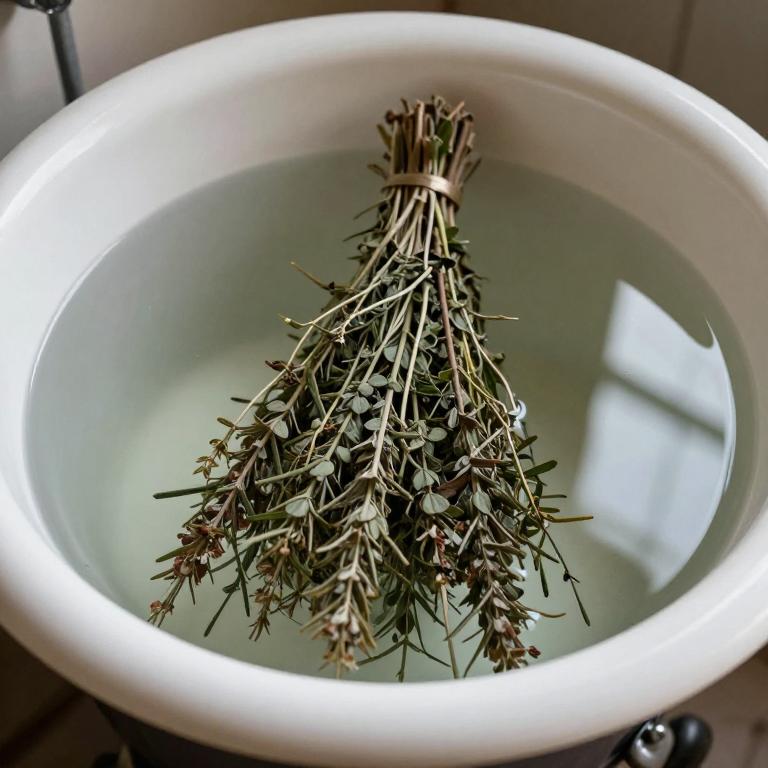
Salvia officinalis, commonly known as sage, has been traditionally used in herbal baths to support speech clarity and ease of communication.
The essential oils and phytochemicals in sage leaves are believed to have calming and soothing properties that may help reduce nervous tension, which can sometimes contribute to speech difficulties. When infused into bath water, sage is thought to promote relaxation and improve respiratory function, both of which are essential for clear speech. Some alternative medicine practitioners recommend sage baths as a complementary therapy for individuals experiencing speech disorders or stuttering.
While more scientific research is needed, many users report a sense of calm and improved vocal control after using sage-infused baths.
3. Stinging nettle (Urtica dioica)
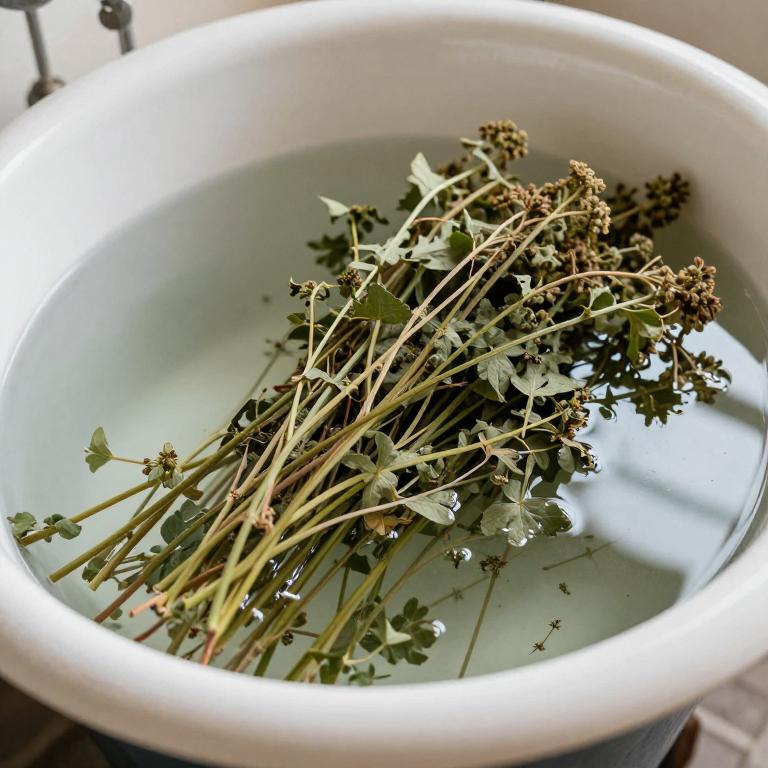
Urtica dioica, commonly known as stinging nettle, has been traditionally used in herbal baths to support overall health, including speech clarity.
The plant contains compounds that may help reduce inflammation and improve circulation, which could potentially support vocal cord function and speech articulation. When prepared as a bath, stinging nettle can be infused into water to create a soothing and therapeutic soak. Some individuals with speech difficulties have reported improved vocal strength and reduced throat irritation after regular use of nettle baths.
While more research is needed, these baths may be a complementary approach to supporting speech health when used alongside conventional therapies.
4. Peppermint (Mentha piperita)
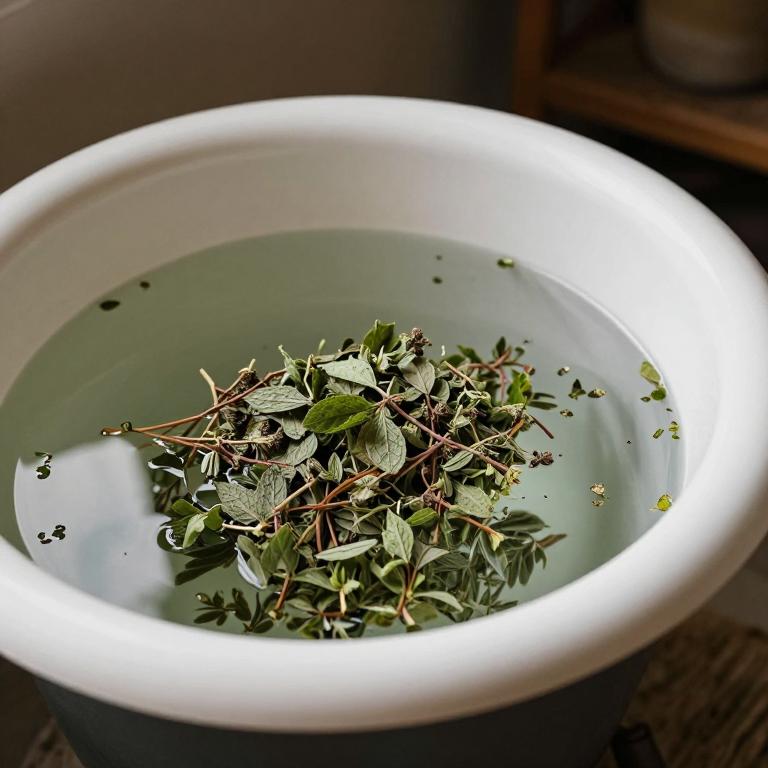
Mentha piperita, commonly known as peppermint, has been traditionally used in herbal baths to support speech clarity and ease of articulation.
The cooling and stimulating properties of peppermint oil can help soothe the throat and reduce inflammation, which may contribute to improved vocal function. When incorporated into a warm bath, the aromatic compounds of peppermint can promote relaxation and enhance respiratory function, indirectly supporting speech abilities. Some holistic practitioners suggest that regular use of peppermint baths may help alleviate symptoms associated with speech difficulties, such as hoarseness or vocal fatigue.
However, it is important to consult with a healthcare professional before using peppermint baths, especially for individuals with certain medical conditions or allergies.
5. Yarrow (Achillea millefolium)
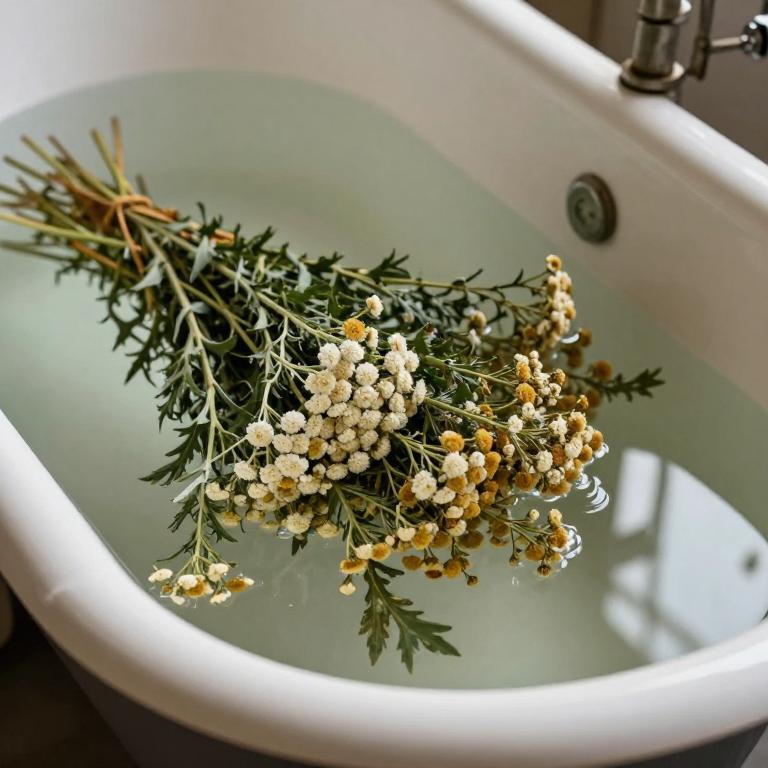
Achillea millefolium, commonly known as yarrow, has been traditionally used in herbal medicine for its anti-inflammatory and soothing properties.
While it is often used in topical applications or teas, some practitioners suggest that yarrow-infused baths may help alleviate symptoms associated with speech difficulty by promoting relaxation and reducing inflammation in the throat and vocal cords. The calming effects of yarrow may help ease tension in the muscles involved in speech, potentially improving articulation and vocal clarity. However, there is limited scientific evidence supporting the use of yarrow baths specifically for speech-related issues, and it is advisable to consult a healthcare professional before trying such remedies.
Despite the lack of conclusive research, many individuals report feeling more at ease and experiencing improved vocal function after using yarrow baths as part of a holistic approach to speech therapy.
6. Ginger (Zingiber officinale)
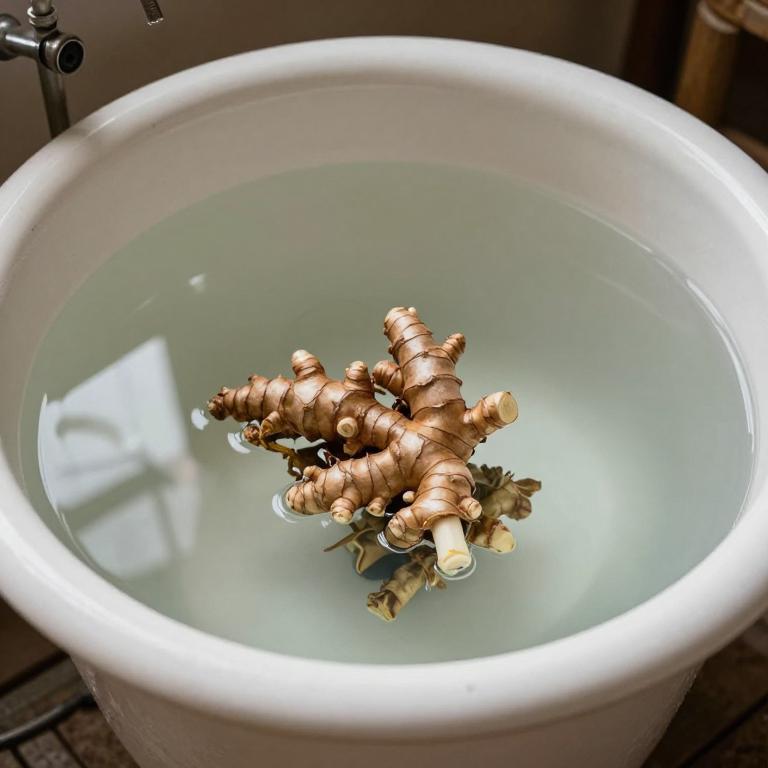
Zingiber officinale, commonly known as ginger, has been traditionally used in herbal baths to support overall wellness, including potential benefits for speech difficulties.
The warming properties of ginger may help improve circulation and reduce inflammation, which could indirectly support vocal health and clarity. Some holistic practitioners suggest that the aromatic compounds in ginger may stimulate the nervous system, potentially aiding in speech-related functions. While scientific evidence is limited, anecdotal reports suggest that regular use of ginger-infused baths may contribute to a sense of relaxation and ease in communication.
As with any alternative therapy, it is advisable to consult a healthcare professional before incorporating ginger baths into a treatment plan for speech difficulties.
7. Echinacea (Echinacea purpurea)

Echinacea purpurea, commonly known as purple coneflower, is traditionally used in herbal remedies for its potential immune-boosting properties.
While primarily recognized for its role in supporting immune health, some alternative practitioners suggest that echinacea may also be beneficial for speech difficulties when incorporated into herbal baths. These baths are believed to promote overall wellness and may help alleviate symptoms related to throat inflammation or vocal strain. The warm water combined with echinacea-infused herbs is thought to soothe the throat and improve vocal clarity.
However, it is important to consult with a healthcare professional before using echinacea baths, especially for individuals with existing health conditions or those taking medications.
8. Licorice (Glycyrrhiza glabra)
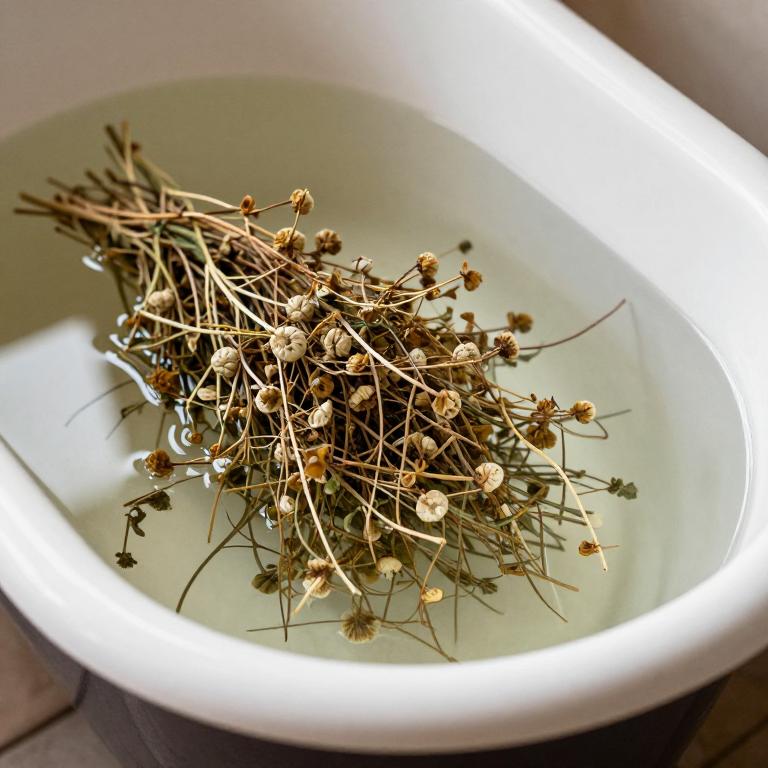
Glycyrrhiza glabra, commonly known as licorice root, has been traditionally used in herbal medicine for its potential benefits in supporting vocal health.
Herbal baths infused with licorice root are believed to promote relaxation and reduce inflammation, which may aid individuals experiencing speech difficulties. The anti-inflammatory and soothing properties of licorice root are thought to help alleviate throat irritation and improve vocal cord function. When used in a bath, the steam from the water can enhance the absorption of the herb's beneficial compounds, potentially providing relief for voice-related issues.
While more research is needed, some holistic practitioners recommend licorice root baths as a complementary approach to support speech clarity and vocal health.
9. Valerian (Valeriana officinalis)
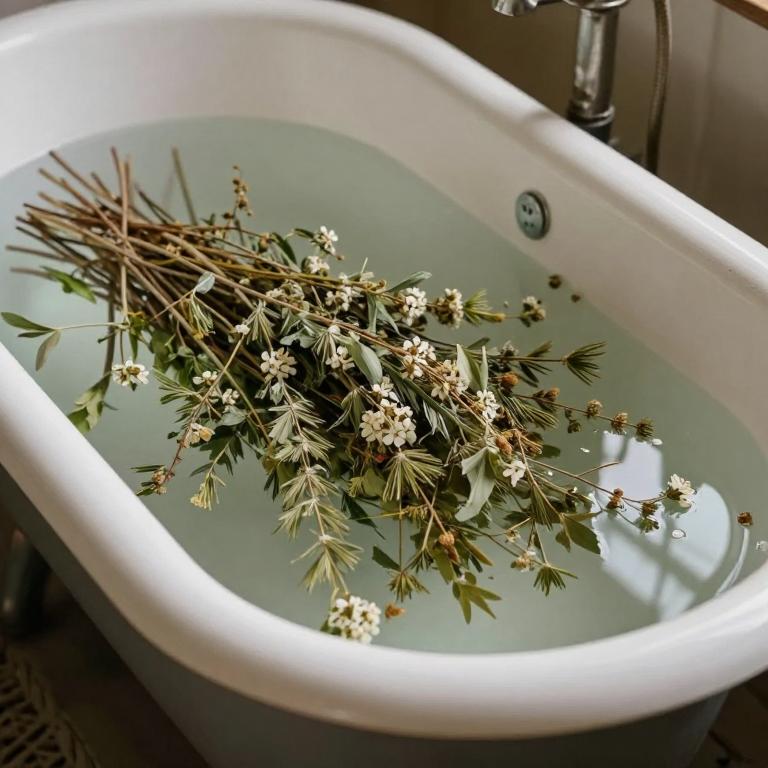
Valeriana officinalis, commonly known as valerian, is a traditional herbal remedy often used in baths to promote relaxation and ease speech difficulties.
The roots of valerian contain compounds that may help reduce anxiety and muscle tension, which can contribute to speech impediments. When infused into bath water, valerian's calming properties can soothe the nervous system, potentially improving vocal clarity and articulation. Some individuals with speech disorders find that the warmth and herbal effects of valerian baths support better breathing and vocal control.
While not a cure, valerian baths may offer complementary relief for those seeking natural approaches to speech challenges.
10. Black pepper (Piper nigrum)
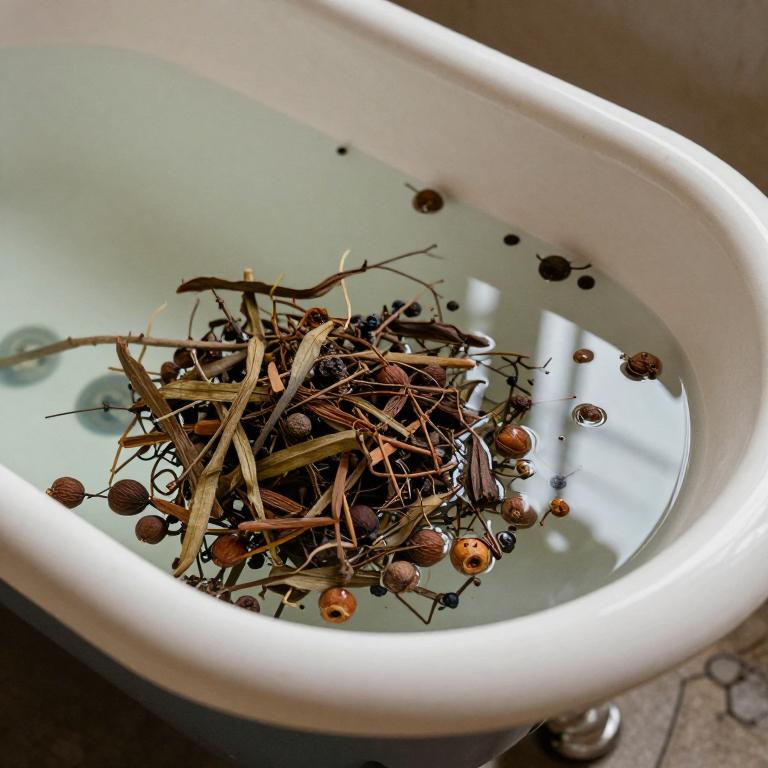
Piper nigrum, commonly known as black pepper, has been traditionally used in herbal remedies for its potential therapeutic properties.
While there is limited scientific evidence directly linking black pepper baths to speech difficulty, some alternative medicine practitioners suggest that its warming properties may help improve circulation and stimulate the nervous system. Herbal baths with black pepper are believed to promote relaxation and reduce stress, which could indirectly support speech clarity in individuals experiencing anxiety-related speech issues. However, it is important to note that these baths should not replace professional medical advice or treatment for speech disorders.
Further research is needed to validate the efficacy of piper nigrum in addressing speech-related challenges.