10 Best Herbal Teas For Sore Throat

Herbal teas can be a natural and soothing remedy for a sore throat, offering gentle relief without the side effects of over-the-counter medications.
Common herbs used in these teas include echinacea, ginger, licorice root, and chamomile, each known for their anti-inflammatory and antimicrobial properties. To prepare the tea, simply steep the dried herbs in hot water for several minutes, then strain and drink slowly for maximum comfort. These teas can be consumed multiple times a day, especially when symptoms are most bothersome.
Additionally, adding a teaspoon of honey or a slice of lemon can enhance both the flavor and therapeutic benefits of the herbal infusion.
Table of Contents
- 1. Echinacea (Echinacea purpurea)
- 2. Licorice (Glycyrrhiza glabra)
- 3. Salvia (Salvia officinalis)
- 4. Stinging nettle (Urtica dioica)
- 5. Thyme (Thymus vulgaris)
- 6. Camellia (Camellia sinensis)
- 7. Ginger (Zingiber officinale)
- 8. Black elderberry (Sambucus nigra)
- 9. Fennel (Foeniculum vulgare)
- 10. Peppermint (Mentha piperita)
1. Echinacea (Echinacea purpurea)
Echinacea purpurea, commonly known as purple coneflower, is a popular herbal remedy often used in teas to support immune health and alleviate symptoms of sore throat.
The plant contains compounds such as alkamides, caffeic acid derivatives, and polysaccharides, which are believed to have anti-inflammatory and antimicrobial properties. When brewed into a tea, echinacea may help reduce throat irritation and soothe inflammation by promoting the body's natural defenses. Many people find relief from sore throat discomfort by drinking echinacea tea several times a day, especially during cold and flu seasons.
However, it is important to consult with a healthcare provider before using echinacea, especially for those with allergies or chronic health conditions.
2. Licorice (Glycyrrhiza glabra)
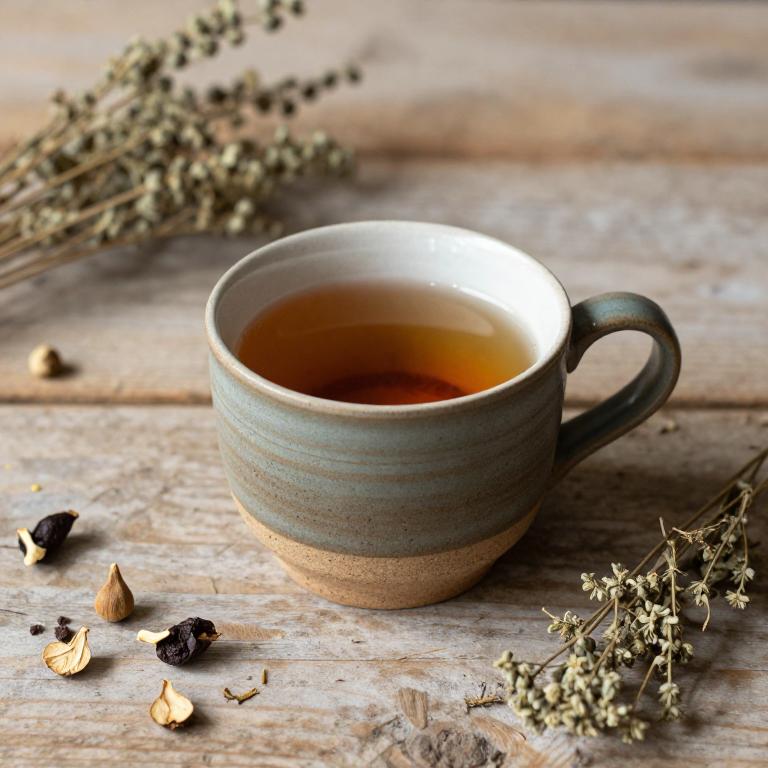
Glycyrrhiza glabra, commonly known as licorice root, is a popular herbal remedy used in teas to soothe sore throats due to its anti-inflammatory and antimicrobial properties.
The herb contains compounds like glycyrrhizin, which can help reduce swelling and irritation in the throat lining. Licorice root tea is often prepared by steeping the dried root in hot water for several minutes, allowing the beneficial compounds to infuse into the liquid. It is frequently combined with other herbs such as echinacea or ginger to enhance its therapeutic effects.
While generally safe in moderation, excessive consumption of licorice root tea may lead to side effects like hypertension, so it is advisable to consult a healthcare provider before regular use.
3. Salvia (Salvia officinalis)
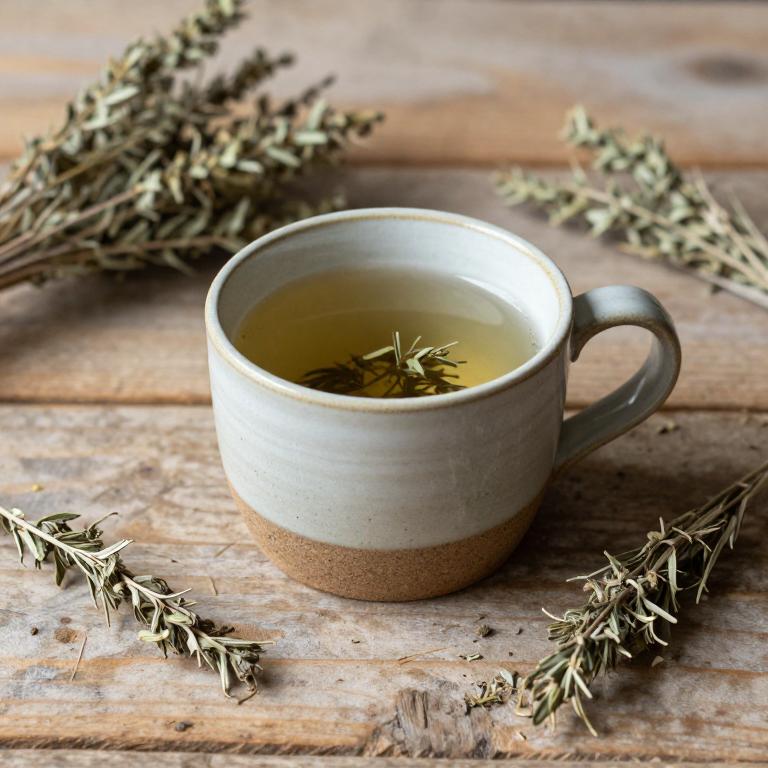
Salvia officinalis, commonly known as sage, is a popular herb used in herbal teas to soothe sore throats due to its antimicrobial and anti-inflammatory properties.
The tea is often prepared by steeping dried sage leaves in hot water, allowing the active compounds such as thujone and flavonoids to be released for maximum effect. Sage tea can help reduce inflammation in the throat, ease pain, and decrease excess mucus production, making it a natural remedy for soreness and irritation. It is also believed to have a calming effect on the respiratory system, supporting overall throat health.
However, it is important to consult a healthcare professional before using sage tea, especially for prolonged periods or in combination with other medications.
4. Stinging nettle (Urtica dioica)
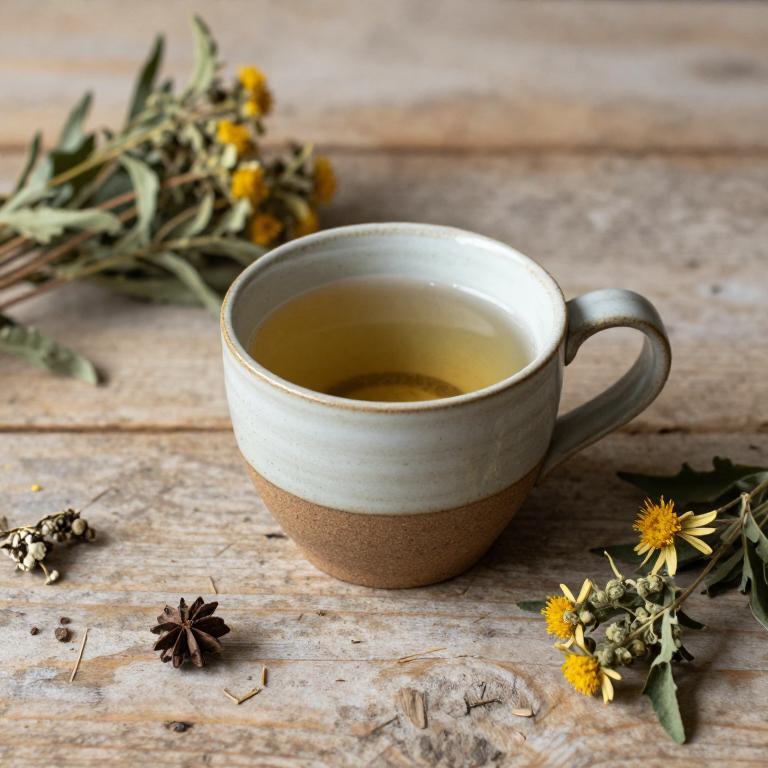
Urtica dioica, commonly known as stinging nettle, has been traditionally used in herbal teas to alleviate symptoms of a sore throat due to its anti-inflammatory and soothing properties.
The leaves of the plant contain compounds such as flavonoids and polysaccharides that may help reduce inflammation and irritation in the throat. To prepare the tea, fresh or dried stinging nettle leaves are steeped in hot water, often combined with other herbs like licorice root or ginger for enhanced relief. Drinking this herbal tea can provide natural relief by coating the throat and reducing discomfort.
However, it is important to consult with a healthcare professional before using stinging nettle, especially for individuals with allergies or existing medical conditions.
5. Thyme (Thymus vulgaris)
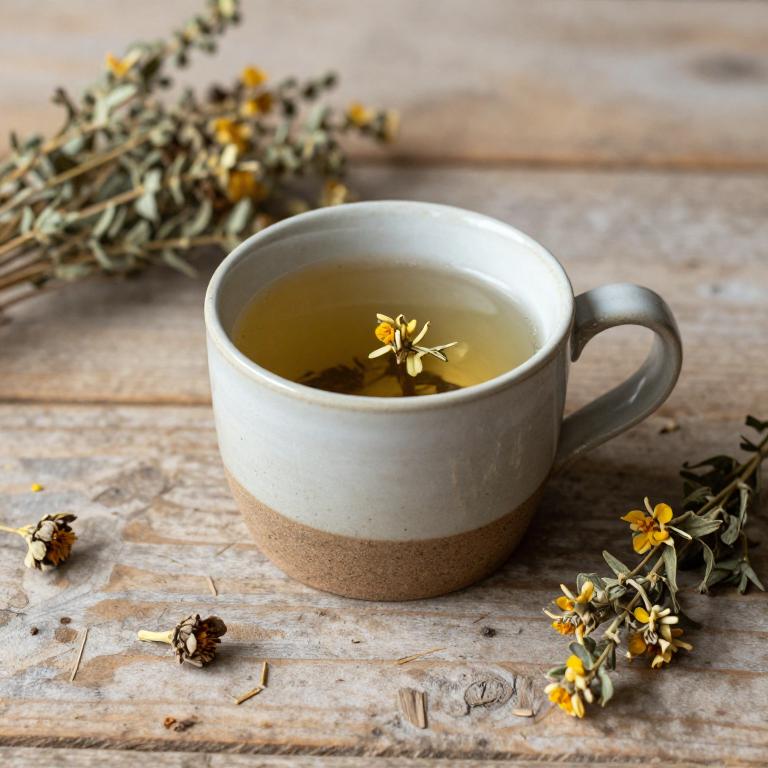
Thymus vulgaris, commonly known as thyme, is a popular herb used in herbal teas to soothe sore throats due to its antimicrobial and anti-inflammatory properties.
The essential oils in thyme, particularly thymol, help reduce inflammation and kill bacteria that may contribute to throat infections. To prepare a soothing thyme tea, steep fresh or dried thyme leaves in hot water for several minutes, allowing the beneficial compounds to infuse into the liquid. Drinking this herbal tea can provide natural relief from coughing and irritation, making it a gentle alternative to over-the-counter medications.
Regular consumption of thyme tea may also support overall immune function, aiding in the body's fight against minor respiratory ailments.
6. Camellia (Camellia sinensis)
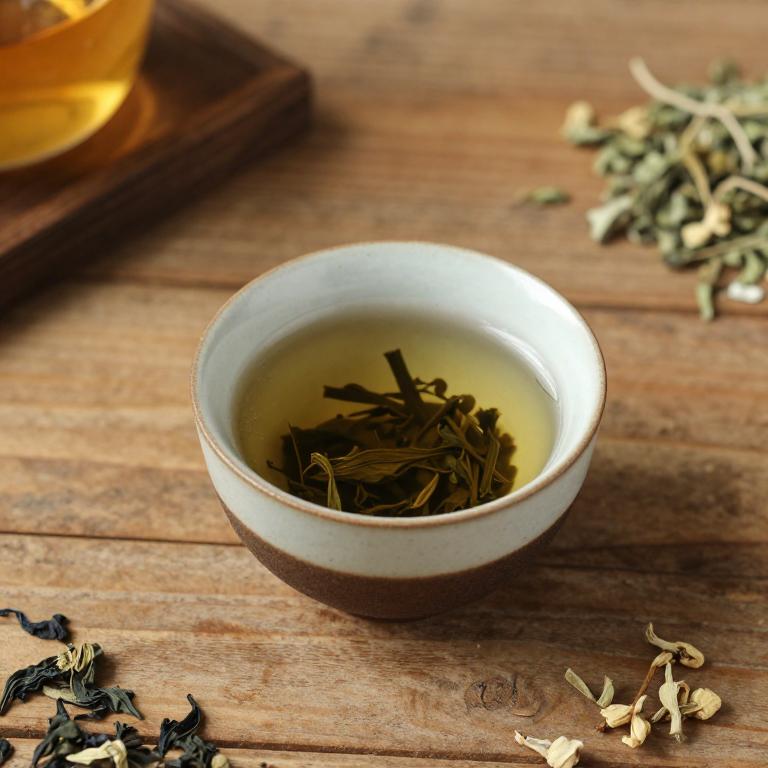
Camellia sinensis, the plant from which green, black, and white teas are derived, contains bioactive compounds such as polyphenols and caffeine that may help alleviate sore throat symptoms.
These compounds have anti-inflammatory and antimicrobial properties that can reduce throat irritation and inhibit the growth of bacteria that often cause throat infections. Herbal teas made from Camellia sinensis, such as green tea, are often consumed warm to soothe the throat and provide a calming effect. The antioxidants in these teas may also support immune function, helping the body combat viral or bacterial infections more effectively.
While Camellia sinensis teas are not a substitute for medical treatment, they can be a natural complement to relief strategies for mild sore throats.
7. Ginger (Zingiber officinale)
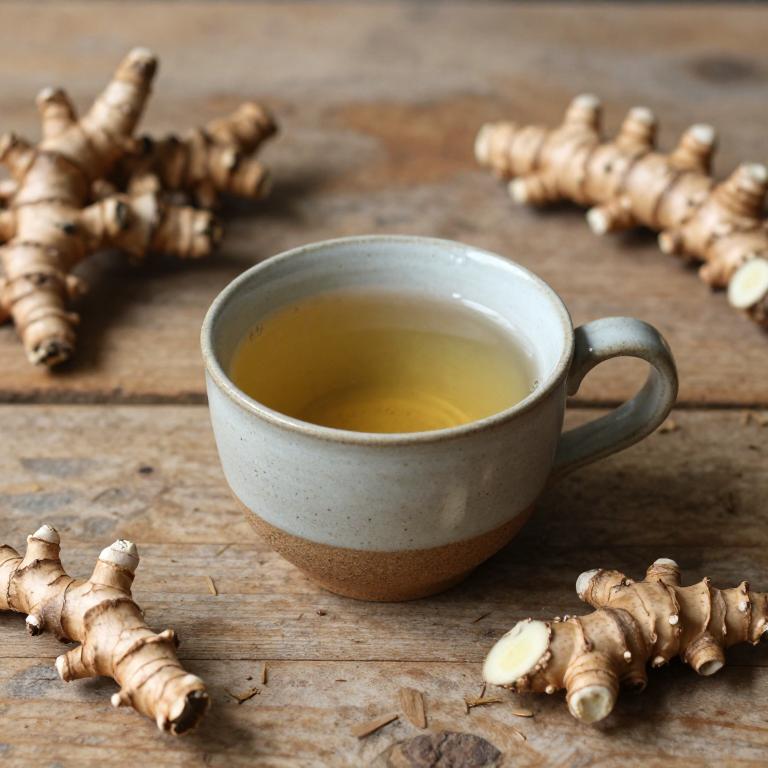
Zingiber officinale, commonly known as ginger, is a popular herb used in herbal teas to alleviate sore throat symptoms.
The warming and anti-inflammatory properties of ginger help reduce throat irritation and inflammation, providing natural relief. Ginger tea can be prepared by steeping fresh or dried ginger root in hot water, often enhanced with honey or lemon for added soothing effects. Regular consumption of ginger tea may support the body’s immune response and reduce the duration of a sore throat.
Its gentle yet effective nature makes it a favored remedy for those seeking natural relief from throat discomfort.
8. Black elderberry (Sambucus nigra)

Sambucus nigra, also known as elderberry, is commonly used in herbal teas to soothe sore throats due to its high antioxidant and anti-inflammatory properties.
The berries contain compounds like flavonoids and vitamin C, which may help reduce throat irritation and boost the immune system. When brewed into a tea, elderberry can provide a calming effect, easing discomfort and promoting faster healing. Some studies suggest that elderberry may inhibit viral replication, potentially reducing the severity and duration of throat infections.
However, it is important to use properly prepared elderberry products to avoid potential toxicity from unripe berries or seeds.
9. Fennel (Foeniculum vulgare)

Foeniculum vulgare, commonly known as fennel, is often used in herbal teas to alleviate symptoms of a sore throat due to its anti-inflammatory and antimicrobial properties.
The essential oils in fennel, particularly anethol, help reduce swelling and soothe irritation in the throat, making it a popular natural remedy. To prepare the tea, dried fennel seeds are typically steeped in hot water for several minutes, allowing the beneficial compounds to infuse into the liquid. Drinking fennel tea regularly can provide relief from mild sore throats and may help prevent further irritation.
However, it is advisable to consult a healthcare professional before using fennel tea, especially for prolonged or severe throat conditions.
10. Peppermint (Mentha piperita)
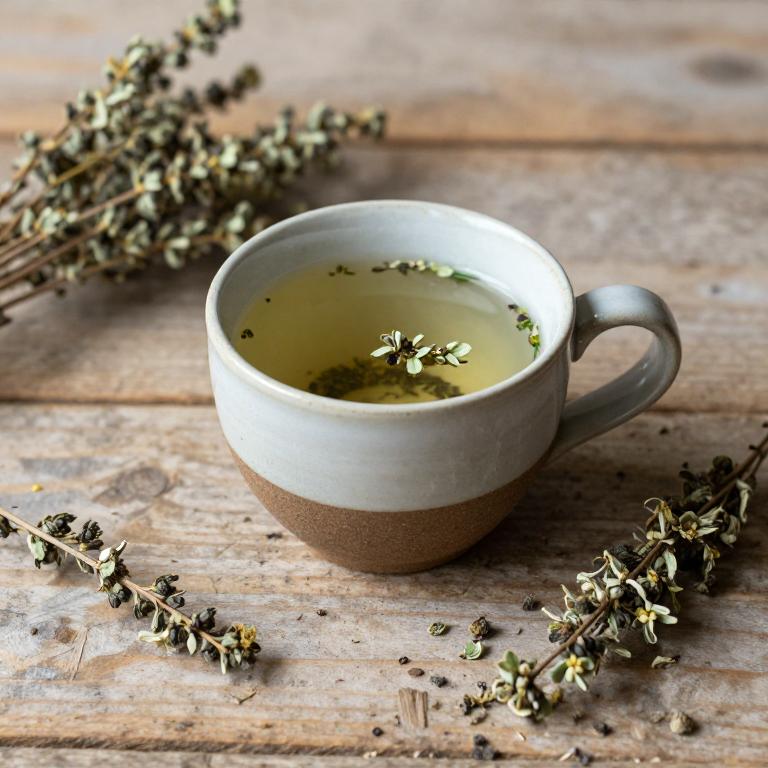
Mentha piperita, commonly known as peppermint, is a popular herb used in herbal teas to soothe sore throats due to its cooling and anti-inflammatory properties.
The essential oils in peppermint, particularly menthol, help reduce inflammation and ease irritation in the throat, providing relief from discomfort. Peppermint tea can also help alleviate symptoms of coughs and congestion, making it a natural remedy for respiratory discomfort. Its refreshing taste makes it an appealing option for those seeking a gentle, plant-based solution for throat pain.
Regular consumption of peppermint herbal tea may support overall respiratory health and reduce the frequency of sore throat occurrences.