10 Best Herbal Creams For Sore Eyes
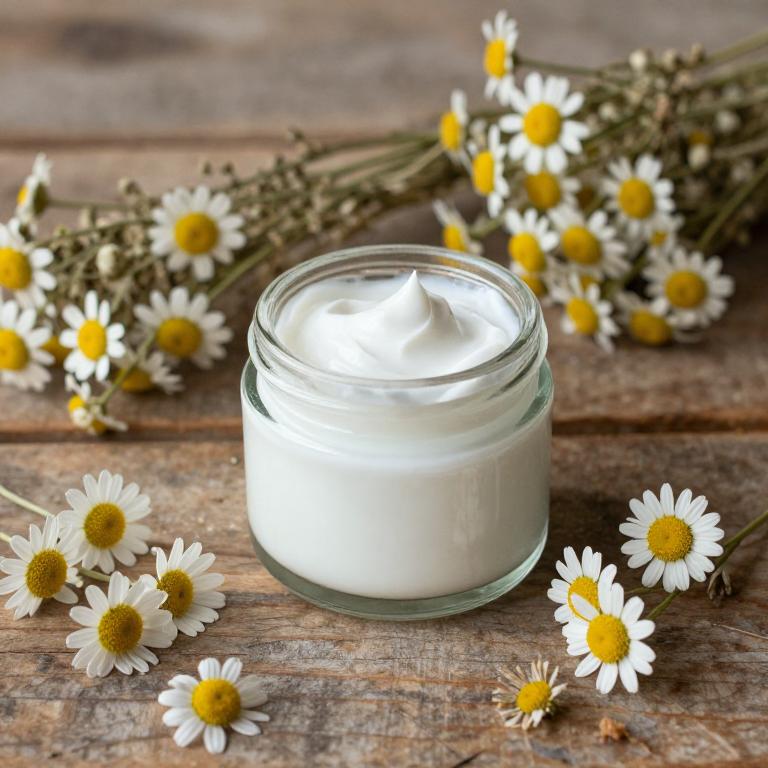
Herbal creams for sore eyes are natural remedies that often contain ingredients like chamomile, calendula, and green tea, which are known for their anti-inflammatory and soothing properties.
These creams can help alleviate redness, irritation, and discomfort associated with minor eye strain or allergies. Unlike traditional eye drops, herbal creams provide a gentle, non-invasive option for those seeking alternative treatments. However, it is important to consult with a healthcare professional before using any herbal product on the eyes to ensure safety and effectiveness.
While some people find relief from these creams, they may not be suitable for more severe or persistent eye conditions.
Table of Contents
- 1. Chamomile (Matricaria chamomilla)
- 2. St. john's wort (Hypericum perforatum)
- 3. Stinging nettle (Urtica dioica)
- 4. Yarrow (Achillea millefolium)
- 5. Chaste tree (Vitex agnus-castus)
- 6. Dog rose (Rosa canina)
- 7. English lavender (Lavandula angustifolia)
- 8. Euphrasia (Euphrasia officinalis)
- 9. Blessed thistle (Cnicus benedictus)
- 10. Mountain arnica (Arnica montana)
1. Chamomile (Matricaria chamomilla)
Matricaria chamomilla, commonly known as chamomile, is often used in herbal creams for its soothing and anti-inflammatory properties.
These creams are formulated to provide relief from sore eyes by reducing redness, irritation, and discomfort. Chamomile contains compounds like bisabolol and flavonoids that have been shown to have calming effects on the delicate eye tissues. When applied externally around the eyes, these creams can help ease symptoms of minor eye strain or allergies.
However, it is important to consult a healthcare professional before using any herbal remedy, especially if you have existing eye conditions or are using other medications.
2. St. john's wort (Hypericum perforatum)
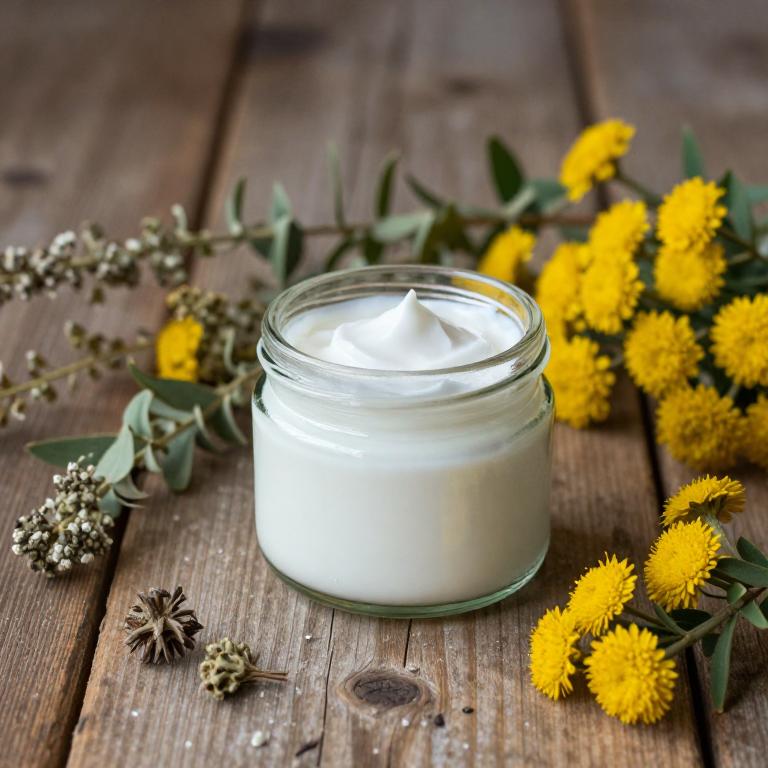
Hypericum perforatum, commonly known as St. John's Wort, is traditionally used in herbal medicine for its potential anti-inflammatory and soothing properties.
While it is more widely recognized for its use in treating mild depression, some formulations of St. John's Wort are incorporated into creams for their purported benefits in relieving sore eyes. These herbal creams may help reduce redness and irritation by promoting healing and reducing inflammation in the delicate eye area. However, it is important to note that the effectiveness of St. John's Wort for eye conditions has not been extensively studied in clinical trials.
As with any herbal remedy, it is advisable to consult a healthcare professional before using St. John's Wort creams, especially since they may interact with other medications or cause allergic reactions.
3. Stinging nettle (Urtica dioica)
Urtica dioica, commonly known as stinging nettle, has been traditionally used in herbal medicine for its anti-inflammatory and soothing properties.
Some herbal creams containing Urtica dioica are marketed for their potential to alleviate symptoms of sore eyes, such as redness and irritation. These creams are believed to work by reducing inflammation and promoting healing in the delicate eye area. However, it is important to note that the efficacy of such products for eye conditions has not been extensively validated by scientific studies.
As with any topical treatment, it is advisable to consult a healthcare professional before using Urtica dioica-based creams on the eyes to ensure safety and appropriateness.
4. Yarrow (Achillea millefolium)
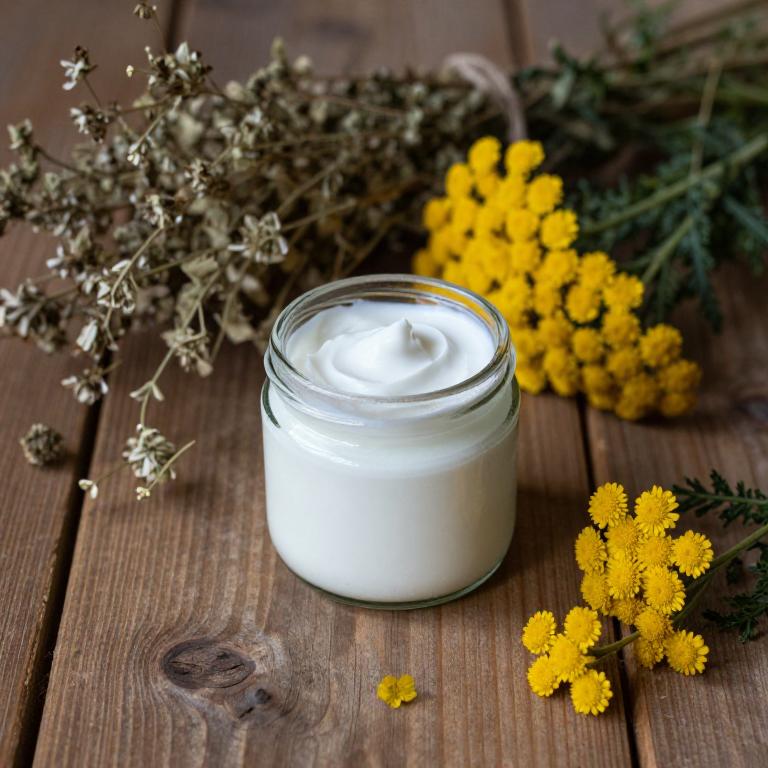
Achillea millefolium, commonly known as yarrow, has been traditionally used in herbal medicine for its anti-inflammatory and astringent properties.
While it is more commonly applied to the skin for conditions like eczema or insect bites, some formulations of yarrow may be used in eye creams to soothe irritation and reduce redness. However, it is important to note that direct application to the eyes should be done with caution and under the guidance of a healthcare professional. Herbal creams containing yarrow may help alleviate symptoms of sore eyes by promoting healing and reducing swelling.
Despite its potential benefits, it is crucial to ensure that the product is safe for ocular use and does not contain any harmful additives.
5. Chaste tree (Vitex agnus-castus)
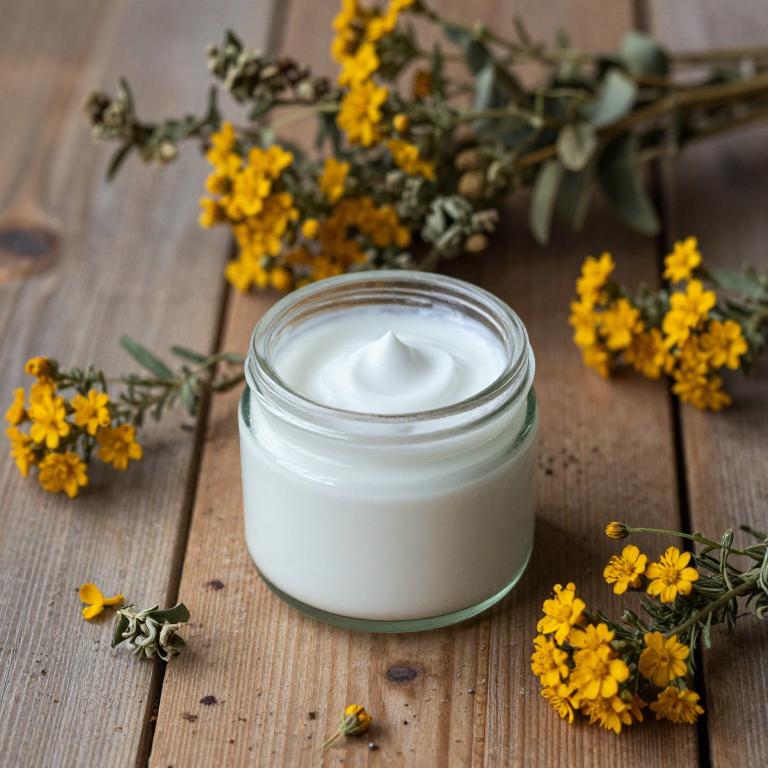
Vitex agnus-castus, also known as chasteberry, is a herbal ingredient often used in the formulation of creams designed to alleviate symptoms of sore eyes.
These creams are typically enriched with natural extracts that may help reduce inflammation and soothe irritation around the eyes. While not a substitute for medical treatment, they are marketed as complementary remedies to support eye comfort and healing. The anti-inflammatory and antioxidant properties of vitex agnus-castus are believed to contribute to their effectiveness in easing redness and discomfort.
As with any topical treatment, it is advisable to consult a healthcare professional before use, especially for individuals with pre-existing eye conditions or allergies.
6. Dog rose (Rosa canina)
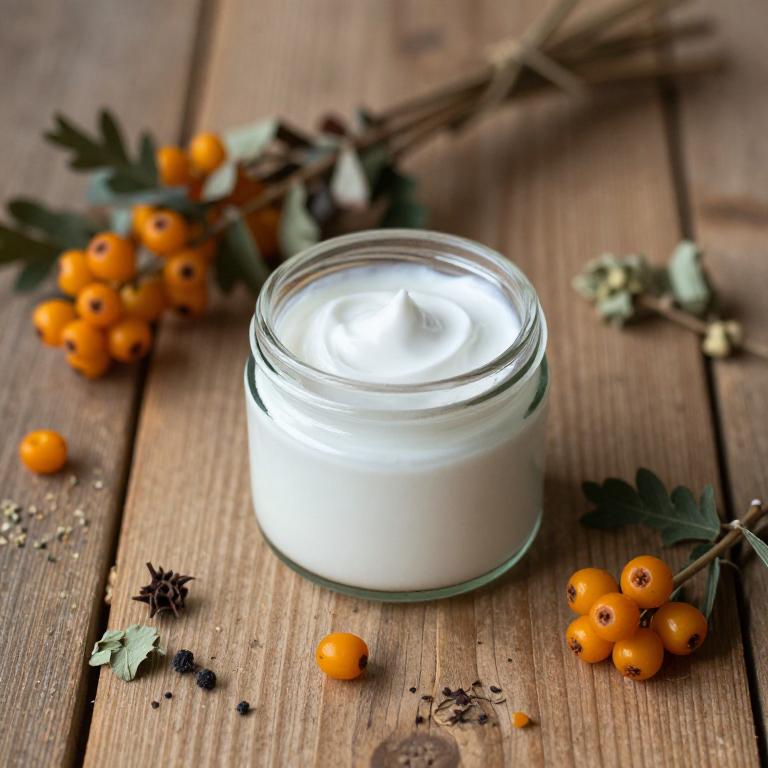
Rosa canina, also known as rosehip, is a natural ingredient commonly used in herbal creams for sore eyes due to its high content of essential fatty acids and antioxidants.
These creams are often formulated to soothe irritation, reduce redness, and promote healing of the delicate eye area. The anti-inflammatory properties of rosa canina help alleviate discomfort caused by dryness, allergies, or minor infections. Many users report improved comfort and a reduction in eye fatigue when using these creams regularly.
However, it is important to consult a healthcare professional before using any herbal remedy, especially for sensitive areas like the eyes.
7. English lavender (Lavandula angustifolia)
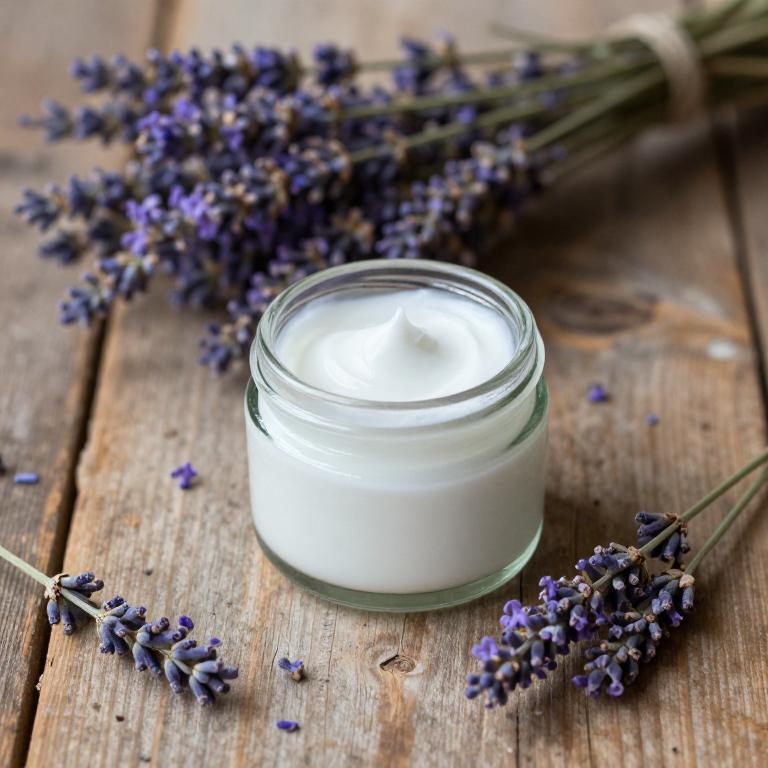
Lavandula angustifolia, commonly known as English lavender, is often used in herbal creams for its soothing and anti-inflammatory properties.
These creams are formulated with lavender essential oil and other natural ingredients to provide relief from sore, irritated eyes. The calming aroma of lavender may help reduce stress and promote relaxation, which can indirectly ease eye strain. However, it is important to note that these creams are not a substitute for medical treatment and should be used as a complementary therapy.
Always consult a healthcare professional before using any herbal remedy for eye conditions to ensure safety and effectiveness.
8. Euphrasia (Euphrasia officinalis)
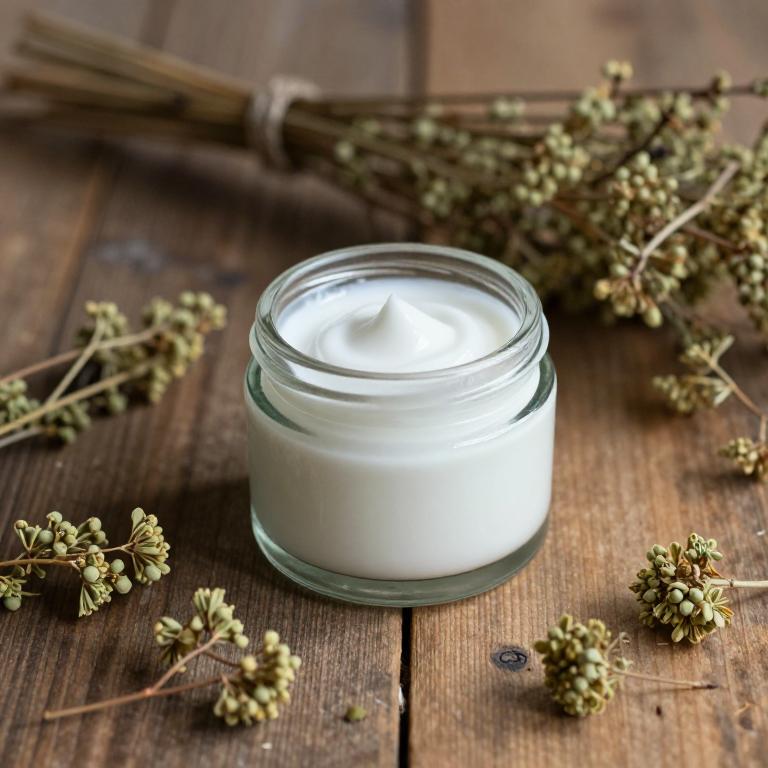
Euphrasia officinalis, commonly known as eyebright, is a traditional herb used in the formulation of herbal creams for sore eyes.
These creams are often made by combining the dried leaves and flowers of the plant with a base of beeswax or other natural oils, creating a soothing balm that can be applied around the eyes. Euphrasia officinalis is believed to have anti-inflammatory and astringent properties that may help reduce redness, irritation, and swelling associated with eye strain or minor eye infections. Many people use these herbal creams as a natural alternative to commercial eye drops, seeking relief from discomfort without synthetic ingredients.
While generally considered safe for topical use, it is advisable to consult a healthcare professional before using euphrasia-based products, especially if you have known allergies or existing eye conditions.
9. Blessed thistle (Cnicus benedictus)
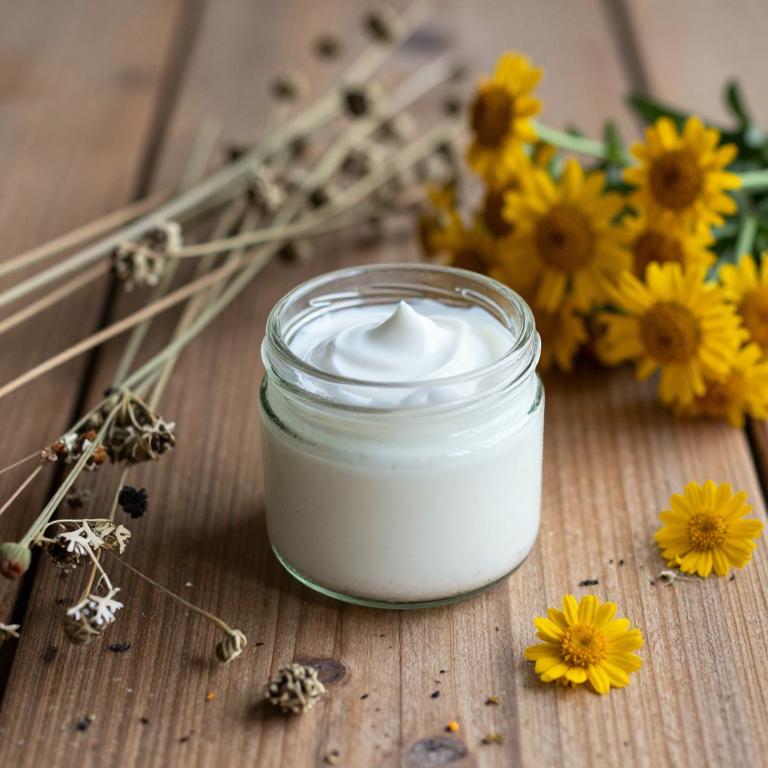
Cnicus benedictus, also known as blessed thorn, is a lesser-known herbal remedy that has been traditionally used for its potential soothing properties on the eyes.
When formulated into a herbal cream, it is believed to provide relief from soreness and irritation associated with conditions like conjunctivitis or eye strain. The cream may contain anti-inflammatory and antioxidant compounds that help reduce redness and discomfort. However, it is important to consult with a healthcare professional before using any herbal remedy, especially for sensitive areas like the eyes.
While anecdotal evidence supports its use, more scientific research is needed to fully understand its efficacy and safety.
10. Mountain arnica (Arnica montana)
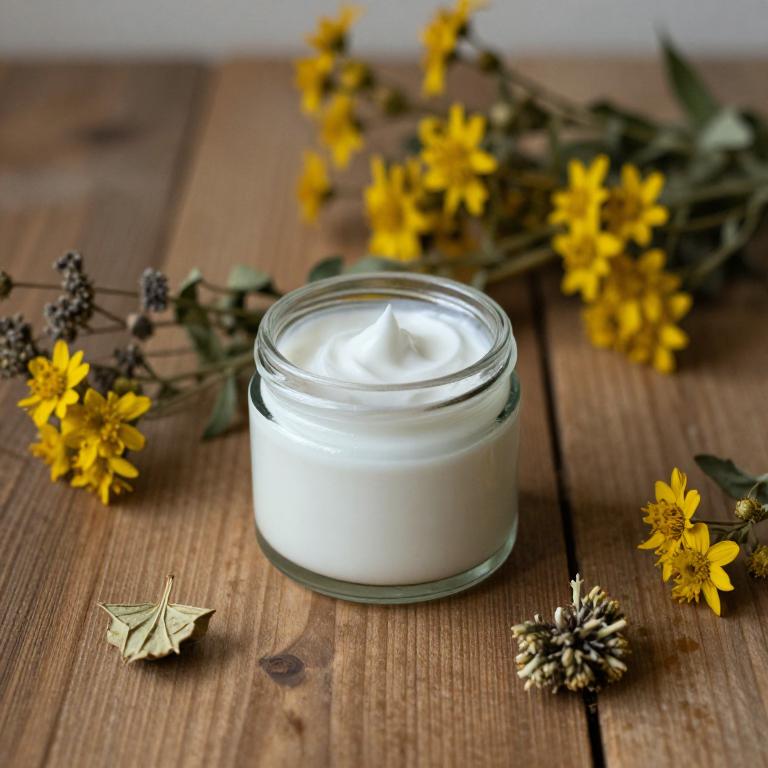
Arnica montana herbal creams are traditionally used to alleviate pain and inflammation, but they are not typically recommended for use on sore eyes due to the sensitivity of ocular tissue.
While arnica is known for its anti-inflammatory properties, applying it directly to the eye area can cause irritation, redness, or even chemical burns. Some natural remedies for sore eyes include cool compresses, artificial tears, and over-the-counter eye drops designed for irritation. It is important to consult a healthcare professional before using any topical treatment on the eyes to ensure safety and effectiveness.
For persistent eye soreness, seeking medical advice is crucial to rule out more serious underlying conditions.