10 Best Herbal Capsules For Sore Eyes
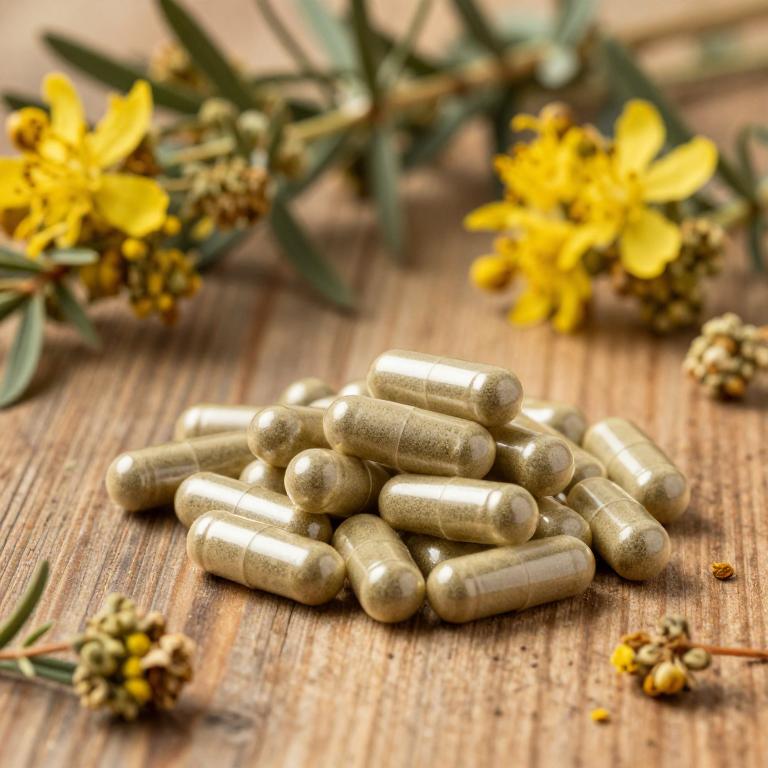
Herbal capsules for sore eyes are natural supplements designed to alleviate discomfort and promote eye health through the use of plant-based ingredients.
Commonly used herbs include bilberry, eyebright, and chamomile, which are known for their anti-inflammatory and antioxidant properties. These capsules are often preferred by individuals seeking alternative or complementary treatments to conventional eye medications. They may help reduce redness, irritation, and dryness associated with sore eyes.
However, it is important to consult with a healthcare professional before starting any herbal supplement to ensure safety and effectiveness.
Table of Contents
- 1. St. john's wort (Hypericum perforatum)
- 2. Stinging nettle (Urtica dioica)
- 3. Chaste tree (Vitex agnus-castus)
- 4. Blessed thistle (Cnicus benedictus)
- 5. Field horsetail (Equisetum arvense)
- 6. Thistle (Silybum marianum)
- 7. Yarrow (Achillea millefolium)
- 8. Ginkgo (Ginkgo biloba)
- 9. German chamomile (Chamomilla recutita)
- 10. Chamomile (Matricaria chamomilla)
1. St. john's wort (Hypericum perforatum)
Hypericum perforatum, commonly known as St. John's Wort, is traditionally used in herbal medicine for its potential anti-inflammatory and antioxidant properties.
When formulated into capsules, it may support eye health by reducing inflammation and oxidative stress associated with sore eyes. While some studies suggest it may help alleviate symptoms of eye irritation, more research is needed to confirm its efficacy for this specific use. It is important to consult a healthcare provider before using St. John's Wort, as it can interact with certain medications.
As with any supplement, it should be taken as directed and in conjunction with a balanced diet and proper eye care practices.
2. Stinging nettle (Urtica dioica)
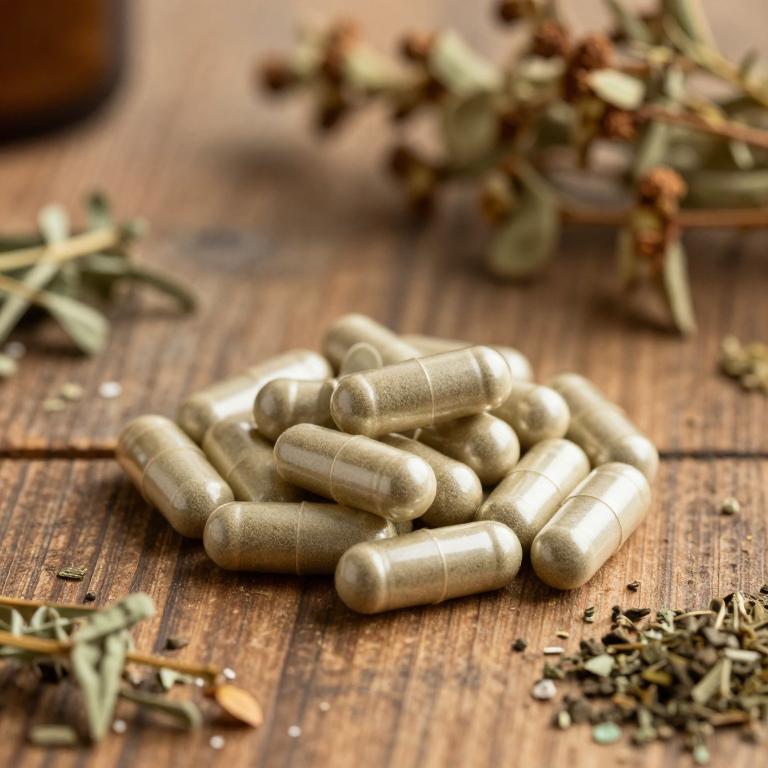
Urtica dioica, commonly known as stinging nettle, is a nutrient-rich herb that has been traditionally used for its potential health benefits, including supporting eye health.
Urtica dioica herbal capsules may help alleviate symptoms of sore eyes by reducing inflammation and promoting healing due to their high content of antioxidants and anti-inflammatory compounds. These capsules are often made from dried and powdered stinging nettle leaves, which are standardized for potency and safety. While they are not a substitute for medical treatment, they may serve as a complementary remedy for individuals experiencing mild eye discomfort.
As with any herbal supplement, it is advisable to consult with a healthcare professional before use, especially for those with existing health conditions or taking other medications.
3. Chaste tree (Vitex agnus-castus)
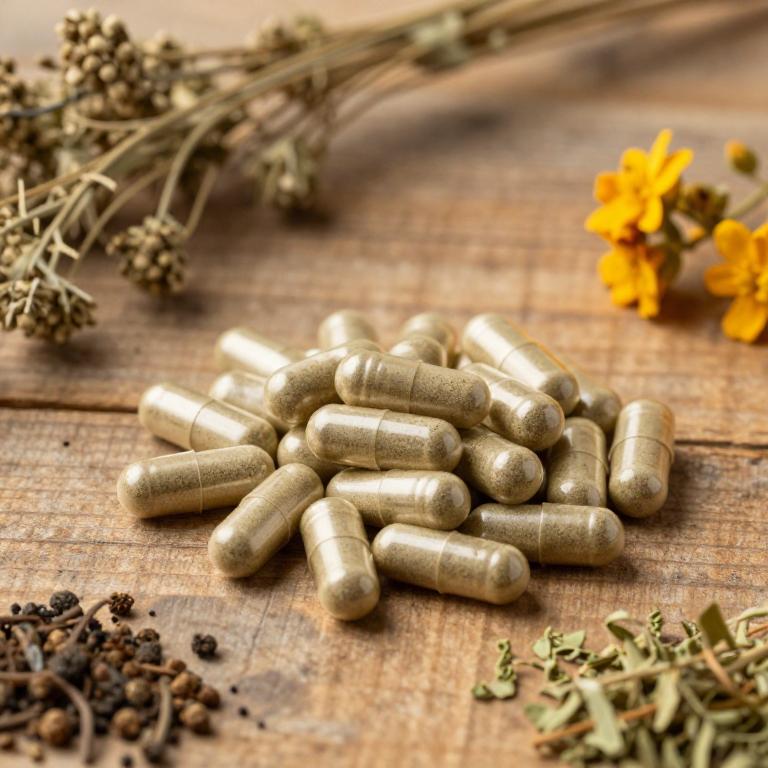
Vitex agnus-castus, commonly known as chasteberry, is a herbal remedy that has been traditionally used to support hormonal balance and alleviate symptoms associated with various health conditions.
While it is not a direct treatment for sore eyes, some studies suggest that it may have mild anti-inflammatory properties that could potentially help reduce eye irritation and redness. Vitex agnus-castus herbal capsules are often used as a complementary therapy to support overall eye health, especially in cases where hormonal fluctuations may contribute to eye discomfort. It is important to consult with a healthcare professional before using this herb, particularly if you have existing eye conditions or are taking other medications.
As with any herbal supplement, individual responses may vary, and it should be used as part of a holistic approach to eye care.
4. Blessed thistle (Cnicus benedictus)

CNICUS BENEDICTUS herbal capsules are formulated to support eye health and alleviate symptoms of sore eyes through their natural herbal ingredients.
This herbal remedy is traditionally used to reduce eye strain, redness, and irritation, making it a popular choice for those experiencing discomfort from prolonged screen use or environmental factors. The capsules contain a blend of botanicals known for their anti-inflammatory and soothing properties, which may help promote clearer vision and comfort. These herbal capsules are typically taken as a dietary supplement, offering a natural alternative to conventional eye care products.
However, it is advisable to consult with a healthcare professional before starting any new herbal regimen, especially for individuals with pre-existing medical conditions or those taking other medications.
5. Field horsetail (Equisetum arvense)
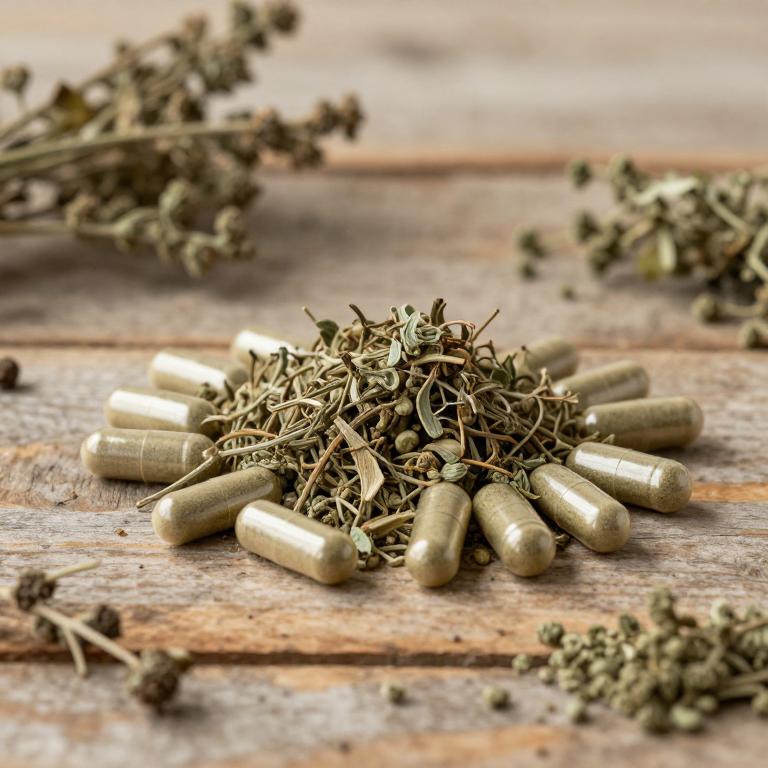
Equisetum arvense, commonly known as field horsetail, is a traditional herbal remedy that has been used for its potential health benefits, including support for eye health.
Herbal capsules containing Equisetum arvense are often marketed for their high concentration of silica, which is believed to strengthen the tissues of the eyes and promote overall ocular wellness. These capsules may help alleviate symptoms associated with sore eyes, such as redness, irritation, and dryness, by supporting the body's natural healing processes. However, it is important to consult with a healthcare professional before using these supplements, especially if you have pre-existing conditions or are taking other medications.
While some studies suggest potential benefits, more scientific research is needed to fully understand the efficacy and safety of Equisetum arvense for eye health.
6. Thistle (Silybum marianum)

Silybum marianum, also known as milk thistle, is a herbal remedy that has been traditionally used for its potential liver-protecting properties.
While primarily studied for its benefits to liver health, some research suggests that silybum marianum may also support eye health due to its antioxidant and anti-inflammatory compounds. These properties may help reduce inflammation and oxidative stress, which are often associated with conditions like conjunctivitis or dry eye syndrome. Herbal capsules containing silybum marianum are available as a natural supplement option for individuals seeking alternative treatments for sore eyes.
However, it is important to consult with a healthcare professional before using this herb, especially if you have pre-existing medical conditions or are taking other medications.
7. Yarrow (Achillea millefolium)
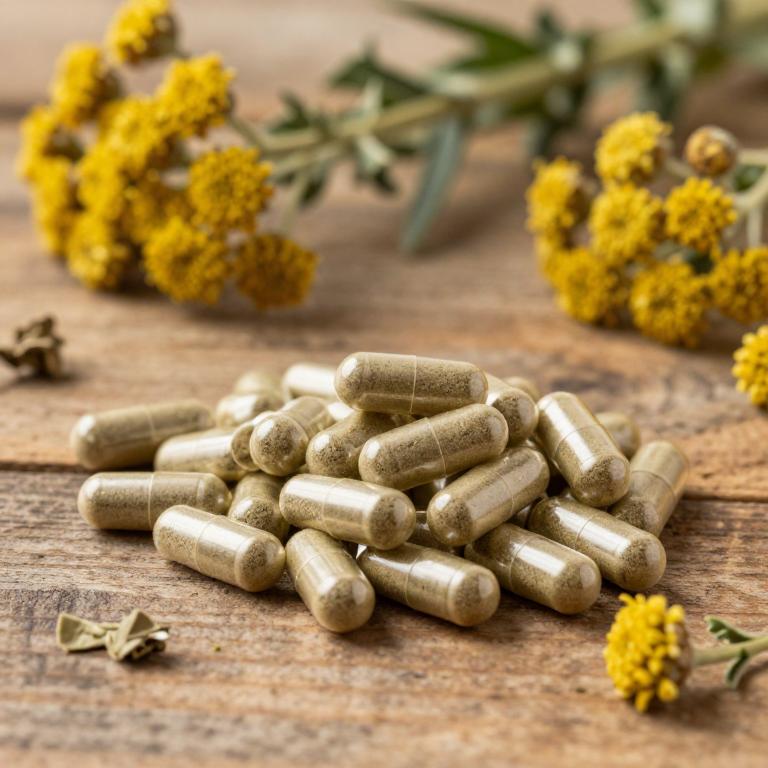
Achillea millefolium, commonly known as yarrow, is a traditional herbal remedy that has been used for centuries to support eye health.
When formulated into herbal capsules, it may help alleviate symptoms of sore eyes by reducing inflammation and promoting healing. The plant contains various bioactive compounds, including flavonoids and essential oils, which are believed to have soothing and anti-inflammatory properties. These capsules are often taken as a natural alternative to conventional eye treatments, offering a gentle and holistic approach to eye discomfort.
However, it is important to consult with a healthcare professional before using yarrow capsules, especially for prolonged or severe eye conditions.
8. Ginkgo (Ginkgo biloba)

Ginkgo biloba herbal capsules are often used to support eye health due to their rich content of antioxidants and flavonoids, which may help improve circulation and reduce oxidative stress.
These compounds are believed to enhance blood flow to the eyes, potentially alleviating symptoms associated with sore eyes, such as redness and irritation. While some studies suggest that ginkgo biloba may offer protective benefits for the eyes, more research is needed to confirm its effectiveness for specific eye conditions. It is important to consult with a healthcare provider before using ginkgo biloba, especially for individuals with existing medical conditions or those taking other medications.
As a dietary supplement, ginkgo biloba capsules should be taken as directed and in conjunction with a healthy lifestyle for optimal results.
9. German chamomile (Chamomilla recutita)
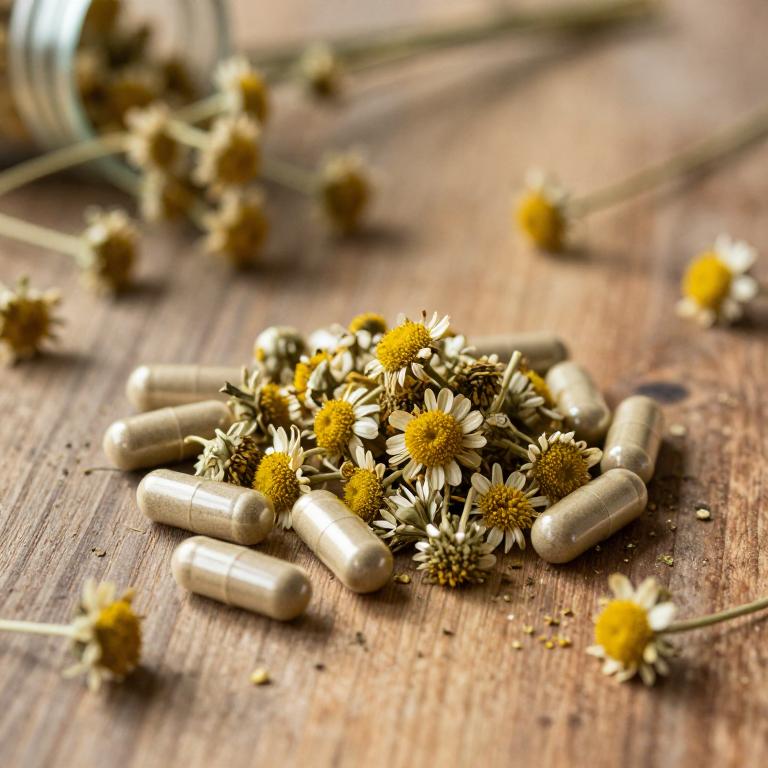
Chamomilla recutita, commonly known as German chamomile, is often used in herbal remedies for its calming and anti-inflammatory properties.
Herbal capsules containing Chamomilla recutita are believed to support eye health by reducing irritation and redness associated with sore eyes. These capsules are typically made from dried flower extracts, which are rich in flavonoids and essential oils that may soothe inflamed tissues. While they are not a substitute for medical treatment, they can be a complementary option for mild eye discomfort.
As with any herbal supplement, it is advisable to consult a healthcare professional before use, especially if you have underlying health conditions or are taking other medications.
10. Chamomile (Matricaria chamomilla)
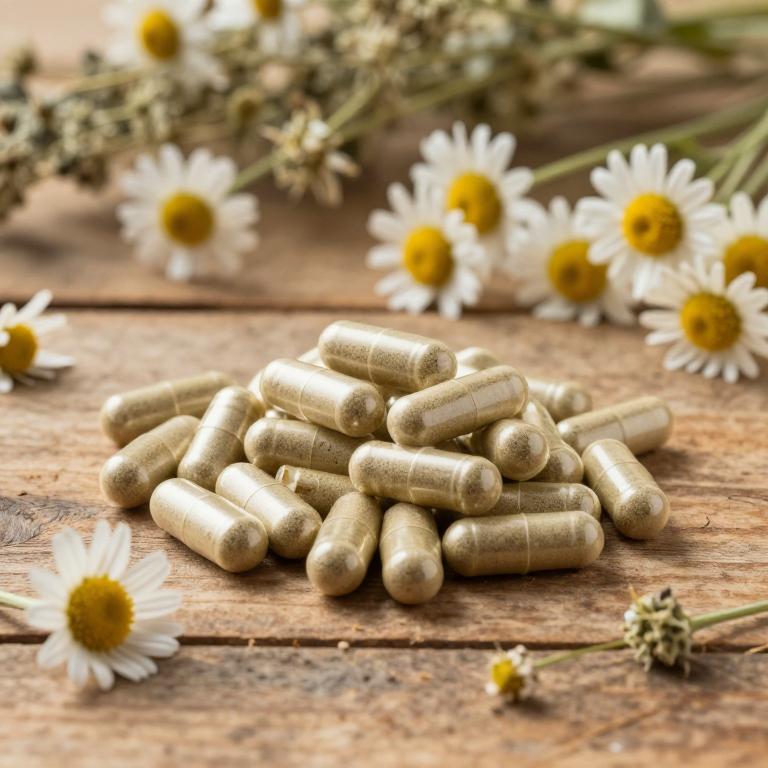
Matricaria chamomilla, commonly known as chamomile, is often used in herbal capsules to support eye health and alleviate soreness.
These capsules contain the dried flowers of the plant, which are rich in anti-inflammatory and antioxidant properties. Chamomile is believed to help reduce redness, irritation, and discomfort associated with sore eyes. Its calming effects may also contribute to overall eye relaxation and comfort.
While not a substitute for medical treatment, chamomile herbal capsules can be a natural complement to a holistic approach for soothing eye strain and mild irritation.