10 Best Herbal Juices For Sinus Headache
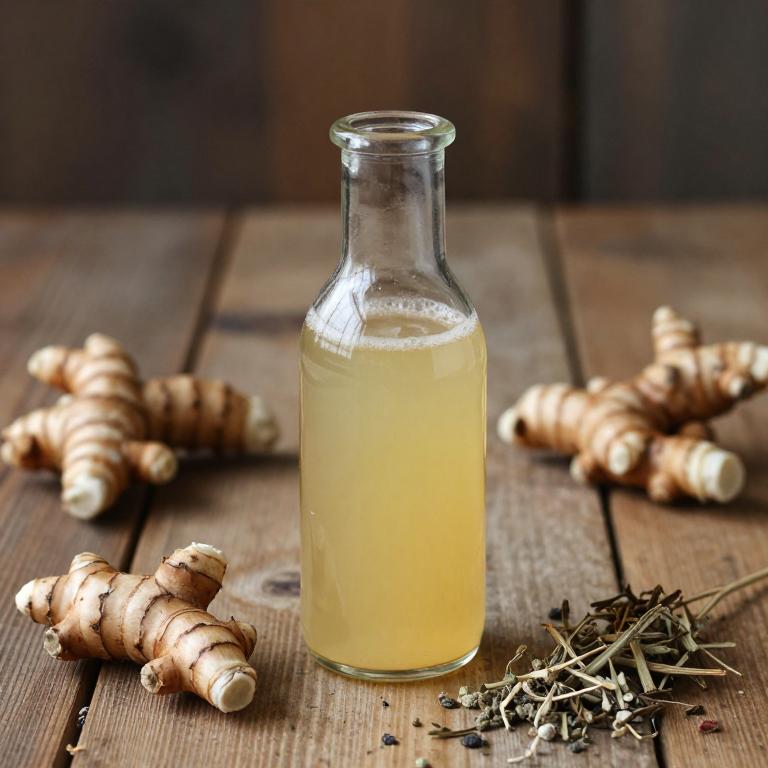
Herbal juices can be a natural and effective remedy for relieving symptoms of a sinus headache, often containing anti-inflammatory and decongestant properties.
Ingredients like ginger, turmeric, and echinacea are commonly used in herbal juices to reduce inflammation and boost the immune system. These juices may help alleviate nasal congestion and ease pressure around the sinuses, providing relief from pain and discomfort. However, it is important to consult with a healthcare professional before incorporating herbal juices into your routine, especially if you have underlying health conditions or are taking medications.
While herbal juices can complement conventional treatments, they should not replace medical advice or prescribed therapies for persistent sinus issues.
Table of Contents
- 1. Ginger (Zingiber officinale)
- 2. Peppermint (Mentha piperita)
- 3. Salvia (Salvia officinalis)
- 4. Eucalyptus (Eucalyptus globulus)
- 5. Stinging nettle (Urtica dioica)
- 6. Rosemary (Rosmarinus officinalis)
- 7. Ceylon cinnamon (Cinnamomum verum)
- 8. Yarrow (Achillea millefolium)
- 9. Parsley (Petroselinum crispum)
- 10. Black pepper (Piper nigrum)
1. Ginger (Zingiber officinale)
Zingiber officinale, commonly known as ginger, has been traditionally used for its therapeutic properties, including its ability to alleviate symptoms of sinus headaches.
The active compounds in ginger, such as gingerol and shogaol, possess anti-inflammatory and analgesic effects that can help reduce inflammation and pain in the sinuses. Incorporating ginger into herbal juices can provide a natural and effective remedy for individuals suffering from sinus headaches. To prepare a ginger herbal juice, fresh ginger root is typically grated and combined with other beneficial ingredients like lemon, honey, or turmeric.
Regular consumption of this juice may support respiratory health and offer relief from persistent sinus discomfort.
2. Peppermint (Mentha piperita)
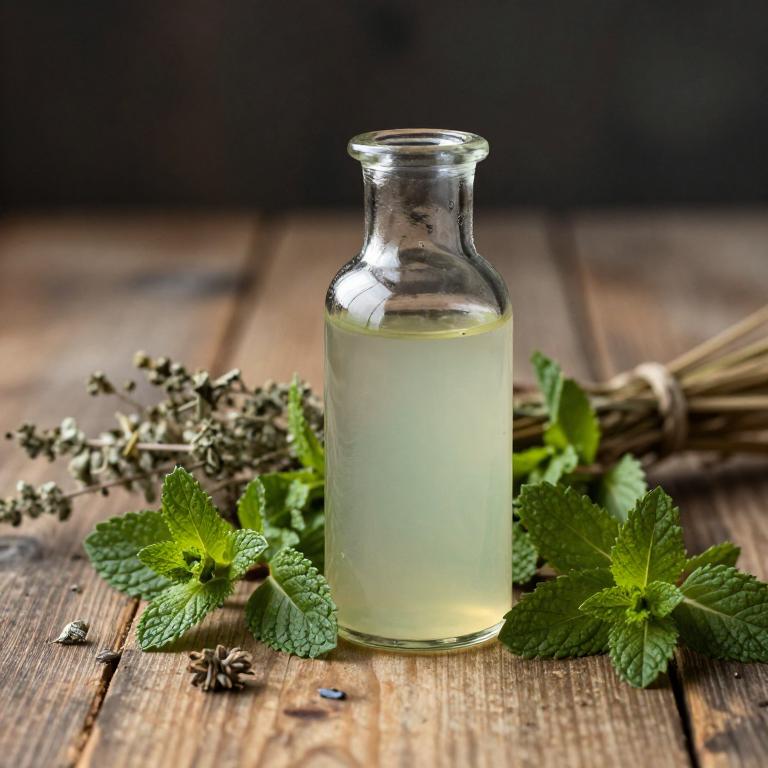
Mentha piperita, commonly known as peppermint, is often used in herbal juices to alleviate symptoms of sinus headaches due to its calming and decongestant properties.
The essential oils in peppermint, particularly menthol, help to reduce inflammation and open up the nasal passages, making it easier to breathe. When consumed as a herbal juice, peppermint can also help to relieve tension headaches and ease the pressure associated with sinus congestion. Its cooling effect provides a soothing sensation, which can help reduce pain and discomfort.
However, it is important to consult with a healthcare professional before using peppermint juice, especially for those with underlying health conditions or who are pregnant.
3. Salvia (Salvia officinalis)

Salvia officinalis, commonly known as sage, has been traditionally used for its medicinal properties, including its potential benefits for respiratory health.
Some herbal juices made from sage may help alleviate symptoms of sinus headaches due to their antimicrobial and anti-inflammatory properties. These properties may help reduce congestion and inflammation in the nasal passages, thereby easing pressure and pain associated with sinus issues. However, it is important to consult with a healthcare professional before using sage-based remedies, as they may interact with certain medications or have side effects.
While sage juice may offer some relief, it should not replace conventional treatments for severe or persistent sinus headaches.
4. Eucalyptus (Eucalyptus globulus)

Eucalyptus globulus, commonly known as the Australian eucalyptus, is often used in herbal juices to alleviate symptoms of sinus headaches due to its strong anti-inflammatory and decongestant properties.
The essential oil of eucalyptus globulus contains compounds like cineole, which can help reduce nasal congestion and ease breathing, making it beneficial for individuals suffering from sinus pressure. When incorporated into herbal juices, eucalyptus globulus can provide a natural and soothing remedy that supports respiratory health and relieves headache pain. However, it is important to use it in moderation and consult with a healthcare professional, especially for those with allergies or existing health conditions.
Overall, eucalyptus globulus herbal juices offer a holistic approach to managing sinus headaches by promoting clearer airways and reducing inflammation.
5. Stinging nettle (Urtica dioica)

Urtica dioica, commonly known as stinging nettle, has been traditionally used in herbal medicine for its anti-inflammatory and detoxifying properties.
When prepared as a juice, it may help alleviate symptoms of sinus headaches by reducing inflammation in the nasal passages and sinuses. The juice is typically made by blending fresh or dried nettle leaves with water or a mild juice base, and it is often consumed in small quantities due to its strong taste. Some studies suggest that the compounds in stinging nettle, such as flavonoids and minerals, may support respiratory health and ease congestion.
However, it is important to consult a healthcare professional before using nettle juice, especially for those with allergies or existing medical conditions.
6. Rosemary (Rosmarinus officinalis)

Rosmarinus officinalis, commonly known as rosemary, is a fragrant herb that has been traditionally used for its medicinal properties, including its potential to alleviate symptoms of sinus headaches.
Rosemary contains compounds such as rosmarinic acid and cineole, which have anti-inflammatory and decongestant effects that may help reduce sinus pressure and pain. Herbal juices made from fresh or dried rosemary leaves can be consumed internally to support respiratory health and ease congestion associated with sinus headaches. These juices are often prepared by blending rosemary with other herbal ingredients like garlic or ginger to enhance their therapeutic benefits.
While rosemary herbal juices may offer natural relief, it is advisable to consult a healthcare professional before using them, especially for individuals with existing medical conditions or those taking medications.
7. Ceylon cinnamon (Cinnamomum verum)

Cinnamomum verum, commonly known as true cinnamon, has been traditionally used for its aromatic and medicinal properties, including its potential benefits for sinus headaches.
The essential oils in cinnamon, particularly cinnamaldehyde, possess anti-inflammatory and antimicrobial properties that may help reduce nasal congestion and alleviate sinus pressure. When used in herbal juices, cinnamon can support respiratory health by promoting clear airways and reducing mucus buildup. However, it is important to use cinnamon in moderation, as excessive consumption may cause irritation or allergic reactions.
While cinnamon juice may offer some relief for sinus headaches, it should not replace professional medical advice or treatment for persistent or severe symptoms.
8. Yarrow (Achillea millefolium)

Achillea millefolium, commonly known as yarrow, has been traditionally used for its potential therapeutic effects on various health conditions, including sinus headaches.
The herb contains compounds such as flavonoids and essential oils, which may help reduce inflammation and congestion in the sinuses. Some herbal preparations of yarrow are made into juices or tinctures to support respiratory health and alleviate symptoms of sinus pressure and pain. While there is limited scientific evidence on the effectiveness of yarrow juice for sinus headaches, many people use it as a natural remedy alongside conventional treatments.
It is important to consult a healthcare professional before using yarrow, especially for individuals with existing health conditions or those taking medications.
9. Parsley (Petroselinum crispum)
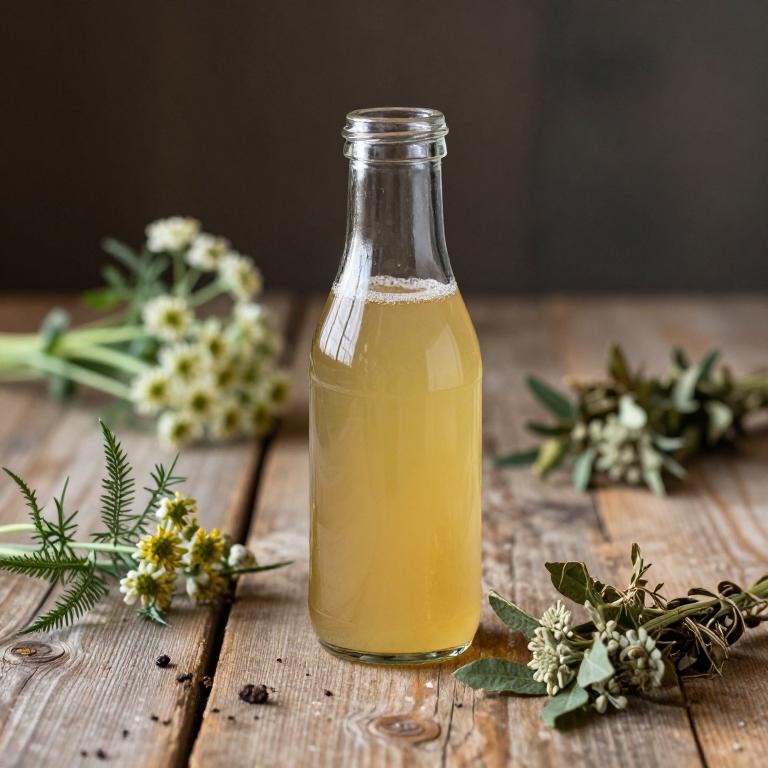
Petroselinum crispum, commonly known as parsley, has been traditionally used for its potential benefits in alleviating sinus headaches due to its anti-inflammatory and decongestant properties.
The herbal juices made from fresh parsley leaves can help reduce mucus buildup and soothe inflamed nasal passages, providing relief from the pressure and pain associated with sinus headaches. Rich in vitamins A, C, and K, parsley juice supports immune function and may help prevent recurring sinus issues. Some individuals use parsley juice as a natural remedy alongside other treatments to manage symptoms, though it is advisable to consult a healthcare professional before relying solely on herbal remedies.
Overall, parsley juice may serve as a complementary therapy for those seeking natural relief from sinus headaches.
10. Black pepper (Piper nigrum)

Piper nigrum, commonly known as black pepper, contains compounds like piperine that may help alleviate symptoms of a sinus headache by reducing inflammation and improving nasal airflow.
While not a primary treatment for sinus headaches, black pepper can be incorporated into herbal juices to support respiratory health and potentially ease discomfort. When combined with other sinus-clearing ingredients like ginger, turmeric, or garlic, piper nigrum may enhance the effectiveness of the juice. However, it is important to note that herbal juices should not replace medical advice or treatment for persistent sinus issues.
Always consult a healthcare professional before using any herbal remedy, especially if you have underlying health conditions or are on medication.