10 Best Herbal Creams For Sinus Headache
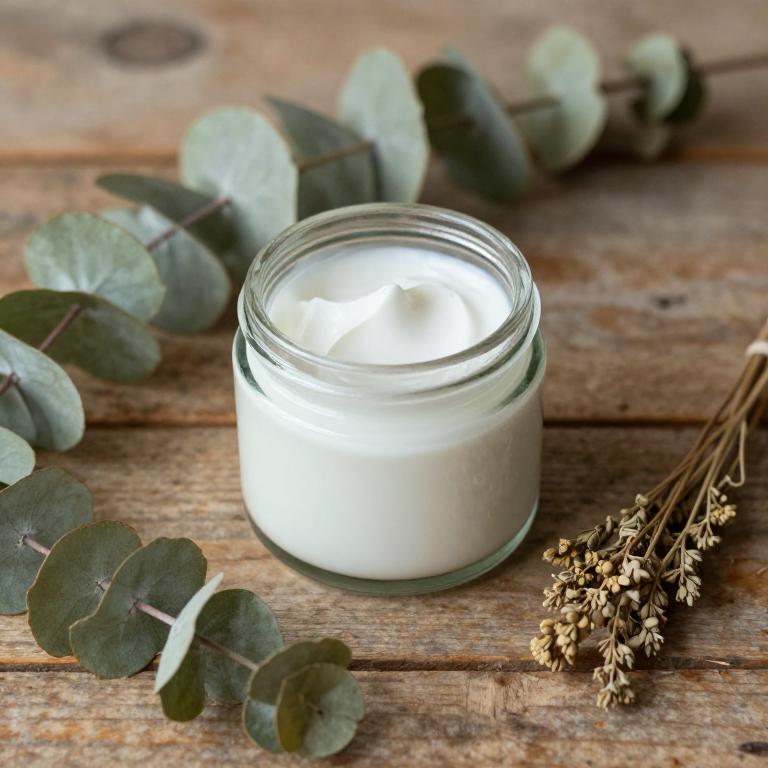
Herbal creams for sinus headache are topical treatments that combine natural ingredients to alleviate pain and reduce inflammation in the sinus areas.
These creams often contain essential oils like eucalyptus, menthol, and camphor, which are known for their decongestant and analgesic properties. They work by providing a cooling or warming sensation that can help open nasal passages and ease pressure around the sinuses. While they are generally considered safe for most people, individuals with sensitive skin should perform a patch test before use.
Herbal creams can be a gentle alternative to over-the-counter pain relievers and may be used in conjunction with other sinus relief strategies for better results.
Table of Contents
- 1. Eucalyptus (Eucalyptus globulus)
- 2. Ginger (Zingiber officinale)
- 3. Black pepper (Piper nigrum)
- 4. Rosemary (Rosmarinus officinalis)
- 5. Salvia (Salvia officinalis)
- 6. Peppermint (Mentha piperita)
- 7. Ceylon cinnamon (Cinnamomum zeylanicum)
- 8. Stinging nettle (Urtica dioica)
- 9. Chaste tree (Vitex agnus-castus)
- 10. Licorice (Glycyrrhiza glabra)
1. Eucalyptus (Eucalyptus globulus)
Eucalyptus globulus, commonly known as eucalyptus oil, is often incorporated into herbal creams designed to alleviate symptoms of sinus headaches due to its strong anti-inflammatory and decongestant properties.
These creams typically combine eucalyptus oil with other natural ingredients like menthol, camphor, and lavender to enhance their soothing and pain-relieving effects. When applied topically to the forehead, temples, or neck, the cooling sensation of these creams can help reduce inflammation and ease the pressure associated with sinus headaches. Many users report relief from headache pain and improved breathing after regular use of eucalyptus globulus-based creams.
However, it is important to consult a healthcare professional before using such products, especially for individuals with sensitive skin or underlying medical conditions.
2. Ginger (Zingiber officinale)
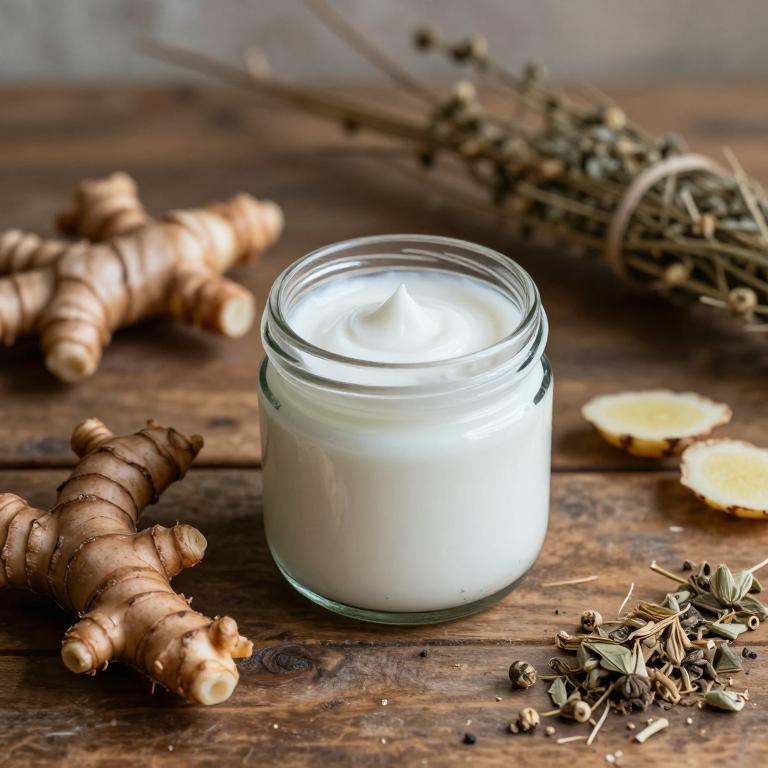
Zingiber officinale, commonly known as ginger, has been traditionally used for its anti-inflammatory and pain-relieving properties, making it a popular ingredient in herbal creams for sinus headaches.
These creams often combine ginger extract with other natural ingredients like menthol, eucalyptus, or camphor to enhance their effectiveness in relieving congestion and reducing sinus pressure. The warming effect of ginger can help improve blood circulation and reduce inflammation in the nasal passages, offering natural relief for sinus-related discomfort. Many people find these herbal creams to be a gentle and effective alternative to over-the-counter medications, especially for those preferring natural remedies.
However, it is important to consult a healthcare professional before using these products, particularly if you have known allergies or are taking other medications.
3. Black pepper (Piper nigrum)
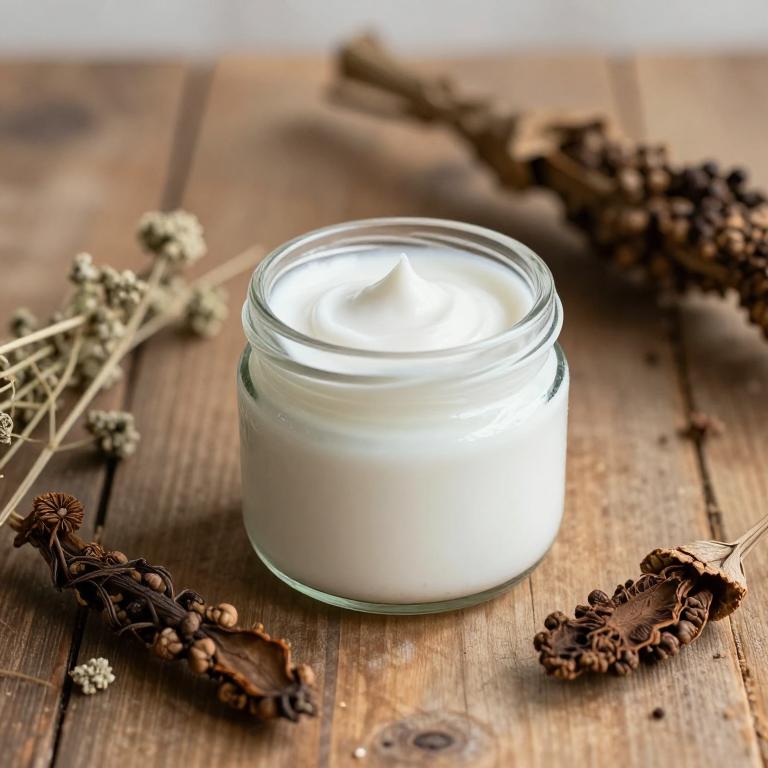
Piper nigrum, commonly known as black pepper, has been traditionally used in herbal medicine for its potential therapeutic properties.
When incorporated into herbal creams, piper nigrum may help alleviate symptoms of sinus headaches by promoting circulation and reducing inflammation in the sinus areas. The active compound, piperine, is believed to enhance the absorption of other beneficial ingredients in the cream, thereby increasing its effectiveness. These creams are often used as a natural alternative to conventional treatments for mild to moderate sinus pain.
However, individuals should consult with a healthcare professional before using piper nigrum-based products, especially if they have allergies or are taking medications.
4. Rosemary (Rosmarinus officinalis)
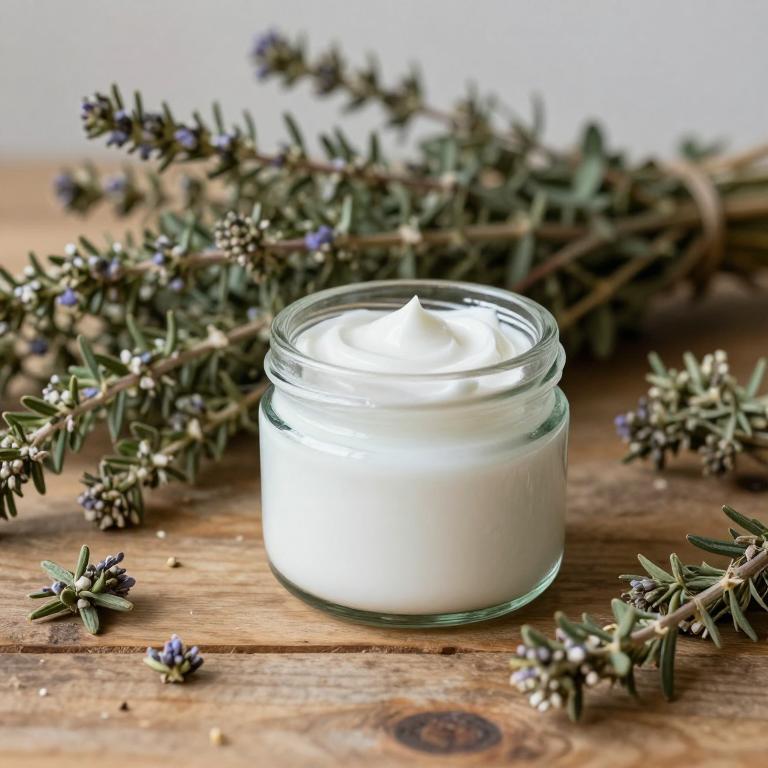
Rosmarinus officinalis, commonly known as rosemary, is a popular herb used in the formulation of herbal creams for sinus headaches due to its anti-inflammatory and analgesic properties.
These creams often contain rosemary extract, which is believed to help reduce inflammation and improve circulation in the sinus areas, thereby alleviating pressure and pain. The aromatic compounds in rosemary may also provide a soothing effect when applied topically, offering relief from the discomfort associated with sinus headaches. While these creams are generally considered safe for topical use, it is important to consult a healthcare professional before using them, especially if you have sensitive skin or are pregnant.
Overall, rosemary-based herbal creams can be a natural and effective complementary option for managing the symptoms of sinus headaches.
5. Salvia (Salvia officinalis)
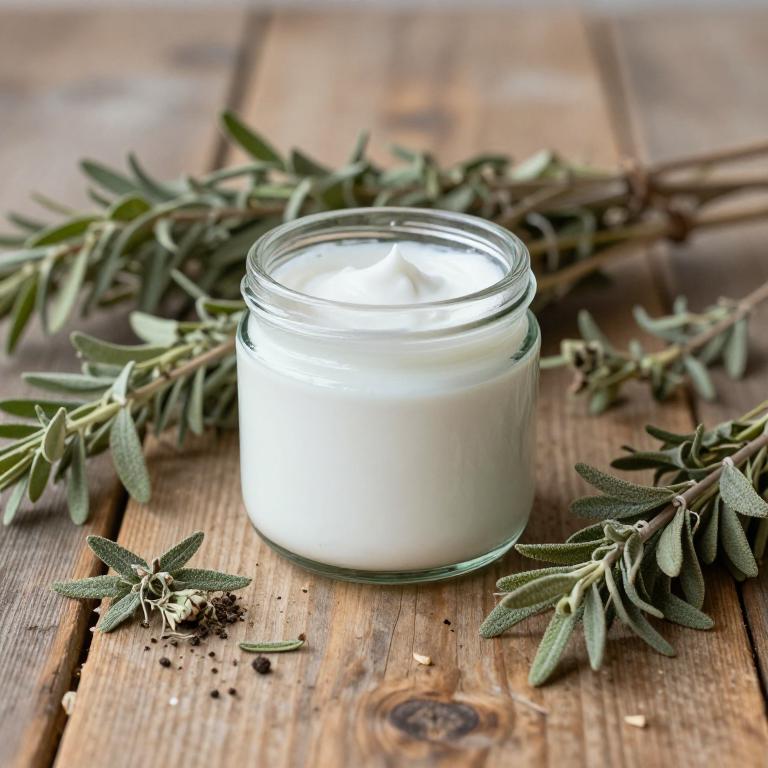
Salvia officinalis, commonly known as sage, has been traditionally used in herbal medicine for its anti-inflammatory and antimicrobial properties.
When incorporated into herbal creams, salvia officinalis may help alleviate symptoms of sinus headaches by reducing inflammation in the nasal passages and sinuses. These creams often combine sage with other soothing ingredients like camphor or menthol to enhance their effectiveness. The topical application of such creams can provide localized relief without the side effects associated with oral medications.
While more research is needed, many users report a reduction in headache intensity and duration when using salvia officinalis-based sinus relief creams.
6. Peppermint (Mentha piperita)
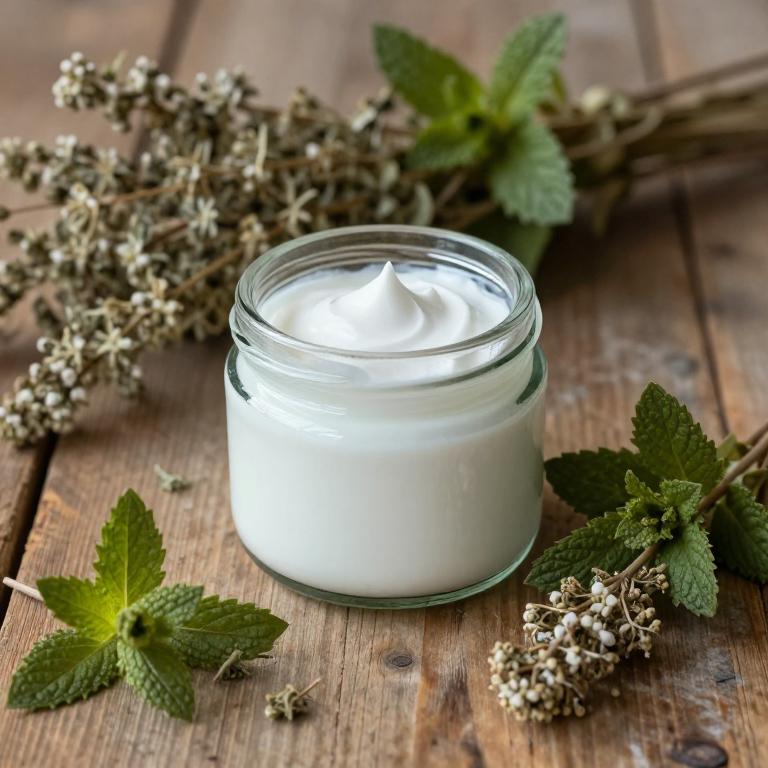
Mentha piperita, commonly known as peppermint, is often incorporated into herbal creams designed to alleviate symptoms of sinus headaches.
These creams typically contain menthol, which has a cooling effect and can help reduce the sensation of pain and pressure in the sinus areas. The menthol in peppermint creams may also promote improved blood circulation and reduce inflammation, contributing to relief from headache symptoms. When applied topically to the forehead, temples, or neck, these creams can provide a soothing and refreshing sensation.
While they are not a substitute for medical treatment, peppermint-based herbal creams can serve as a natural and complementary option for managing mild to moderate sinus headaches.
7. Ceylon cinnamon (Cinnamomum zeylanicum)
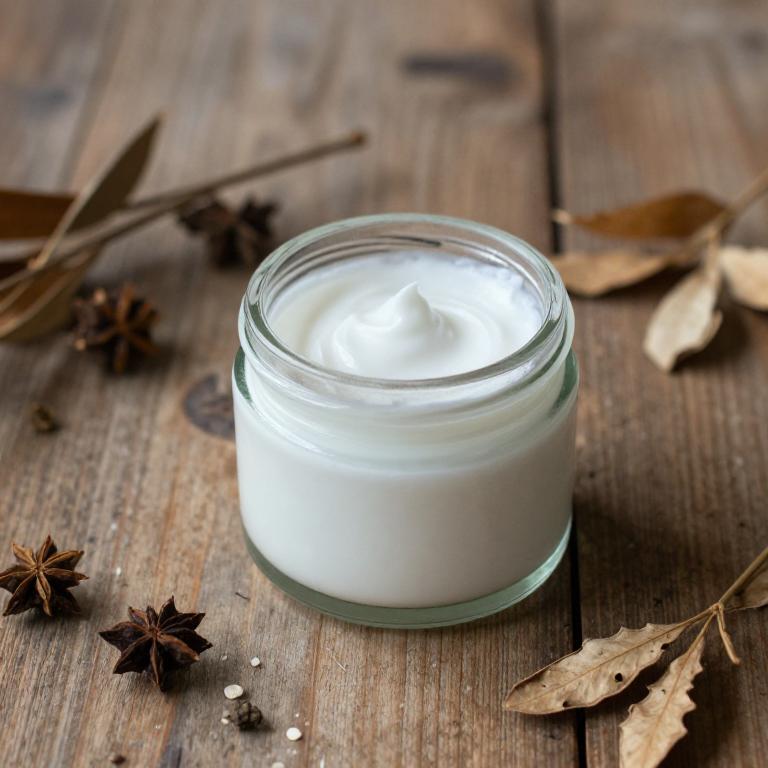
Cinnamomum zeylanicum, commonly known as cinnamon, has been traditionally used in herbal remedies for its anti-inflammatory and analgesic properties.
When incorporated into herbal creams, cinnamon can help alleviate the symptoms of sinus headaches by reducing inflammation and pain in the nasal passages and surrounding areas. These creams often combine cinnamon with other soothing ingredients like eucalyptus or peppermint to enhance their effectiveness. The warming sensation provided by cinnamon can also help improve blood circulation, promoting faster relief from sinus pressure.
While herbal creams may offer a natural alternative for some individuals, it is advisable to consult a healthcare professional before use, especially for chronic or severe sinus headaches.
8. Stinging nettle (Urtica dioica)
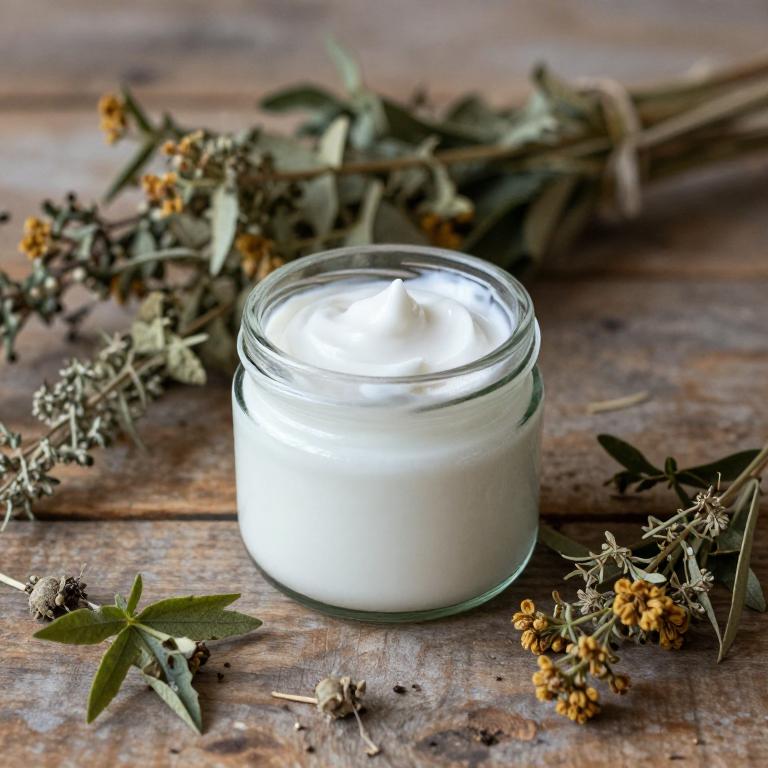
Urtica dioica, commonly known as stinging nettle, has been used in traditional medicine for its potential anti-inflammatory and analgesic properties.
When incorporated into herbal creams, it may help alleviate symptoms of sinus headaches by reducing inflammation and improving blood circulation in the sinus areas. These creams often combine nettle extract with other soothing ingredients like menthol or eucalyptus oil to enhance their effectiveness. However, it is important to consult a healthcare professional before using nettle-based products, especially if you have allergies or are taking other medications.
While some individuals report relief from sinus headaches using these creams, scientific evidence supporting their efficacy is still limited.
9. Chaste tree (Vitex agnus-castus)
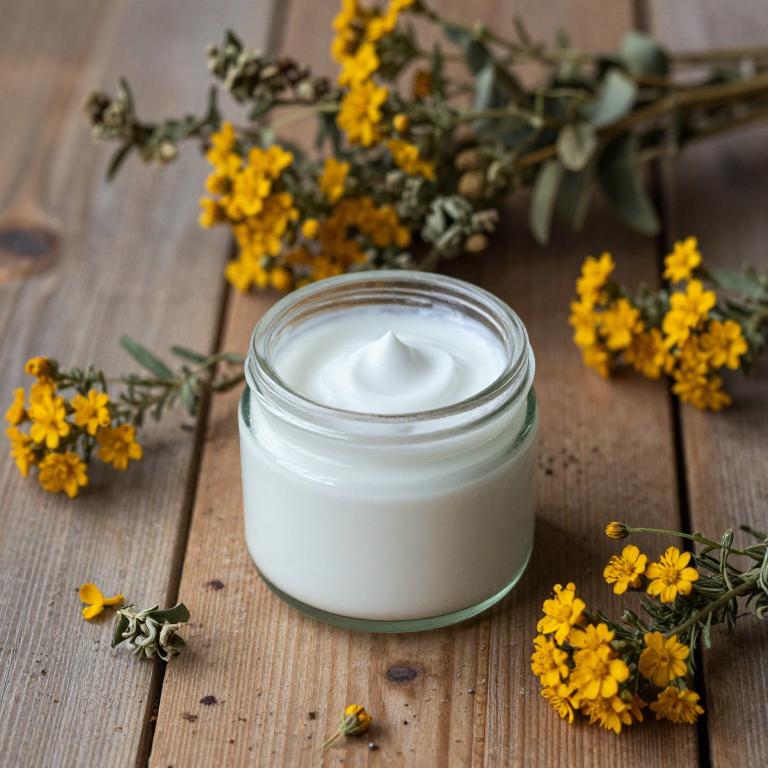
Vitex agnus-castus, commonly known as chaste tree, is often used in herbal remedies for its potential to support hormonal balance and reduce inflammation.
Herbal creams containing vitex agnus-castus may be applied topically to the temples, forehead, and neck to help alleviate symptoms of sinus headaches. These creams are believed to work by reducing congestion and easing the pressure associated with sinus inflammation. While not a substitute for medical treatment, they may offer complementary relief for mild sinus headaches.
It is important to consult with a healthcare professional before using any herbal products, especially if you have underlying health conditions or are taking other medications.
10. Licorice (Glycyrrhiza glabra)
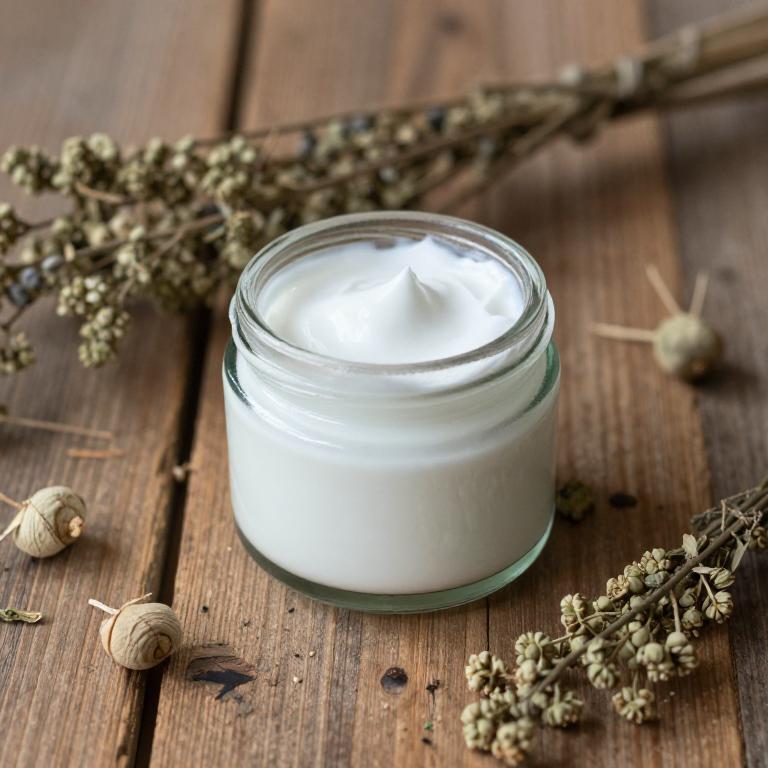
Glycyrrhiza glabra, commonly known as licorice root, has been traditionally used in herbal medicine for its anti-inflammatory and soothing properties.
When incorporated into herbal creams, glycyrrhiza glabra can help alleviate symptoms of sinus headaches by reducing inflammation and irritation in the nasal passages and sinuses. These creams often contain other complementary ingredients like eucalyptus or menthol, which further enhance their decongestant effects. The application of such creams can provide localized relief, making them a natural alternative for those seeking non-pharmacological treatments.
However, it is important to consult with a healthcare professional before using glycyrrhiza glabra creams, especially for individuals with hypertension or those taking certain medications.