10 Best Herbal Capsules For Sinus Headache

Herbal capsules for sinus headache are a popular natural remedy that combines traditional herbal knowledge with modern encapsulation technology to provide convenient and effective relief.
These capsules typically contain a blend of herbs such as eucalyptus, ginger, garlic, and turmeric, which are known for their anti-inflammatory and decongestant properties. They work by reducing nasal congestion, easing inflammation in the sinus passages, and promoting drainage to alleviate pressure and pain. Unlike conventional pharmaceuticals, herbal capsules are often perceived as safer with fewer side effects, though their efficacy can vary depending on the specific ingredients and quality of the product.
It is advisable to consult a healthcare professional before using herbal capsules, especially if you have underlying health conditions or are taking other medications.
Table of Contents
- 1. Eucalyptus (Eucalyptus globulus)
- 2. Ginger (Zingiber officinale)
- 3. Salvia (Salvia officinalis)
- 4. Stinging nettle (Urtica dioica)
- 5. Catnip (Nepeta cataria)
- 6. Black pepper (Piper nigrum)
- 7. Turmeric (Curcuma longa)
- 8. Fennel (Foeniculum vulgare)
- 9. Chaste tree (Vitex agnus-castus)
- 10. Rhododendron catawbiense
1. Eucalyptus (Eucalyptus globulus)
Eucalyptus globulus, commonly known as the Australian eucalyptus, is widely used in herbal remedies for its potent anti-inflammatory and decongestant properties.
When formulated into herbal capsules, eucalyptus globulus can help alleviate symptoms of sinus headaches by reducing nasal congestion and inflammation in the sinus passages. These capsules are often made from standardized extracts of the plant's leaves, ensuring a consistent dose of active compounds like cineole. They are typically used as a complementary therapy alongside conventional treatments for chronic or recurrent sinus issues.
Due to their natural origin, eucalyptus globulus capsules are considered a safe option for many individuals seeking non-pharmacological relief from sinus headaches.
2. Ginger (Zingiber officinale)
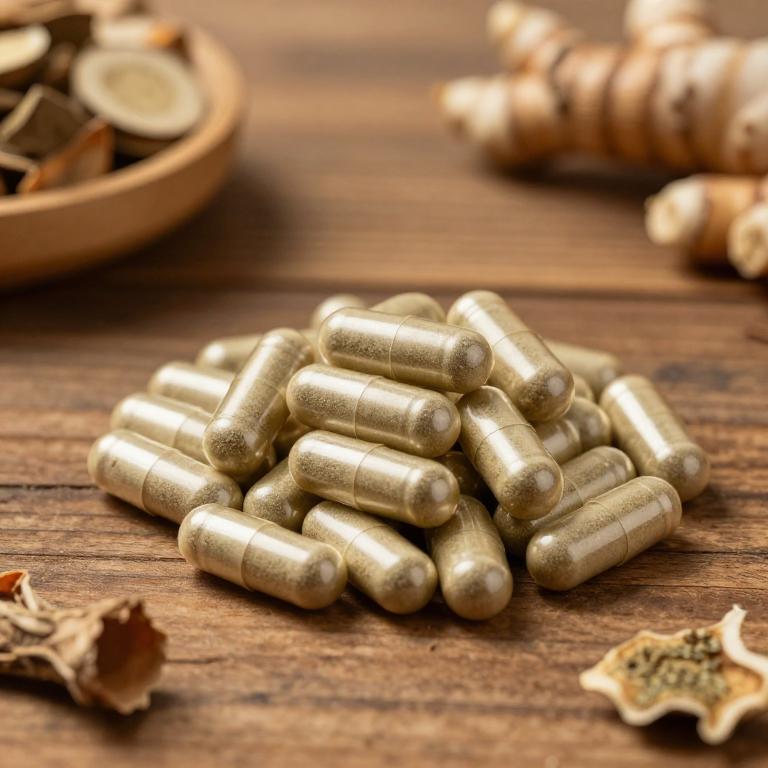
Zingiber officinale, commonly known as ginger, has been traditionally used for its anti-inflammatory and pain-relieving properties, making it a popular herbal remedy for sinus headaches.
When formulated into capsules, ginger can provide a convenient and concentrated dose of its active compounds, such as gingerol and shogaol, which may help reduce inflammation and congestion in the sinuses. These herbal capsules are often considered a natural alternative to conventional medications, appealing to individuals seeking holistic approaches to health. However, it is important to consult with a healthcare professional before use, especially for those with existing health conditions or taking other medications.
While some studies suggest ginger may offer relief for headache symptoms, more research is needed to fully establish its efficacy for sinus headaches specifically.
3. Salvia (Salvia officinalis)
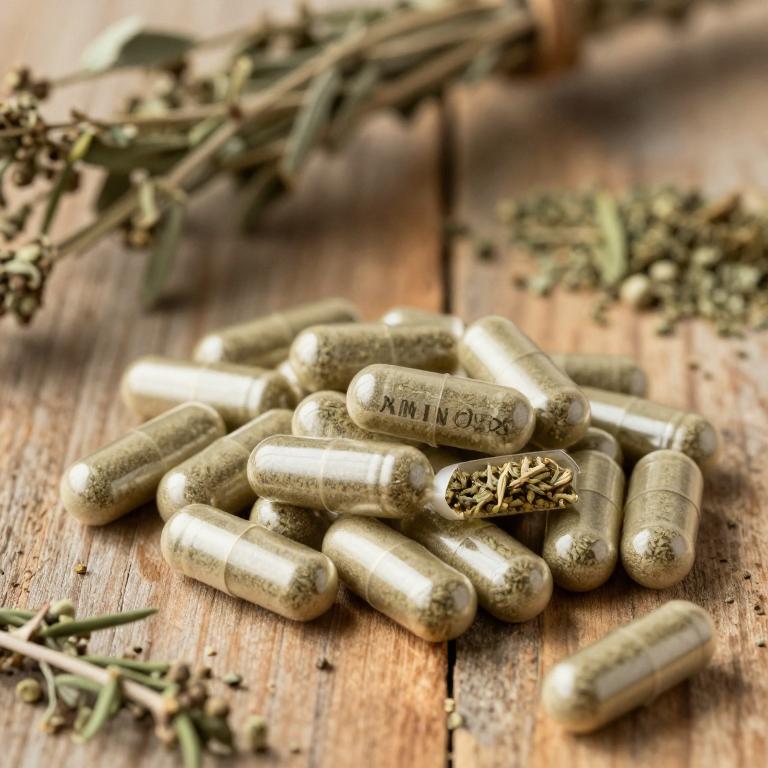
Salvia officinalis, commonly known as sage, has been traditionally used for its potential therapeutic properties, including its ability to alleviate symptoms of sinus headaches.
When formulated into herbal capsules, salvia officinalis may help reduce inflammation and congestion in the nasal passages, which are common contributors to sinus pain. Some studies suggest that the antimicrobial and antioxidant compounds in sage may support respiratory health and ease discomfort associated with sinus conditions. However, it is important to consult a healthcare professional before using sage capsules, especially for individuals with existing medical conditions or those taking other medications.
While not a substitute for medical treatment, salvia officinalis herbal capsules may serve as a complementary option for managing mild sinus headache symptoms.
4. Stinging nettle (Urtica dioica)
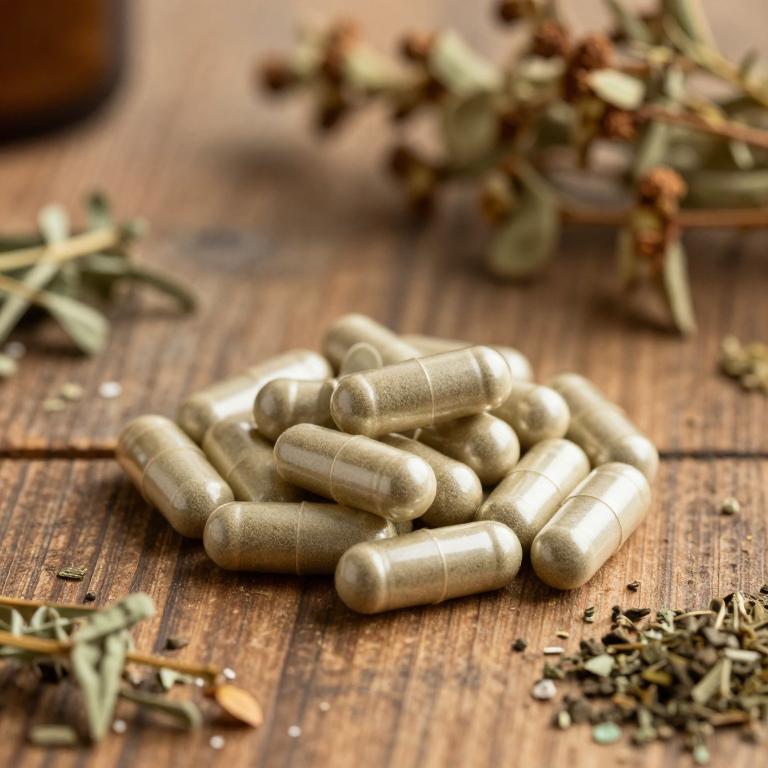
Urtica dioica, commonly known as stinging nettle, is a herbal remedy that has been used for centuries to support respiratory health and alleviate symptoms of sinus headaches.
When formulated into capsules, Urtica dioica may help reduce inflammation and congestion in the nasal passages, which are common contributors to sinus headaches. The plant contains compounds such as histamine and beta-sitosterol, which may have anti-inflammatory and decongestant properties. Some studies suggest that stinging nettle can help improve mucus flow and reduce the frequency of sinus infections.
However, it is important to consult a healthcare professional before using Urtica dioica capsules, especially for individuals with allergies or those taking other medications.
5. Catnip (Nepeta cataria)
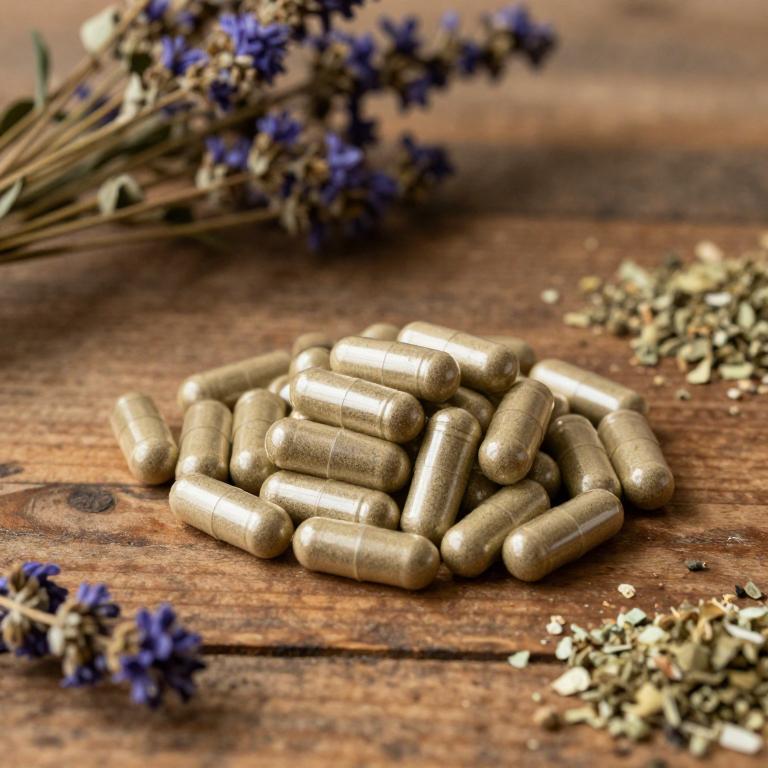
Nepeta cataria, commonly known as catnip, has been traditionally used for its potential therapeutic effects on respiratory and sinus health.
When formulated into herbal capsules, it may help alleviate symptoms of sinus headaches by reducing inflammation and promoting mucus drainage. The active compounds in nepeta cataria, such as nepetalactone, are believed to have mild sedative and antispasmodic properties that can ease congestion and relieve pressure in the sinuses. These capsules are often used as a natural alternative to conventional medications, though they should be taken with caution and under the guidance of a healthcare professional.
While some studies suggest its efficacy, more research is needed to fully understand its benefits and safety profile for treating sinus headaches.
6. Black pepper (Piper nigrum)
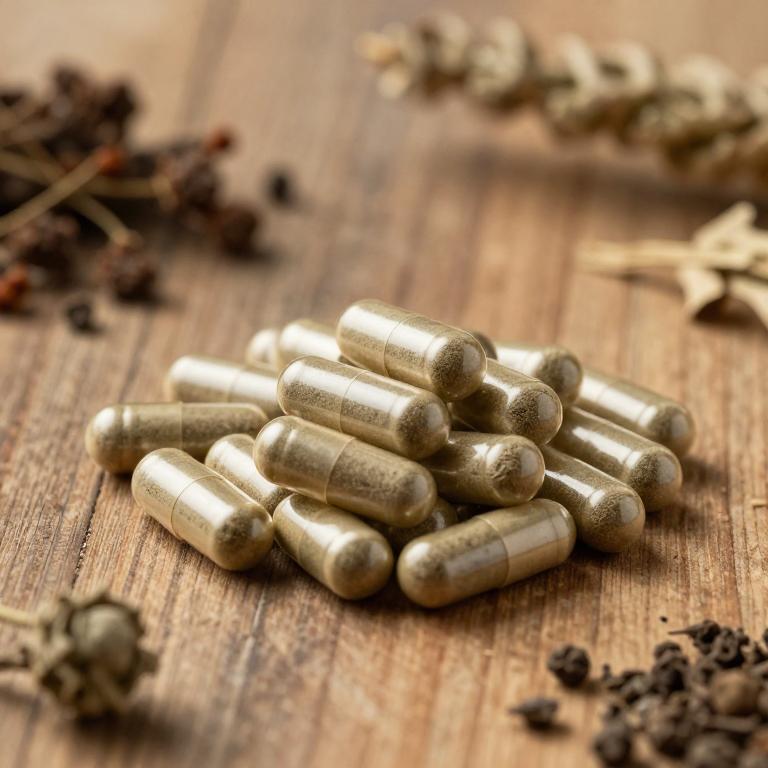
Piper nigrum, commonly known as black pepper, is often used in herbal remedies for its potential anti-inflammatory and analgesic properties.
When formulated into herbal capsules, it may help alleviate symptoms of sinus headaches by reducing nasal congestion and improving sinus drainage. The active compound, piperine, is believed to enhance circulation and reduce inflammation in the sinuses. However, while some individuals may find relief from these capsules, they should not replace medical treatment for severe or persistent sinus headaches.
It is important to consult a healthcare professional before using any herbal supplement, especially if you have underlying health conditions or are taking other medications.
7. Turmeric (Curcuma longa)
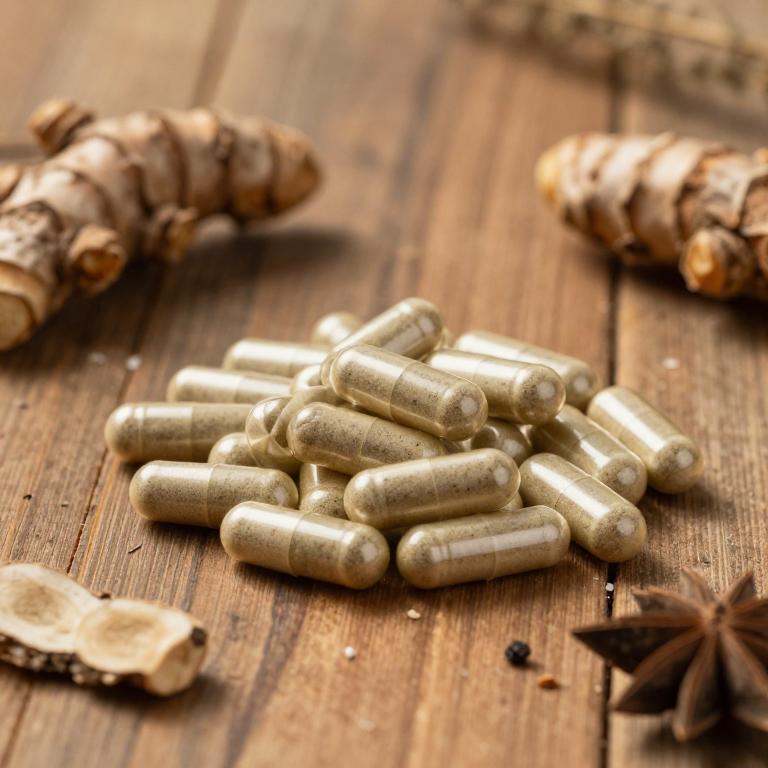
Curcuma longa, commonly known as turmeric, contains a powerful compound called curcumin, which is widely recognized for its anti-inflammatory and antioxidant properties.
When used in the form of herbal capsules, curcuma longa may help alleviate symptoms of sinus headaches by reducing inflammation in the nasal passages and sinuses. These capsules are often combined with black pepper extract to enhance the absorption of curcumin into the bloodstream. While curcuma longa is generally considered safe, it is important to consult a healthcare professional before use, especially if you are taking other medications or have underlying health conditions.
Overall, curcuma longa herbal capsules may serve as a natural and supportive option for managing occasional sinus headaches.
8. Fennel (Foeniculum vulgare)
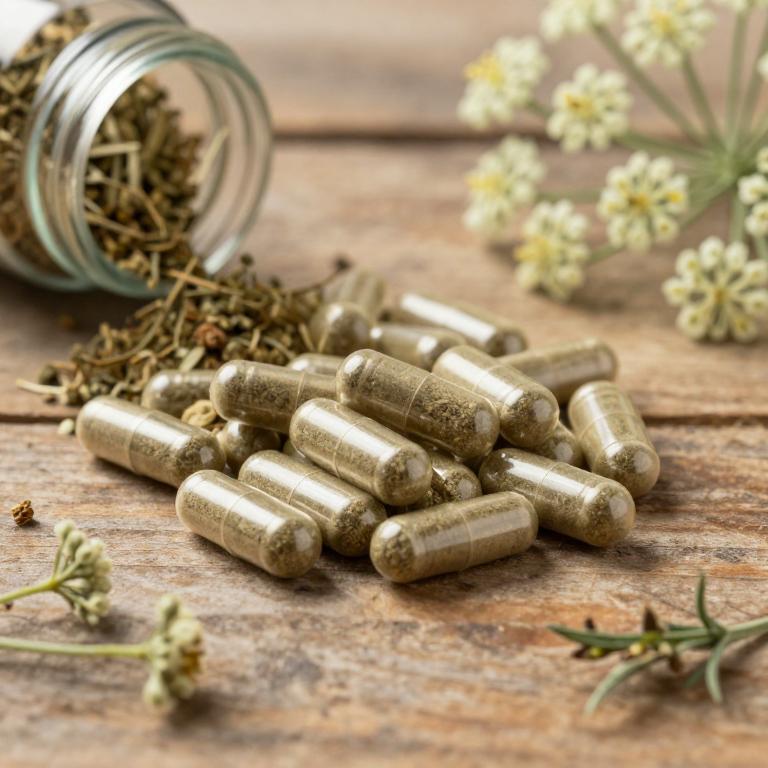
Foeniculum vulgare, commonly known as fennel, has been traditionally used in herbal medicine for its potential benefits in alleviating sinus headaches.
The essential oil of fennel, which contains compounds like anethol and limonene, may help reduce inflammation and congestion in the nasal passages, thereby easing the pressure associated with sinus pain. Herbal capsules containing foeniculum vulgare are often formulated to support respiratory health and provide natural relief for mild to moderate sinus discomfort. These capsules are generally considered safe when taken as directed, though individuals with allergies to related plants should exercise caution.
While they may not replace medical treatment for severe sinus issues, they can be a complementary option for those seeking a natural approach to managing sinus headaches.
9. Chaste tree (Vitex agnus-castus)
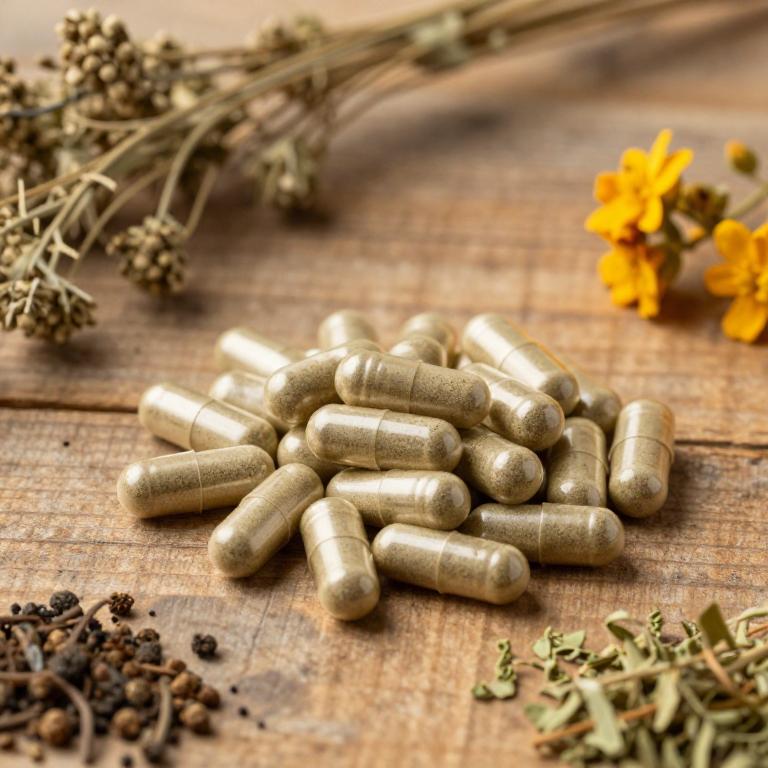
Vitex agnus-castus, commonly known as chasteberry, is a herbal remedy that has been traditionally used to support hormonal balance and alleviate symptoms related to menstrual irregularities and PMS.
While it is not a direct treatment for sinus headaches, some studies suggest that it may help reduce inflammation and improve circulation, which could indirectly ease headache symptoms. Herbal capsules containing vitex agnus-castus are often used as a natural alternative to conventional medications, particularly for those seeking holistic approaches to health. It is important to consult with a healthcare professional before using vitex agnus-castus, especially if you have underlying health conditions or are taking other medications.
Overall, while it may offer supportive benefits, it should not replace medical advice or treatment for persistent or severe sinus headaches.
10. Rhododendron catawbiense

Rhododendron catawbiense herbal capsules are traditionally used to support respiratory health and alleviate symptoms of sinus headaches due to their anti-inflammatory and decongestant properties.
These capsules contain standardized extracts of the plant, which may help reduce nasal congestion and relieve pressure associated with sinus inflammation. The active compounds in Rhododendron catawbiense, such as flavonoids and essential oils, are believed to promote drainage of the sinuses and ease discomfort. While generally considered safe when used as directed, it is important to consult a healthcare professional before starting any herbal supplement, especially for those with preexisting conditions or on medication.
Overall, these capsules may offer a natural alternative for managing occasional sinus headaches, though they should not replace medical treatment for chronic or severe cases.