10 Best Herbal Lozenges For Shingles
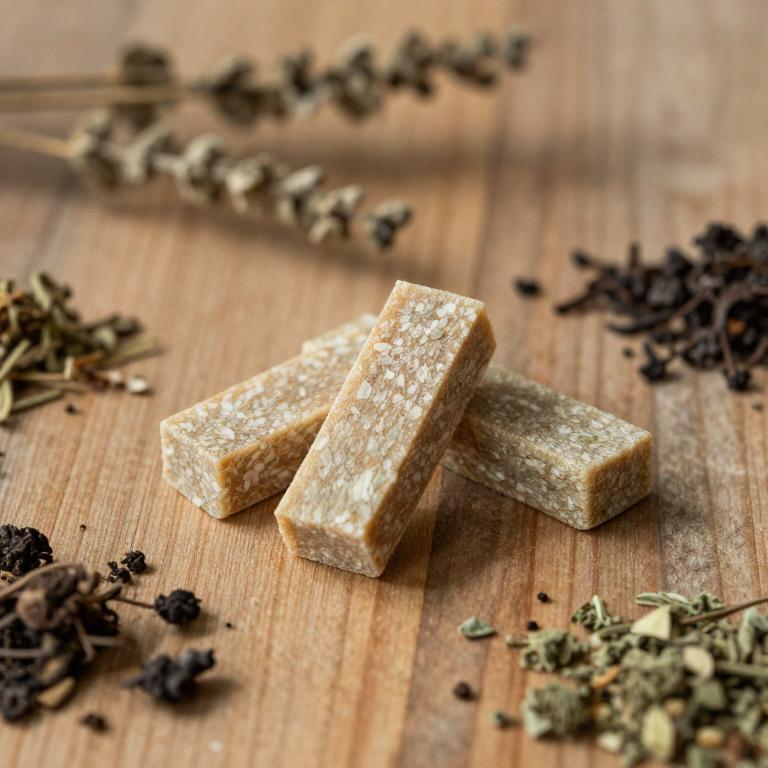
Herbal lozenges for shingles are natural remedies that aim to alleviate the pain and discomfort associated with the condition.
These lozenges often contain ingredients like echinacea, goldenseal, and licorice root, which are believed to have antiviral and anti-inflammatory properties. While they may not cure shingles, they can help reduce the severity of symptoms and support the body's natural healing process. Some herbal lozenges also include numbing agents such as menthol to provide temporary relief from burning or tingling sensations.
It is important to consult a healthcare provider before using herbal lozenges, especially if you are taking other medications or have underlying health conditions.
Table of Contents
- 1. St. john's wort (Hypericum perforatum)
- 2. Yarrow (Achillea millefolium)
- 3. Echinacea (Echinacea purpurea)
- 4. Ginger (Zingiber officinale)
- 5. Salvia (Salvia officinalis)
- 6. Camellia (Camellia sinensis)
- 7. Chaste tree (Vitex agnus-castus)
- 8. Rosemary (Rosmarinus officinalis)
- 9. Stinging nettle (Urtica dioica)
- 10. Chamomile (Matricaria chamomilla)
1. St. john's wort (Hypericum perforatum)
Hypericum perforatum, commonly known as St. John's Wort, is a herbal remedy that has been traditionally used for its potential anti-inflammatory and analgesic properties.
Herbal lozenges containing Hypericum perforatum may offer relief for individuals suffering from shingles, a viral infection caused by the varicella-zoster virus. These lozenges can help soothe the throat and reduce the discomfort associated with the rash and pain of shingles. While they are not a cure for shingles, they may complement conventional treatments by alleviating symptoms.
However, it is important to consult a healthcare professional before using Hypericum perforatum, as it can interact with certain medications.
2. Yarrow (Achillea millefolium)
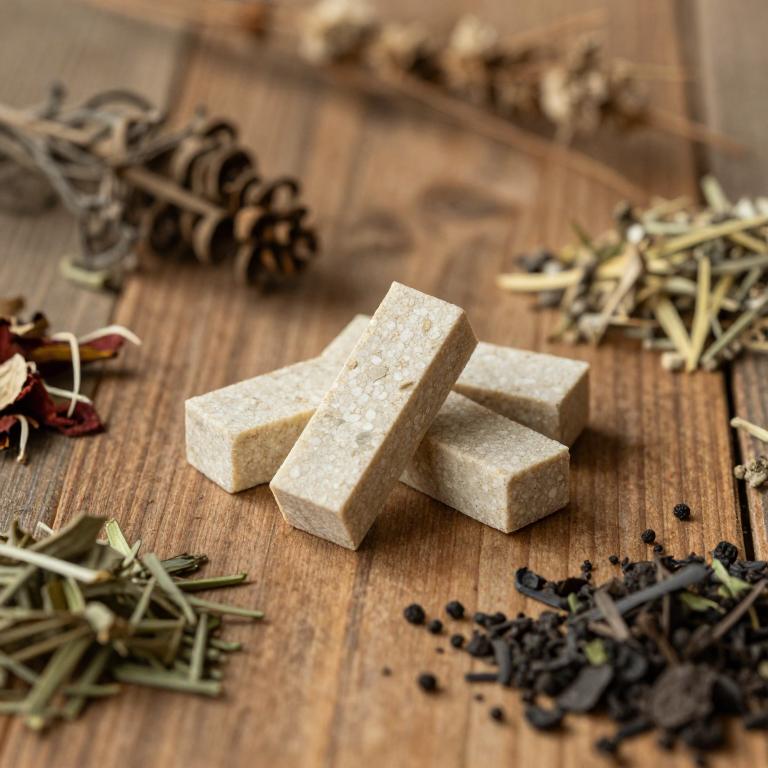
Achillea millefolium, commonly known as yarrow, is a traditional herbal remedy that has been used for its anti-inflammatory and antiviral properties.
When formulated into lozenges, it may offer a convenient and targeted approach for managing symptoms associated with shingles, such as pain and inflammation. These lozenges are often made with natural ingredients that support immune function and may help reduce the duration and severity of shingles outbreaks. While they are not a substitute for antiviral medications prescribed by a healthcare provider, they can complement conventional treatments.
As with any herbal supplement, it is important to consult a healthcare professional before use, especially for individuals with existing medical conditions or those taking other medications.
3. Echinacea (Echinacea purpurea)
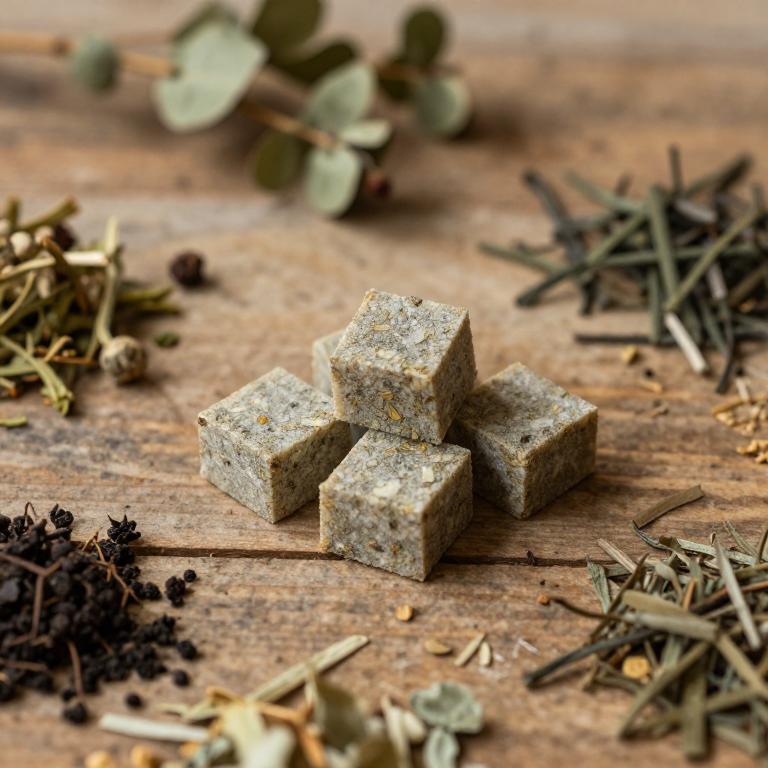
Echinacea purpurea herbal lozenges are often used as a complementary therapy to support the body's natural defenses during a shingles outbreak.
These lozenges contain extracts from the purple coneflower, which is known for its immune-boosting properties. While they are not a cure for shingles, they may help reduce the severity and duration of symptoms by enhancing immune response. Some studies suggest that echinacea can shorten the duration of viral infections, potentially offering relief for those suffering from shingles.
However, it is important to consult a healthcare provider before using echinacea, especially for individuals with autoimmune conditions or those taking other medications.
4. Ginger (Zingiber officinale)
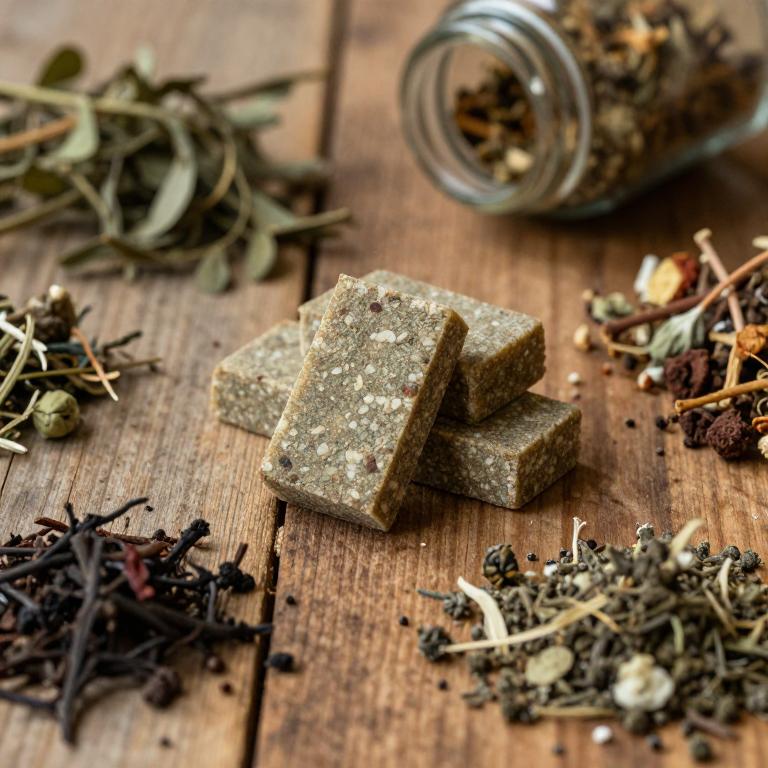
Zingiber officinale, commonly known as ginger, has been traditionally used for its anti-inflammatory and analgesic properties, making it a potential natural remedy for managing symptoms of shingles.
Ginger herbal lozenges may help alleviate the pain and discomfort associated with shingles by reducing inflammation and supporting the body's immune response. These lozenges are often made from dried ginger root and are easy to incorporate into a daily routine for symptomatic relief. While they are not a cure for shingles, they can complement conventional treatments and provide soothing effects on the throat and mouth.
It is important to consult a healthcare provider before using ginger lozenges, especially for individuals with allergies or those taking medications.
5. Salvia (Salvia officinalis)
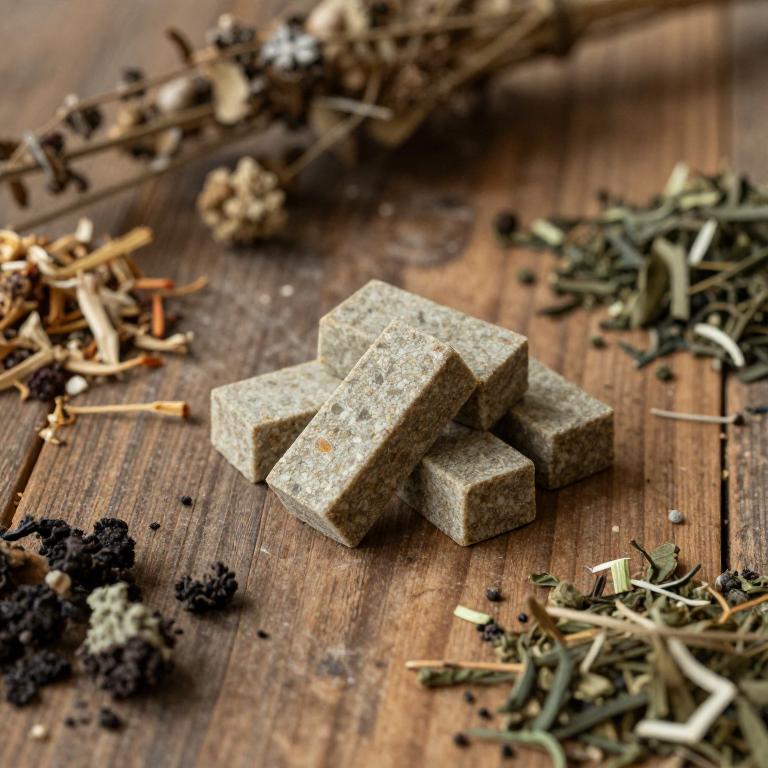
Salvia officinalis, commonly known as sage, has been traditionally used for its antimicrobial and anti-inflammatory properties, making it a potential candidate for herbal lozenges aimed at alleviating symptoms of shingles.
These lozenges may help reduce oral discomfort and inflammation associated with the condition, though they are not a substitute for antiviral medications prescribed by healthcare professionals. While some studies suggest that sage may support immune function, more research is needed to confirm its efficacy in treating shingles specifically. Herbal lozenges containing salvia officinalis can be a complementary option for individuals seeking natural relief alongside conventional treatments.
As with any herbal remedy, it is important to consult a healthcare provider before use, especially for those with underlying health conditions or taking other medications.
6. Camellia (Camellia sinensis)
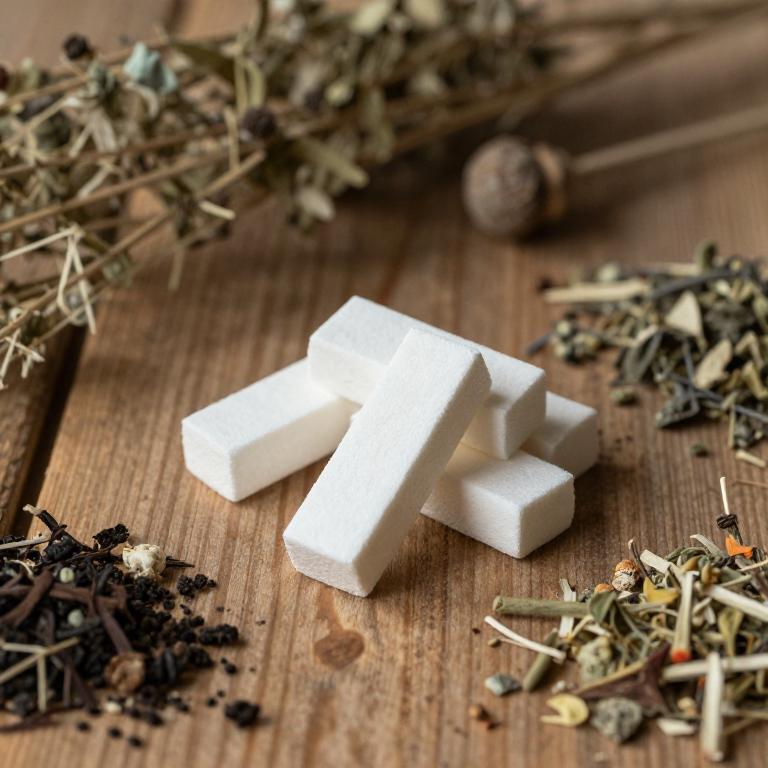
Camellia sinensis herbal lozenges are traditionally used to support immune function and may offer potential benefits for individuals experiencing shingles, a viral infection caused by the varicella-zoster virus.
These lozenges, derived from the leaves of the Camellia sinensis plant, contain antioxidants and polyphenols that may help reduce inflammation and boost the body’s natural defenses. While they are not a cure for shingles, some studies suggest that compounds in green tea, such as epigallocatechin gallate (EGCG), may have antiviral properties that could aid in managing symptoms. However, it is important to consult a healthcare professional before using these lozenges as a complementary therapy for shingles, as they should not replace prescribed antiviral medications.
Overall, Camellia sinensis lozenges may support overall wellness during a shingles outbreak but should be used in conjunction with medical advice.
7. Chaste tree (Vitex agnus-castus)
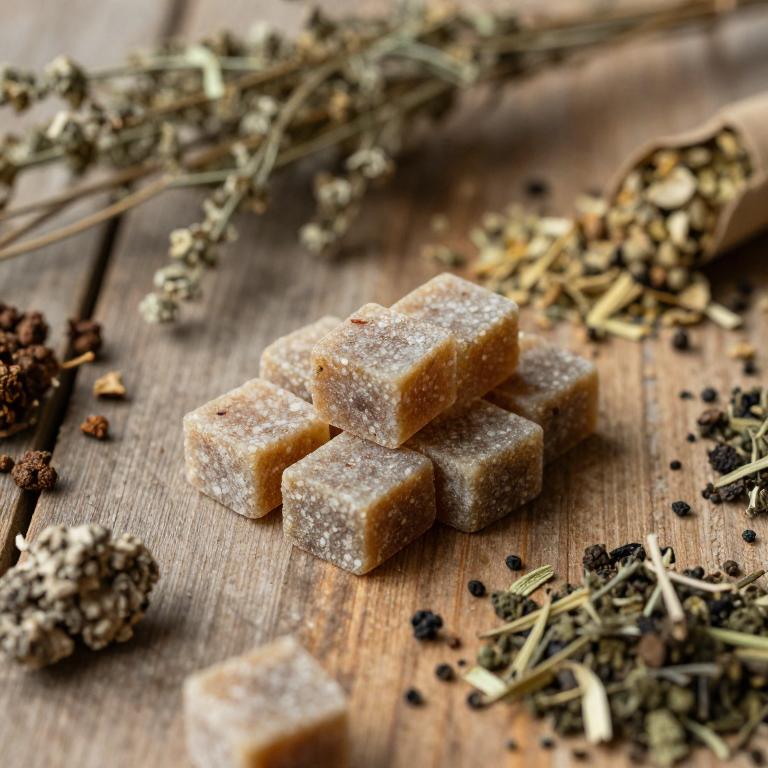
Vitex agnus-castus, commonly known as chaste tree, has been traditionally used in herbal medicine for its potential therapeutic effects.
Herbal lozenges containing Vitex agnus-castus may support immune function and reduce inflammation, which are important factors in managing shingles. While not a substitute for antiviral medications, these lozenges may complement conventional treatments by alleviating symptoms such as pain and discomfort. The use of Vitex agnus-castus lozenges should be discussed with a healthcare provider to ensure safety and appropriateness for individual health conditions.
Overall, these lozenges offer a natural approach to supporting recovery from shingles when used as part of a comprehensive treatment plan.
8. Rosemary (Rosmarinus officinalis)
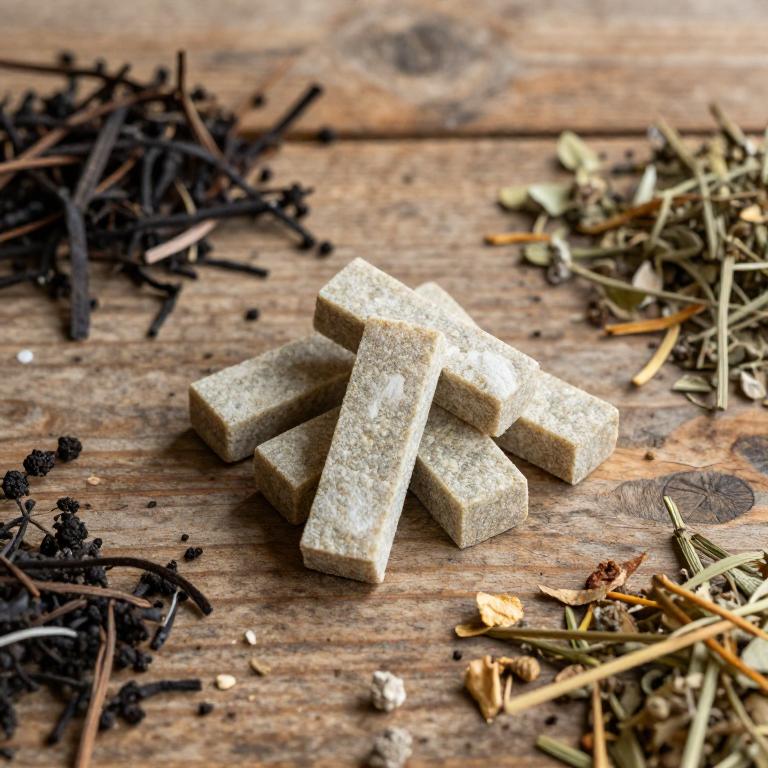
Rosmarinus officinalis, commonly known as rosemary, is a fragrant herb that has been traditionally used for its medicinal properties, including its potential antiviral and anti-inflammatory effects.
Rosemary herbal lozenges are formulated to provide soothing relief for individuals suffering from shingles, a painful rash caused by the varicella-zoster virus. These lozenges may help alleviate oral and throat discomfort associated with shingles, though they are not a cure for the condition. The essential oils in rosemary are believed to support immune function and may help reduce the severity of symptoms when used as part of a comprehensive treatment plan.
While they can be a complementary option, it is important to consult a healthcare professional for proper diagnosis and treatment of shingles.
9. Stinging nettle (Urtica dioica)
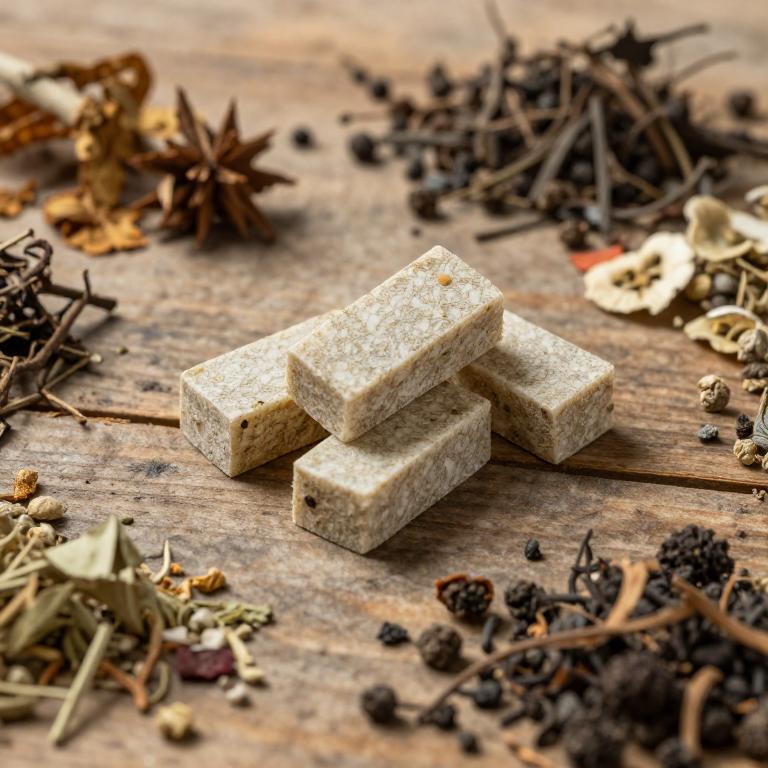
Urtica dioica, commonly known as stinging nettle, is a herb that has been traditionally used for its anti-inflammatory and analgesic properties.
Urtica dioica herbal lozenges are formulated to provide relief from the symptoms of shingles, including pain, itching, and inflammation. These lozenges work by supporting the body's natural healing processes and may help reduce the severity and duration of the outbreak. They are often used as a complementary therapy alongside conventional treatments for shingles.
However, it is important to consult with a healthcare provider before using these lozenges, especially if you have underlying health conditions or are taking other medications.
10. Chamomile (Matricaria chamomilla)
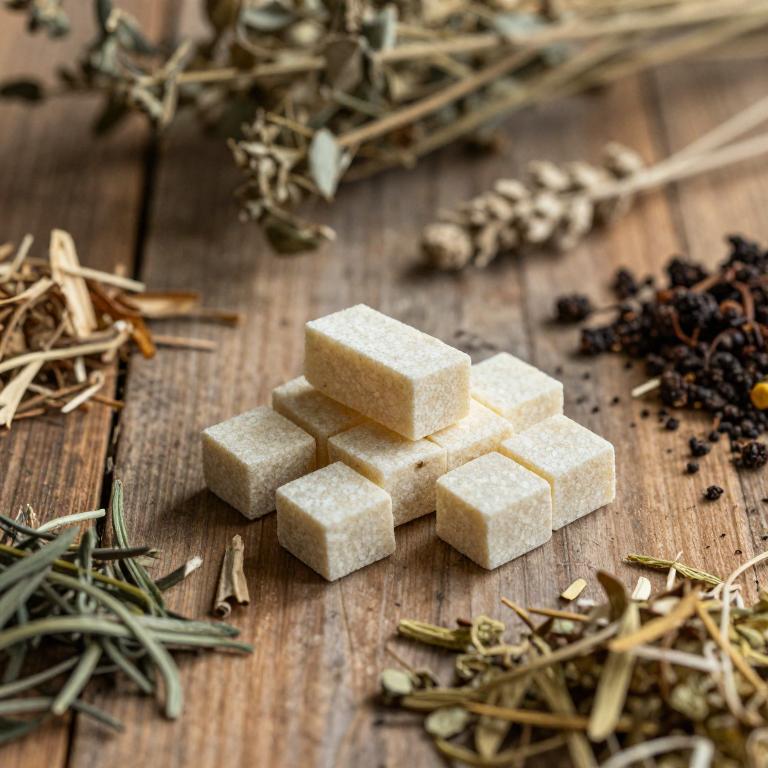
Matricaria chamomilla, commonly known as chamomile, is a herbal remedy often used for its calming and anti-inflammatory properties.
Chamomile lozenges may offer relief for individuals experiencing the pain and discomfort associated with shingles, a viral infection caused by the varicella-zoster virus. While not a cure for shingles, these lozenges can help soothe sore throat symptoms and reduce inflammation in the affected areas. However, it is important to consult a healthcare provider before using chamomile lozenges, especially if you are taking other medications or have underlying health conditions.
Overall, chamomile lozenges can be a complementary therapy to support symptom management during a shingles outbreak.