10 Best Herbal Capsules For Shingles
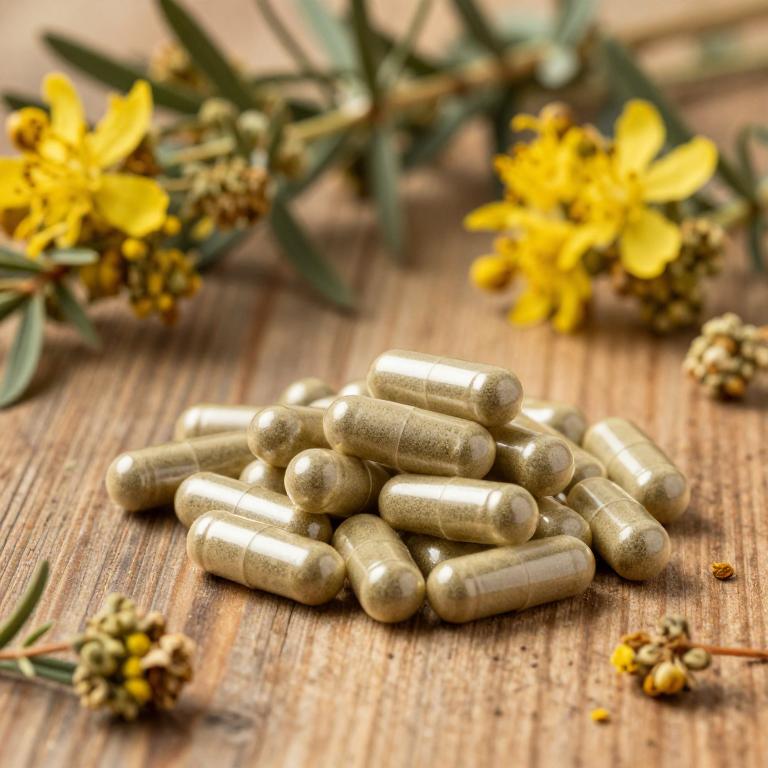
Herbal capsules for shingles are increasingly being used as a complementary approach to manage the symptoms of shingles, a viral infection caused by the varicella-zoster virus.
These capsules typically contain a blend of natural ingredients such as echinacea, turmeric, ginger, and licorice root, which are believed to have anti-inflammatory, antiviral, and immune-boosting properties. Some herbal formulations may also include vitamin B12 or other nutrients to support nerve health, as shingles often involves nerve pain. While they are not a substitute for antiviral medications prescribed by healthcare professionals, herbal capsules may help alleviate pain, reduce inflammation, and support the body's healing process.
It is important to consult with a healthcare provider before using herbal supplements to ensure safety and effectiveness, especially for individuals with pre-existing conditions or those taking other medications.
Table of Contents
- 1. St. john's wort (Hypericum perforatum)
- 2. Echinacea (Echinacea purpurea)
- 3. Ginger (Zingiber officinale)
- 4. Chaste tree (Vitex agnus-castus)
- 5. Mountain arnica (Arnica montana)
- 6. Monkshood (Aconitum napellus)
- 7. Aloe vera (Aloe barbadensis)
- 8. Camellia (Camellia sinensis)
- 9. Dog rose (Rosa canina)
- 10. German chamomile (Chamomilla recutita)
1. St. john's wort (Hypericum perforatum)
Hypericum perforatum, commonly known as St. John's Wort, is a herbal remedy that has been traditionally used for its potential anti-inflammatory and analgesic properties.
While it is well-known for its use in treating mild to moderate depression, some studies suggest it may also offer benefits for managing the pain and inflammation associated with shingles, a viral infection caused by the varicella-zoster virus. Herbal capsules containing Hypericum perforatum are often taken orally, and they may help reduce the duration and severity of shingles symptoms when used in conjunction with conventional treatments. However, it is important to note that St. John's Wort can interact with various medications, including anticonvulsants, antidepressants, and birth control pills, so it should be used under the guidance of a healthcare professional.
Despite its potential, more research is needed to fully understand its efficacy and safety for shingles treatment.
2. Echinacea (Echinacea purpurea)
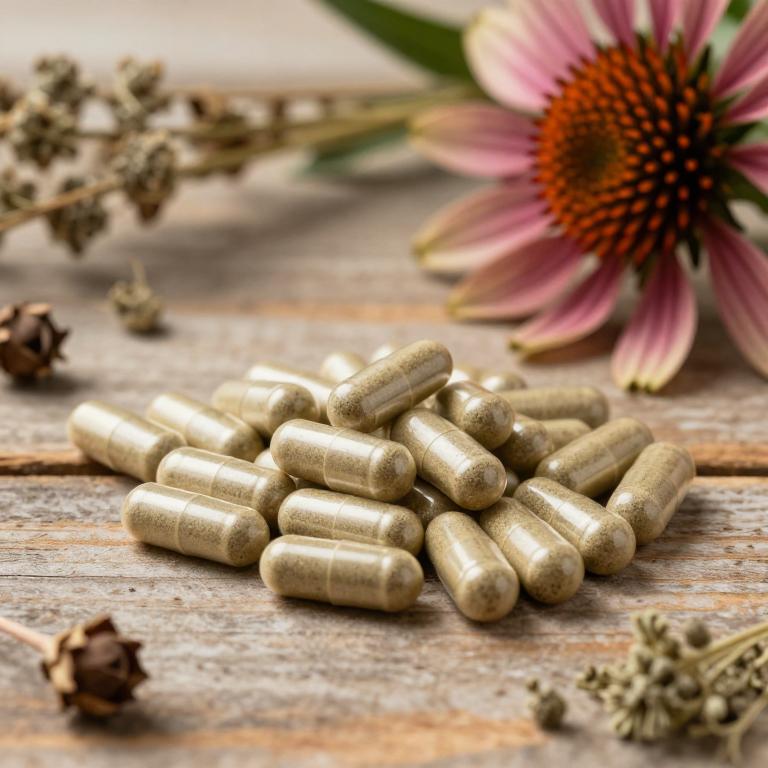
Echinacea purpurea herbal capsules are commonly used as a complementary therapy for shingles, a painful rash caused by the varicella-zoster virus.
While scientific evidence supporting its effectiveness for shingles is limited, some studies suggest that echinacea may help boost the immune system, potentially reducing the severity and duration of the illness. These capsules are typically made from the dried flowers and roots of the echinacea plant, and they are often taken in capsule form for convenience and consistency. Although generally considered safe for most people, echinacea can cause allergic reactions in those sensitive to plants in the daisy family.
It is important to consult a healthcare provider before using echinacea, especially if you are taking other medications or have underlying health conditions.
3. Ginger (Zingiber officinale)
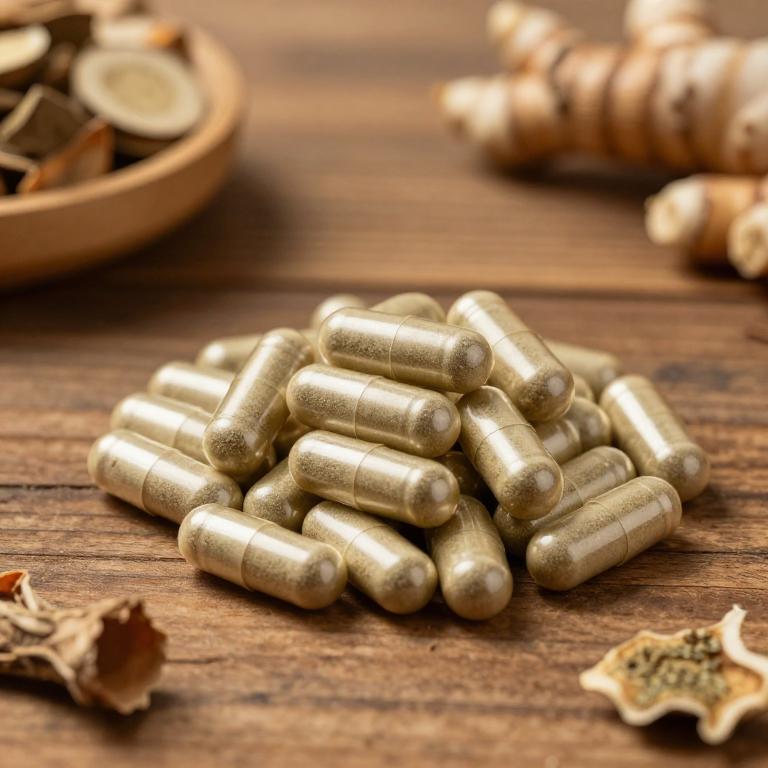
Zingiber officinale, commonly known as ginger, is a popular herbal remedy that has been traditionally used for its anti-inflammatory and analgesic properties.
When formulated into herbal capsules, zingiber officinale may offer potential relief for individuals suffering from shingles, a viral infection caused by the varicella-zoster virus. The active compounds in ginger, such as gingerol and shogaol, are believed to help reduce pain and inflammation associated with shingles by inhibiting inflammatory pathways in the body. While scientific evidence supporting its effectiveness for shingles is limited, some studies suggest that ginger may complement conventional treatments in managing symptoms.
As with any herbal supplement, it is advisable to consult a healthcare professional before incorporating zingiber officinale capsules into a treatment regimen for shingles.
4. Chaste tree (Vitex agnus-castus)
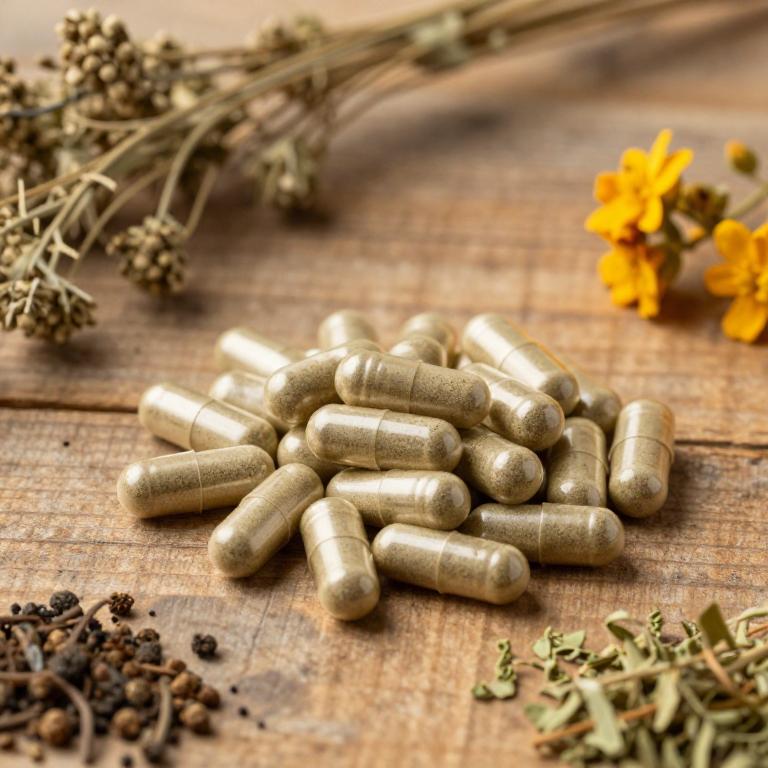
Vitex agnus-castus, commonly known as chasteberry, is an herbal remedy that has been traditionally used to support hormonal balance and may offer potential benefits for conditions related to stress and inflammation.
While it is not a direct treatment for shingles, some studies suggest that its anti-inflammatory and antiviral properties might help reduce the severity of symptoms associated with the condition. Vitex agnus-castus herbal capsules are often used as a complementary therapy to support the body's natural healing processes during a shingles outbreak. It is important to consult with a healthcare provider before using this herb, especially if you are taking other medications or have underlying health conditions.
As with any herbal supplement, individual responses may vary, and it should not replace conventional medical treatments for shingles.
5. Mountain arnica (Arnica montana)
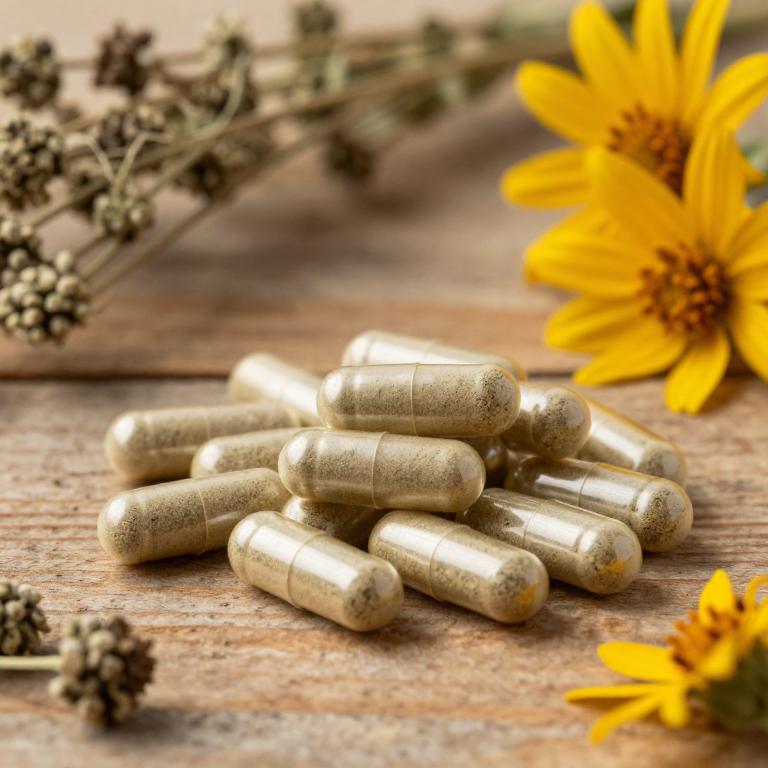
Arnica montana herbal capsules are commonly used as a natural remedy to support the healing process in individuals suffering from shingles, a viral infection caused by the varicella-zoster virus.
These capsules contain standardized extracts of Arnica montana, which is known for its anti-inflammatory and analgesic properties, potentially helping to reduce pain and inflammation associated with shingles. While not a cure for shingles, Arnica montana may aid in alleviating symptoms and promoting skin healing when used as part of a comprehensive treatment plan. It is important to consult with a healthcare provider before using Arnica montana, especially for those with sensitive skin or taking other medications.
As a complementary therapy, Arnica montana herbal capsules can be a valuable option for those seeking natural relief from shingles discomfort.
6. Monkshood (Aconitum napellus)

Aconitum napellus, commonly known as monkshood, is a traditional herbal remedy that has been used in homeopathic treatments for various conditions, including shingles.
When prepared as homeopathic capsules, Aconitum napellus is believed to help alleviate the intense pain and burning sensations associated with shingles, particularly in the early stages of the condition. It is often recommended for cases where the symptoms are sudden, severe, and accompanied by anxiety or restlessness. The remedy is typically diluted and potentized according to homeopathic principles, making it safe for use under the guidance of a qualified practitioner.
While it is not a substitute for conventional medical treatment, some individuals find relief from using Aconitum napellus as a complementary approach to manage shingles symptoms.
7. Aloe vera (Aloe barbadensis)
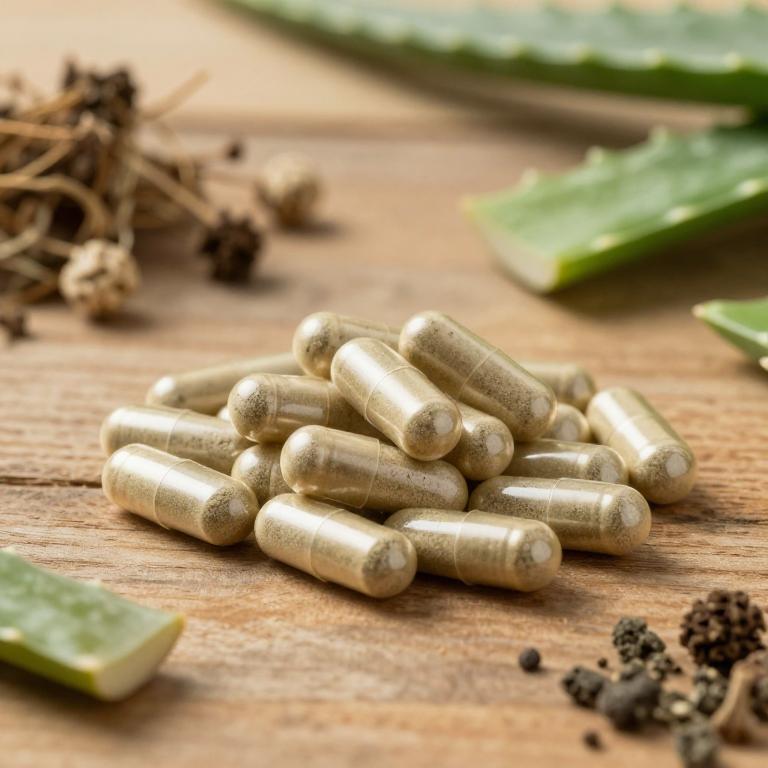
Aloe barbadensis, commonly known as aloe vera, is often used in herbal capsules for its potential therapeutic properties, including anti-inflammatory and skin-soothing benefits.
When used for shingles, aloe vera capsules may help reduce the severity of symptoms such as pain, itching, and inflammation associated with the condition. Although there is limited clinical evidence specifically supporting its efficacy for shingles, some studies suggest that aloe vera may support the immune system and promote healing. It is typically recommended as a complementary therapy rather than a primary treatment, and should be used alongside conventional medical care.
As with any herbal supplement, it is important to consult with a healthcare provider before starting aloe vera capsules, especially for individuals with pre-existing medical conditions or those taking other medications.
8. Camellia (Camellia sinensis)
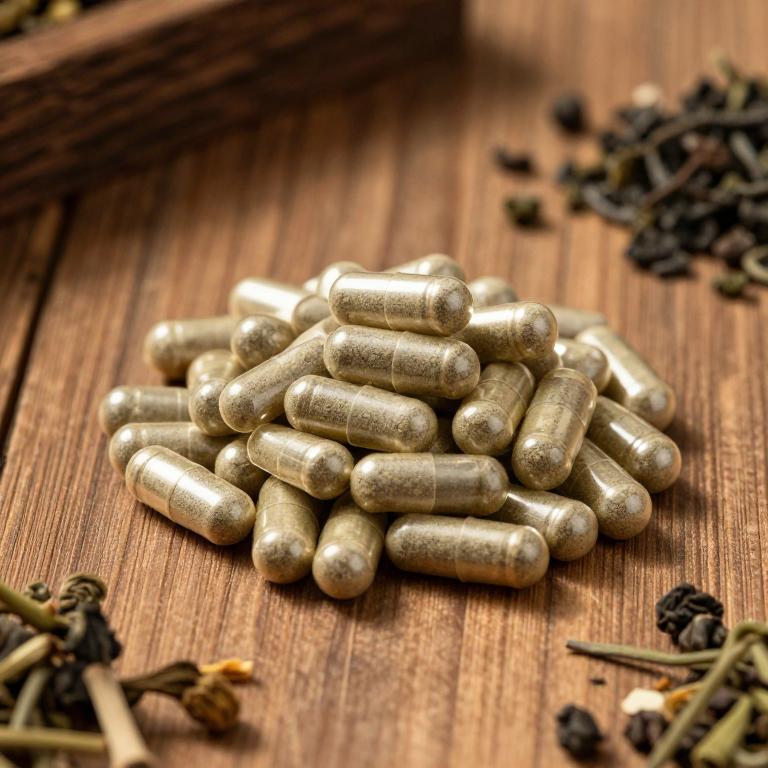
Camellia sinensis, the plant from which green tea is derived, has been explored for its potential benefits in managing shingles, a painful rash caused by the varicella-zoster virus.
While there is no strong scientific evidence that Camellia sinensis herbal capsules directly treat shingles, some studies suggest that its antioxidants and anti-inflammatory compounds may support the immune system and reduce inflammation. These capsules are often marketed as a complementary therapy to help alleviate symptoms such as pain and nerve sensitivity associated with shingles. However, it is important to consult a healthcare provider before using them, as they should not replace conventional treatments like antiviral medications.
Overall, Camellia sinensis may offer some supportive benefits, but its efficacy for shingles remains inconclusive and requires further research.
9. Dog rose (Rosa canina)
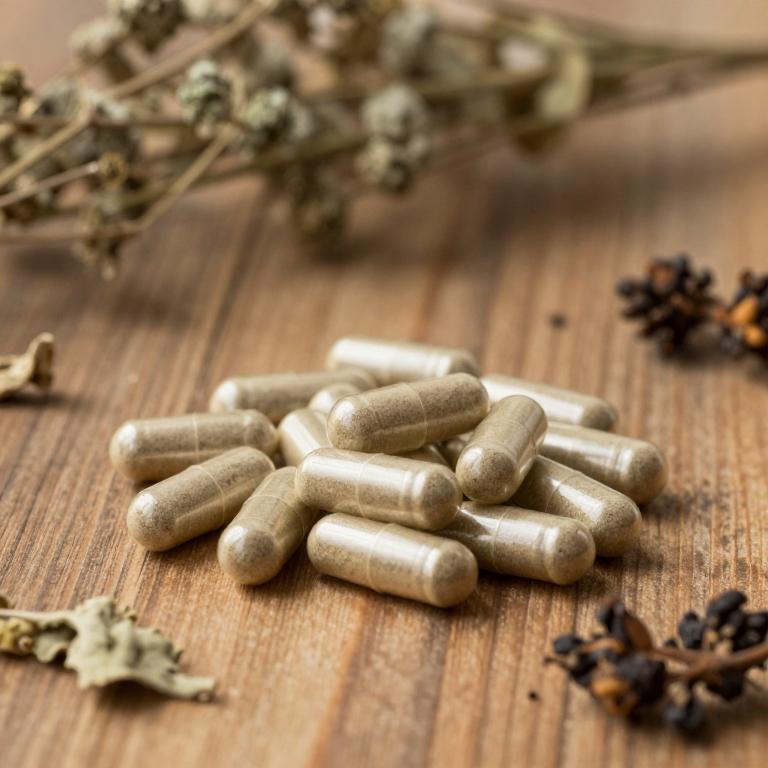
Rosa canina, also known as rosehip, is a traditional herbal remedy that has been used for centuries to support immune function and reduce inflammation.
Rosa canina herbal capsules are often recommended as a natural supplement for individuals experiencing shingles, a viral infection caused by the varicella-zoster virus. These capsules are believed to help alleviate symptoms such as pain, itching, and inflammation associated with shingles due to their high concentration of antioxidants and anti-inflammatory compounds. The active components in rosehip, including vitamin C and polyphenols, may contribute to boosting the immune system and promoting skin healing.
However, it is important to consult with a healthcare professional before using Rosa canina supplements, especially if you are taking other medications or have underlying health conditions.
10. German chamomile (Chamomilla recutita)
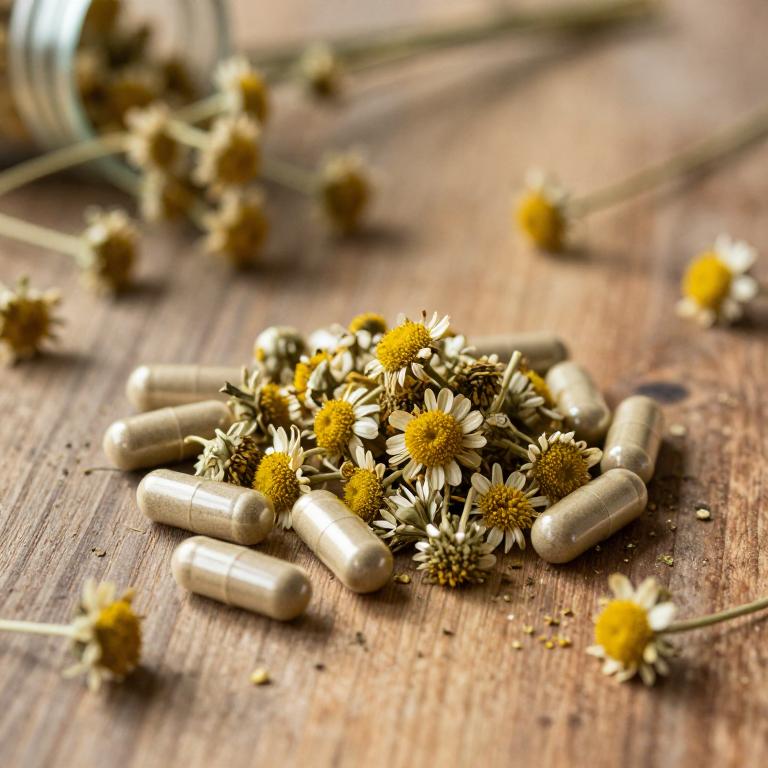
Chamomilla recutita herbal capsules are commonly used as a complementary therapy for managing the symptoms of shingles, a viral infection caused by the varicella-zoster virus.
These capsules contain the dried flower heads of the chamomile plant, which are known for their anti-inflammatory and analgesic properties. Some studies suggest that chamomile may help reduce pain and inflammation associated with shingles, though more research is needed to confirm its efficacy. It is often recommended to use chamomile in conjunction with conventional antiviral treatments prescribed by a healthcare provider.
As with any herbal supplement, it is important to consult a healthcare professional before use, especially for individuals with allergies or those taking other medications.