10 Best Herbal Lozenges For Psoriasis
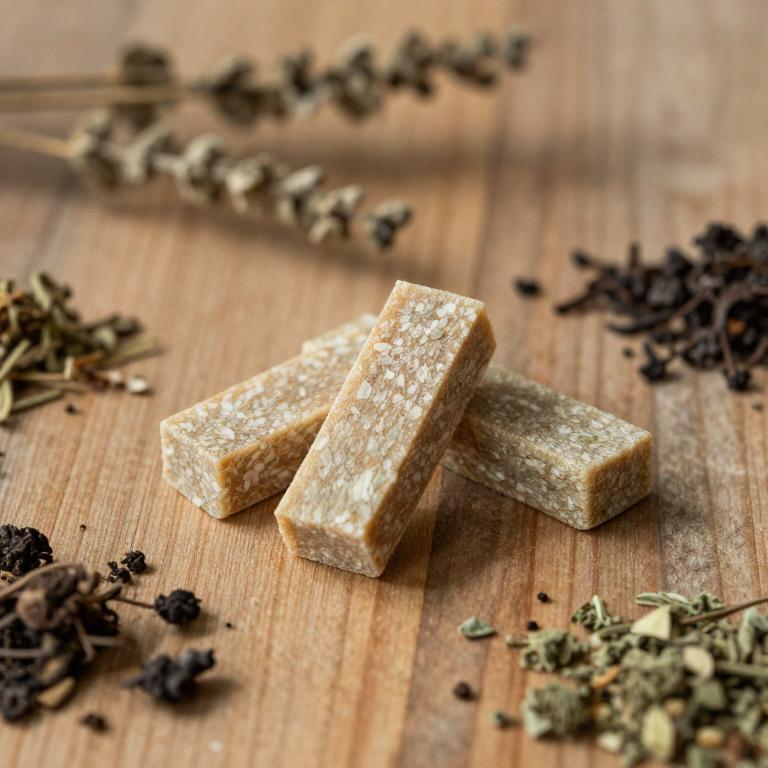
Herbal lozenges for psoriasis are natural remedies that may help alleviate symptoms such as itching, inflammation, and dryness associated with the condition.
These lozenges often contain ingredients like aloe vera, chamomile, and licorice root, which are known for their anti-inflammatory and soothing properties. While they are not a cure for psoriasis, they can serve as a complementary therapy to support conventional treatments. Some individuals may find relief from using herbal lozenges as they help moisturize the mouth and reduce discomfort from oral complications related to psoriasis.
However, it is important to consult a healthcare provider before using these products to ensure they are safe and appropriate for individual health needs.
Table of Contents
- 1. St. john's wort (Hypericum perforatum)
- 2. Stinging nettle (Urtica dioica)
- 3. Salvia (Salvia officinalis)
- 4. Echinacea (Echinacea purpurea)
- 5. Aloe vera (Aloe barbadensis)
- 6. Blessed thistle (Cnicus benedictus)
- 7. Dog rose (Rosa canina)
- 8. Turmeric (Curcuma longa)
- 9. Wormwood (Artemisia vulgaris)
- 10. Cancer bush (Sutherlandia frutescens)
1. St. john's wort (Hypericum perforatum)
Hypericum perforatum, commonly known as St. John's Wort, is a herbal remedy that has been traditionally used for its anti-inflammatory and antioxidant properties.
While it is well-known for its potential benefits in treating mild depression, recent studies suggest it may also have a role in managing symptoms of psoriasis due to its ability to reduce skin inflammation and modulate immune responses. Hypericum perforatum herbal lozenges are formulated to deliver a concentrated dose of the herb, making them a convenient option for individuals seeking natural relief from psoriasis-related discomfort. These lozenges may help alleviate redness, scaling, and itching associated with psoriasis, though they should be used under the guidance of a healthcare professional.
It is important to note that St. John's Wort can interact with various medications, so consulting a physician before use is strongly recommended.
2. Stinging nettle (Urtica dioica)
Urtica dioica, commonly known as stinging nettle, has been traditionally used for its anti-inflammatory and detoxifying properties, making it a potential candidate for herbal lozenges aimed at alleviating symptoms of psoriasis.
These lozenges are formulated to provide a convenient and targeted delivery of stinging nettle extract, which may help reduce skin inflammation and irritation associated with psoriasis. While scientific evidence supporting its efficacy for psoriasis is limited, some studies suggest that compounds in Urtica dioica may modulate immune responses and reduce oxidative stress, both of which are implicated in psoriatic inflammation. As a complementary therapy, Urtica dioica lozenges may be considered alongside conventional treatments, though consultation with a healthcare provider is recommended to ensure safety and appropriateness.
Overall, these lozenges offer a natural approach to managing psoriasis symptoms, though more research is needed to fully establish their therapeutic benefits.
3. Salvia (Salvia officinalis)
Salvia officinalis, commonly known as sage, has been traditionally used for its anti-inflammatory and antimicrobial properties, making it a potential candidate for herbal lozenges aimed at managing psoriasis symptoms.
These lozenges may help reduce inflammation in the mouth and throat, which can often accompany psoriasis-related complications. While psoriasis primarily affects the skin, some individuals may experience oral manifestations, and sage-based lozenges could offer localized relief. However, it is important to note that salvia officinalis should not replace conventional treatments for psoriasis and should be used under the guidance of a healthcare professional.
Further clinical research is needed to fully understand the efficacy and safety of sage lozenges in the context of psoriasis management.
4. Echinacea (Echinacea purpurea)
Echinacea purpurea herbal lozenges are commonly used as a natural remedy to support immune function and may offer potential benefits for individuals with psoriasis.
While psoriasis is a chronic autoimmune condition characterized by skin inflammation and scaling, some studies suggest that echinacea may help reduce inflammation and enhance the body's defense mechanisms. These lozenges typically contain standardized extracts of Echinacea purpurea, which are believed to have antiviral, antibacterial, and immunomodulatory properties. However, it is important to note that echinacea is not a cure for psoriasis and should be used as a complementary therapy under the guidance of a healthcare professional.
As with any herbal supplement, potential side effects and interactions with other medications should be considered before use.
5. Aloe vera (Aloe barbadensis)
Aloe barbadensis herbal lozenges are a natural remedy that may offer relief for individuals suffering from psoriasis, particularly those experiencing oral or throat-related symptoms.
These lozenges contain aloe vera, which is known for its anti-inflammatory and soothing properties that can help reduce irritation and redness in the mouth and throat. While psoriasis is primarily a skin condition, some studies suggest that aloe vera may support overall immune function and skin health, potentially complementing conventional treatments. However, it is important to consult a healthcare provider before using aloe barbadensis lozenges, as they may interact with other medications or not be suitable for everyone.
Despite their potential benefits, these lozenges should be considered an adjunct to, rather than a replacement for, standard psoriasis treatment plans.
6. Blessed thistle (Cnicus benedictus)
Cnicus benedictus herbal lozenges are a natural supplement derived from the plant commonly known as St. John’s wort, which has been traditionally used for its anti-inflammatory and antioxidant properties.
These lozenges are formulated to support skin health and may help alleviate symptoms associated with psoriasis, such as redness, scaling, and inflammation. The active compounds in Cnicus benedictus, including hypericin and flavonoids, are believed to modulate immune responses and reduce oxidative stress, which are key factors in psoriasis development. While they are not a cure, these lozenges can be used as a complementary therapy alongside conventional treatments to enhance overall skin condition.
As with any herbal supplement, it is advisable to consult a healthcare professional before use, especially for individuals with existing medical conditions or those taking other medications.
7. Dog rose (Rosa canina)
Rosa canina herbal lozenges, derived from the fruit of the rose dogwood plant, are traditionally used to support skin health and alleviate symptoms associated with psoriasis.
These lozenges are rich in vitamin C, antioxidants, and bioflavonoids, which help reduce inflammation and oxidative stress—key factors in psoriasis progression. While not a cure, they may complement conventional treatments by promoting skin healing and improving overall immune function. Some studies suggest that the anti-inflammatory properties of Rosa canina could help manage flare-ups and reduce redness and scaling.
As with any herbal remedy, it is advisable to consult a healthcare professional before incorporating Rosa canina lozenges into a psoriasis management plan.
8. Turmeric (Curcuma longa)
Curcuma longa, commonly known as turmeric, contains curcumin, a bioactive compound with potent anti-inflammatory and antioxidant properties.
Herbal lozenges made from Curcuma longa are being explored as a complementary therapy for psoriasis due to their potential to reduce skin inflammation and oxidative stress. These lozenges may help alleviate symptoms such as redness, scaling, and itching associated with psoriatic lesions. However, while preliminary studies show promise, more clinical research is needed to confirm their efficacy and optimal dosage for psoriasis management.
As with any herbal supplement, it is important to consult a healthcare provider before use, especially for individuals with underlying health conditions or those taking other medications.
9. Wormwood (Artemisia vulgaris)
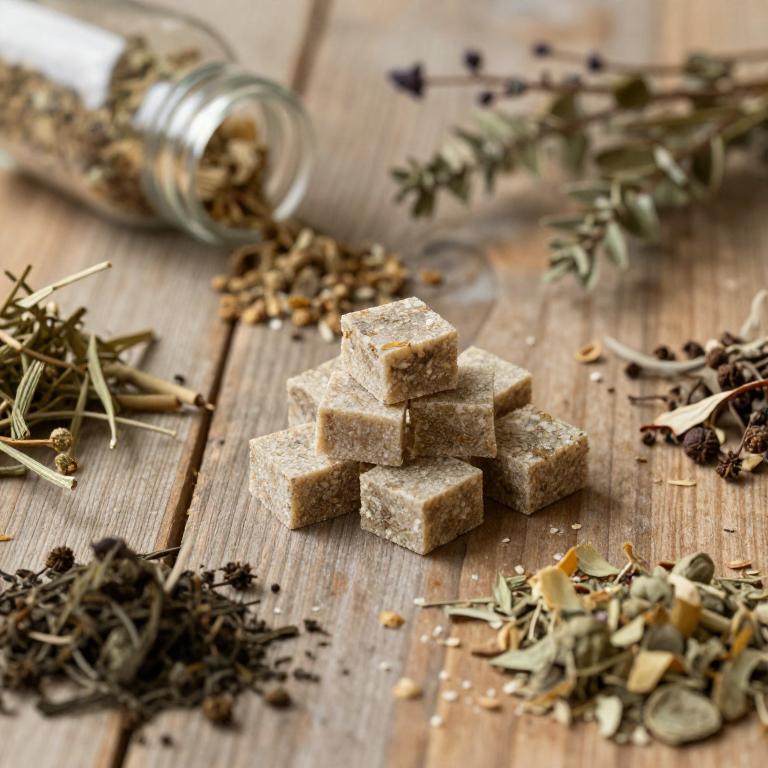
Artemisia vulgaris, commonly known as wormwood, has been traditionally used for its anti-inflammatory and antimicrobial properties, making it a potential candidate for herbal lozenges aimed at managing psoriasis.
These lozenges may help reduce inflammation and support skin healing by modulating immune responses, which are central to psoriasis pathogenesis. While preliminary studies suggest some benefits, more clinical research is needed to confirm their efficacy and safety for psoriasis treatment. Artemisia vulgaris lozenges are typically made from dried plant material and are often combined with other herbs to enhance their therapeutic effects.
As with any herbal remedy, it is important to consult a healthcare professional before using them, especially for individuals with existing medical conditions or those taking other medications.
10. Cancer bush (Sutherlandia frutescens)
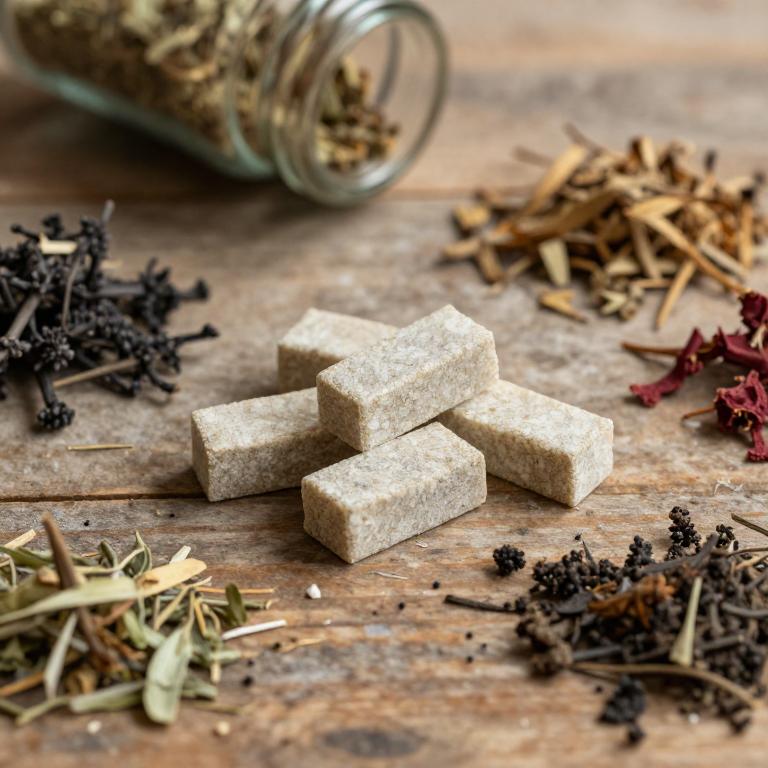
Sutherlandia frutescens, commonly known as cancer bush, is a traditional South African herbal remedy that has gained attention for its potential benefits in managing psoriasis.
Herbal lozenges made from Sutherlandia frutescens are often used to support immune function and reduce inflammation, which are key factors in psoriasis management. These lozenges may help alleviate symptoms such as itching, redness, and skin scaling by modulating the body's inflammatory response. While research on its efficacy for psoriasis is still emerging, some studies suggest that the herb's bioactive compounds may contribute to skin health.
As with any herbal treatment, it is important to consult a healthcare provider before use, especially if you are on other medications or have underlying health conditions.