10 Best Herbal Capsules For Psoriasis
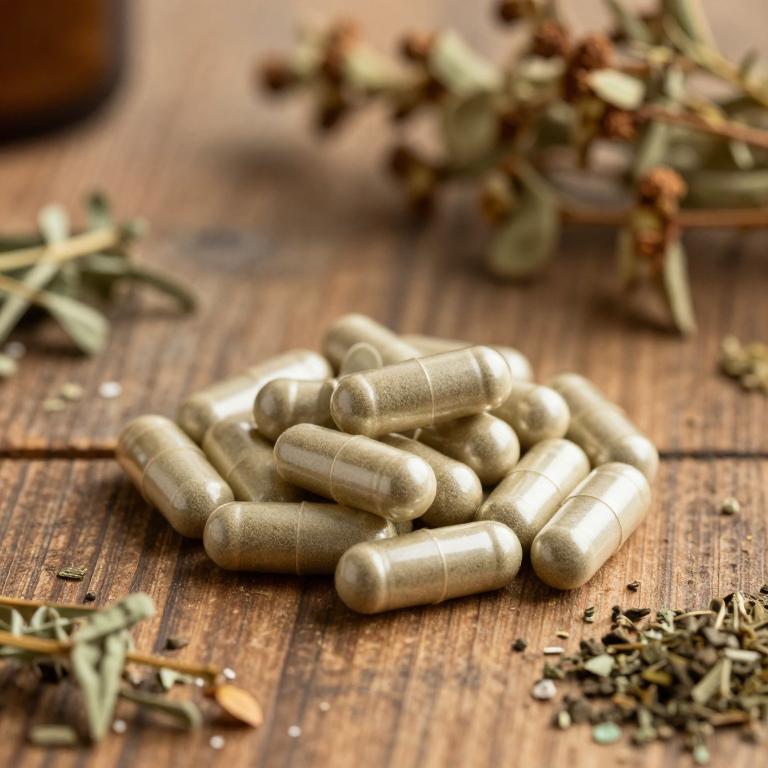
Herbal capsules for psoriasis are increasingly being used as complementary treatments to manage symptoms and reduce inflammation.
These capsules often contain natural ingredients such as turmeric, green tea extract, and chamomile, which are known for their anti-inflammatory and antioxidant properties. Some studies suggest that certain herbs may help modulate the immune system, potentially reducing the severity of psoriasis flare-ups. However, it is important to consult with a healthcare provider before starting any herbal supplement, as they can interact with medications or have side effects.
While herbal capsules may offer some benefits, they should not replace conventional medical treatments without professional guidance.
Table of Contents
- 1. Stinging nettle (Urtica dioica)
- 2. Dandelion (Taraxacum officinale)
- 3. St. john's wort (Hypericum perforatum)
- 4. Turmeric (Curcuma longa)
- 5. Aloe vera (Aloe barbadensis)
- 6. Thistle (Silybum marianum)
- 7. Ginger (Zingiber officinale)
- 8. Echinacea (Echinacea purpurea)
- 9. Ginkgo (Ginkgo biloba)
- 10. Chaste tree (Vitex agnus-castus)
1. Stinging nettle (Urtica dioica)
Urtica dioica, commonly known as stinging nettle, has been traditionally used for its anti-inflammatory and detoxifying properties, making it a potential natural remedy for psoriasis.
Herbal capsules containing Urtica dioica are often formulated to support skin health by reducing inflammation and slowing the rapid growth of skin cells associated with psoriasis. These capsules may help alleviate symptoms such as redness, itching, and scaling, though their effectiveness can vary among individuals. It is important to consult a healthcare provider before using Urtica dioica supplements, especially if you are on other medications or have underlying health conditions.
While some studies suggest possible benefits, more clinical research is needed to fully establish its efficacy for psoriasis treatment.
2. Dandelion (Taraxacum officinale)
Taraxacum officinale, commonly known as dandelion, has been traditionally used in herbal medicine for its anti-inflammatory and detoxifying properties.
Herbal capsules containing Taraxacum officinale are increasingly being explored as a complementary therapy for psoriasis, a chronic autoimmune skin condition characterized by red, scaly plaques. These capsules may help support liver function and reduce systemic inflammation, which are key factors in psoriasis management. While scientific evidence is still emerging, some studies suggest that dandelion may aid in improving skin health and reducing flare-ups when used alongside conventional treatments.
As with any herbal supplement, it is important to consult a healthcare provider before incorporating Taraxacum officinale into a psoriasis treatment regimen.
3. St. john's wort (Hypericum perforatum)
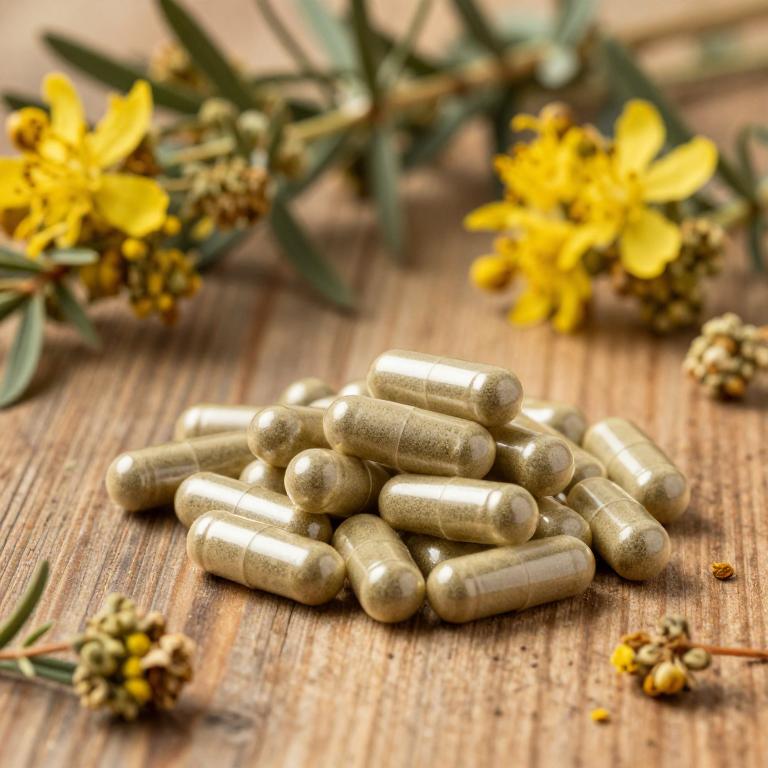
Hypericum perforatum, commonly known as St. John's Wort, is a herbal remedy that has been traditionally used for its potential anti-inflammatory and antioxidant properties.
While it is well-known for its use in treating mild to moderate depression, recent studies suggest it may also have benefits for skin conditions like psoriasis due to its ability to modulate immune responses and reduce inflammation. Herbal capsules containing Hypericum perforatum are often used as a complementary therapy alongside conventional treatments for psoriasis, though they should not replace prescribed medications without medical supervision. The active compounds in Hypericum perforatum, such as hypericin and hyperforin, are believed to contribute to its therapeutic effects on psoriatic skin lesions.
However, it is important to consult a healthcare provider before using these capsules, as they can interact with other medications and may have side effects.
4. Turmeric (Curcuma longa)
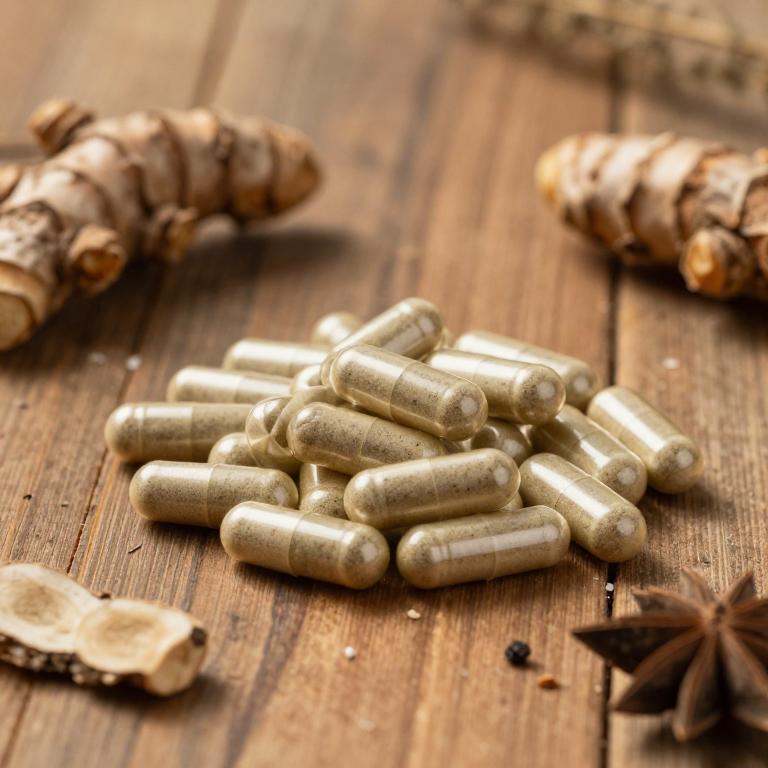
Curcuma longa, commonly known as turmeric, is a popular herbal remedy that has been used for centuries in traditional medicine for its anti-inflammatory and antioxidant properties.
Curcuma longa herbal capsules are often taken as a natural supplement to support skin health and reduce symptoms of psoriasis, a chronic autoimmune condition characterized by red, scaly patches. The active compound in turmeric, curcumin, has been shown in some studies to inhibit inflammatory pathways that contribute to psoriasis flare-ups. However, while some individuals report relief from psoriasis symptoms with curcumin supplementation, more research is needed to fully understand its efficacy and optimal dosage.
It is important to consult a healthcare provider before starting any herbal supplement, especially for those with chronic conditions like psoriasis.
5. Aloe vera (Aloe barbadensis)
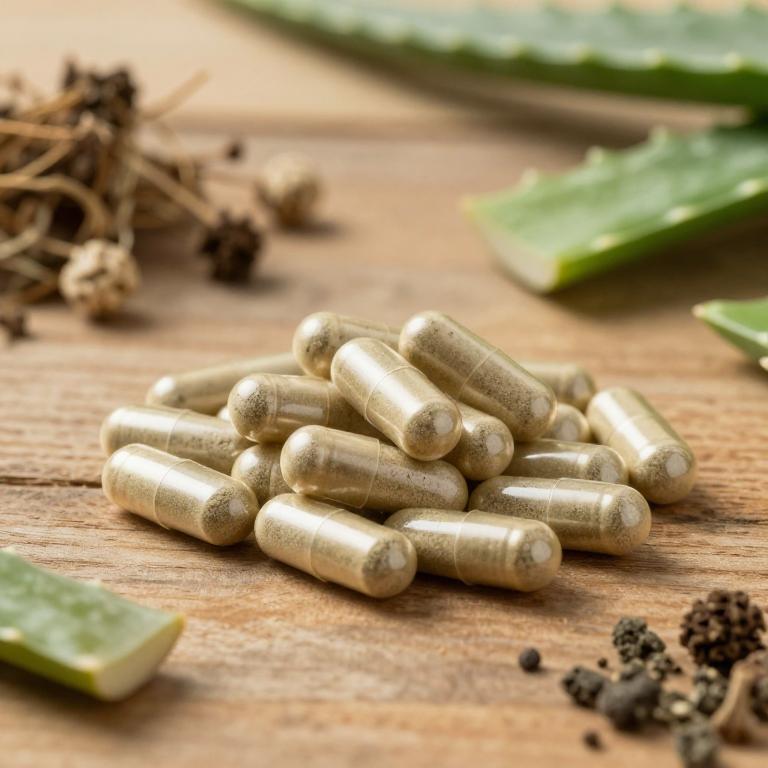
Aloe barbadensis, commonly known as aloe vera, has been traditionally used for its soothing and healing properties, and recent studies suggest it may offer benefits for individuals with psoriasis.
Aloe vera herbal capsules are a convenient and concentrated form of the plant’s gel, which contains anti-inflammatory and antioxidant compounds that may help reduce skin inflammation and irritation associated with psoriasis. These capsules are often used as a complementary therapy alongside conventional treatments, supporting overall skin health and potentially improving the efficacy of other medications. The soothing properties of aloe vera may help alleviate symptoms such as redness, scaling, and itching, providing relief for those suffering from chronic psoriasis flare-ups.
However, it is important to consult a healthcare provider before using aloe vera supplements to ensure they are safe and appropriate for individual health conditions.
6. Thistle (Silybum marianum)
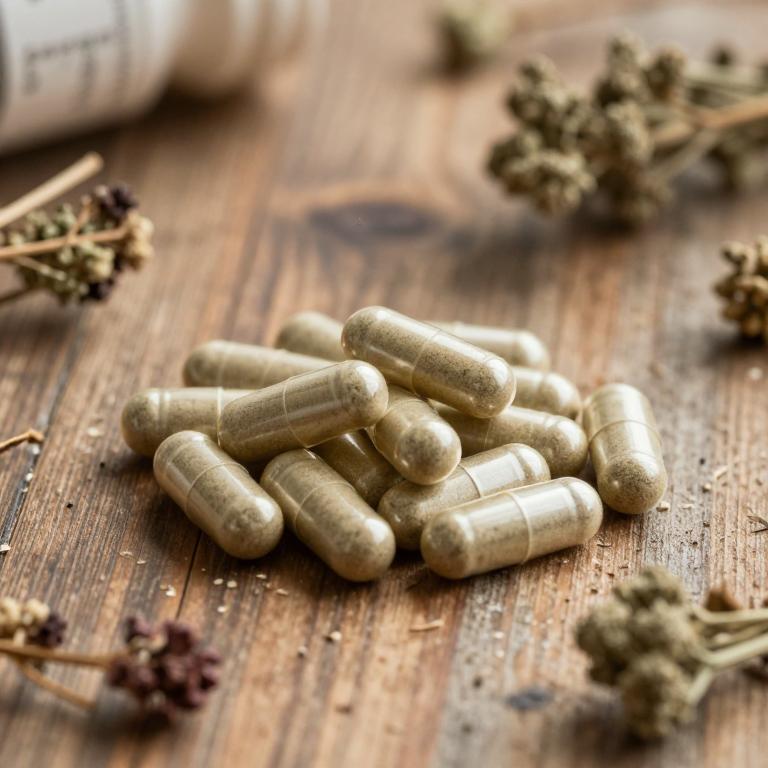
Silybum marianum, also known as milk thistle, is a herbal remedy that has been studied for its potential benefits in managing psoriasis.
The active compound in silybum marianum, silymarin, is believed to have anti-inflammatory and antioxidant properties that may help reduce skin inflammation and oxidative stress associated with psoriasis. Some clinical studies suggest that silymarin may support liver function, which is important for detoxification and overall skin health. While it is not a cure for psoriasis, it may be used as a complementary therapy under the guidance of a healthcare professional.
As with any herbal supplement, it is important to consult a doctor before starting silybum marianum, especially if you are on other medications or have existing health conditions.
7. Ginger (Zingiber officinale)
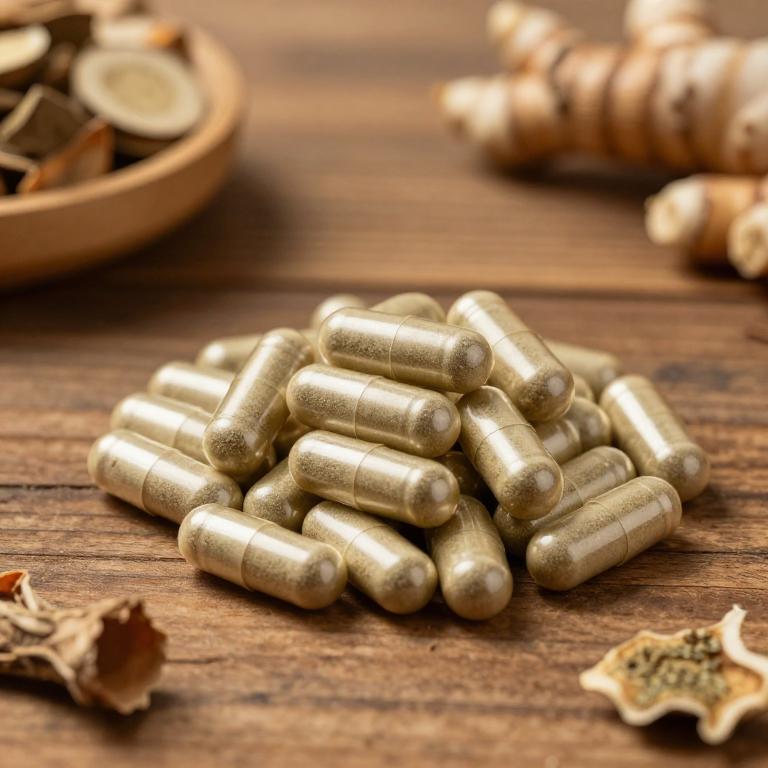
Zingiber officinale, commonly known as ginger, has been traditionally used for its anti-inflammatory and antioxidant properties, making it a potential natural remedy for psoriasis.
Herbal capsules containing zingiber officinale may help reduce inflammation and itching associated with psoriasis by modulating immune responses and inhibiting pro-inflammatory cytokines. Some studies suggest that ginger can support skin health by improving circulation and reducing oxidative stress, which are contributing factors in psoriasis development. However, while ginger is generally considered safe, it should be used as a complementary therapy under the guidance of a healthcare professional, especially when combined with other treatments.
Individuals with psoriasis should consult their doctor before starting any new herbal supplement to ensure it is appropriate for their specific condition.
8. Echinacea (Echinacea purpurea)
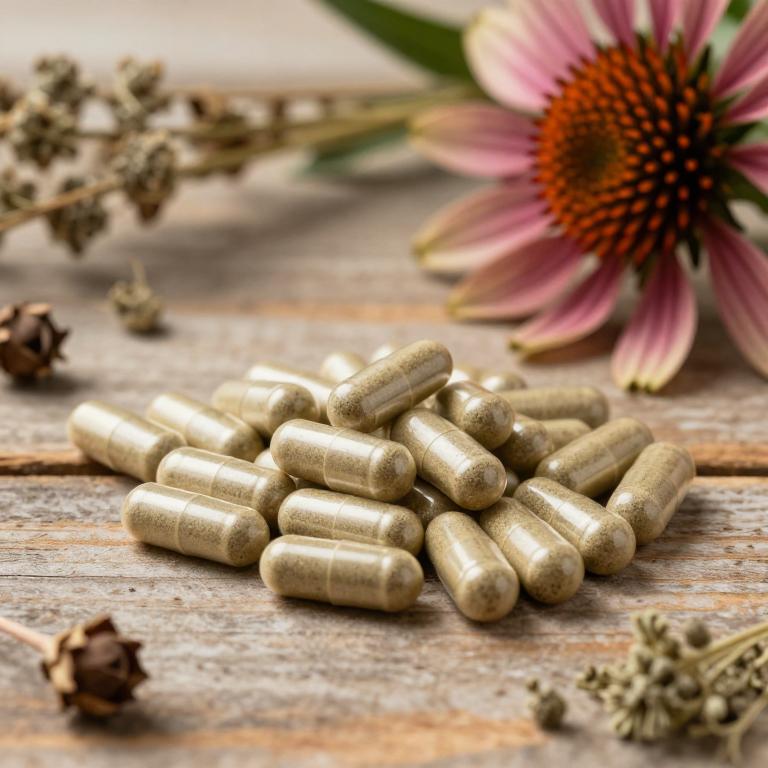
Echinacea purpurea, commonly known as purple coneflower, is a herbal remedy that has been traditionally used to support immune system function and reduce inflammation.
Some studies suggest that echinacea may help modulate the immune response, which could be beneficial for individuals with psoriasis, a chronic autoimmune condition characterized by skin inflammation and rapid cell growth. While there is limited clinical evidence specifically linking echinacea to psoriasis treatment, some anecdotal reports and preliminary research indicate it may help alleviate symptoms when used as part of a holistic approach. Echinacea purpurea herbal capsules are typically made from the dried root and flower of the plant and are available in various formulations; however, it is important to consult with a healthcare provider before using them, especially for those with existing health conditions or taking other medications.
As with any herbal supplement, the safety and efficacy of echinacea for psoriasis can vary, and it should not replace conventional medical treatments without professional guidance.
9. Ginkgo (Ginkgo biloba)
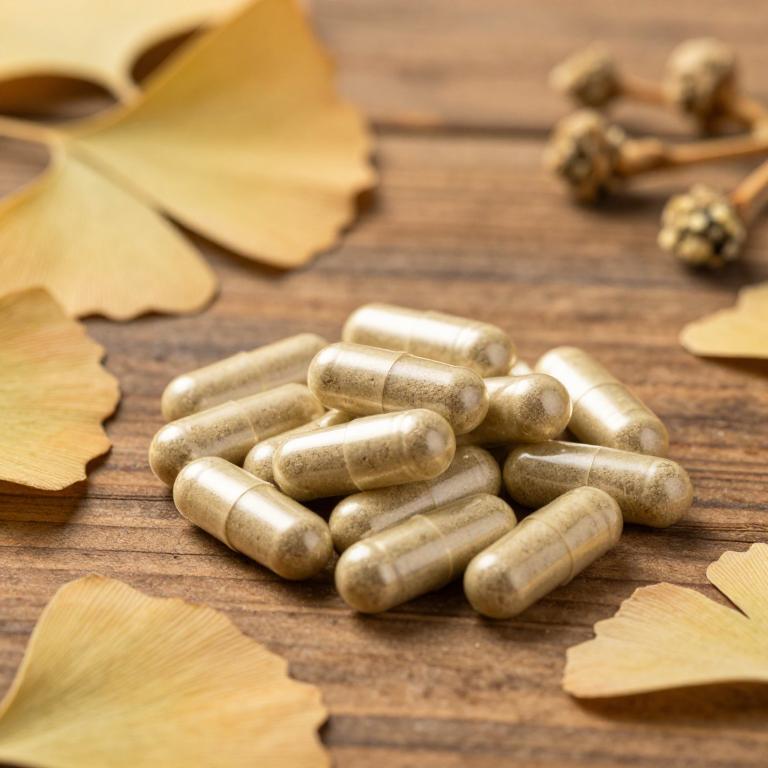
Ginkgo biloba herbal capsules are commonly used as a complementary therapy for psoriasis due to their potential anti-inflammatory and antioxidant properties.
These capsules contain extracts from the leaves of the ginkgo tree, which is known for improving blood circulation and reducing oxidative stress in the body. Some studies suggest that ginkgo biloba may help alleviate psoriasis symptoms by modulating immune responses and reducing skin inflammation. However, it is important to consult with a healthcare provider before using ginkgo biloba, as it can interact with certain medications and may cause side effects in some individuals.
While not a cure, ginkgo biloba may offer supportive benefits when used as part of a comprehensive psoriasis management plan.
10. Chaste tree (Vitex agnus-castus)
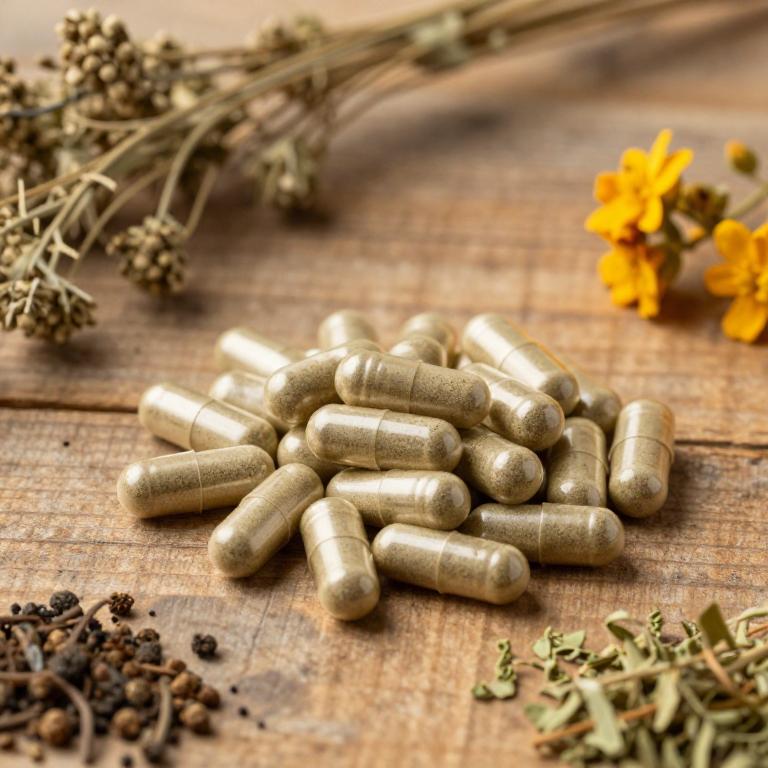
Vitex agnus-castus, commonly known as chaste tree berry, has been traditionally used in herbal medicine for its potential anti-inflammatory and hormonal balancing properties.
Some studies suggest that it may help regulate the immune system, which could be beneficial for managing psoriasis, a chronic autoimmune condition characterized by skin inflammation. While there is limited clinical evidence specifically linking Vitex agnus-castus to psoriasis treatment, it is often used as a complementary therapy to support overall skin health. Herbal capsules containing Vitex agnus-castus are available in various formulations, and they are generally considered safe when used as directed, though they may interact with certain medications.
As with any herbal supplement, it is advisable to consult a healthcare provider before use, especially for individuals with psoriasis or other chronic conditions.