10 Best Herbal Lotions For Prostatitis
Herbal lotions for prostatitis are natural topical treatments that may help alleviate symptoms such as inflammation and discomfort in the pelvic area.
These lotions often contain plant-based ingredients like saw palmetto, garlic, and turmeric, which are known for their anti-inflammatory and antimicrobial properties. While they are not a substitute for medical treatment, some individuals find relief from using these products as part of a holistic approach to managing prostatitis. It is important to consult a healthcare professional before using any herbal remedy to ensure safety and effectiveness.
Proper application and adherence to recommended usage guidelines can enhance the potential benefits of herbal lotions in supporting prostate health.
Table of Contents
- 1. Stinging nettle (Urtica dioica)
- 2. Thistle (Silybum marianum)
- 3. St. john's wort (Hypericum perforatum)
- 4. Turmeric (Curcuma longa)
- 5. Salvia (Salvia officinalis)
- 6. Blessed thistle (Cnicus benedictus)
- 7. Ginger (Zingiber officinale)
- 8. Purple coneflower (Echinacea angustifolia)
- 9. Chaste tree (Vitex agnus-castus)
- 10. Field horsetail (Equisetum arvense)
1. Stinging nettle (Urtica dioica)
Urtica dioica, commonly known as stinging nettle, has been traditionally used in herbal medicine for its anti-inflammatory and detoxifying properties.
Herbal lotions made from Urtica dioica may offer potential benefits for men suffering from prostatitis by reducing inflammation and supporting urinary tract health. These lotions are typically prepared by infusing the fresh or dried leaves of the plant in a carrier oil or water-based solution. While some studies suggest that nettle may help alleviate symptoms of prostatitis, more clinical research is needed to confirm its efficacy and safety.
As with any herbal remedy, it is advisable to consult a healthcare professional before using Urtica dioica lotions for prostatitis.
2. Thistle (Silybum marianum)
Silybum marianum, commonly known as milk thistle, is a herbal remedy that has been traditionally used for its potential anti-inflammatory and antioxidant properties.
Herbal lotions containing silybum marianum are often formulated to support prostate health and may be used as a complementary therapy for prostatitis. These lotions typically contain extracts of the plant's seeds, which are rich in silymarin, a compound believed to have protective effects on liver and prostate tissues. While some studies suggest that silymarin may help reduce inflammation and oxidative stress, more research is needed to confirm its efficacy for prostatitis specifically.
As with any herbal treatment, it is important to consult a healthcare provider before use, especially if you are taking other medications or have underlying health conditions.
3. St. john's wort (Hypericum perforatum)
Hypericum perforatum, commonly known as St. John's Wort, is traditionally used in herbal medicine for its purported anti-inflammatory and antimicrobial properties.
While it is well-known for its use in treating mild depression, some studies suggest it may also have potential benefits for conditions like prostatitis due to its ability to reduce inflammation and inhibit bacterial growth. Herbal lotions made from Hypericum perforatum can be applied topically to the perineal area to help alleviate symptoms such as pain and swelling associated with prostatitis. However, it is important to consult with a healthcare provider before using St. John's Wort, as it can interact with various medications and may not be suitable for everyone.
Despite its traditional use, more clinical research is needed to fully understand its efficacy and safety in treating prostatitis.
4. Turmeric (Curcuma longa)
Curcuma longa, commonly known as turmeric, contains curcumin, a compound with potent anti-inflammatory and antioxidant properties.
Herbal lotions infused with curcuma longa are increasingly being used as a complementary therapy for prostatitis due to their ability to reduce inflammation and oxidative stress in the prostate gland. These lotions can be applied topically to the lower abdomen or perineal area, promoting localized relief and improving blood circulation. While they are not a substitute for medical treatment, they may help alleviate symptoms such as pain and swelling associated with prostatitis.
It is important to consult a healthcare professional before using curcuma longa lotions, especially if combining them with other treatments.
5. Salvia (Salvia officinalis)
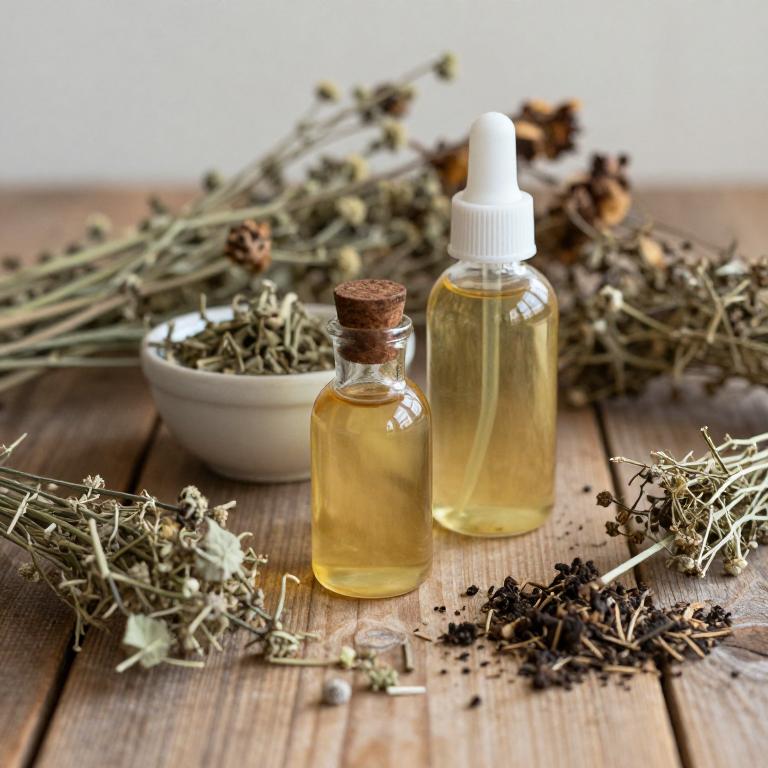
Salvia officinalis, commonly known as sage, has been traditionally used for its anti-inflammatory and antimicrobial properties, making it a potential ingredient in herbal lotions for the treatment of prostatitis.
These lotions may help reduce inflammation and discomfort associated with the condition by leveraging sage's natural compounds such as flavonoids and essential oils. When applied topically, sage-based lotions can provide localized relief and support the body's natural healing processes. However, it is important to consult with a healthcare professional before using such remedies, as prostatitis can have various underlying causes requiring targeted treatment.
While herbal lotions may offer complementary benefits, they should not replace conventional medical care for this condition.
6. Blessed thistle (Cnicus benedictus)

Cnicus benedictus, also known as blessed thorn, is a traditional herbal remedy that has been used in various cultures for its potential therapeutic properties.
Herbal lotions made from Cnicus benedictus are often recommended for their anti-inflammatory and antimicrobial effects, which may support the treatment of prostatitis. These lotions are typically applied topically to the lower abdomen or perineal area to help reduce swelling and discomfort associated with the condition. While more clinical research is needed to fully validate its efficacy, some practitioners believe that the plant's bioactive compounds can contribute to prostate health.
As with any herbal treatment, it is advisable to consult a healthcare professional before use to ensure safety and appropriateness for individual conditions.
7. Ginger (Zingiber officinale)
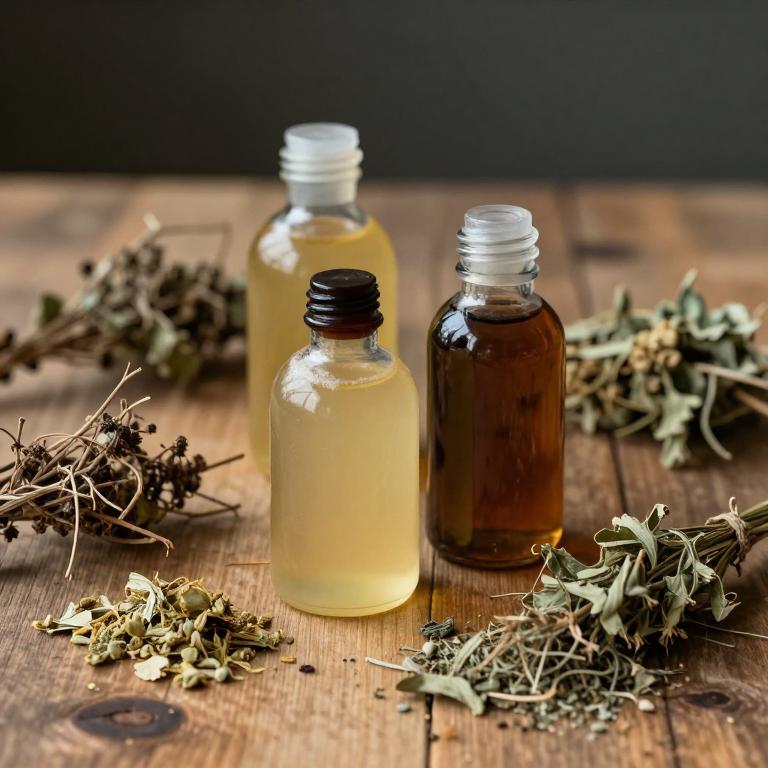
Zingiber officinale, commonly known as ginger, has been traditionally used for its anti-inflammatory and antioxidant properties, making it a potential ingredient in herbal lotions for the management of prostatitis.
These lotions may help reduce inflammation and discomfort associated with prostatitis by leveraging the active compounds in ginger, such as gingerol and shogaol. When applied topically, ginger-based lotions can provide localized relief, potentially improving blood circulation and reducing swelling in the pelvic area. However, while some studies suggest possible benefits, more research is needed to confirm their efficacy and safety for prostatic conditions.
It is advisable to consult a healthcare provider before using any herbal remedies for prostatitis to ensure they are appropriate for individual health conditions.
8. Purple coneflower (Echinacea angustifolia)
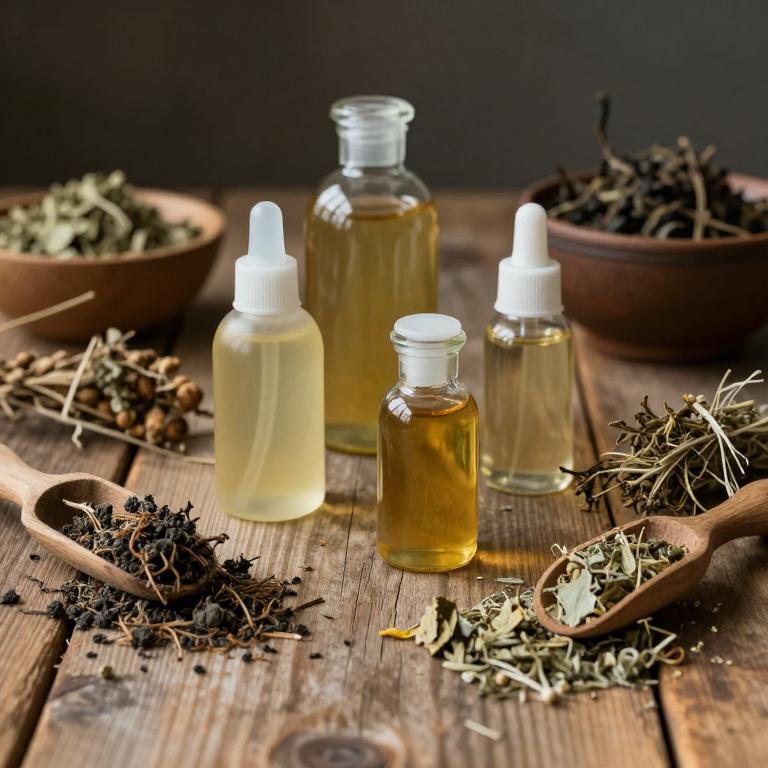
Echinacea angustifolia herbal lotions are traditionally used to support immune function and reduce inflammation, making them a potential complementary therapy for men with prostatitis.
These lotions often contain extracts of the echinacea plant, known for its antimicrobial and anti-inflammatory properties, which may help alleviate symptoms associated with prostate inflammation. When applied topically, the herbal compounds can penetrate the skin and potentially provide localized relief, reducing discomfort and swelling in the pelvic area. However, it is important to consult a healthcare provider before using echinacea-based products, as they may interact with other medications or have side effects in certain individuals.
While some studies suggest possible benefits, more research is needed to fully understand the efficacy of echinacea angustifolia lotions in treating prostatitis.
9. Chaste tree (Vitex agnus-castus)
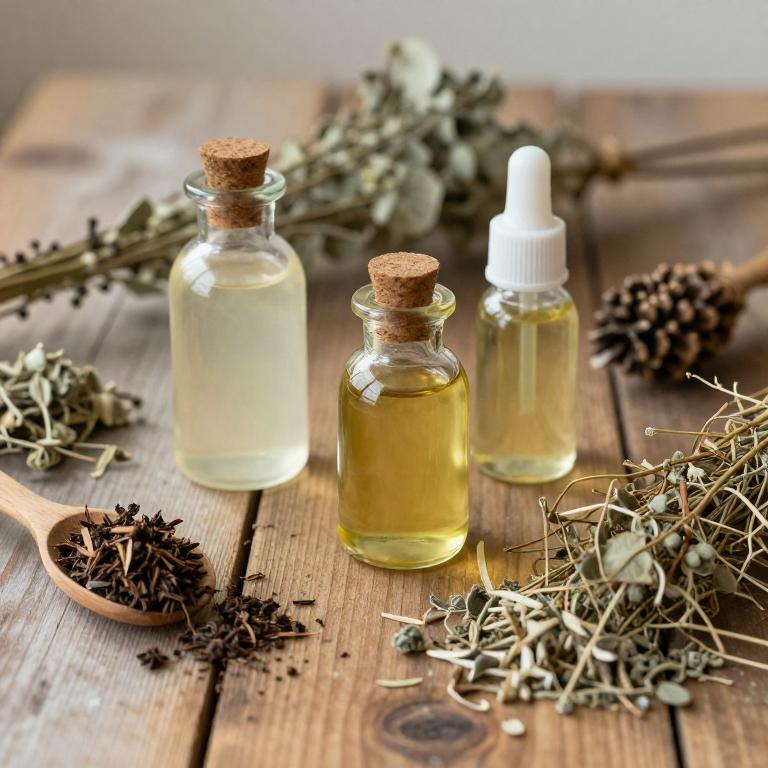
Vitex agnus-castus, commonly known as chaste tree, has been traditionally used in herbal medicine for its potential hormonal balancing properties.
Herbal lotions containing Vitex agnus-castus are sometimes used as complementary therapy for prostatitis, particularly in cases where hormonal imbalances may contribute to the condition. These lotions are believed to support the endocrine system, potentially reducing inflammation and promoting prostate health. While scientific evidence is limited, some studies suggest that Vitex may help regulate testosterone and prolactin levels, which could be beneficial for men with prostatitis.
As with any herbal remedy, it is important to consult a healthcare professional before use, especially for chronic or severe cases.
10. Field horsetail (Equisetum arvense)
Equisetum arvense, commonly known as horsetail, is a plant that has been traditionally used in herbal medicine for its purported anti-inflammatory and antimicrobial properties.
Herbal lotions made from Equisetum arvense are sometimes recommended for the treatment of prostatitis due to their potential to reduce swelling and support urinary tract health. These lotions may help alleviate symptoms such as pain, inflammation, and discomfort associated with prostatitis by promoting tissue repair and improving circulation. However, it is important to consult a healthcare professional before using any herbal remedy, as individual responses can vary and interactions with other medications may occur.
While some studies suggest potential benefits, more scientific research is needed to fully establish the efficacy of Equisetum arvense in treating prostatitis.