10 Best Herbal Lotions For Prostate Inflammation
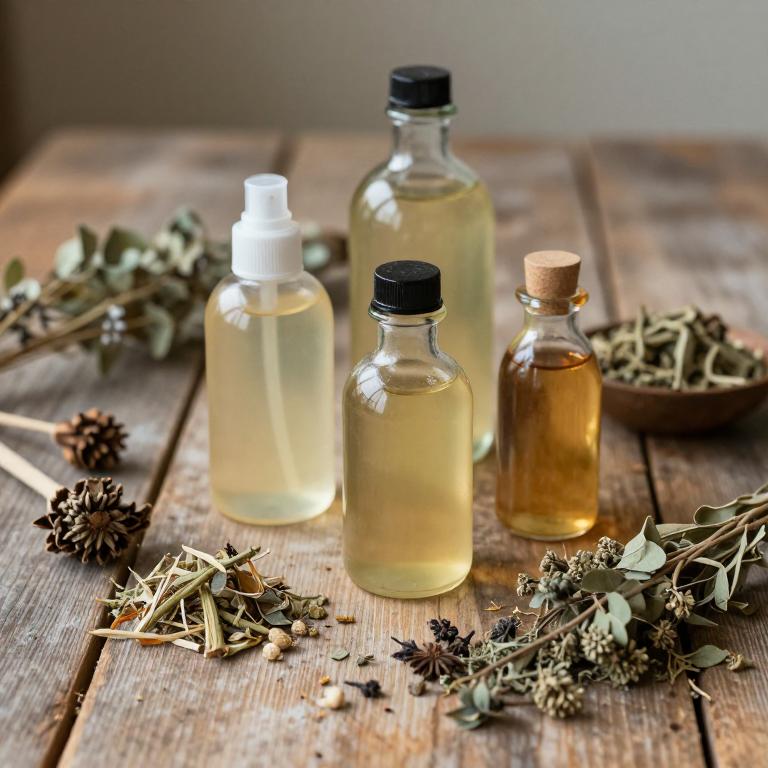
Herbal lotions have gained attention as a natural alternative for managing symptoms of prostate inflammation, often containing anti-inflammatory and soothing ingredients like saw palmetto, chamomile, and calendula.
These lotions are typically applied topically to the lower abdomen or perineal area, aiming to reduce swelling and discomfort associated with conditions such as prostatitis. While they may provide relief for some individuals, their effectiveness can vary, and they are generally considered complementary rather than a primary treatment. It is important to consult a healthcare provider before using herbal products, especially if symptoms persist or worsen.
Overall, herbal lotions offer a gentle, non-invasive option for those seeking natural remedies for prostate health.
Table of Contents
- 1. Stinging nettle (Urtica dioica)
- 2. Pygeum (Pygeum africanum)
- 3. Blessed thistle (Cnicus benedictus)
- 4. Thistle (Silybum marianum)
- 5. St. john's wort (Hypericum perforatum)
- 6. Yarrow (Achillea millefolium)
- 7. Ginger (Zingiber officinale)
- 8. Field horsetail (Equisetum arvense)
- 9. African cherry (Prunus africana)
- 10. Salvia (Salvia officinalis)
1. Stinging nettle (Urtica dioica)
Urtica dioica, commonly known as stinging nettle, has been traditionally used in herbal medicine for its anti-inflammatory properties.
When formulated into a lotion, Urtica dioica can provide targeted relief for prostate inflammation by reducing swelling and irritation. The active compounds in stinging nettle, such as flavonoids and lignans, help to alleviate inflammation and support urinary health. Herbal lotions made from Urtica dioica are often applied topically to the perineal area for localized treatment.
While they may complement conventional treatments, it is advisable to consult a healthcare professional before using them for prostate-related conditions.
2. Pygeum (Pygeum africanum)
Pygeum africanum, also known as African plum tree, is a herbal remedy commonly used in the form of lotions to support prostate health and alleviate symptoms of prostate inflammation.
The active compounds in pygeum africanum, such as sterols and fatty acids, are believed to reduce inflammation and improve urinary function by decreasing the size of the prostate gland. These herbal lotions are often formulated with other natural ingredients to enhance their therapeutic effects and promote overall urinary tract wellness. They are typically used as a complementary therapy alongside conventional treatments for benign prostatic hyperplasia (BPH).
Due to their natural composition, pygeum africanum lotions are generally well-tolerated, making them a popular choice for individuals seeking holistic approaches to prostate health.
3. Blessed thistle (Cnicus benedictus)

Cnicus benedictus, also known as blessed thorn, has been traditionally used in herbal medicine for its potential anti-inflammatory properties.
Herbal lotions made from Cnicus benedictus are believed to support prostate health by reducing inflammation and promoting urinary function. The active compounds in this plant, such as flavonoids and tannins, may help alleviate symptoms associated with prostate inflammation. These lotions are often applied topically to the lower abdomen or perineal area for localized relief.
While more research is needed, some users report improved comfort and reduced swelling when using Cnicus benedictus herbal lotions as part of a holistic approach to prostate care.
4. Thistle (Silybum marianum)
Silybum marianum, commonly known as milk thistle, is a herbal remedy often used in the form of lotions for its potential anti-inflammatory properties.
These lotions are believed to support prostate health by reducing inflammation and promoting healing in the prostate gland. The active compound, silymarin, is thought to have antioxidant and anti-inflammatory effects that may help alleviate symptoms associated with prostate inflammation. While some studies suggest its benefits, more clinical research is needed to fully confirm its efficacy for this specific condition.
As with any herbal treatment, it is advisable to consult a healthcare professional before use, especially if combined with other medications.
5. St. john's wort (Hypericum perforatum)
Hypericum perforatum, commonly known as St. John's Wort, is traditionally used in herbal medicine for its anti-inflammatory and antimicrobial properties.
While it is well-known for its antidepressant effects, recent studies suggest it may also have potential in reducing inflammation associated with prostate conditions. Herbal lotions containing Hypericum perforatum can be applied topically to the affected area to provide localized relief from symptoms such as swelling and pain. These lotions often combine the herb with other anti-inflammatory ingredients like calendula or chamomile for enhanced efficacy.
However, it is important to consult a healthcare professional before using St. John's Wort, as it may interact with certain medications and should not replace conventional treatments for prostate inflammation.
6. Yarrow (Achillea millefolium)
Achillea millefolium, commonly known as yarrow, has been traditionally used in herbal medicine for its anti-inflammatory and astringent properties.
When formulated into a herbal lotion, it may offer potential relief for prostate inflammation by reducing swelling and irritation. The active compounds in yarrow, such as flavonoids and essential oils, are believed to support urinary tract health and reduce inflammatory responses. However, it is important to consult a healthcare professional before using yarrow-based products, as they may interact with other medications or conditions.
While some individuals may find relief from yarrow lotion, scientific evidence supporting its efficacy for prostate inflammation remains limited.
7. Ginger (Zingiber officinale)
Zingiber officinale, commonly known as ginger, has been traditionally used for its anti-inflammatory and antioxidant properties, making it a potential natural remedy for prostate inflammation.
Herbal lotions infused with zingiber officinale may help reduce swelling and discomfort associated with conditions like prostatitis by promoting blood circulation and reducing oxidative stress. These lotions are typically applied topically to the lower abdomen or genital area, offering a non-invasive alternative to conventional treatments. While research on ginger's efficacy for prostate health is still emerging, some studies suggest it may support urinary tract health and alleviate inflammatory symptoms.
As with any herbal treatment, it is advisable to consult a healthcare professional before use, especially for individuals with existing medical conditions or those taking medications.
8. Field horsetail (Equisetum arvense)
Equisetum arvense, commonly known as field horsetail, is a traditional herbal remedy that has been used for its diuretic and anti-inflammatory properties.
Herbal lotions made from Equisetum arvense may help alleviate symptoms of prostate inflammation by reducing swelling and supporting urinary tract health. The plant contains high levels of silica and flavonoids, which are believed to contribute to its therapeutic effects. These lotions are often applied topically to the lower abdomen or perineal area to provide localized relief.
While generally considered safe, it is advisable to consult a healthcare professional before using Equisetum arvense for prostate-related conditions.
9. African cherry (Prunus africana)
Prunus africana, also known as African cherry, has been traditionally used in herbal medicine for its anti-inflammatory properties, making it a potential natural remedy for prostate inflammation.
The active compounds in Prunus africana herbal lotions, such as flavonoids and tannins, are believed to help reduce swelling and irritation in the prostate gland. These lotions are often applied topically to the lower abdomen or perineal area to provide localized relief from symptoms like pain and discomfort. While research on its efficacy for prostate health is still emerging, many users report positive effects from regular use.
As with any herbal treatment, it is advisable to consult a healthcare professional before incorporating Prunus africana lotions into a prostate care regimen.
10. Salvia (Salvia officinalis)
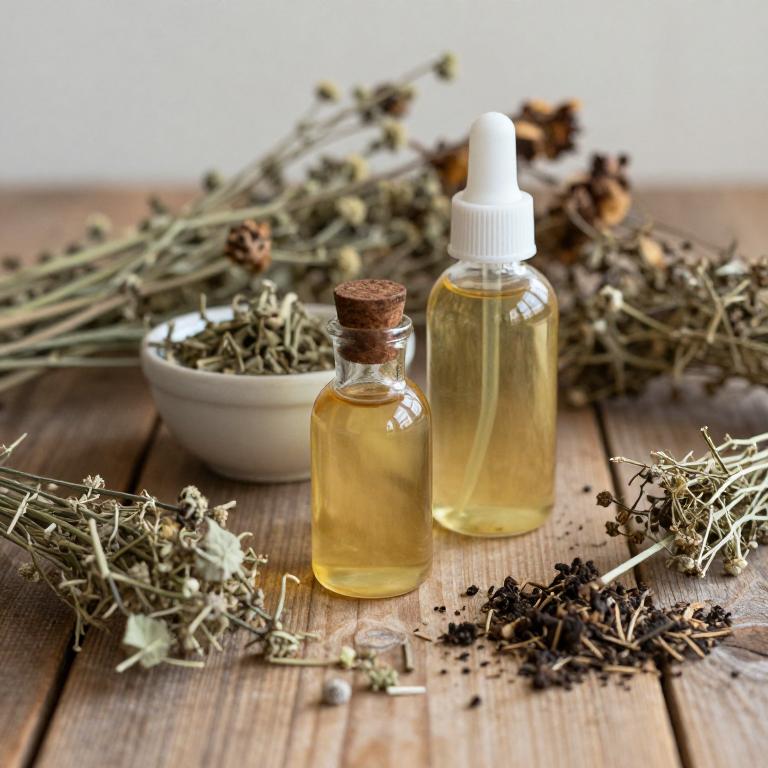
Salvia officinalis, commonly known as sage, has been traditionally used in herbal remedies for its anti-inflammatory and antimicrobial properties.
Herbal lotions containing salvia officinalis may offer a natural alternative for managing symptoms of prostate inflammation by reducing swelling and irritation. These lotions typically contain extracts or essential oils from the leaves of the plant, which are known to have soothing and healing effects on the skin and mucous membranes. While there is limited clinical evidence, some studies suggest that sage may help in reducing inflammation associated with benign prostatic hyperplasia.
As with any herbal treatment, it is advisable to consult a healthcare professional before use, especially for individuals with pre-existing medical conditions or those taking other medications.