10 Best Herbal Baths For Premature Ejaculation
Herbal baths for premature ejaculation involve the use of specific herbs believed to enhance sexual stamina and control.
Commonly used herbs include saw palmetto, ashwagandha, and ginseng, which are thought to support hormonal balance and reduce anxiety. These herbs can be infused into bath water to create a soothing and therapeutic experience. While some studies suggest potential benefits, more research is needed to confirm their efficacy.
It is important to consult a healthcare professional before incorporating herbal baths into a treatment plan for premature ejaculation.
Table of Contents
- 1. Ginger (Zingiber officinale)
- 2. Rosemary (Rosmarinus officinalis)
- 3. Blessed thistle (Cnicus benedictus)
- 4. Valerian (Valeriana officinalis)
- 5. Stinging nettle (Urtica dioica)
- 6. Yarrow (Achillea millefolium)
- 7. English lavender (Lavandula angustifolia)
- 8. St. john's wort (Hypericum perforatum)
- 9. Field horsetail (Equisetum arvense)
- 10. Salvia (Salvia officinalis)
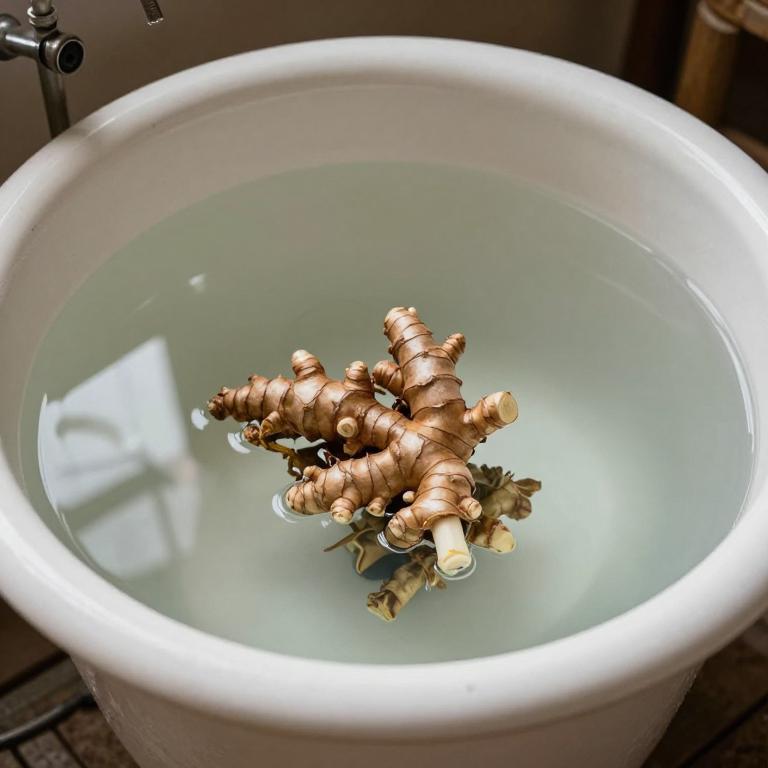
1. Ginger (Zingiber officinale)
Zingiber officinale, commonly known as ginger, has been traditionally used in herbal medicine for its potential to enhance circulation and reduce inflammation.
When incorporated into herbal baths, ginger is believed to promote relaxation and improve blood flow, which may support sexual health. Some proponents suggest that the warming properties of ginger in bathwater could help reduce premature ejaculation by improving nerve sensitivity and muscle control. However, there is limited scientific evidence directly linking ginger baths to the treatment of premature ejaculation.
As with any herbal remedy, it is advisable to consult a healthcare professional before using ginger baths for this purpose.
2. Rosemary (Rosmarinus officinalis)
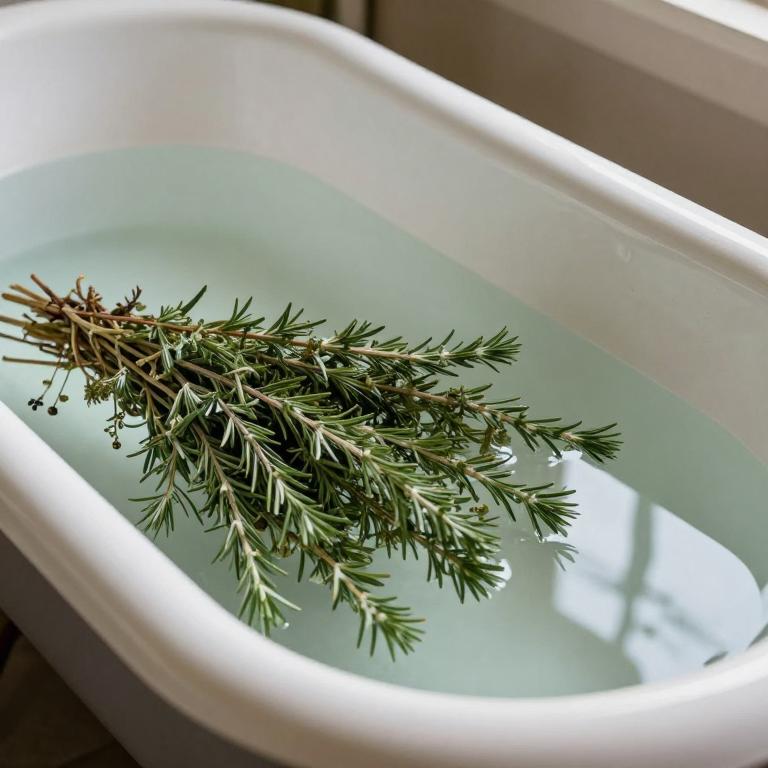
Rosmarinus officinalis, commonly known as rosemary, has been traditionally used in herbal baths for its purported benefits on sexual health.
Some proponents suggest that rosemary baths may help with premature ejaculation by improving circulation and reducing anxiety, which are often contributing factors. The essential oils in rosemary are believed to have a calming effect on the nervous system, potentially enhancing sexual performance. However, scientific evidence supporting these claims is limited, and more research is needed to validate the effectiveness of rosemary baths for this condition.
As with any herbal remedy, it is advisable to consult a healthcare professional before incorporating rosemary baths into a treatment plan for premature ejaculation.
3. Blessed thistle (Cnicus benedictus)
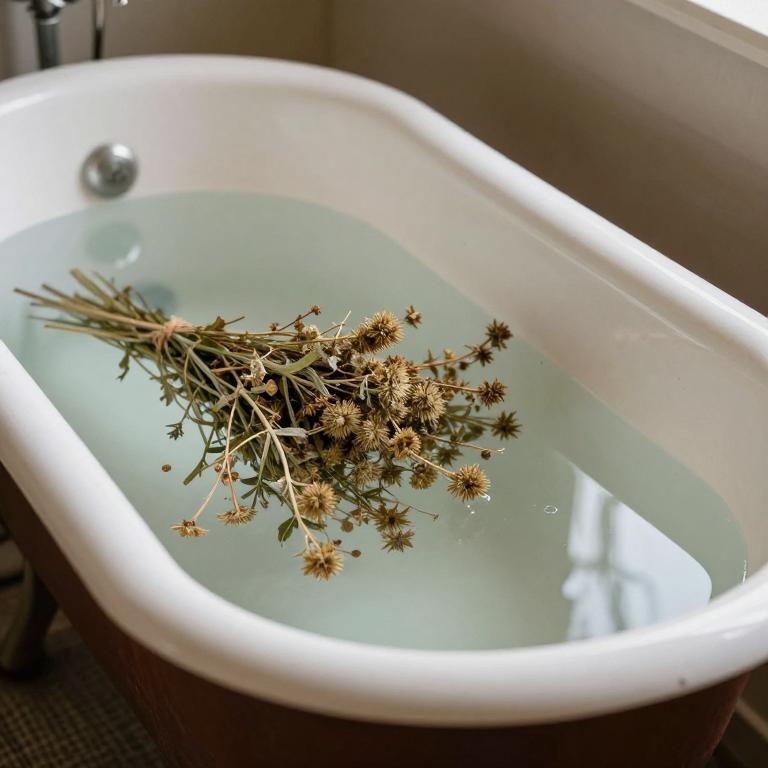
Cnicus benedictus, also known as blessed thorn, has been traditionally used in herbal remedies for its potential to support sexual health and address issues like premature ejaculation.
When incorporated into herbal baths, the plant's active compounds may help improve circulation and reduce anxiety, which are common contributors to early ejaculation. The warm water of the bath enhances the absorption of the herb's beneficial properties, promoting relaxation and overall well-being. Some herbalists recommend using Cnicus benedictus in bath infusions to support male vitality and enhance sexual performance.
However, it is important to consult a healthcare professional before using this herb, especially for individuals with underlying health conditions or those taking medications.
4. Valerian (Valeriana officinalis)
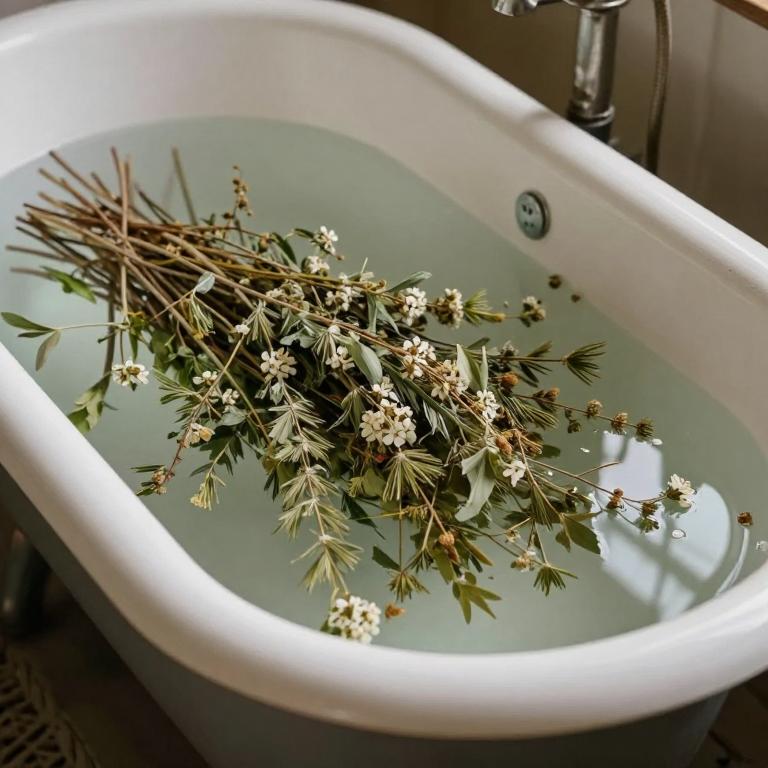
Valeriana officinalis, commonly known as valerian, is a herbal remedy traditionally used for its calming and sedative properties.
Some alternative medicine practitioners suggest that valerian root may help with premature ejaculation by reducing anxiety and promoting relaxation, which are often contributing factors to the condition. Herbal baths infused with valerian root extract are believed to enhance this effect by soothing the nervous system through aromatherapy and topical absorption. However, there is limited scientific evidence supporting the efficacy of valerian baths specifically for premature ejaculation, and more research is needed to confirm these claims.
As with any herbal treatment, it is important to consult a healthcare provider before use, especially if other medical conditions or medications are involved.
5. Stinging nettle (Urtica dioica)
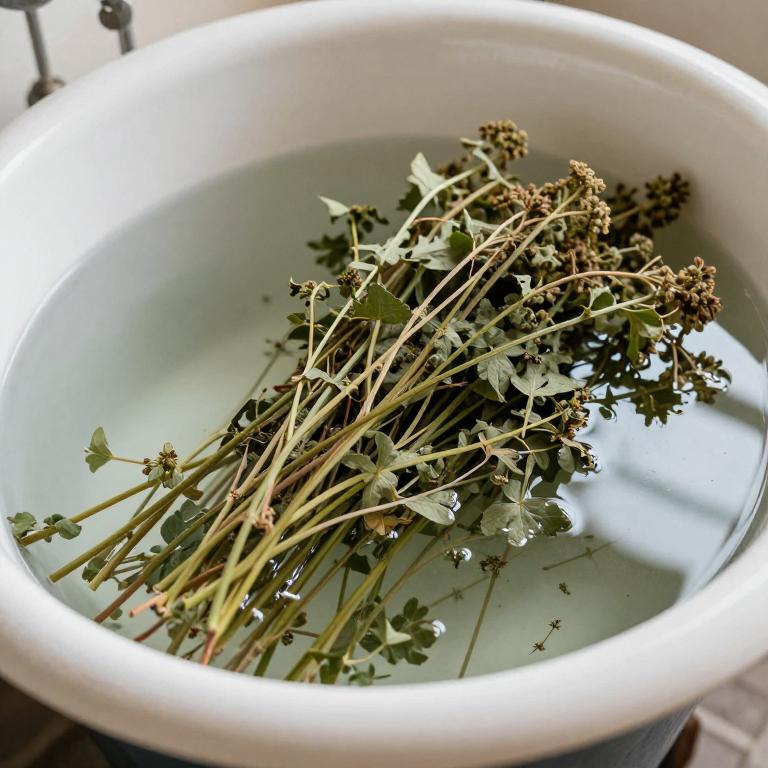
Urtica dioica, commonly known as stinging nettle, has been traditionally used in herbal medicine for its potential health benefits, including its possible effects on sexual function.
Some proponents suggest that herbal baths infused with stinging nettle may help improve circulation and reduce inflammation, which could potentially support sexual health. While there is limited scientific evidence directly linking stinging nettle baths to the treatment of premature ejaculation, some anecdotal reports indicate that the plant's properties might help with overall vitality and nervous system regulation. However, it is important to note that premature ejaculation is a complex condition, and herbal remedies should not replace professional medical advice or treatments.
Individuals considering herbal baths for this purpose should consult with a healthcare provider to ensure safety and appropriateness for their specific health needs.
6. Yarrow (Achillea millefolium)
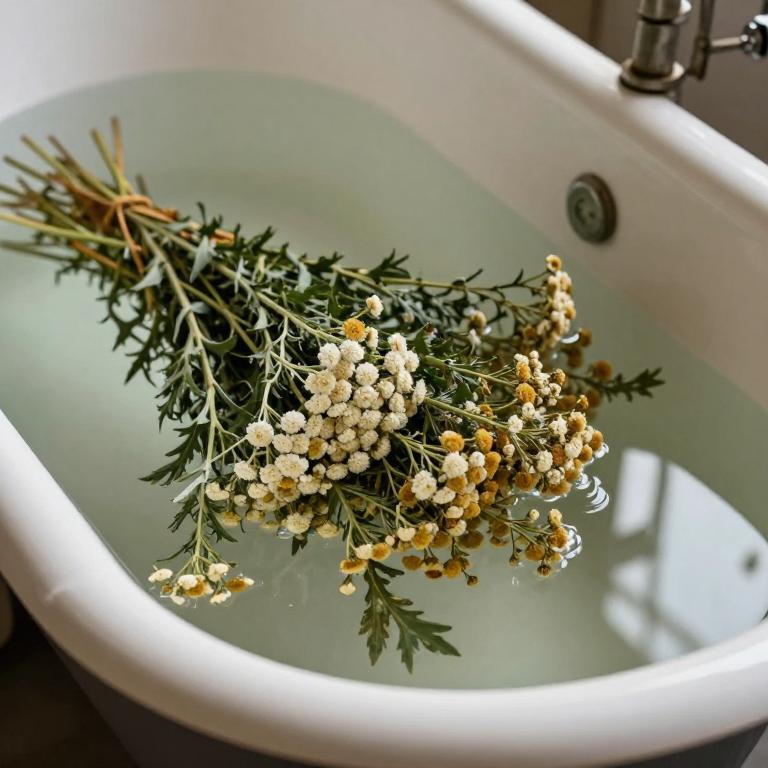
Achillea millefolium, commonly known as yarrow, has been traditionally used in herbal remedies for its purported benefits on circulation and nervous system function.
Some proponents suggest that herbal baths containing yarrow may help reduce premature ejaculation by promoting relaxation and improving blood flow to the genital area. While there is limited scientific research directly linking yarrow baths to the treatment of premature ejaculation, some anecdotal evidence indicates that the calming properties of yarrow may aid in reducing anxiety and enhancing sexual control. These baths are typically prepared by steeping dried yarrow in hot water and then using the infused water for soaking, which is believed to have a soothing effect on the body.
However, it is important to consult with a healthcare provider before using any herbal remedies, especially for conditions like premature ejaculation, to ensure safety and appropriateness.
7. English lavender (Lavandula angustifolia)
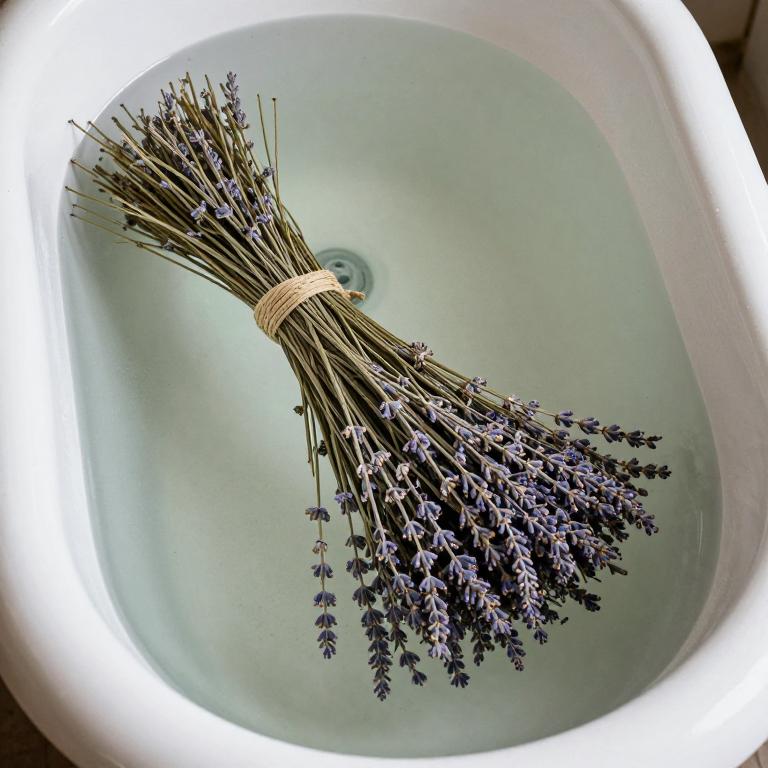
Lavandula angustifolia, commonly known as English lavender, has been traditionally used for its calming and soothing properties, and some anecdotal evidence suggests it may offer benefits for men experiencing premature ejaculation.
When infused into bath water, lavender essential oil can help reduce stress and anxiety, which are often contributing factors to sexual performance issues. The aromatic compounds in lavender may also promote relaxation of the pelvic muscles, potentially improving control during sexual activity. However, it is important to note that while lavender baths may support overall well-being and reduce performance anxiety, they are not a substitute for medical or psychological interventions.
As with any herbal remedy, it is advisable to consult a healthcare professional before incorporating lavender into a treatment regimen for premature ejaculation.
8. St. john's wort (Hypericum perforatum)
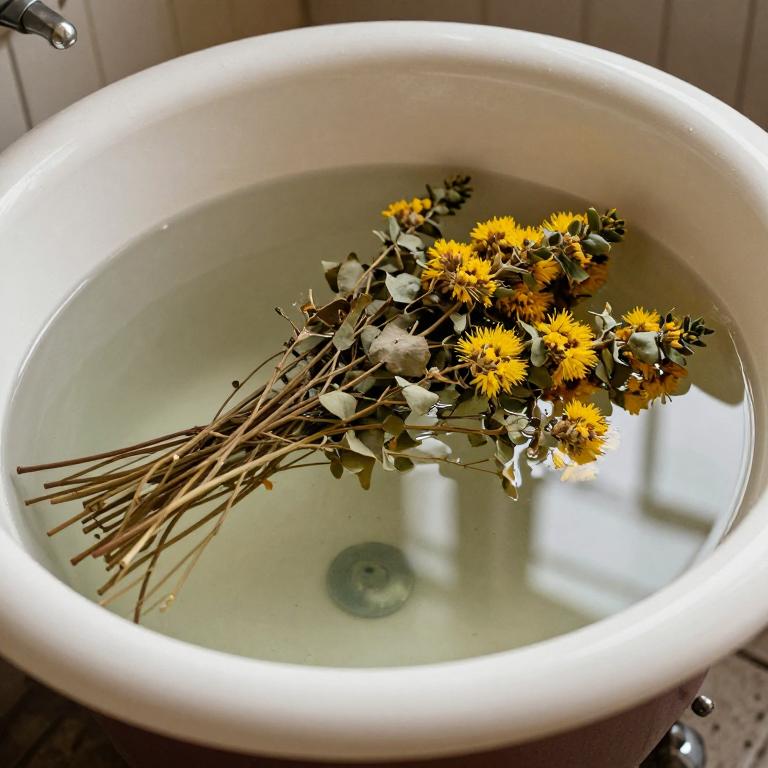
Hypericum perforatum, commonly known as St. John's Wort, has been traditionally used in herbal medicine for its potential antidepressant and anti-inflammatory properties.
When used in herbal baths, it is believed to promote relaxation and improve mood, which may indirectly support sexual health. Some anecdotal reports suggest that soaking in a St. John's Wort bath could help reduce anxiety and enhance sensitivity, potentially benefiting individuals with premature ejaculation. However, there is limited scientific evidence directly linking hypericum perforatum baths to the treatment of premature ejaculation.
It is important to consult with a healthcare provider before using any herbal remedies, as they can interact with other medications and may not be suitable for everyone.
9. Field horsetail (Equisetum arvense)
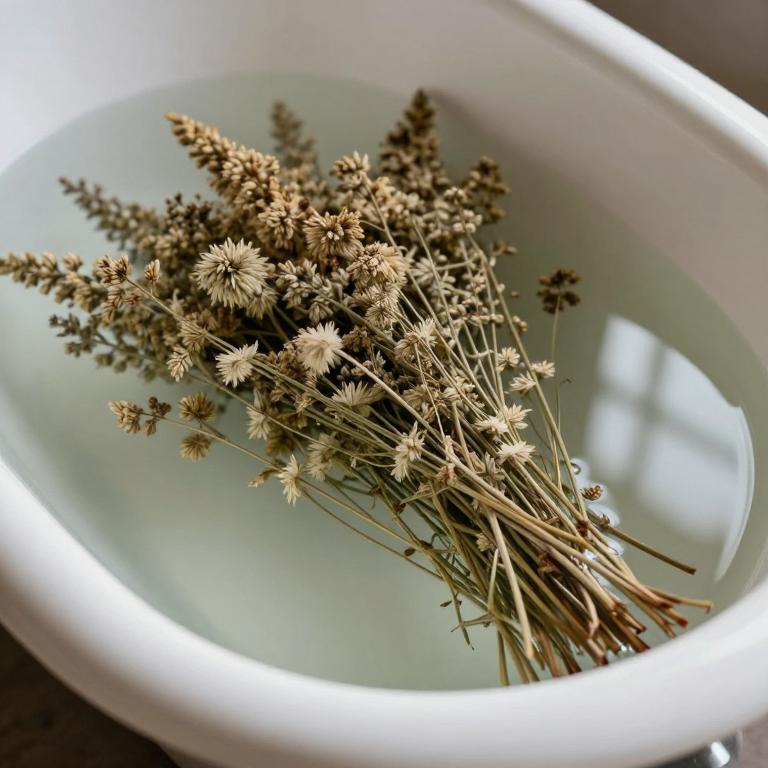
Equisetum arvense, commonly known as field horsetail, has been traditionally used in herbal remedies for its high concentration of silica and other minerals.
Some alternative medicine practitioners suggest that herbal baths containing equisetum arvense may help with premature ejaculation by improving overall genital health and circulation. The astringent properties of horsetail are believed to strengthen tissues and reduce sensitivity, potentially delaying ejaculation. However, there is limited scientific research supporting these claims, and it is important to consult a healthcare professional before using such remedies.
While some individuals report positive effects, the effectiveness of equisetum arvense baths for premature ejaculation remains anecdotal and requires further study.
10. Salvia (Salvia officinalis)
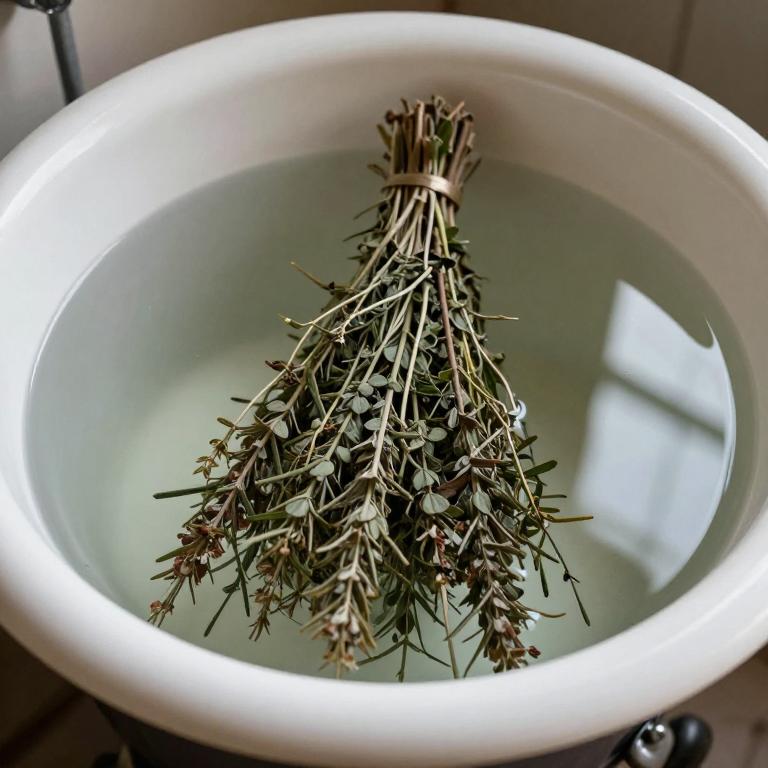
Salvia officinalis, commonly known as sage, has been traditionally used in herbal remedies for its potential to enhance vitality and promote relaxation.
While there is limited scientific evidence specifically linking sage to the treatment of premature ejaculation, some herbalists suggest that its calming properties may help reduce anxiety and improve sexual performance. Sage can be incorporated into herbal baths by steeping dried leaves in hot water and adding the infusion to a bath, allowing the body to absorb its soothing effects. However, it is important to consult a healthcare professional before using sage or any herbal remedy, especially for conditions like premature ejaculation, to ensure safety and effectiveness.
Overall, while sage baths may offer general wellness benefits, they should not be considered a primary treatment for sexual health issues without further research and medical guidance.