10 Best Herbal Lotions For Postoperative Recovery
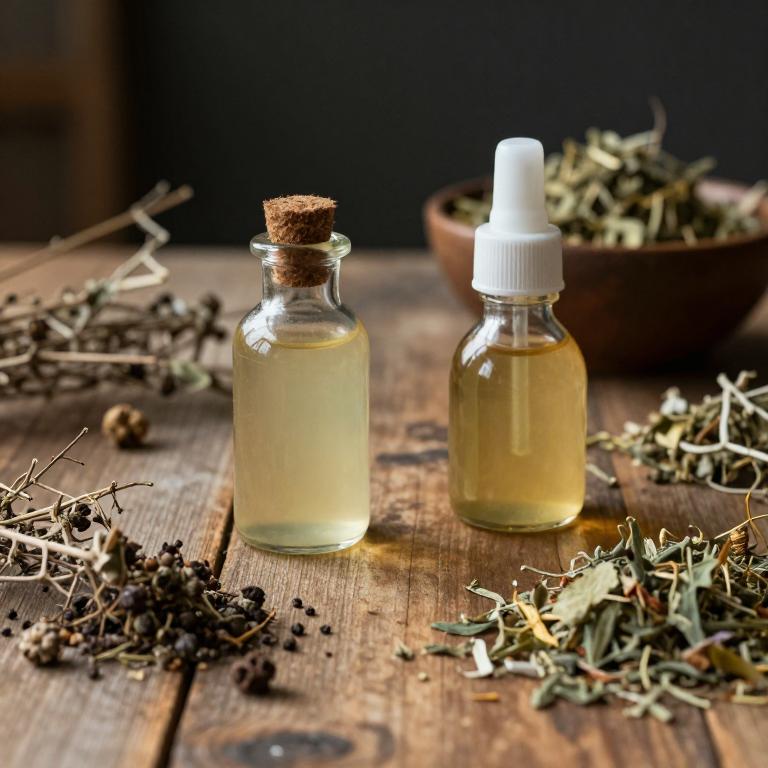
Herbal lotions can play a beneficial role in postoperative recovery by promoting skin healing and reducing inflammation.
These natural formulations often contain ingredients like aloe vera, chamomile, and calendula, which have soothing and anti-inflammatory properties. They can help alleviate discomfort and support the skin's natural regenerative processes after surgery. Herbal lotions are generally gentle and less likely to cause irritation compared to synthetic topical treatments.
However, it is important to consult with a healthcare provider to ensure that the specific herbs used are safe and appropriate for the individual's condition and surgical site.
Table of Contents
- 1. Marigold (Calendula officinalis)
- 2. St. john's wort (Hypericum perforatum)
- 3. Aloe vera (Aloe barbadensis)
- 4. Dog rose (Rosa canina)
- 5. Chaste tree (Vitex agnus-castus)
- 6. Chamomile (Matricaria chamomilla)
- 7. Stinging nettle (Urtica dioica)
- 8. Mountain arnica (Arnica montana)
- 9. Centella (Centella asiatica)
- 10. Salvia (Salvia officinalis)
1. Marigold (Calendula officinalis)
Calendula officinalis herbal lotions are widely used in postoperative recovery due to their anti-inflammatory, antimicrobial, and wound-healing properties.
These lotions contain active compounds such as flavonoids and triterpenes, which help reduce swelling and promote tissue repair. They are often applied topically to surgical incisions to prevent infection and support the healing process. Calendula is also known for its soothing effects, which can alleviate discomfort and irritation associated with healing wounds.
As a natural alternative to synthetic treatments, calendula officinalis lotions are increasingly favored for their gentle yet effective approach to postoperative care.
2. St. john's wort (Hypericum perforatum)
Hypericum perforatum, commonly known as St. John's Wort, is a herbal plant that has been traditionally used for its potential therapeutic properties.
Herbal lotions containing Hypericum perforatum are increasingly being explored for their role in postoperative recovery due to their anti-inflammatory and analgesic effects. These lotions may help reduce swelling, pain, and inflammation in surgical wounds, promoting faster healing. Some studies suggest that the active compounds in Hypericum perforatum may support tissue regeneration and enhance skin repair.
However, it is important to consult a healthcare provider before using these lotions, as they may interact with certain medications or have contraindications for specific individuals.
3. Aloe vera (Aloe barbadensis)
Aloe barbadensis, commonly known as aloe vera, is widely used in herbal lotions to support postoperative recovery due to its anti-inflammatory and soothing properties.
These lotions can help reduce swelling, redness, and irritation at the surgical site, promoting faster healing. The natural compounds in aloe vera, such as polysaccharides and enzymes, aid in tissue regeneration and may enhance skin repair. Additionally, aloe-based lotions are often preferred for their gentle, non-irritating formula, making them suitable for sensitive postoperative skin.
Incorporating aloe barbadensis herbal lotions into a postoperative care routine can contribute to a more comfortable and efficient recovery process.
4. Dog rose (Rosa canina)
Rosa canina, commonly known as rosehip, is a natural ingredient widely used in herbal lotions for postoperative recovery due to its rich content of essential fatty acids, antioxidants, and vitamins.
These lotions help to reduce inflammation and promote skin regeneration, which is crucial during the healing process after surgery. The anti-inflammatory properties of rosehip oil can alleviate swelling and discomfort, while its emollient qualities moisturize and protect the skin. Additionally, Rosa canina supports collagen production, aiding in the repair of damaged tissues and enhancing the overall appearance of the skin.
Incorporating Rosa canina herbal lotions into postoperative care can provide a gentle, natural alternative to conventional treatments, supporting faster and more effective recovery.
5. Chaste tree (Vitex agnus-castus)
Vitex agnus-castus, commonly known as chasteberry, has been traditionally used in herbal medicine for its potential benefits in hormonal balance and skin health.
Herbal lotions containing vitex agnus-castus are increasingly being explored for their role in postoperative recovery, particularly for their anti-inflammatory and soothing properties. These lotions may help reduce swelling, promote healing, and enhance skin regeneration after surgical procedures. Some studies suggest that the phytoestrogens in vitex may support tissue repair and reduce scar formation.
While more research is needed, vitex-based herbal lotions offer a natural, complementary approach to support recovery and improve overall skin condition following surgery.
6. Chamomile (Matricaria chamomilla)
Matricaria chamomilla, commonly known as chamomile, is often used in herbal lotions to support postoperative recovery due to its calming and anti-inflammatory properties.
These lotions can help reduce swelling and irritation in the skin, promoting faster healing after surgical procedures. Chamomile contains compounds like bisabolol and chamazulene, which have been shown to soothe inflammation and enhance skin regeneration. When applied topically, chamomile lotions may also provide a sense of comfort and relaxation, which is beneficial for patients during the recovery period.
However, it is important to consult with a healthcare provider before using chamomile products, especially if there are known allergies or interactions with other medications.
7. Stinging nettle (Urtica dioica)
Urtica dioica, commonly known as stinging nettle, is often used in herbal lotions to support postoperative recovery due to its anti-inflammatory and astringent properties.
These lotions can help reduce swelling and promote healing by enhancing circulation and reducing oxidative stress in the affected areas. The plant's rich content of vitamins, minerals, and antioxidants contributes to tissue repair and overall skin regeneration. When applied topically, Urtica dioica herbal lotions may also provide a soothing effect, alleviating discomfort and irritation after surgery.
However, it is important to consult with a healthcare provider before using such remedies to ensure they are safe and appropriate for individual medical conditions.
8. Mountain arnica (Arnica montana)
Arnica montana herbal lotions are commonly used to support postoperative recovery due to their anti-inflammatory and analgesic properties.
These lotions contain a concentrated form of the Arnica montana plant, which is known to help reduce swelling, bruising, and pain in the affected areas. When applied topically, the active compounds in arnica may promote circulation and accelerate the healing process. However, it is important to note that arnica should not be used on open wounds or broken skin, and individuals with allergies to plants in the daisy family should avoid it.
As a complementary therapy, arnica montana lotions can be a valuable addition to a postoperative care regimen under the guidance of a healthcare professional.
9. Centella (Centella asiatica)
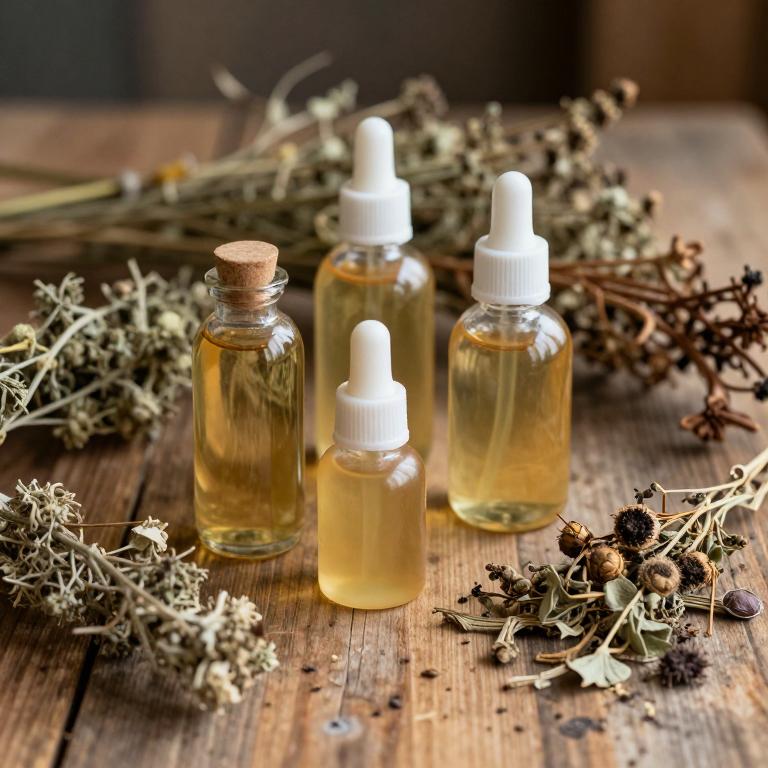
Centella asiatica herbal lotions are increasingly popular for postoperative recovery due to their ability to promote skin healing and reduce inflammation.
These lotions contain active compounds like asiatic acid and madecassic acid, which have been shown to enhance collagen production and improve skin elasticity. They are particularly beneficial for patients recovering from surgeries that involve skin incisions or wounds, as they help in faster tissue regeneration. The soothing properties of Centella asiatica also help alleviate irritation and discomfort during the healing process.
Overall, incorporating these herbal lotions into postoperative care can support a more efficient and comfortable recovery.
10. Salvia (Salvia officinalis)
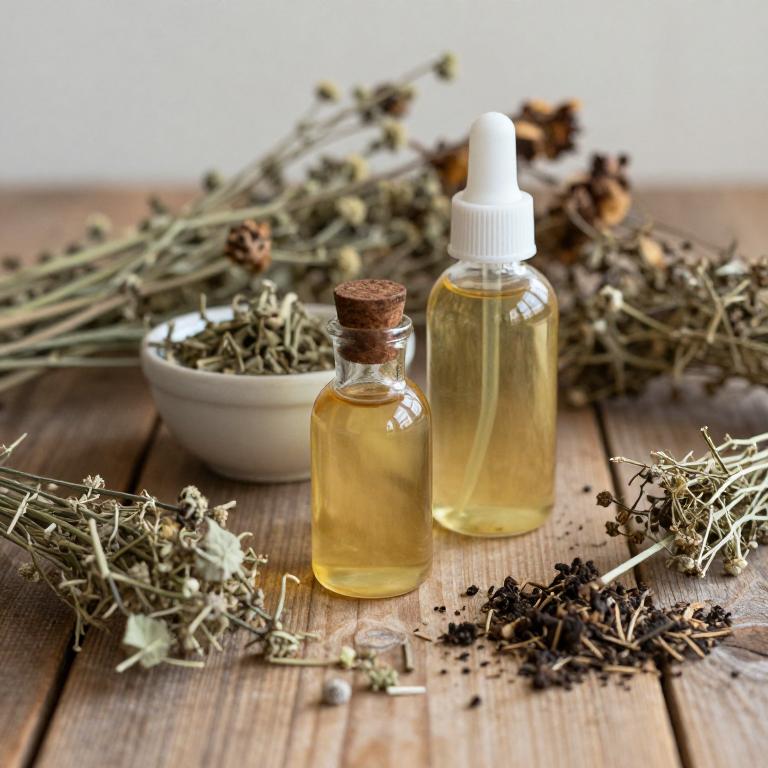
Salvia officinalis, commonly known as sage, is a versatile herb that has been traditionally used for its healing properties, and its extract is now incorporated into herbal lotions designed to support postoperative recovery.
These lotions often contain anti-inflammatory and antimicrobial compounds that can help reduce swelling, prevent infections, and promote faster wound healing. The soothing properties of sage may also provide relief from discomfort and irritation associated with surgical sites. When applied topically, salvia officinalis herbal lotions can enhance skin regeneration and improve overall recovery outcomes.
However, it is important to consult with a healthcare professional before using such products, especially for individuals with known allergies or sensitivities.