10 Best Herbal Capsules For Postoperative Recovery
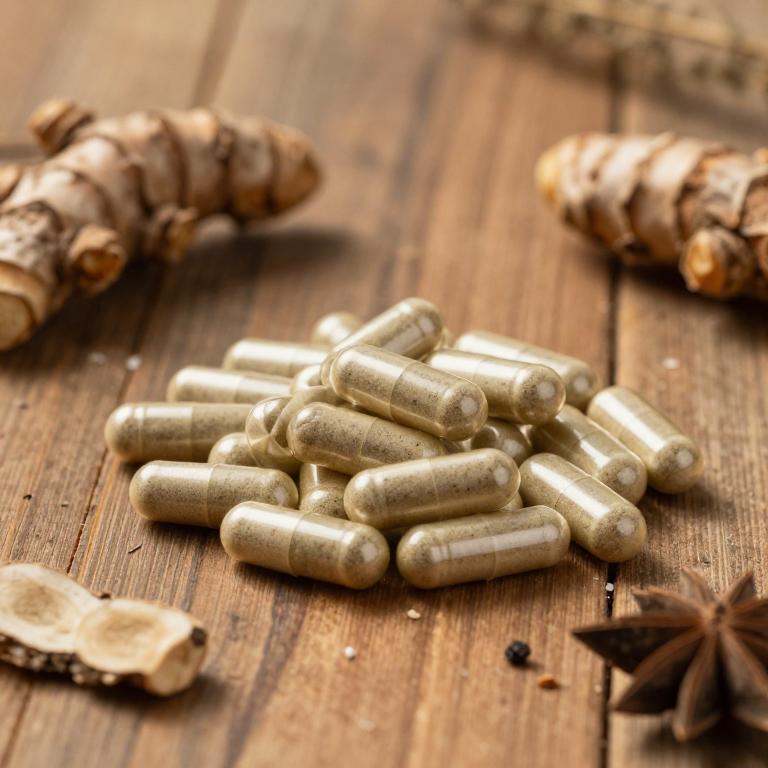
Herbal capsules are increasingly being used as complementary therapy to support postoperative recovery by promoting healing and reducing inflammation.
These capsules often contain natural ingredients such as turmeric, ginger, and willow bark, which have been traditionally used for their anti-inflammatory and analgesic properties. They may help alleviate pain, reduce swelling, and enhance the body's natural regenerative processes after surgery. However, it is important to consult with a healthcare provider before using herbal supplements to ensure they do not interact with prescribed medications or interfere with the recovery process.
When used appropriately, herbal capsules can be a safe and effective aid in supporting a patient's overall recovery from surgery.
Table of Contents
- 1. Turmeric (Curcuma longa)
- 2. Ginger (Zingiber officinale)
- 3. Echinacea (Echinacea purpurea)
- 4. Salvia (Salvia officinalis)
- 5. Thistle (Silybum marianum)
- 6. St. john's wort (Hypericum perforatum)
- 7. Ginkgo (Ginkgo biloba)
- 8. Chaste tree (Vitex agnus-castus)
- 9. Stinging nettle (Urtica dioica)
- 10. Panax ginseng (Panax ginseng)
1. Turmeric (Curcuma longa)
Curcuma longa, commonly known as turmeric, has been widely studied for its potential benefits in postoperative recovery due to its anti-inflammatory and antioxidant properties.
Herbal capsules containing curcuma longa extract are often used to support healing and reduce inflammation following surgical procedures. These capsules may help alleviate pain and swelling, which are common in the postoperative period. Additionally, curcuma longa has shown promise in promoting tissue repair and reducing oxidative stress, contributing to faster recovery.
However, it is important to consult with a healthcare provider before using these supplements, as they may interact with certain medications or affect individual health conditions.
2. Ginger (Zingiber officinale)
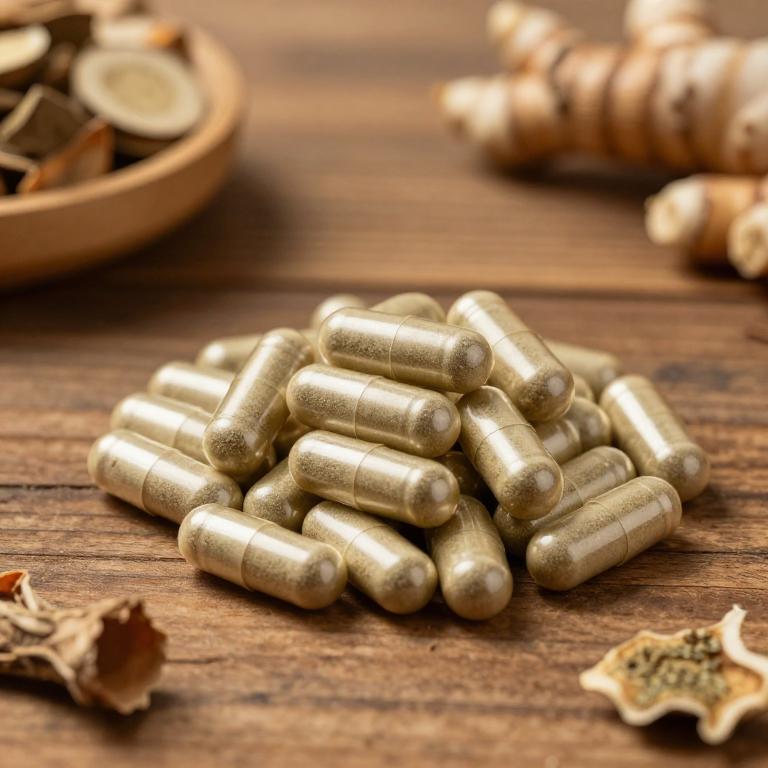
Zingiber officinale, commonly known as ginger, is widely recognized for its anti-inflammatory and analgesic properties, making it a valuable herbal supplement for postoperative recovery.
Herbal capsules containing zingiber officinale are often used to help reduce inflammation, alleviate nausea, and support digestive health following surgery. These capsules are typically well-tolerated and can be a natural alternative to conventional medications for managing postoperative discomfort. Clinical studies suggest that ginger may aid in reducing swelling and promoting faster healing in surgical patients.
As a result, zingiber officinale herbal capsules are increasingly being recommended as a complementary therapy in postoperative care regimens.
3. Echinacea (Echinacea purpurea)
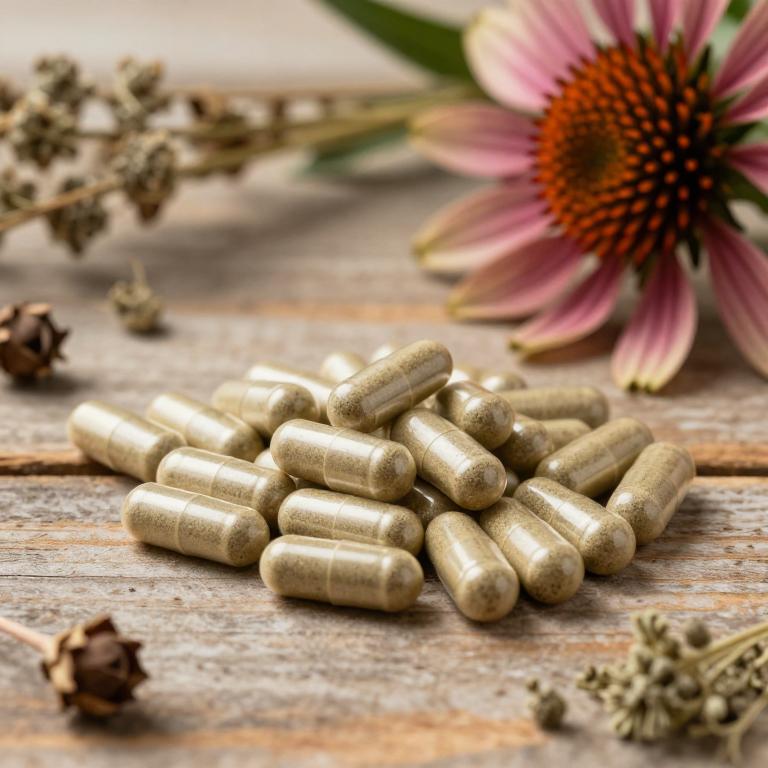
Echinacea purpurea herbal capsules are often used to support immune function and reduce inflammation, which can be beneficial during postoperative recovery.
These capsules contain active compounds such as alkamides, caffeic acid derivatives, and polysaccharides that may help promote healing and reduce the risk of infection. While some studies suggest echinacea may aid in reducing the duration of respiratory infections, its role in postoperative recovery is still being explored. It is important to consult with a healthcare provider before using echinacea, as it may interact with certain medications or affect blood clotting.
Overall, echinacea purpurea can be a complementary support for postoperative recovery when used under professional guidance.
4. Salvia (Salvia officinalis)
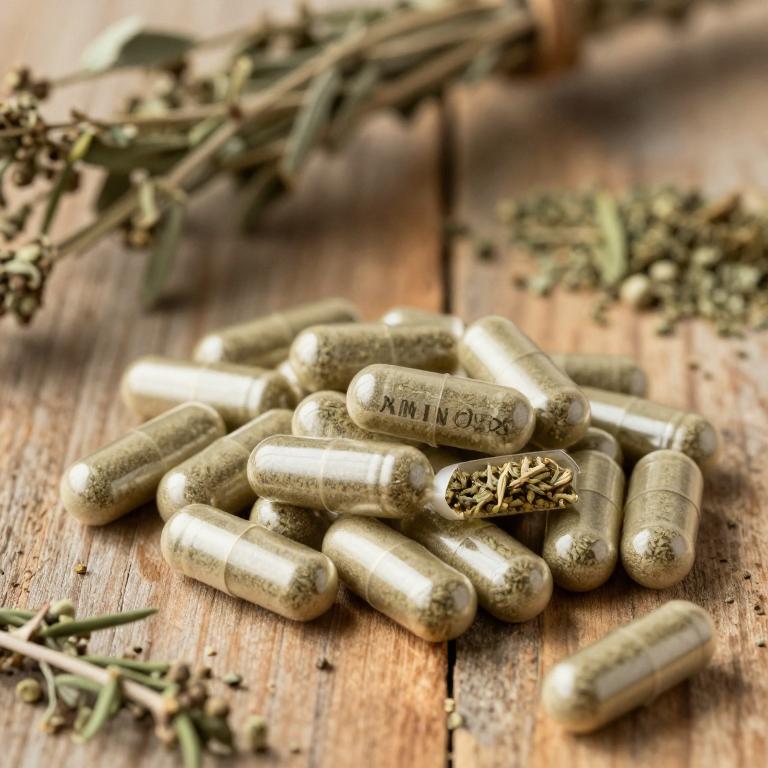
Salvia officinalis, commonly known as sage, has been traditionally used for its medicinal properties, and recent studies suggest that sage herbal capsules may support postoperative recovery by reducing inflammation and promoting wound healing.
The active compounds in sage, such as rosmarinic acid and flavonoids, have antioxidant and anti-inflammatory effects that may aid in tissue repair and reduce surgical site complications. When taken as capsules, sage is a convenient and standardized form of the herb, making it easier for patients to incorporate into their recovery regimen. Some clinical trials indicate that sage supplementation may help alleviate postoperative fatigue and improve overall recovery outcomes.
However, it is important to consult with a healthcare provider before using sage capsules, as it may interact with certain medications or affect hormone levels.
5. Thistle (Silybum marianum)
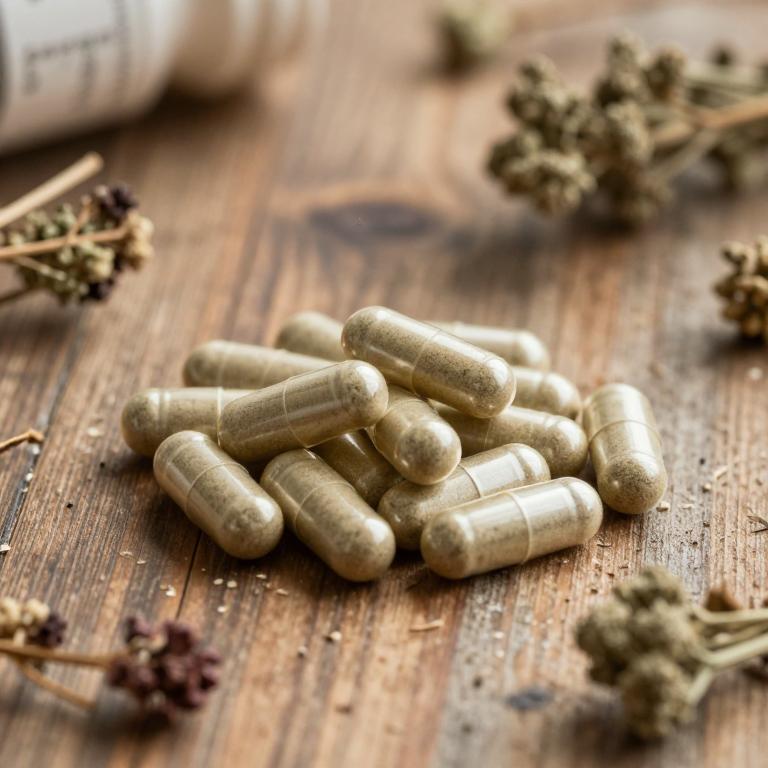
Silybum marianum, also known as milk thistle, is a herbal supplement that has been traditionally used to support liver health and is increasingly being explored for its potential benefits in postoperative recovery.
The active compound in silybum marianum, silymarin, is believed to have antioxidant, anti-inflammatory, and hepatoprotective properties that may aid in tissue repair and reduce oxidative stress following surgery. Clinical studies suggest that silymarin may help in reducing inflammation and promoting the regeneration of liver and other tissues, which can be beneficial for patients recovering from surgical procedures. However, while some research supports its use, more studies are needed to fully understand its efficacy and safety in postoperative settings.
As with any herbal supplement, it is important to consult with a healthcare provider before incorporating silybum marianum into a postoperative recovery regimen.
6. St. john's wort (Hypericum perforatum)
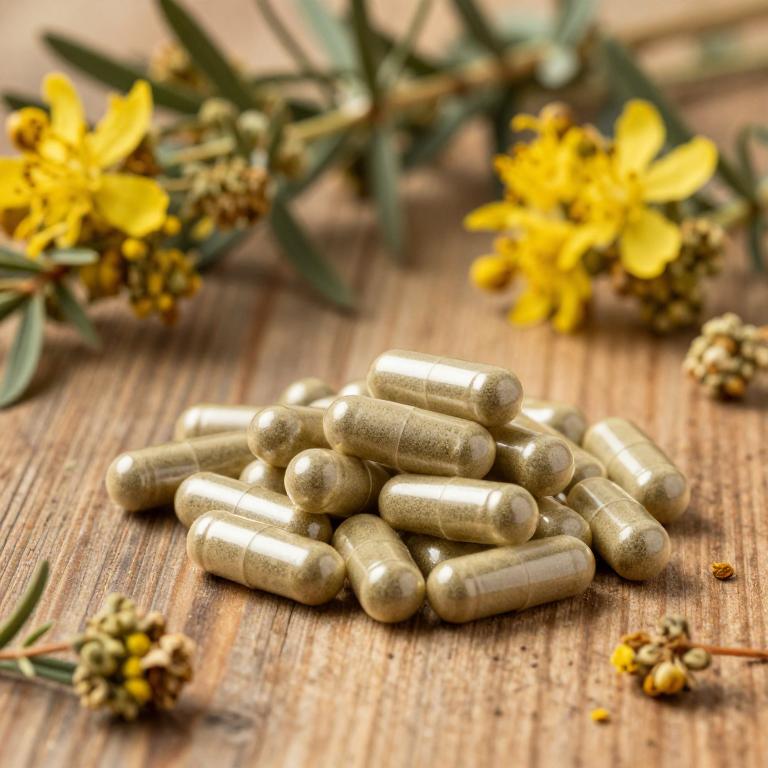
Hypericum perforatum, commonly known as St. John's wort, is a herbal remedy that has been traditionally used to support mental health and mood regulation.
When formulated into herbal capsules, it may aid in postoperative recovery by potentially reducing anxiety and promoting a sense of well-being, which can be beneficial during the healing process. However, it is important to note that St. John's wort can interact with certain medications, including antidepressants and pain relievers, so its use should be carefully monitored by a healthcare professional. While some studies suggest it may have mild analgesic properties, its role in physical recovery after surgery is still under investigation.
As with any supplement, it is advisable to consult with a physician before incorporating hypericum perforatum into a postoperative care regimen.
7. Ginkgo (Ginkgo biloba)
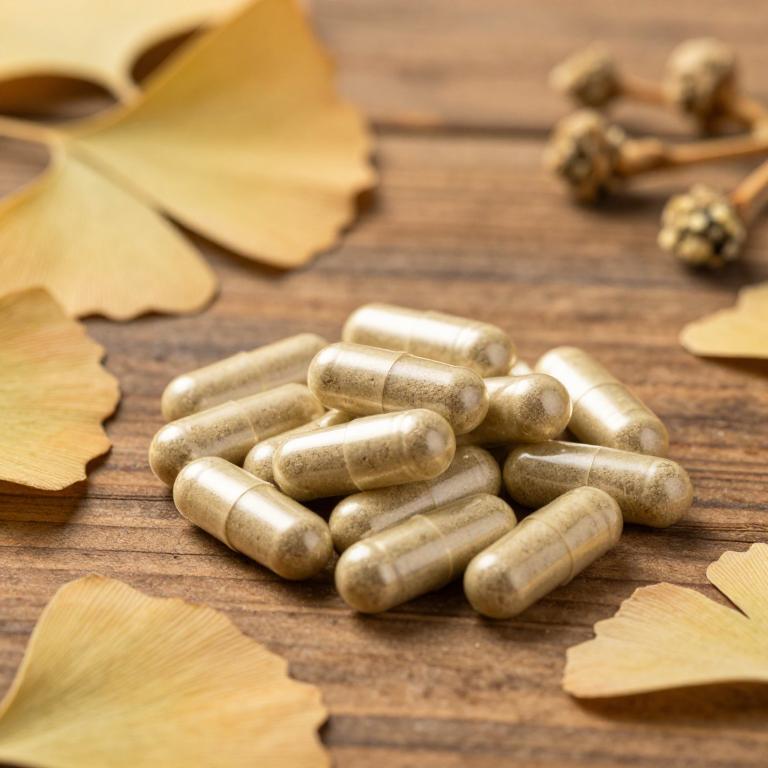
Ginkgo biloba herbal capsules are often used to support postoperative recovery due to their potential to enhance circulation and reduce inflammation.
These capsules contain extracts from the leaves of the ginkgo tree, which are rich in flavonoids and terpene lactones known for their antioxidant and anti-inflammatory properties. Studies suggest that ginkgo biloba may help improve blood flow, which can aid in the healing process after surgery. However, it is important to consult with a healthcare provider before using these supplements, as they may interact with certain medications or have side effects in some individuals.
Overall, while ginkgo biloba may offer some benefits for postoperative recovery, it should be used as a complementary therapy under professional guidance.
8. Chaste tree (Vitex agnus-castus)
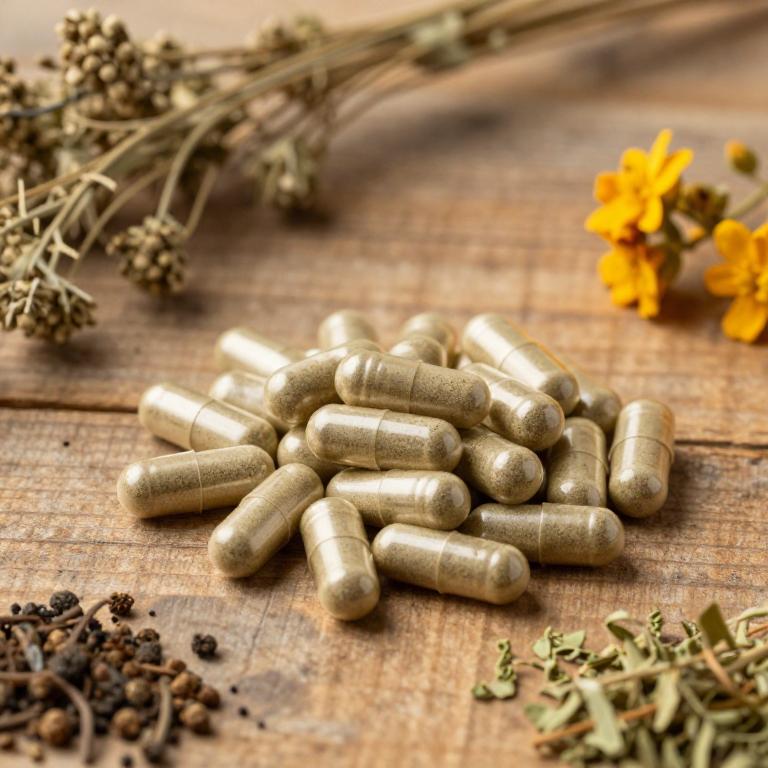
Vitex agnus-castus, commonly known as chasteberry, is a herbal remedy that has been traditionally used to support hormonal balance and may aid in postoperative recovery by reducing inflammation and promoting tissue healing.
When used in capsule form, it offers a convenient and standardized way to incorporate this herb into a postoperative care regimen. Some studies suggest that vitex may help regulate menstrual cycles and reduce symptoms associated with hormonal imbalances, which can be particularly beneficial for patients recovering from surgeries involving reproductive or endocrine systems. However, it is important to consult with a healthcare provider before using vitex agnus-castus, as it may interact with certain medications or have contraindications for specific health conditions.
Overall, while not a substitute for medical treatment, vitex agnus-castus herbal capsules may serve as a complementary therapy to support holistic recovery after surgery.
9. Stinging nettle (Urtica dioica)
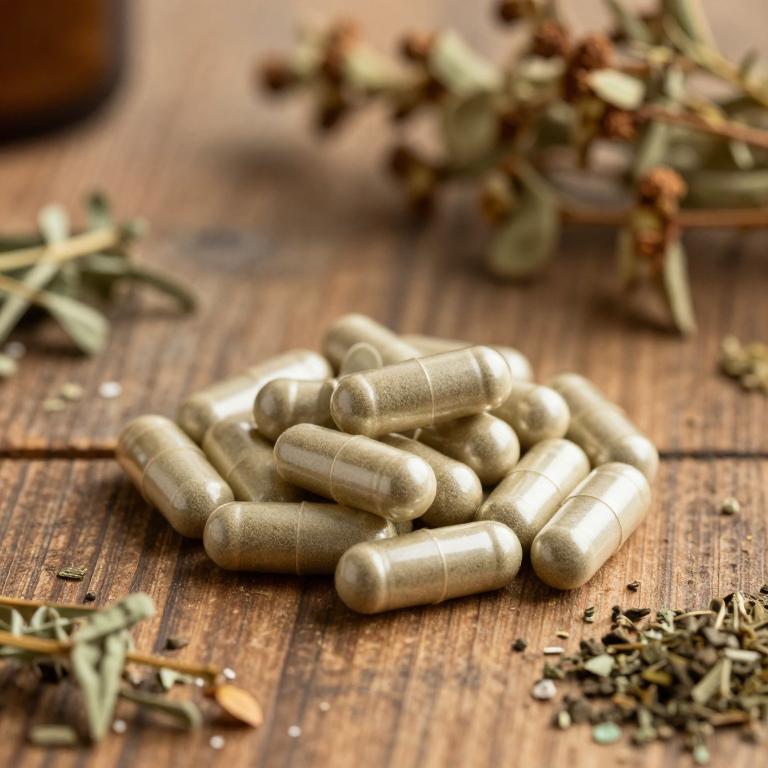
Urtica dioica, commonly known as stinging nettle, is a nutrient-rich herb that has been traditionally used to support overall health and recovery.
When formulated into herbal capsules, Urtica dioica may aid in postoperative recovery by reducing inflammation and promoting tissue repair due to its high content of antioxidants and anti-inflammatory compounds. These capsules are often used to support immune function and reduce oxidative stress, which can be beneficial during the healing process. Additionally, they may help alleviate symptoms such as swelling and pain, contributing to a faster and more comfortable recovery.
However, it is important to consult with a healthcare provider before using Urtica dioica capsules, especially after surgery, to ensure safety and appropriateness for individual health conditions.
10. Panax ginseng (Panax ginseng)
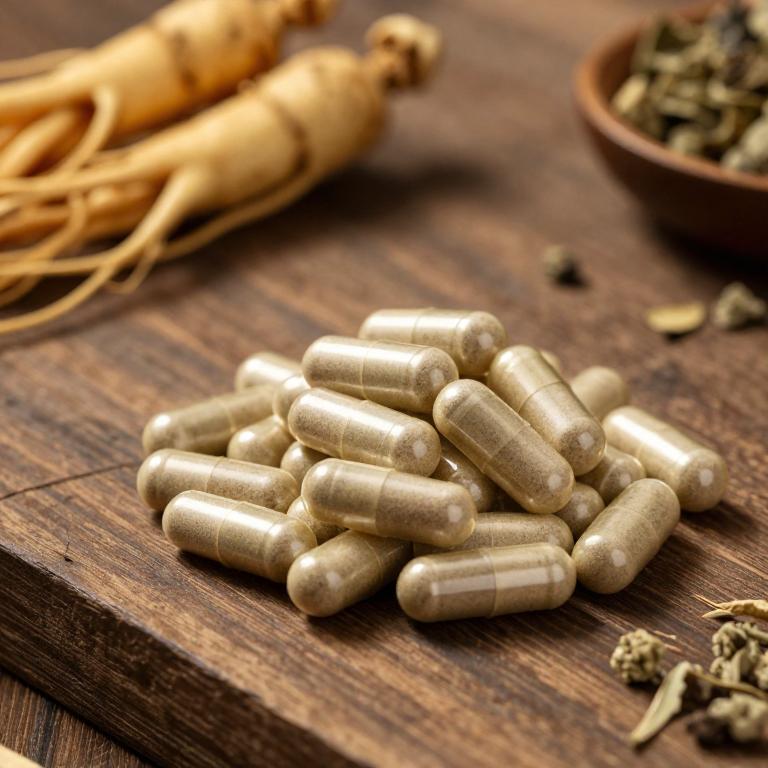
Panax ginseng herbal capsules are commonly used to support postoperative recovery due to their adaptogenic properties that help the body manage stress and promote overall well-being.
These capsules contain standardized extracts of Panax ginseng, which are known to enhance energy levels, reduce fatigue, and improve cognitive function, all of which are beneficial during the recovery period. Clinical studies suggest that ginseng may also support immune function and reduce inflammation, potentially accelerating healing processes after surgery. However, it is important to consult with a healthcare provider before using Panax ginseng, as it may interact with certain medications or affect blood sugar levels.
When taken as directed, these capsules can be a natural complement to conventional postoperative care, aiding in a smoother and more efficient recovery.