10 Best Herbal Syrups For Over Bleeding During Periods
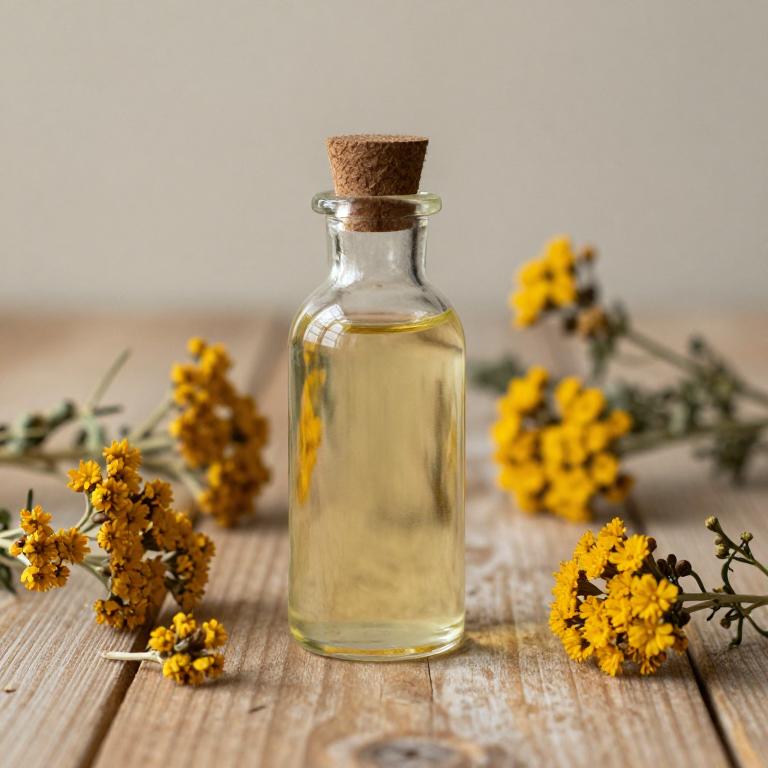
Herbal syrups have gained popularity as natural remedies for managing excessive bleeding during menstruation, offering a gentler alternative to conventional medications.
These syrups typically contain ingredients like raspberry leaf, nettle, and ginger, which are believed to support hormonal balance and reduce uterine inflammation. While some studies suggest that certain herbs may help regulate menstrual flow, their effectiveness can vary depending on individual physiology and the specific formulation. It is important to consult with a healthcare provider before using herbal syrups, especially if you have underlying health conditions or are taking other medications.
As with any supplement, quality and proper dosage are crucial to ensure safety and efficacy.
Table of Contents
- 1. Chaste tree (Vitex agnus-castus)
- 2. Stinging nettle (Urtica dioica)
- 3. Rosemary (Rosmarinus officinalis)
- 4. Fennel (Foeniculum vulgare)
- 5. Black cohosh (Cimicifuga racemosa)
- 6. Salvia (Salvia officinalis)
- 7. Yarrow (Achillea millefolium)
- 8. Common hawthorn (Crataegus oxyacantha)
- 9. Marigold (Calendula officinalis)
- 10. Field horsetail (Equisetum arvense)
1. Chaste tree (Vitex agnus-castus)
Vitex agnus-castus, commonly known as chasteberry, is often used in herbal syrups to support hormonal balance and may help manage symptoms of heavy menstrual bleeding.
This herb is believed to influence the pituitary gland, potentially regulating the production of luteinizing hormone and prolactin, which can affect menstrual flow. Herbal syrups containing vitex are typically taken in doses ranging from 20 to 40 drops twice daily, though it is important to consult a healthcare provider for personalized guidance. While some studies suggest that vitex may reduce menstrual bleeding, more research is needed to confirm its efficacy and safety for this specific use.
As with any herbal remedy, it is advisable to monitor any changes in menstrual patterns and seek professional medical advice if symptoms persist or worsen.
2. Stinging nettle (Urtica dioica)
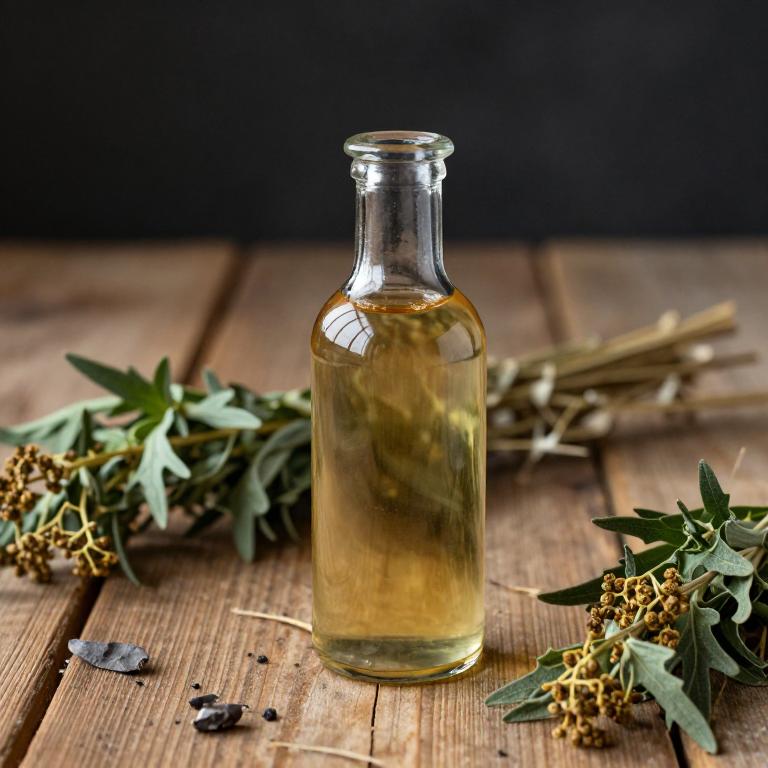
Urtica dioica, commonly known as stinging nettle, has been traditionally used in herbal medicine for its potential benefits in managing heavy menstrual bleeding.
When prepared as a herbal syrup, it is believed to support hormonal balance and reduce uterine inflammation, which may help regulate menstrual flow. The active compounds in stinging nettle, such as silica, iron, and flavonoids, are thought to strengthen blood vessels and improve overall circulatory health. However, it is important to consult with a healthcare provider before using urtica dioica syrup, especially for those with existing health conditions or taking other medications.
While some studies suggest its efficacy, more clinical research is needed to fully establish its role in treating menorrhagia.
3. Rosemary (Rosmarinus officinalis)
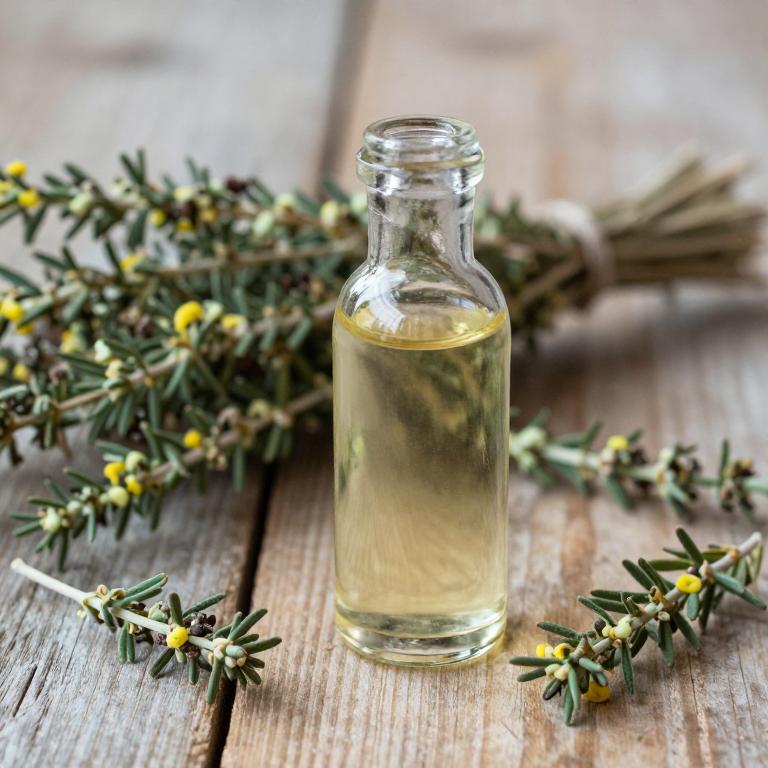
Rosmarinus officinalis, commonly known as rosemary, has been traditionally used in herbal medicine for its potential to support menstrual health.
Rosemary herbal syrups are believed to help regulate menstrual flow and may reduce excessive bleeding during periods due to their antispasmodic and astringent properties. These syrups contain essential oils and antioxidants that can promote uterine tone and reduce inflammation, which may contribute to decreased menstrual bleeding. However, it is important to consult with a healthcare provider before using rosemary syrups, especially for individuals with existing health conditions or those taking medications.
While some studies suggest possible benefits, more research is needed to fully understand the efficacy and safety of rosemary herbal syrups for managing heavy menstrual bleeding.
4. Fennel (Foeniculum vulgare)
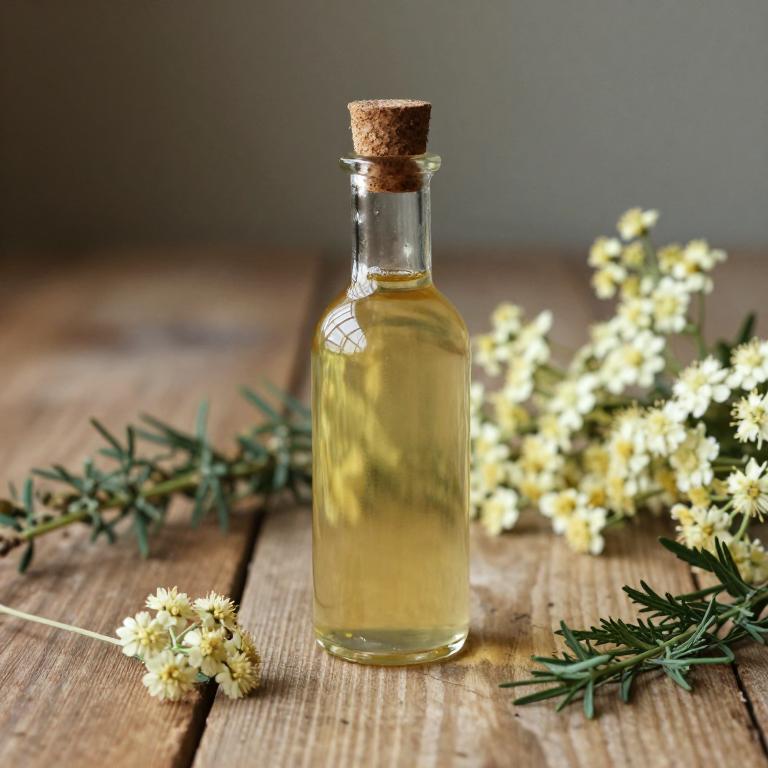
Foeniculum vulgare, commonly known as fennel, has been traditionally used in herbal medicine for its potential benefits in managing excessive menstrual bleeding.
Fennel herbal syrups are often prepared from the dried seeds of the plant and are believed to help regulate menstrual flow due to their antispasmodic and mild estrogenic properties. These syrups may support uterine health and reduce cramping, which can contribute to heavy bleeding during periods. However, it is important to consult with a healthcare provider before using fennel syrup, especially for individuals with hormone-sensitive conditions or those taking other medications.
While some studies suggest possible benefits, more clinical research is needed to fully understand its efficacy and safety in treating menstrual disorders.
5. Black cohosh (Cimicifuga racemosa)
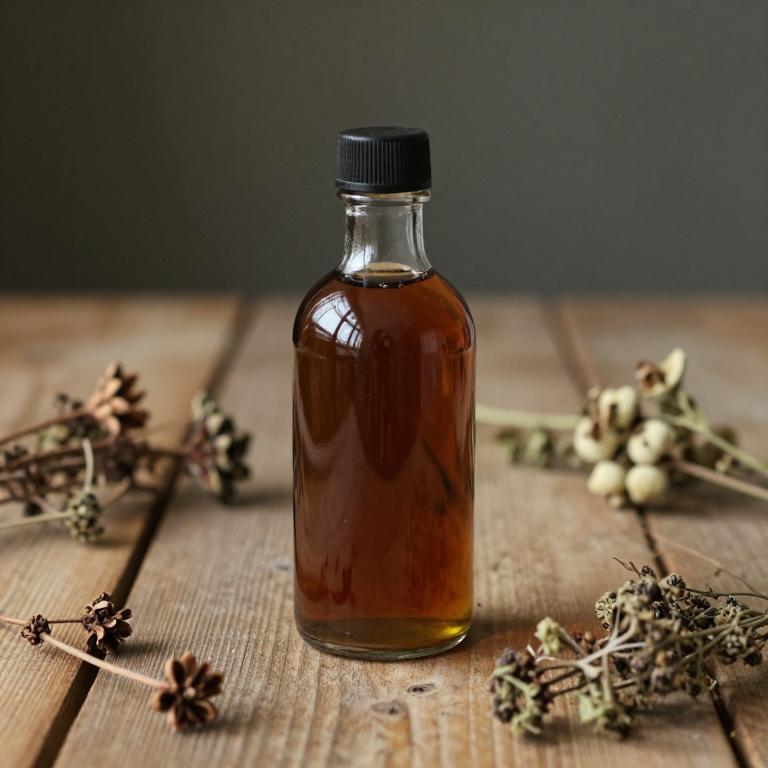
Cimicifuga racemosa, commonly known as black cohosh, has been traditionally used to support women's health, particularly for managing symptoms associated with menopause and menstrual irregularities.
Herbal syrups made from Cimicifuga racemosa are often used to help alleviate heavy bleeding during periods by potentially regulating hormonal imbalances and reducing uterine contractions. These syrups are typically prepared by extracting the roots of the plant with alcohol or water, resulting in a concentrated form that can be easily administered. While some studies suggest that black cohosh may have mild estrogen-like effects, it is important to consult a healthcare provider before use, especially for individuals with a history of hormone-sensitive conditions.
As a natural remedy, Cimicifuga racemosa herbal syrup may offer a gentle alternative for managing period-related bleeding, though its efficacy and safety should be evaluated on a case-by-case basis.
6. Salvia (Salvia officinalis)
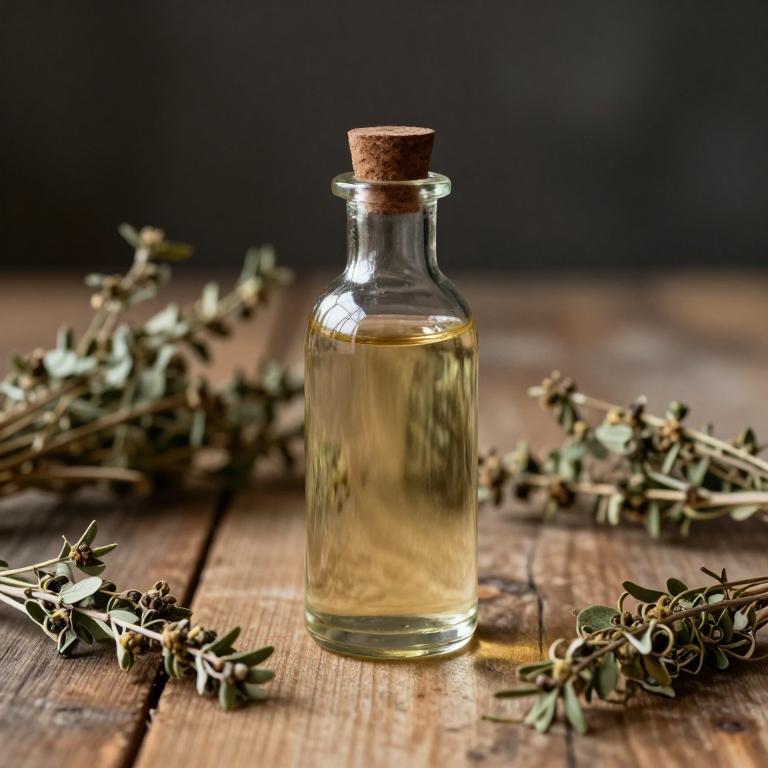
Salvia officinalis, commonly known as sage, has been traditionally used in herbal medicine for its potential to reduce excessive menstrual bleeding.
Sage contains compounds such as rosmarinic acid and flavonoids, which may help regulate hormonal balance and strengthen blood vessels, thereby reducing menstrual flow. Herbal syrups made from sage are often prepared by steeping the dried leaves in alcohol or glycerin, allowing the active constituents to be extracted for medicinal use. These syrups are typically recommended for women experiencing heavy periods, though they should be used under the guidance of a healthcare professional.
While some studies suggest sage may have mild hemostatic properties, more research is needed to fully understand its efficacy and safety in managing menstrual bleeding.
7. Yarrow (Achillea millefolium)
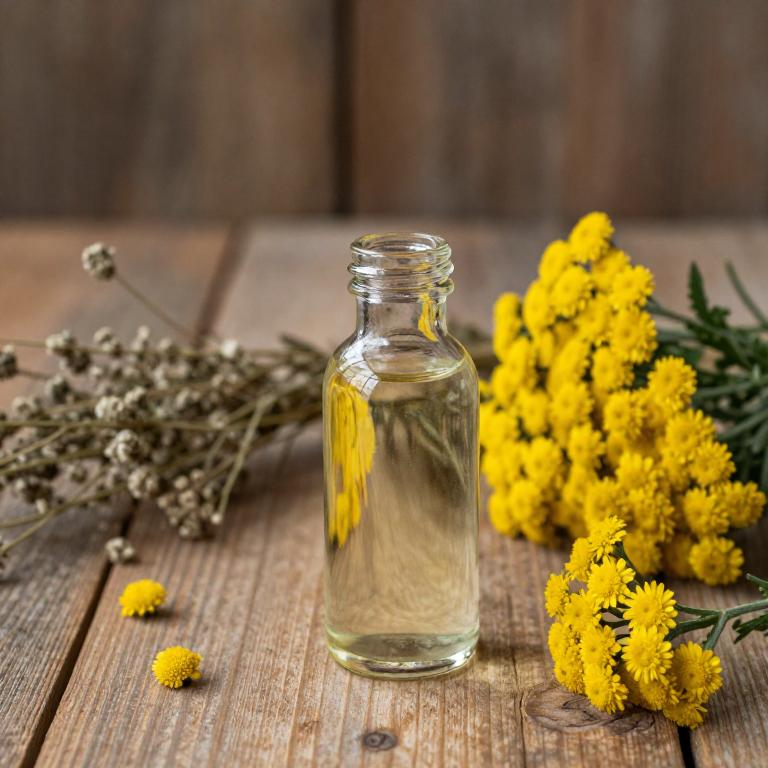
Achillea millefolium, commonly known as yarrow, has been traditionally used in herbal medicine for its potential to support menstrual health.
When prepared as a herbal syrup, it may help reduce excessive bleeding during periods due to its astringent and anti-inflammatory properties. The syrup is believed to strengthen blood vessels and promote uterine tone, which can aid in regulating menstrual flow. It is often recommended as a complementary therapy under the guidance of a qualified herbalist or healthcare provider.
However, it is important to consult a professional before use, especially for individuals with existing health conditions or those taking other medications.
8. Common hawthorn (Crataegus oxyacantha)
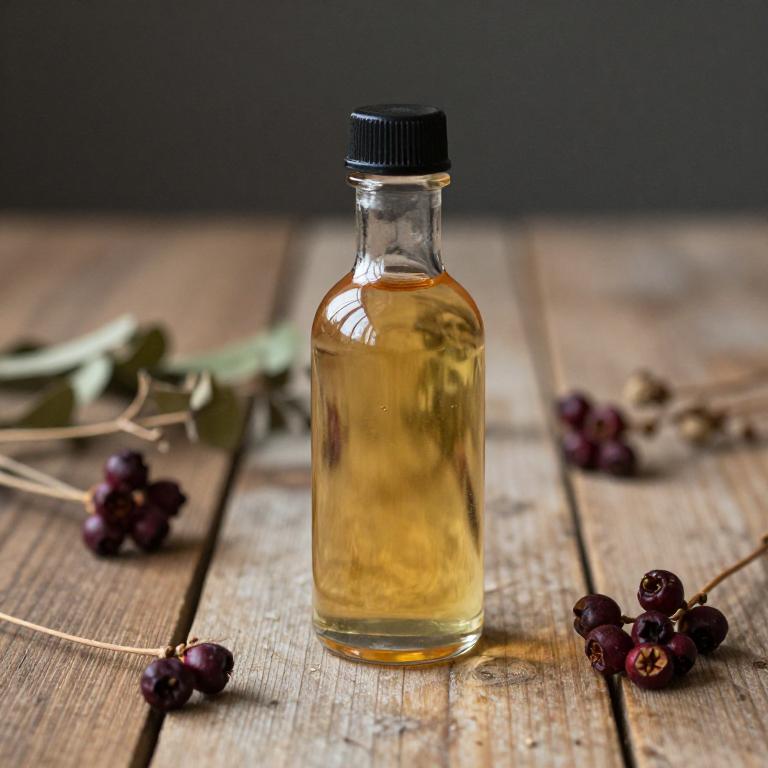
Crataegus oxyacantha, commonly known as hawthorn, is traditionally used in herbal medicine for its potential benefits in managing excessive menstrual bleeding.
Herbal syrups made from hawthorn are believed to help regulate hormonal imbalances that may contribute to heavy menstrual flow. These syrups are often prepared using the leaves, flowers, and berries of the plant, which are rich in antioxidants and bioactive compounds. While some studies suggest that hawthorn may support uterine health, it is important to consult a healthcare provider before using it, especially for those with existing medical conditions or who are taking other medications.
As with any herbal remedy, the effectiveness and safety of Crataegus oxyacantha syrups can vary, and they should not replace professional medical advice.
9. Marigold (Calendula officinalis)
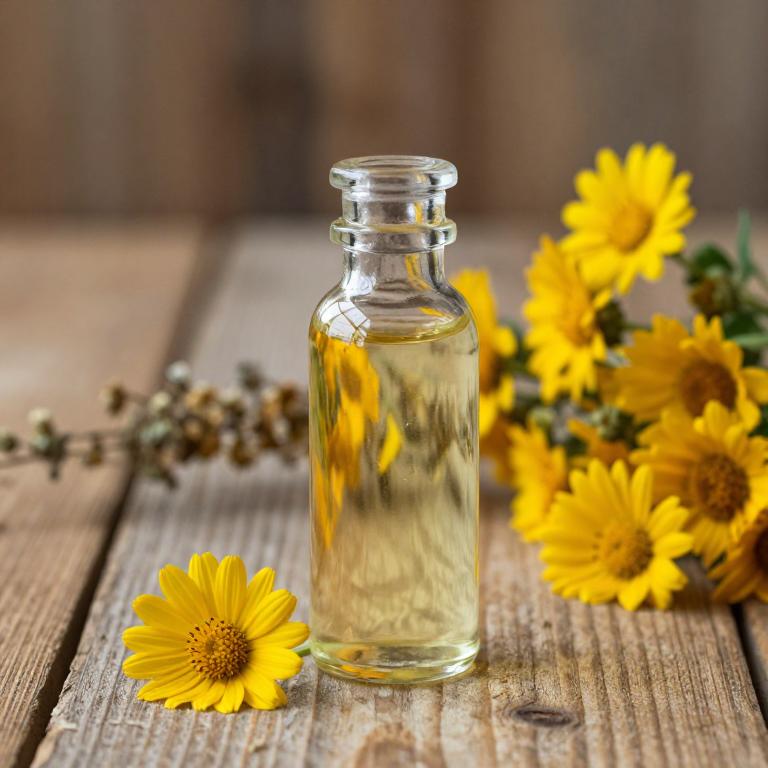
Calendula officinalis herbal syrups are traditionally used to support menstrual health and may help manage light bleeding during periods due to their anti-inflammatory and astringent properties.
These syrups are made from the dried flowers of the calendula plant, which have been used in herbal medicine for centuries. They are believed to help tone the uterine lining and reduce excessive or prolonged bleeding by promoting healing and reducing irritation. However, it is important to consult with a healthcare provider before using calendula syrups, especially if you have underlying health conditions or are taking other medications.
While some individuals report relief from symptoms, scientific evidence supporting its efficacy for menstrual bleeding is limited, and it should not replace professional medical advice.
10. Field horsetail (Equisetum arvense)
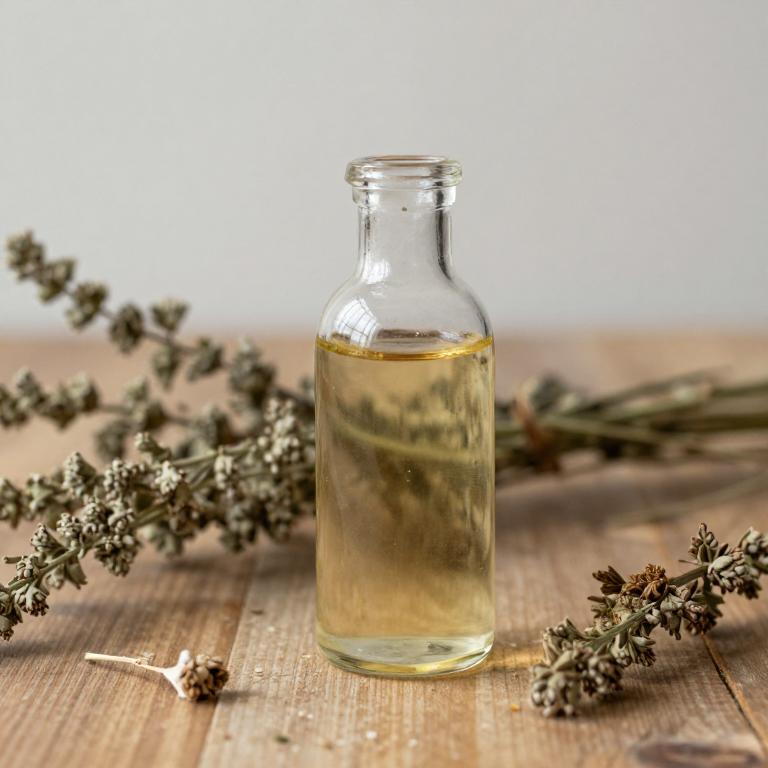
Equisetum arvense, commonly known as field horsetail, has been traditionally used in herbal medicine for its potential astringent and hemostatic properties.
Herbal syrups made from Equisetum arvense are sometimes used to help manage heavy bleeding during menstruation due to their ability to reduce uterine lining thickness and promote blood clotting. These syrups contain high levels of silica and other compounds that may support overall reproductive health and reduce menstrual flow. However, it is important to consult a healthcare professional before using Equisetum arvense, as it can interact with certain medications and may not be suitable for everyone.
While some individuals report positive results, scientific evidence supporting its efficacy for menstrual bleeding is limited and more research is needed.