10 Best Herbal Capsules For Over Bleeding During Periods
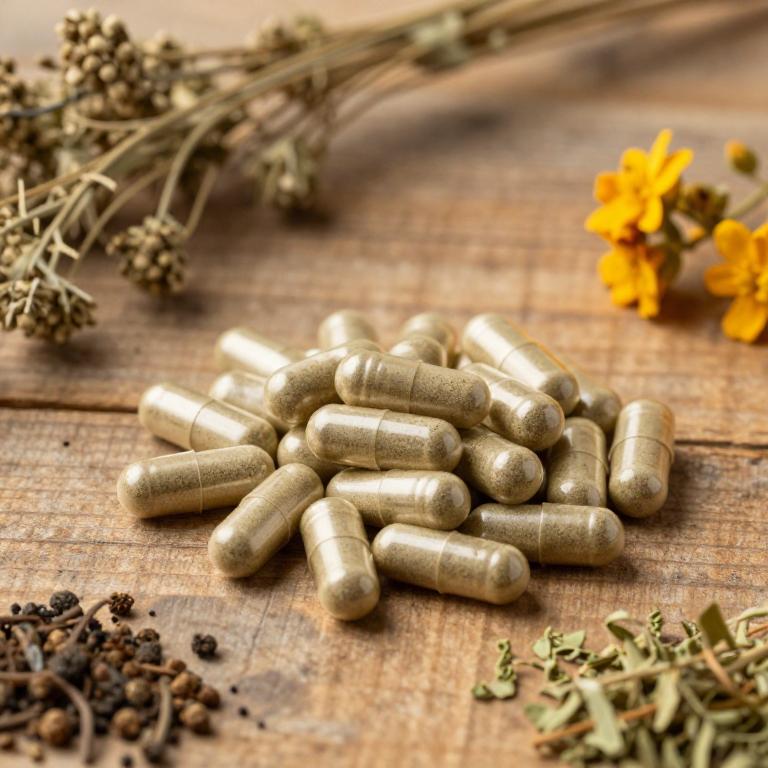
Herbal capsules are increasingly being used as a natural remedy to manage heavy bleeding during menstruation, offering an alternative to conventional pharmaceutical treatments.
These capsules typically contain a blend of herbs such as nettle, shepherd’s purse, and red raspberry leaf, which are believed to help regulate menstrual flow and reduce excessive bleeding. They work by supporting the body's natural processes, such as strengthening blood vessels and balancing hormonal fluctuations that may contribute to heavy periods. However, it is important to consult with a healthcare provider before starting any herbal regimen, especially for individuals with underlying health conditions or those taking other medications.
While herbal capsules may provide relief for some women, their effectiveness can vary, and they should not replace professional medical advice or treatment when necessary.
Table of Contents
- 1. Chaste tree (Vitex agnus-castus)
- 2. Black cohosh (Cimicifuga racemosa)
- 3. Sanguisorba (Sanguisorba officinalis)
- 4. Dog rose (Rosa canina)
- 5. Tree peony (Paeonia suffruticosa)
- 6. Stinging nettle (Urtica dioica)
- 7. Heartworts (Leonurus cardiaca)
- 8. Field horsetail (Equisetum arvense)
- 9. Marigold (Calendula officinalis)
- 10. English lavender (Lavandula angustifolia)
1. Chaste tree (Vitex agnus-castus)
Vitex agnus-castus, commonly known as chasteberry, is a herbal remedy that has been traditionally used to support hormonal balance in women.
Herbal capsules containing vitex agnus-castus are often recommended for managing excessive menstrual bleeding due to their potential to regulate menstrual cycles and reduce hormonal imbalances. The herb is believed to influence the pituitary gland, which can help modulate the production of luteinizing hormone and prolactin. While some studies suggest it may help reduce heavy bleeding, it is important to consult a healthcare provider before use, as individual responses can vary.
As with any supplement, it should be used as part of a holistic approach to women's health.
2. Black cohosh (Cimicifuga racemosa)
Cimicifuga racemosa, commonly known as black cohosh, is a herbal remedy often used to alleviate symptoms associated with menopause and menstrual irregularities.
It is particularly noted for its potential to reduce heavy menstrual bleeding, a condition known as menorrhagia. The active compounds in Cimicifuga racemosa may help regulate hormonal imbalances that contribute to excessive uterine bleeding. Herbal capsules containing this plant are typically standardized to ensure consistent potency and safety.
However, it is important to consult a healthcare provider before use, especially for women with a history of blood clotting disorders or those taking other medications.
3. Sanguisorba (Sanguisorba officinalis)
Sanguisorba officinalis, commonly known as Korean dropwort, is a traditional herbal remedy that has been used for centuries to support women's health, particularly in managing excessive menstrual bleeding.
The herbal capsules derived from this plant contain bioactive compounds such as tannins, flavonoids, and polysaccharides, which are believed to help regulate menstrual flow and reduce blood loss. These capsules are often recommended as a natural alternative to conventional treatments for dysmenorrhea and menorrhagia, offering a gentle yet effective approach to hormonal balance. Clinical studies suggest that Sanguisorba officinalis may help strengthen blood vessels and improve uterine tone, thereby reducing the risk of anemia associated with heavy periods.
As a result, many women find these herbal capsules to be a valuable addition to their wellness routine for managing menstrual health.
4. Dog rose (Rosa canina)
Rosa canina, commonly known as rosehip, is a traditional herbal remedy that has been used for centuries to support women's health, particularly during menstruation.
Rosa canina herbal capsules are often recommended for women experiencing heavy or prolonged bleeding during their periods due to their high content of bioflavonoids, vitamin C, and other antioxidants. These nutrients help strengthen blood vessels and may reduce the risk of excessive blood loss. The anti-inflammatory properties of rosehip also contribute to reducing menstrual discomfort and promoting overall reproductive health.
As a natural supplement, rosa canina is generally considered safe, though it is advisable to consult a healthcare professional before starting any new herbal regimen.
5. Tree peony (Paeonia suffruticosa)
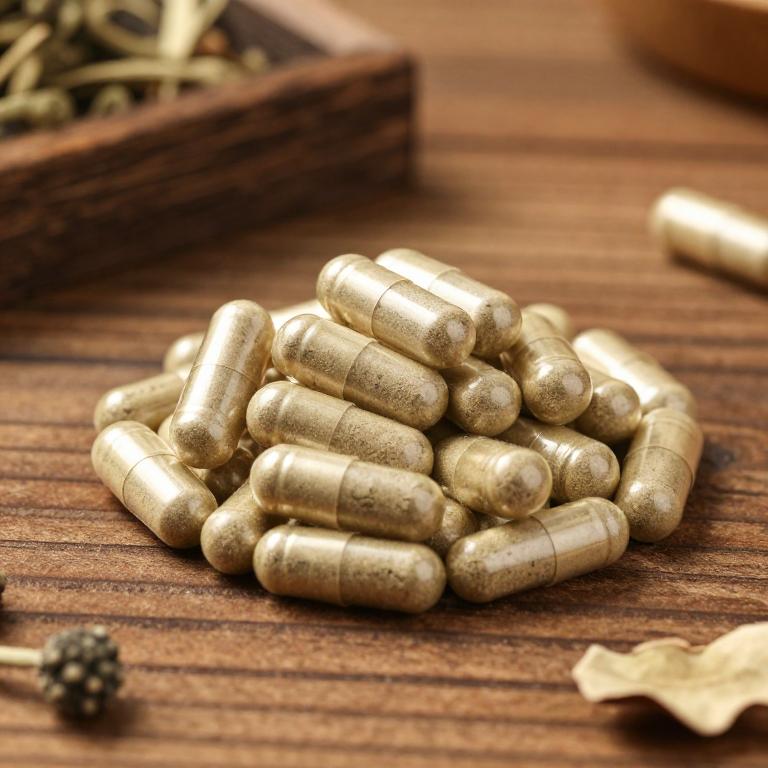
Paeonia suffruticosa, commonly known as the peony, has been traditionally used in herbal medicine for its potential to support menstrual health.
Herbal capsules containing Paeonia suffruticosa are often recommended for women experiencing heavy bleeding during their periods due to their purported ability to regulate blood flow and reduce excessive menstrual bleeding. The active compounds in this herb, such as paeoniflorin, are believed to have anti-inflammatory and hemostatic properties that may aid in reducing uterine contractions and promoting hormonal balance. However, it is important to consult with a healthcare provider before using these capsules, especially if you have underlying health conditions or are taking other medications.
While some studies suggest potential benefits, more research is needed to fully understand its efficacy and safety for managing menstrual bleeding.
6. Stinging nettle (Urtica dioica)
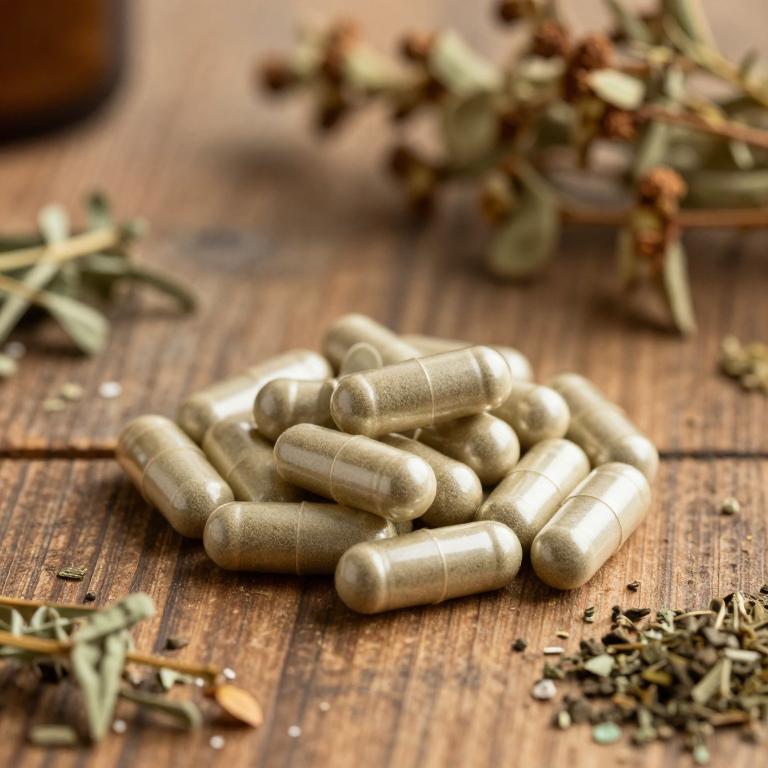
Urtica dioica, commonly known as stinging nettle, has been traditionally used in herbal medicine for its potential benefits in managing excessive menstrual bleeding.
Urtica dioica herbal capsules are often formulated to support hormonal balance and reduce uterine lining thickness, which may help regulate menstrual flow. These capsules are typically made from standardized extracts of the plant, ensuring consistent potency and efficacy. They are considered a natural alternative for women seeking to manage heavy periods without synthetic medications.
However, it is important to consult with a healthcare provider before using urtica dioica, especially if you have underlying health conditions or are taking other medications.
7. Heartworts (Leonurus cardiaca)
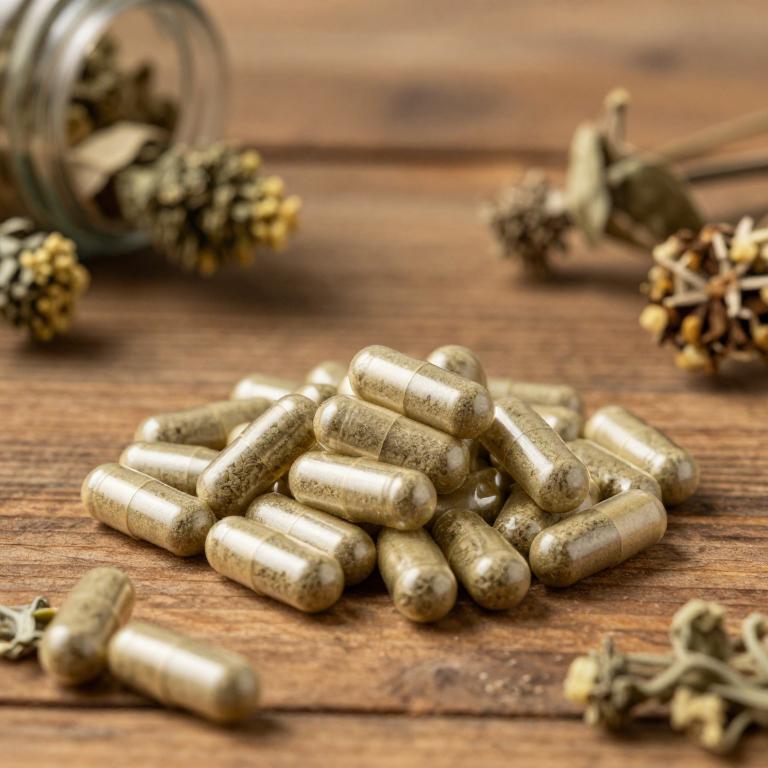
Leonurus cardiaca, commonly known as motherwort, has been traditionally used to support women's health, particularly for managing excessive bleeding during menstruation.
Herbal capsules containing Leonurus cardiaca are often formulated to help regulate menstrual flow and reduce heavy bleeding by promoting uterine tone and blood coagulation. These capsules are typically made from standardized extracts of the plant, ensuring consistent potency and efficacy. They are considered a natural alternative for women seeking relief from menorrhagia without the side effects of conventional pharmaceuticals.
However, it is advisable to consult a healthcare professional before using Leonurus cardiaca, especially for those with underlying health conditions or taking other medications.
8. Field horsetail (Equisetum arvense)
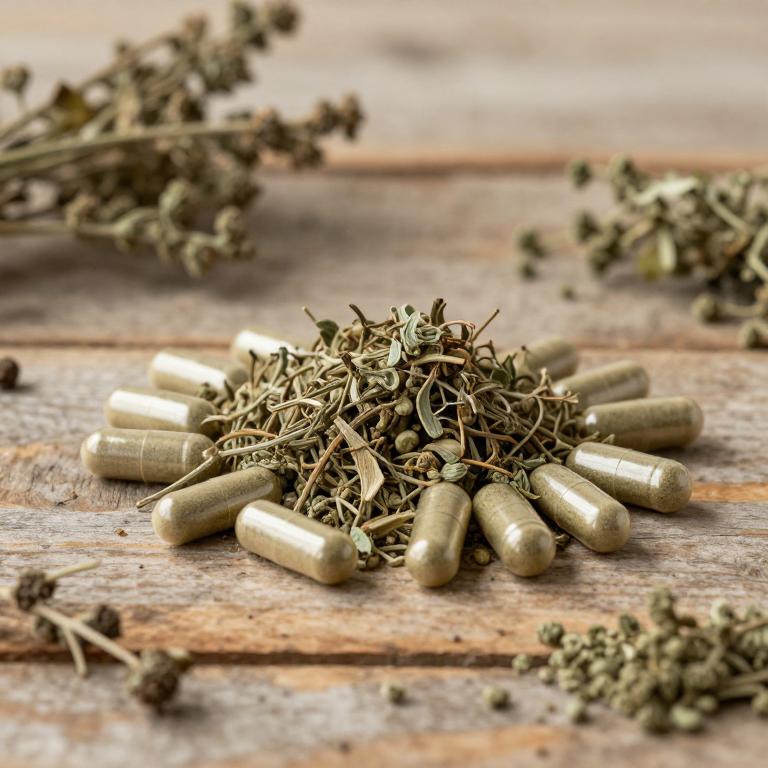
Equisetum arvense, commonly known as field horsetail, is a traditional herbal remedy that has been used for its astringent and anti-inflammatory properties.
Herbal capsules containing Equisetum arvense are often recommended for women experiencing heavy menstrual bleeding due to their ability to help reduce blood loss and promote uterine toning. The herb is believed to support the body's natural clotting mechanisms and may help alleviate symptoms associated with menorrhagia. However, it is important to consult with a healthcare provider before use, as it may interact with certain medications or have contraindications for some individuals.
Overall, Equisetum arvense capsules can be a complementary approach to managing excessive menstrual bleeding when used under professional guidance.
9. Marigold (Calendula officinalis)
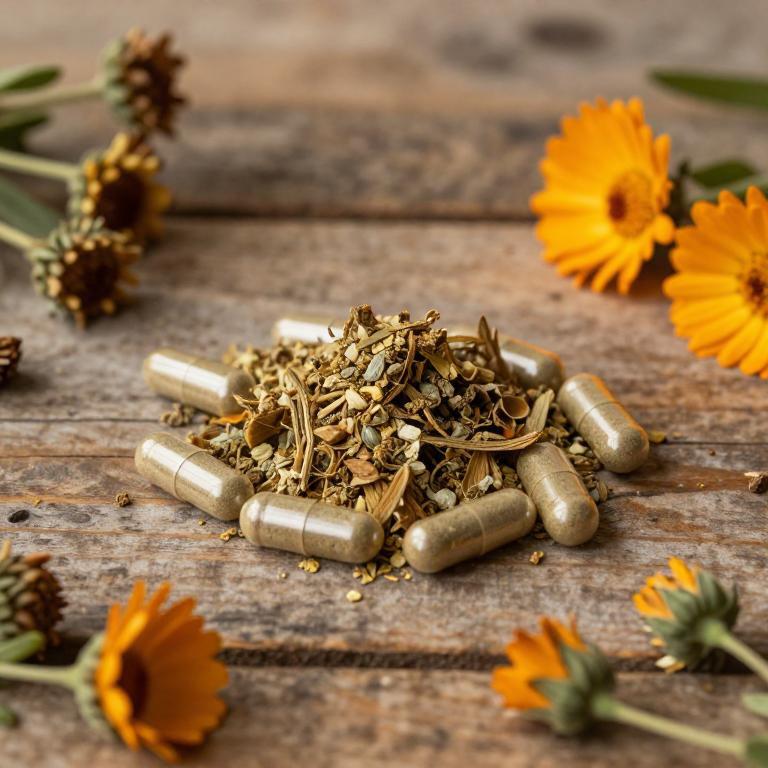
Calendula officinalis herbal capsules are commonly used to support women's health, particularly for managing excessive bleeding during menstruation.
These capsules contain standardized extracts of the calendula flower, which is known for its anti-inflammatory and astringent properties. They may help to reduce menstrual flow by strengthening blood vessels and promoting tissue repair. However, it is important to consult with a healthcare provider before using calendula, especially for those with existing medical conditions or who are taking other medications.
While generally considered safe, individual responses to herbal supplements can vary, so proper guidance is essential for optimal and safe use.
10. English lavender (Lavandula angustifolia)
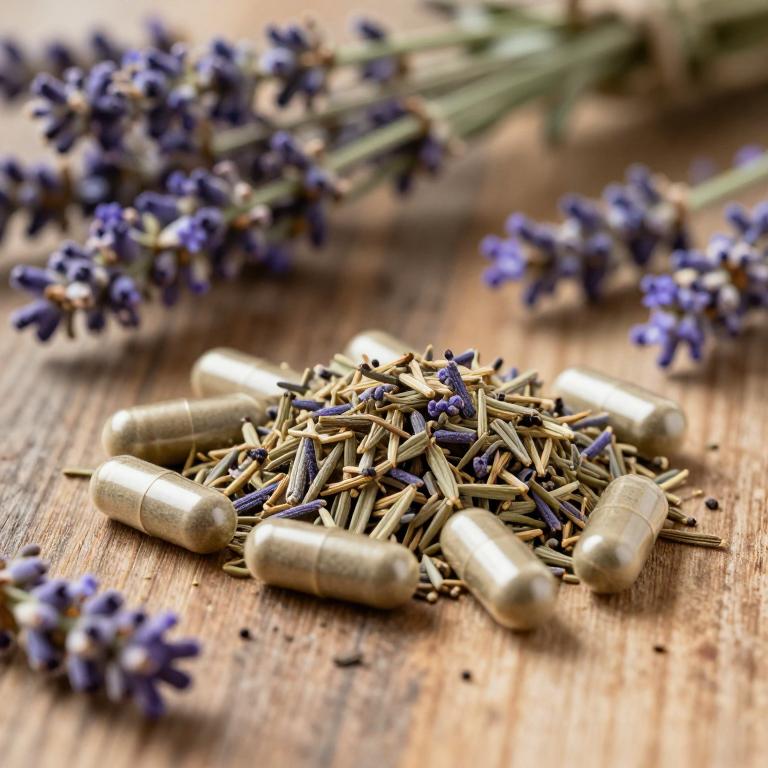
Lavandula angustifolia, commonly known as English lavender, has been traditionally used for its calming and healing properties.
Herbal capsules containing Lavandula angustifolia may help reduce excessive bleeding during menstruation due to their potential antispasmodic and astringent effects. These capsules are often used as a natural alternative to conventional treatments, offering a gentler approach for women seeking relief from heavy menstrual flow. The active compounds in lavender, such as linalool and lavandin, are believed to support hormonal balance and uterine health.
However, it is important to consult with a healthcare provider before use, especially for those with underlying medical conditions or who are pregnant.