10 Best Herbal Syrups For Period Cramps
Herbal syrups have gained popularity as a natural remedy for alleviating period cramps due to their soothing and anti-inflammatory properties.
Common ingredients such as ginger, cinnamon, and chamomile are often included for their ability to relax muscles and reduce pain. These syrups are typically easy to consume and can be taken orally in small doses throughout the menstrual cycle. They are generally considered safe for most individuals, though it's advisable to consult a healthcare provider before use, especially for those with existing medical conditions or on other medications.
Overall, herbal syrups offer a gentle, alternative approach to managing menstrual discomfort.
Table of Contents
- 1. Chaste tree (Vitex agnus-castus)
- 2. Turmeric (Curcuma longa)
- 3. Black cohosh (Cimicifuga racemosa)
- 4. Dog rose (Rosa canina)
- 5. Fennel (Foeniculum vulgare)
- 6. Ginger (Zingiber officinale)
- 7. Chinese peony (Paeonia lactiflora)
- 8. White water lily (Nymphaea alba)
- 9. Ceylon cinnamon (Cinnamomum zeylanicum)
- 10. Stinging nettle (Urtica dioica)
1. Chaste tree (Vitex agnus-castus)
Vitex agnus-castus, commonly known as chasteberry, is a herbal remedy that has been traditionally used to support women's health, particularly in managing symptoms related to the menstrual cycle.
Herbal syrups made from vitex are often used to alleviate period cramps by regulating hormonal imbalances, especially those involving prolactin and progesterone levels. These syrups are typically taken in small doses during the luteal phase of the menstrual cycle to help reduce discomfort and promote smoother menstrual flow. Many women report a decrease in cramping and mood swings when using vitex-based syrups consistently over several menstrual cycles.
However, it is important to consult with a healthcare provider before starting any herbal regimen, especially for those with existing medical conditions or taking other medications.
2. Turmeric (Curcuma longa)
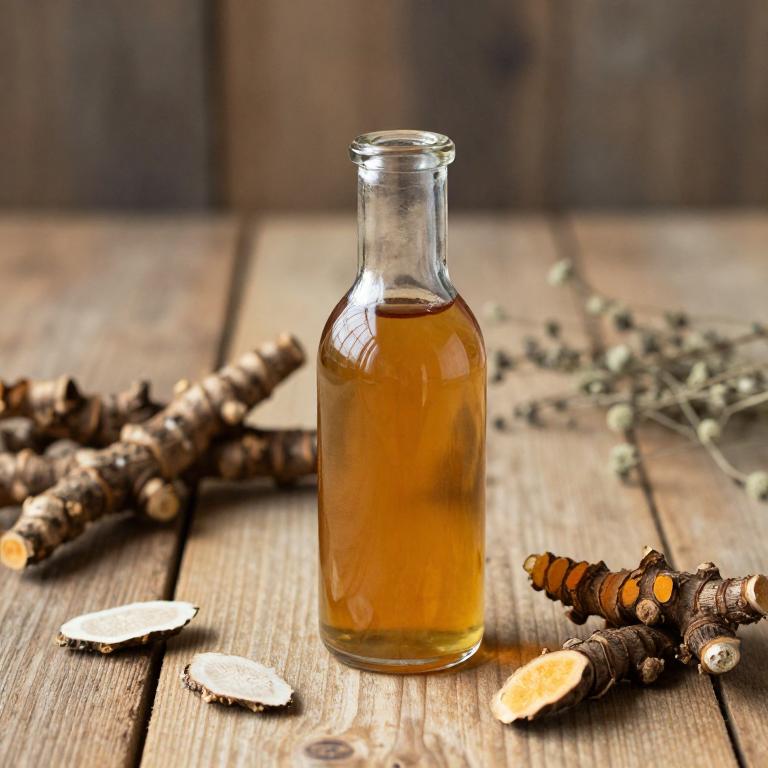
Curcuma longa, commonly known as turmeric, has been traditionally used for its anti-inflammatory and analgesic properties, making it a popular ingredient in herbal syrups for alleviating period cramps.
These syrups often combine curcumin, the active compound in turmeric, with other soothing herbs like ginger or cinnamon to enhance their effectiveness. The warming and antispasmodic qualities of curcuma longa can help reduce uterine contractions and ease the discomfort associated with menstrual pain. When consumed as a syrup, it offers a convenient and palatable way to incorporate turmeric into one’s wellness routine.
However, it is important to consult with a healthcare provider before using these syrups, especially for individuals with existing health conditions or those taking other medications.
3. Black cohosh (Cimicifuga racemosa)
Cimicifuga racemosa, commonly known as black cohosh, is a herbal remedy often used to alleviate symptoms of menstrual cramps and other premenstrual discomforts.
Herbal syrups made from this plant are popular due to their ease of use and perceived natural benefits. These syrups are believed to work by influencing hormone levels and reducing uterine contractions, which can ease pain and discomfort during menstruation. Many women find relief from period cramps using black cohosh syrups as a complementary therapy to traditional pain management methods.
However, it is important to consult a healthcare provider before use, especially for those with underlying health conditions or taking other medications.
4. Dog rose (Rosa canina)
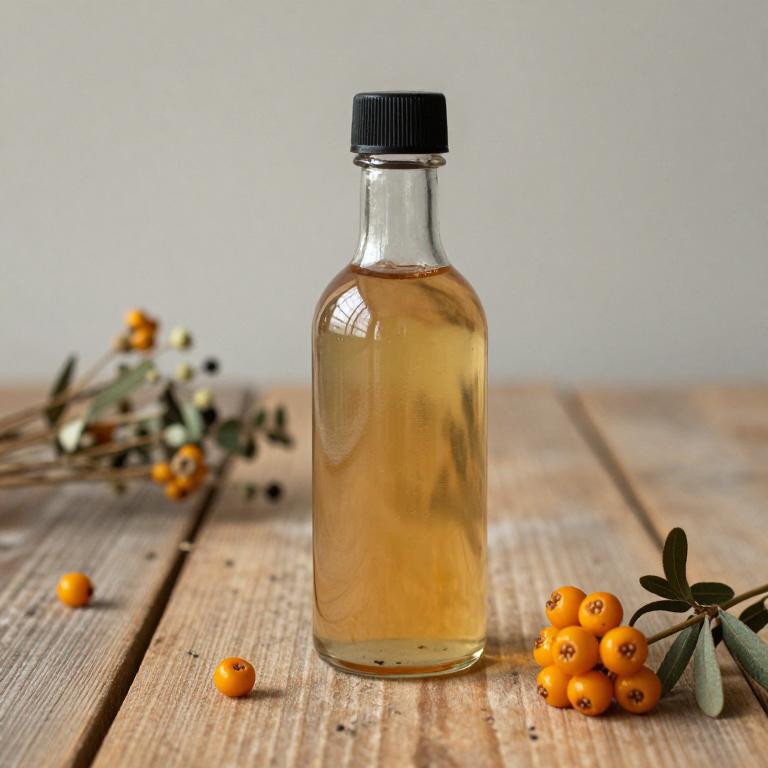
Rosa canina, also known as rose hip, is a traditional herbal remedy that has been used for centuries to support women's health, particularly in alleviating symptoms of period cramps.
The syrup form of Rosa canina is often recommended for its high concentration of bioflavonoids, vitamin C, and essential fatty acids, which may help reduce inflammation and muscle spasms. When taken regularly, Rosa canina herbal syrup can provide natural relief from menstrual discomfort, offering a gentle alternative to over-the-counter pain medications. It is typically made from dried rose hips that are steeped in honey or sugar syrup, preserving the plant's beneficial compounds.
However, it is important to consult with a healthcare provider before use, especially if you have underlying health conditions or are taking other medications.
5. Fennel (Foeniculum vulgare)
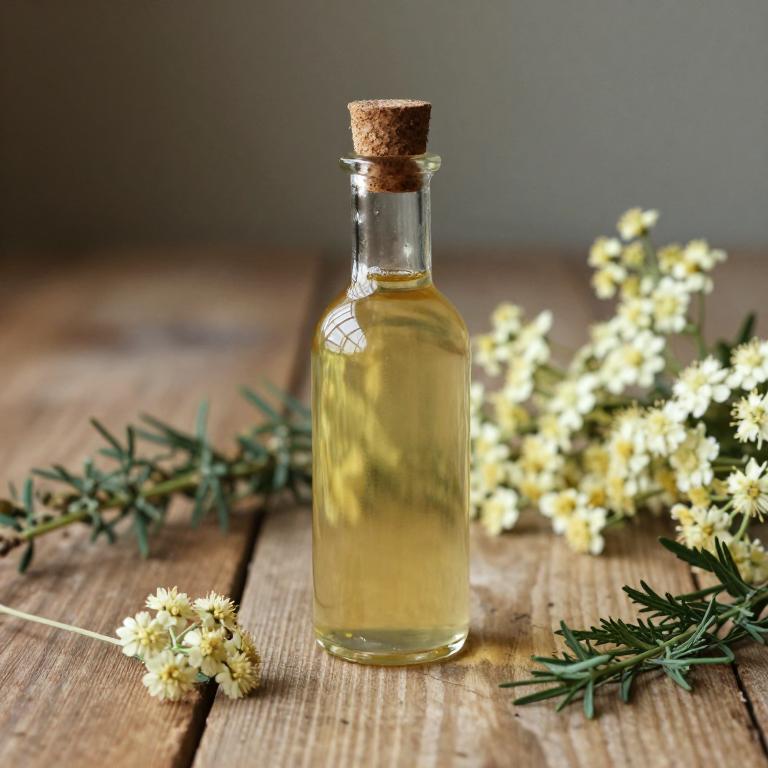
Foeniculum vulgare, commonly known as fennel, has been traditionally used in herbal medicine to alleviate symptoms associated with menstrual cramps.
Fennel herbal syrups are often made from the dried seeds of the plant and are rich in essential oils, such as anethole, which have mild antispasmodic and anti-inflammatory properties. These syrups can help relax the uterine muscles, reducing the intensity of cramping and discomfort during menstruation. Many women find relief from period pain by using fennel syrup as a natural alternative to over-the-counter pain relievers.
However, it is important to consult with a healthcare provider before use, especially for those with existing medical conditions or who are pregnant.
6. Ginger (Zingiber officinale)
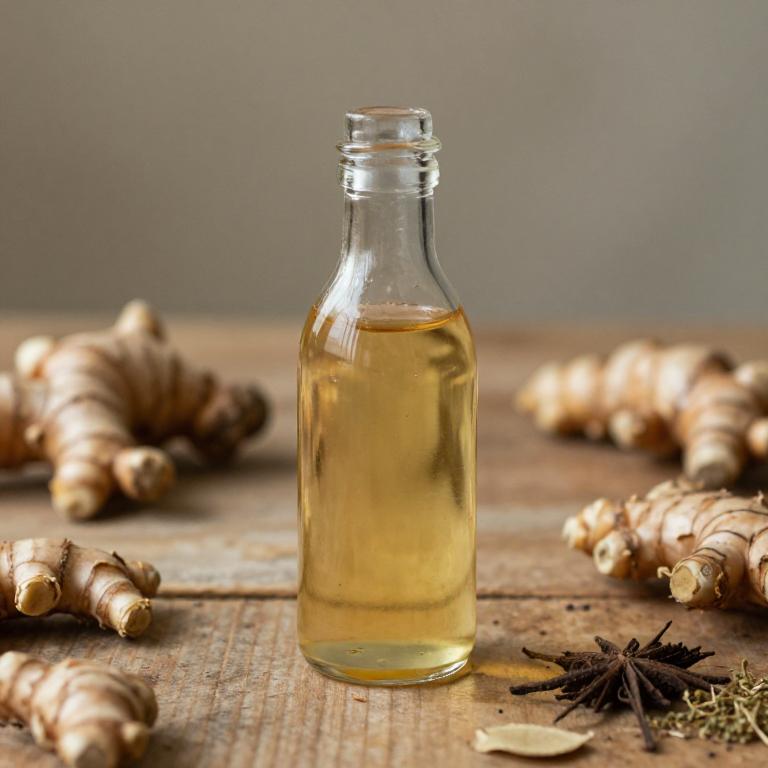
Zingiber officinale, commonly known as ginger, has been widely recognized for its natural ability to alleviate period cramps due to its anti-inflammatory and analgesic properties.
When used in the form of herbal syrups, ginger offers a convenient and palatable method of consumption, making it accessible for daily use. These syrups are often enriched with other soothing ingredients like honey or chamomile, enhancing both flavor and therapeutic effects. Clinical studies suggest that ginger can help reduce the intensity and duration of menstrual pain by improving blood flow and reducing uterine contractions.
As a natural alternative to over-the-counter pain medications, ginger syrup provides a safe and effective option for managing period cramps, especially for those seeking holistic wellness solutions.
7. Chinese peony (Paeonia lactiflora)
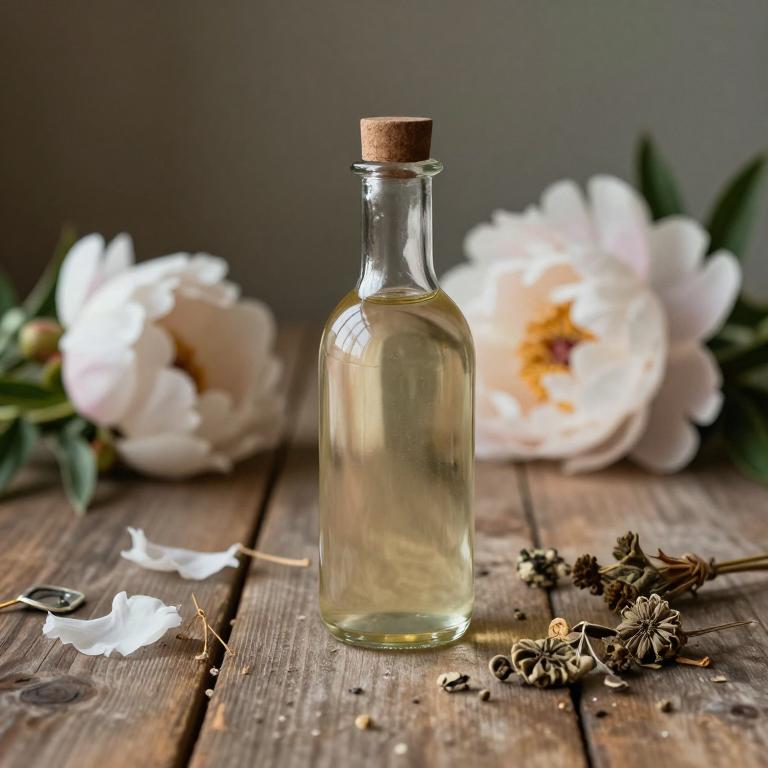
Paeonia lactiflora, commonly known as the peony, has been traditionally used in herbal medicine for its soothing properties, and its extract is often incorporated into herbal syrups to alleviate symptoms of period cramps.
These syrups are believed to work by promoting blood circulation and reducing uterine spasms, which can help ease the intense pain associated with menstrual cramps. The active compounds in Paeonia lactiflora, such as paeoniflorin, are thought to have anti-inflammatory and analgesic effects, making them a natural alternative for women seeking relief without synthetic medications. When used as part of a holistic approach, these herbal syrups may support overall menstrual health and comfort.
However, it is important to consult with a healthcare provider before use, especially for those with underlying health conditions or who are pregnant.
8. White water lily (Nymphaea alba)
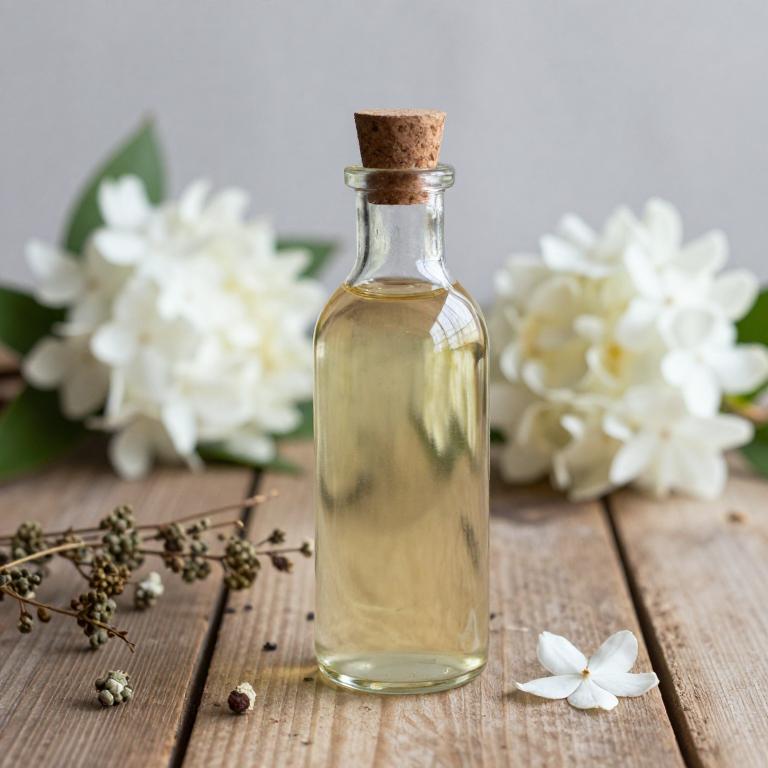
Nymphaea alba, also known as white water lily, has been traditionally used in herbal medicine for its potential soothing properties.
Herbal syrups made from Nymphaea alba are believed to help alleviate symptoms of period cramps due to their anti-inflammatory and analgesic effects. These syrups are often prepared by combining the plant's leaves and flowers with honey or other natural sweeteners to enhance flavor and bioavailability. The calming properties of Nymphaea alba may help reduce menstrual discomfort and support overall menstrual health.
While more research is needed, many women find these natural remedies to be a gentle and effective alternative to conventional pain relief options.
9. Ceylon cinnamon (Cinnamomum zeylanicum)
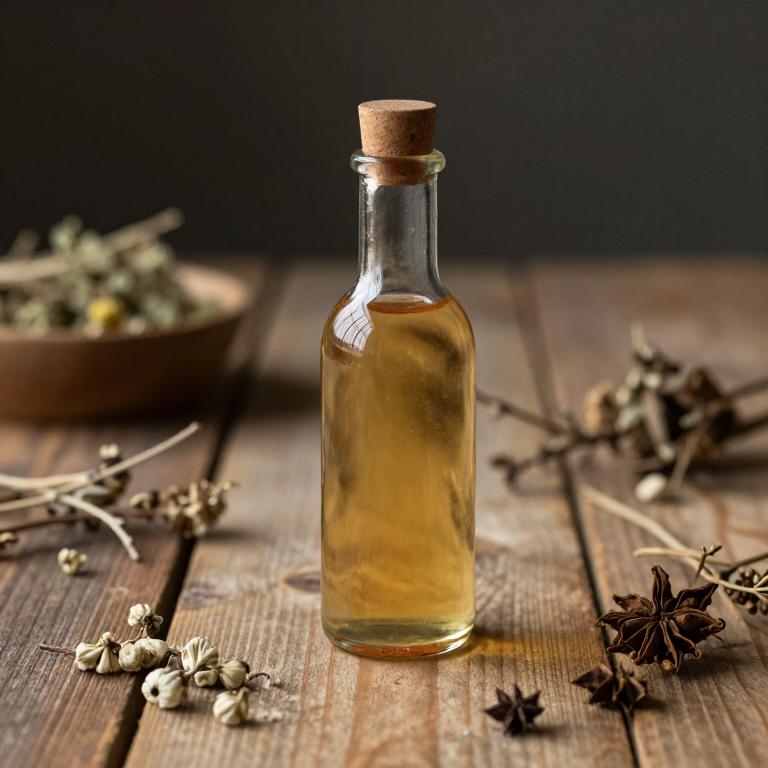
Cinnamomum zeylanicum, commonly known as cinnamon, has been traditionally used for its warming and anti-inflammatory properties, making it a popular ingredient in herbal syrups for alleviating period cramps.
These syrups often combine cinnamon with other herbs like ginger, turmeric, and chamomile to enhance their pain-relieving and soothing effects. The essential oils and compounds in cinnamon, such as cinnamaldehyde, may help reduce uterine contractions and ease menstrual discomfort. When consumed as a syrup, cinnamon is easily absorbed and can provide a gentle, natural remedy for women experiencing mild to moderate cramps.
However, it is important to consult a healthcare provider before using cinnamon-based syrups, especially for those with diabetes or on blood-thinning medications.
10. Stinging nettle (Urtica dioica)
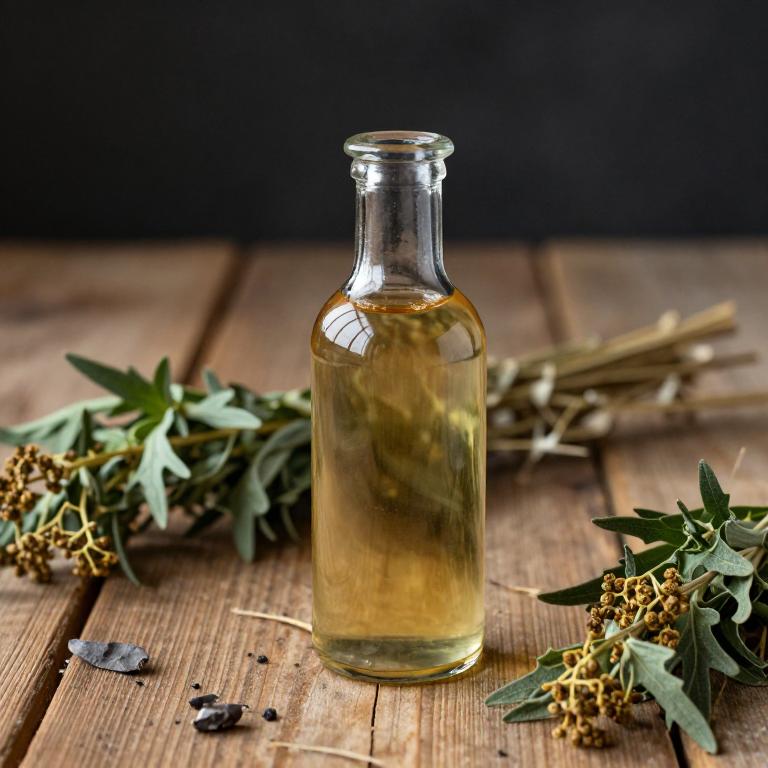
Urtica dioica, commonly known as stinging nettle, has been traditionally used for its potential health benefits, including relief from period cramps when used in herbal syrups.
These syrups are often prepared by infusing the dried leaves of the plant in a sweetened liquid, making them easy to consume and absorb. The high concentration of minerals like iron, magnesium, and calcium in stinging nettle may contribute to its effectiveness in reducing menstrual discomfort. Some studies suggest that the anti-inflammatory and analgesic properties of Urtica dioica can help alleviate cramping and other symptoms associated with menstruation.
However, it is important to consult with a healthcare provider before using these syrups, especially for individuals with existing medical conditions or those taking other medications.