10 Best Herbal Lozenges For Osteoarthritis
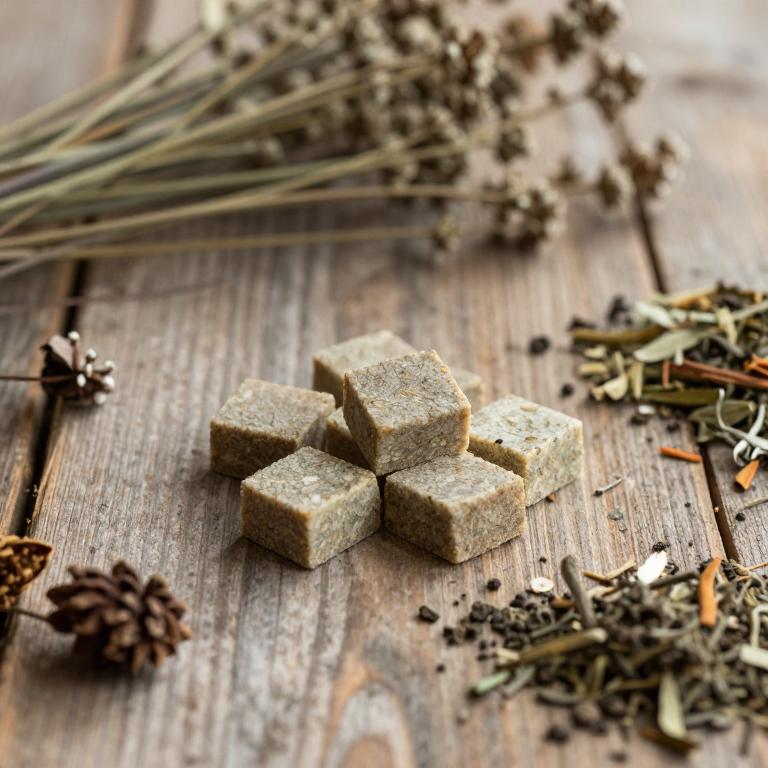
Herbal lozenges for osteoarthritis are natural remedies that may help alleviate joint pain and inflammation by incorporating ingredients such as turmeric, ginger, and willow bark, which are known for their anti-inflammatory and analgesic properties.
These lozenges are often used as an alternative or complementary therapy to conventional treatments, offering a more holistic approach to managing symptoms. They can provide localized relief by soothing the throat and reducing irritation, while also supporting overall joint health through their active botanical components. However, it is important to consult with a healthcare provider before using herbal lozenges, as they may interact with other medications or have side effects in certain individuals.
Despite their potential benefits, herbal lozenges should not replace professional medical advice or treatment for osteoarthritis.
Table of Contents
- 1. Turmeric (Curcuma longa)
- 2. Ginger (Zingiber officinale)
- 3. Salvia (Salvia officinalis)
- 4. Common grape (Vitis vinifera)
- 5. Thistle (Silybum marianum)
- 6. Licorice (Glycyrrhiza glabra)
- 7. Echinacea (Echinacea purpurea)
- 8. Yarrow (Achillea millefolium)
- 9. Black pepper (Piper nigrum)
- 10. Dog rose (Rosa canina)
1. Turmeric (Curcuma longa)
Curcuma longa, commonly known as turmeric, contains curcumin, a bioactive compound with strong anti-inflammatory and antioxidant properties.
Herbal lozenges made from Curcuma longa are increasingly used as a natural remedy for osteoarthritis due to their ability to reduce joint inflammation and pain. These lozenges offer a convenient and palatable way to consume curcumin, enhancing its bioavailability when combined with black pepper extract. Clinical studies suggest that regular use of turmeric lozenges may improve joint mobility and decrease the need for conventional pain medications.
However, it is important to consult a healthcare professional before starting any herbal treatment to ensure safety and efficacy.
2. Ginger (Zingiber officinale)
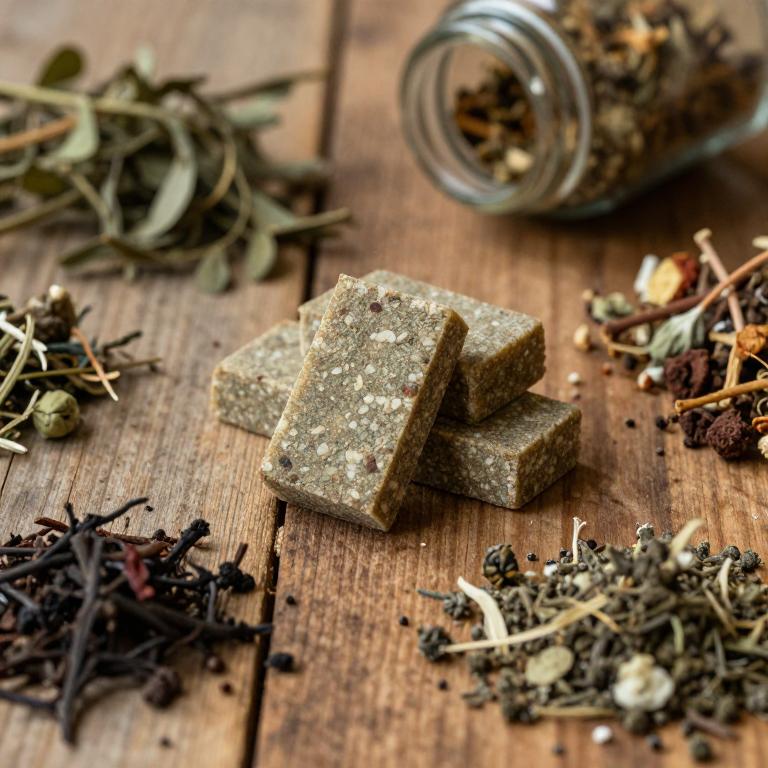
Zingiber officinale, commonly known as ginger, has been traditionally used for its anti-inflammatory and analgesic properties, making it a promising herbal remedy for osteoarthritis.
Ginger lozenges, derived from the root of Zingiber officinale, are designed to provide targeted relief by reducing joint inflammation and pain when dissolved in the mouth. Studies suggest that ginger may inhibit the production of inflammatory compounds such as prostaglandins, which are involved in the progression of osteoarthritis. These lozenges offer a natural, non-invasive option for managing symptoms, particularly for individuals seeking alternatives to conventional pharmaceuticals.
However, while ginger is generally safe, it is important to consult a healthcare provider before use, especially for those with gastrointestinal sensitivities or on blood-thinning medications.
3. Salvia (Salvia officinalis)
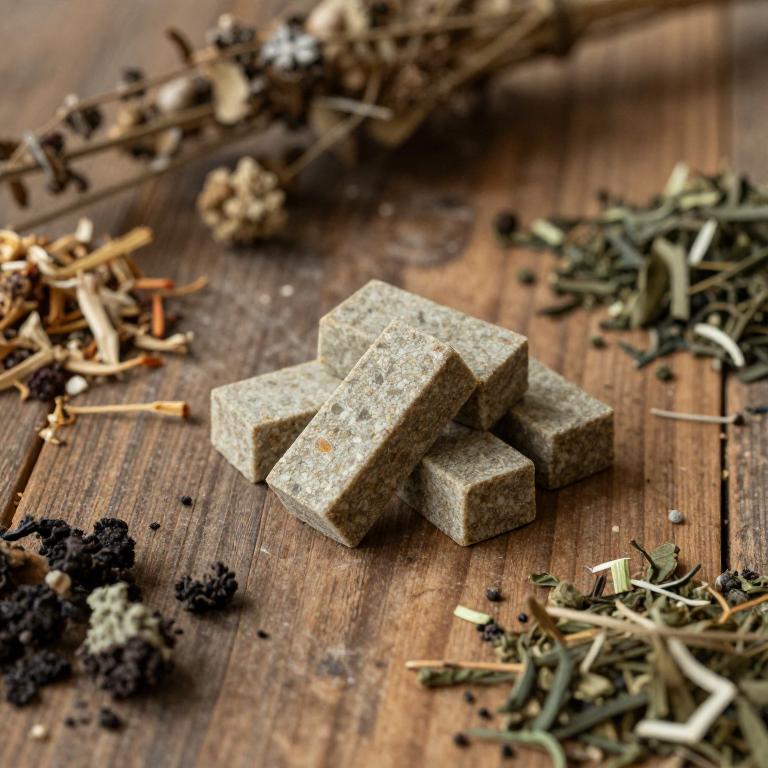
Salvia officinalis, commonly known as sage, has been traditionally used for its anti-inflammatory and analgesic properties, making it a potential candidate for the management of osteoarthritis.
Herbal lozenges containing Salvia officinalis may help reduce joint pain and inflammation by inhibiting pro-inflammatory cytokines and oxidative stress. These lozenges offer a natural and alternative approach for individuals seeking non-pharmacological treatments for osteoarthritis. Clinical studies suggest that regular use of sage lozenges may provide symptomatic relief, though more research is needed to confirm long-term efficacy.
As with any herbal supplement, it is important to consult with a healthcare provider before incorporating Salvia officinalis lozenges into a treatment plan for osteoarthritis.
4. Common grape (Vitis vinifera)
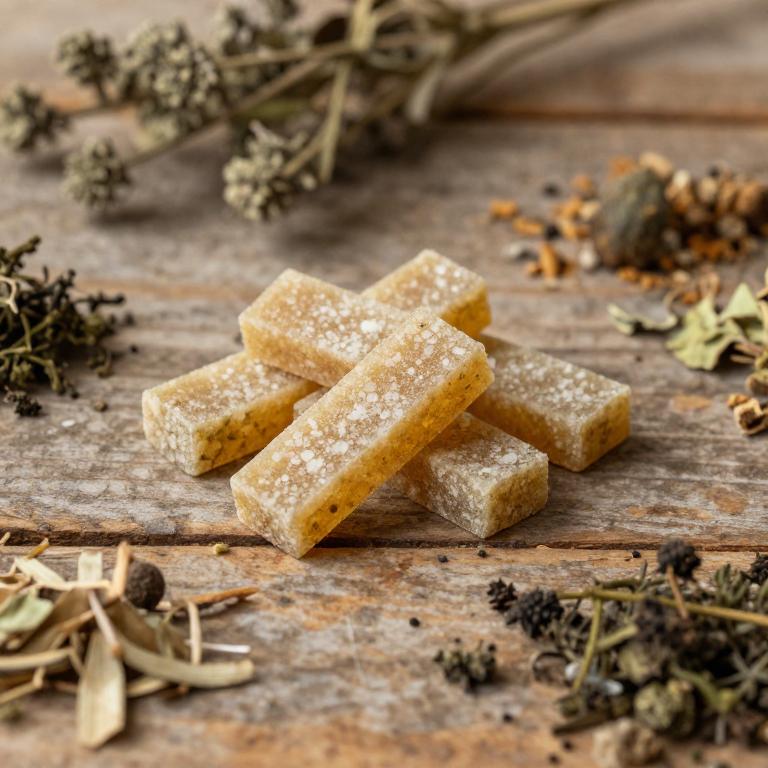
Vitis vinifera herbal lozenges are derived from the extract of the grapevine plant, which has been traditionally used for its anti-inflammatory and antioxidant properties.
These lozenges are often formulated to support joint health by reducing inflammation and oxidative stress associated with osteoarthritis. The active compounds in Vitis vinifera, such as resveratrol, may help in alleviating pain and improving mobility in individuals suffering from the condition. They are typically taken as a convenient oral dosage form, making them easy to incorporate into a daily routine.
However, it is important to consult with a healthcare professional before using these lozenges, especially if you are on other medications or have underlying health conditions.
5. Thistle (Silybum marianum)
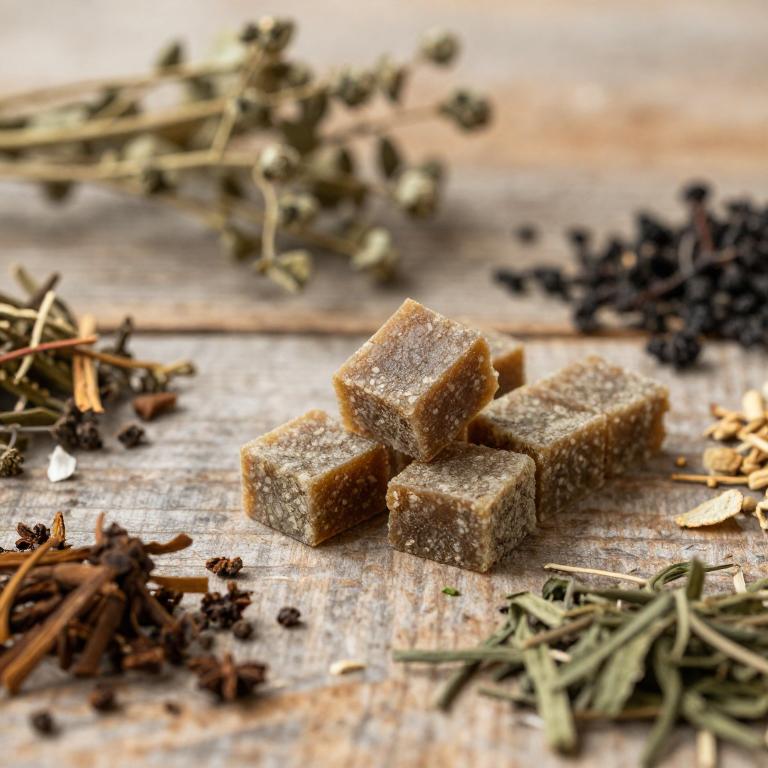
Silybum marianum, also known as milk thistle, is a herbal remedy that has been studied for its potential anti-inflammatory and antioxidant properties.
Herbal lozenges containing Silybum marianum are designed to provide targeted relief for individuals suffering from osteoarthritis by reducing joint inflammation and pain. These lozenges are often preferred as a natural alternative to conventional pharmaceuticals, offering a gentler approach with fewer side effects. Research suggests that the active compounds in Silybum marianum, such as silymarin, may support cartilage health and slow the progression of joint degeneration.
However, it is important to consult with a healthcare provider before using these lozenges, especially if taking other medications or having underlying health conditions.
6. Licorice (Glycyrrhiza glabra)
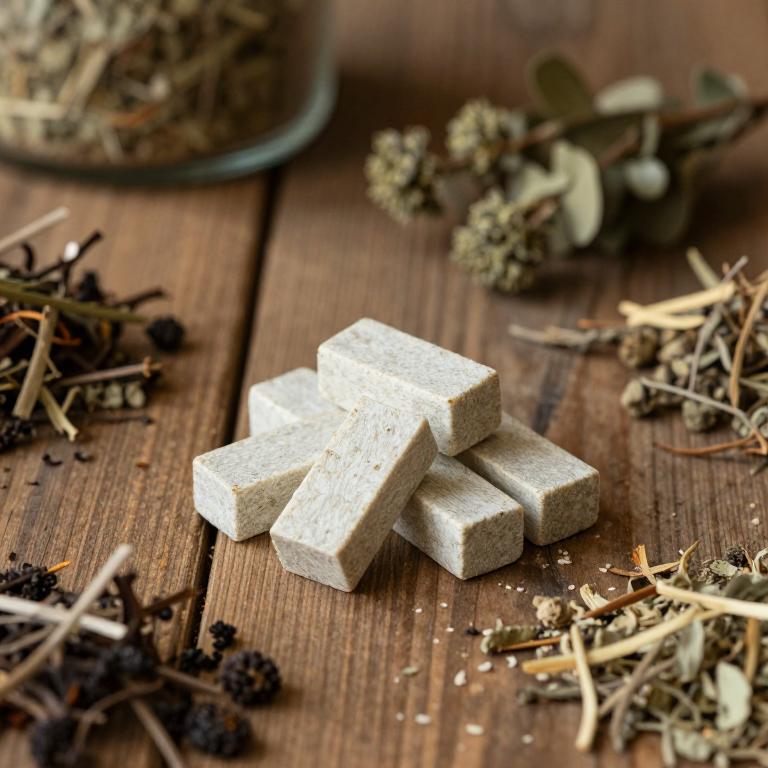
Glycyrrhiza glabra, commonly known as licorice root, has been traditionally used in herbal medicine for its anti-inflammatory and analgesic properties.
Glycyrrhiza glabra herbal lozenges are formulated to provide targeted relief for symptoms of osteoarthritis by reducing inflammation and pain in the joints. These lozenges contain glycyrrhizin, a compound known for its ability to modulate the immune response and inhibit pro-inflammatory cytokines. While preliminary studies suggest potential benefits, more clinical research is needed to fully establish their efficacy and safety for long-term use in managing osteoarthritis.
As a complementary therapy, glycyrrhiza glabra lozenges may be considered alongside conventional treatments under the guidance of a healthcare professional.
7. Echinacea (Echinacea purpurea)
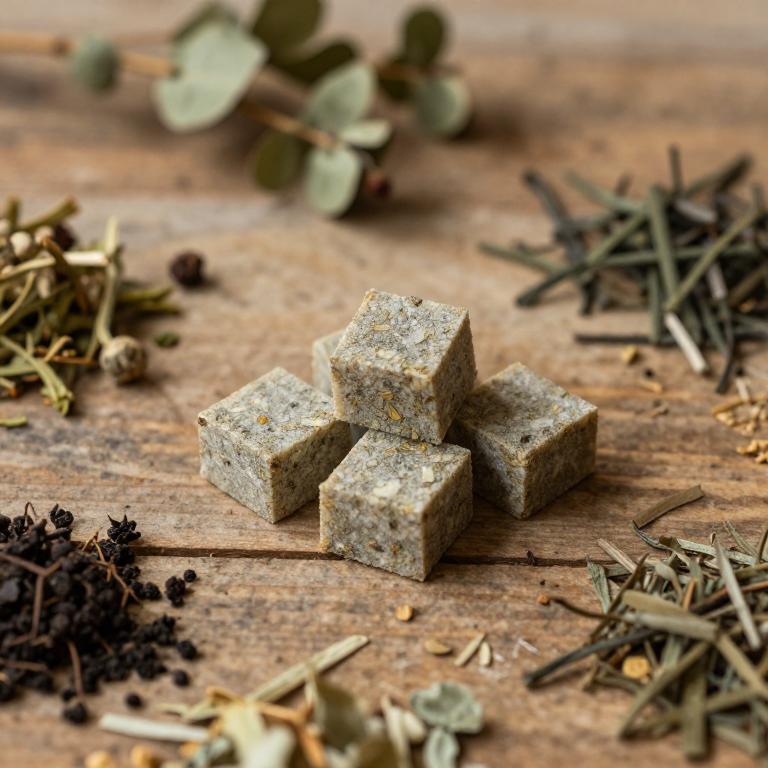
Echinacea purpurea herbal lozenges are commonly used as a complementary therapy for osteoarthritis due to their potential anti-inflammatory and immunomodulatory properties.
These lozenges contain extracts from the purple coneflower, which has been traditionally used to support immune function and reduce inflammation in the body. Some studies suggest that echinacea may help alleviate joint pain and stiffness associated with osteoarthritis by inhibiting pro-inflammatory cytokines. However, the evidence for its efficacy in treating osteoarthritis remains inconclusive, and more clinical research is needed to establish its role in managing this condition.
As with any herbal supplement, it is advisable to consult a healthcare professional before use, especially for individuals with existing medical conditions or those taking other medications.
8. Yarrow (Achillea millefolium)
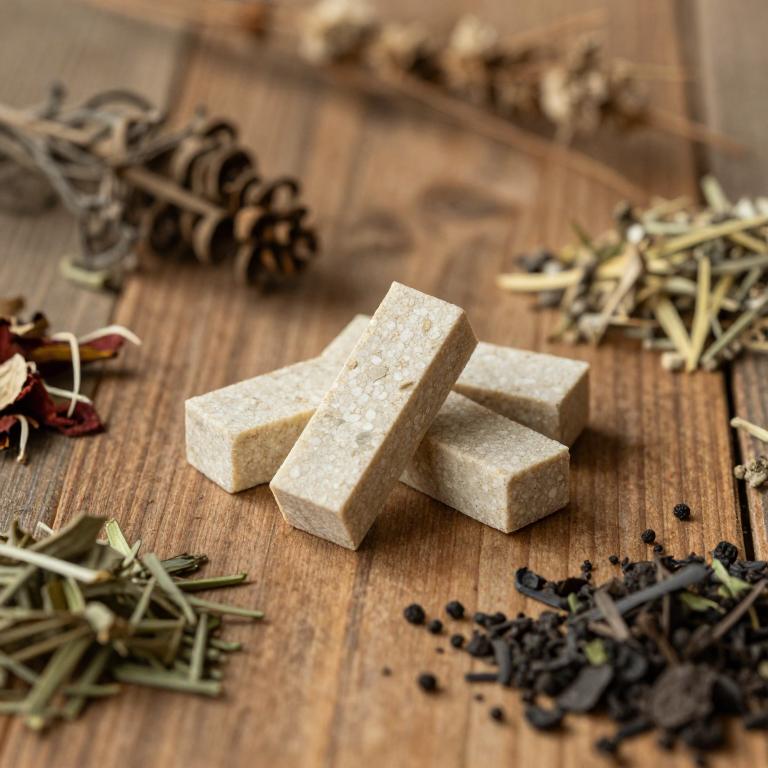
Achillea millefolium, commonly known as yarrow, has been traditionally used for its anti-inflammatory and analgesic properties, making it a potential candidate for herbal lozenges aimed at alleviating symptoms of osteoarthritis.
These lozenges are formulated to provide localized relief by delivering the active compounds of yarrow directly to the affected areas in the mouth and throat, which may help reduce inflammation and pain associated with joint conditions. While preliminary studies suggest that yarrow may support joint health, more clinical research is needed to confirm its efficacy in treating osteoarthritis specifically. The use of Achillea millefolium herbal lozenges is generally considered safe for most individuals, though they should be used under the guidance of a healthcare professional, especially for those with existing medical conditions or taking other medications.
As a complementary therapy, these lozenges may offer a natural alternative for managing osteoarthritis symptoms alongside conventional treatments.
9. Black pepper (Piper nigrum)
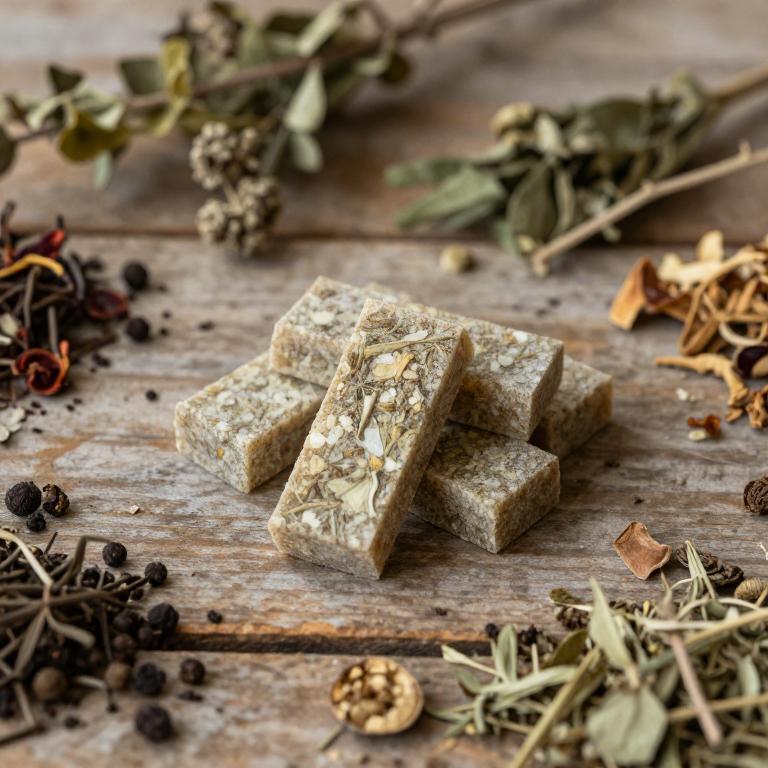
Piper nigrum, commonly known as black pepper, has been traditionally used in herbal medicine for its anti-inflammatory and analgesic properties.
Piper nigrum herbal lozenges are formulated to provide targeted relief for individuals suffering from osteoarthritis by delivering a concentrated dose of piperine, the active compound responsible for its therapeutic effects. These lozenges may help reduce joint pain and stiffness by inhibiting inflammatory pathways in the body. The convenience of lozenge form allows for easy and regular consumption, making it a practical option for managing osteoarthritis symptoms.
However, it is important to consult with a healthcare professional before incorporating piper nigrum lozenges into a treatment regimen, especially for those with existing health conditions or taking other medications.
10. Dog rose (Rosa canina)
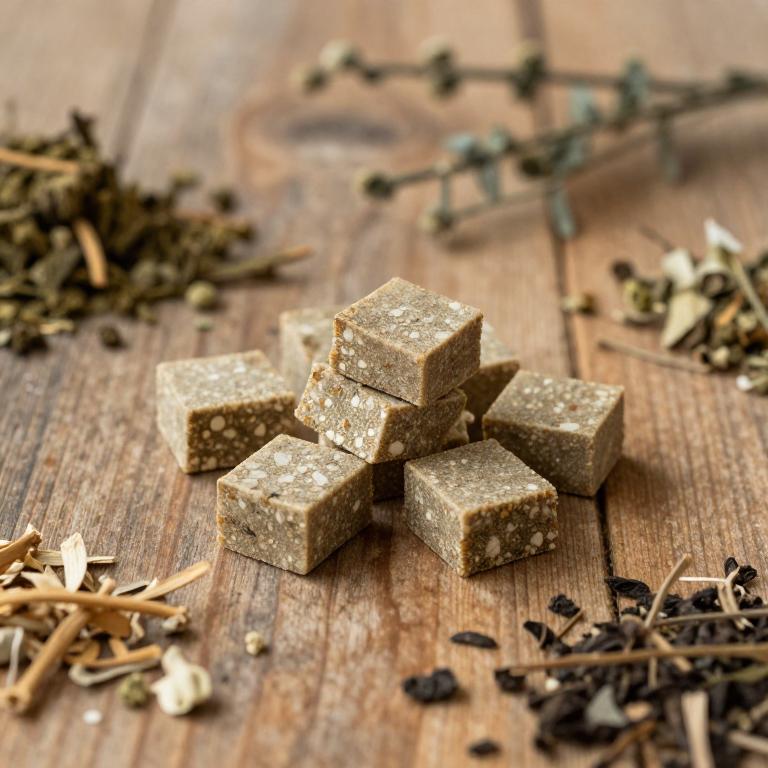
Rosa canina herbal lozenges are a natural remedy derived from the fruit of the rosehip plant, known for its high content of bioflavonoids, vitamin C, and essential fatty acids.
These lozenges are often used to support joint health and alleviate symptoms of osteoarthritis by reducing inflammation and promoting cartilage repair. The anti-inflammatory and antioxidant properties of Rosa canina may help ease pain and improve mobility in individuals suffering from osteoarthritis. Typically taken as a dietary supplement, these lozenges offer a convenient and palatable way to incorporate the beneficial compounds of rosehip into daily routines.
While they are not a cure, they can be a complementary therapy when used alongside conventional treatments for osteoarthritis.