10 Best Herbal Capsules For Osteoarthritis
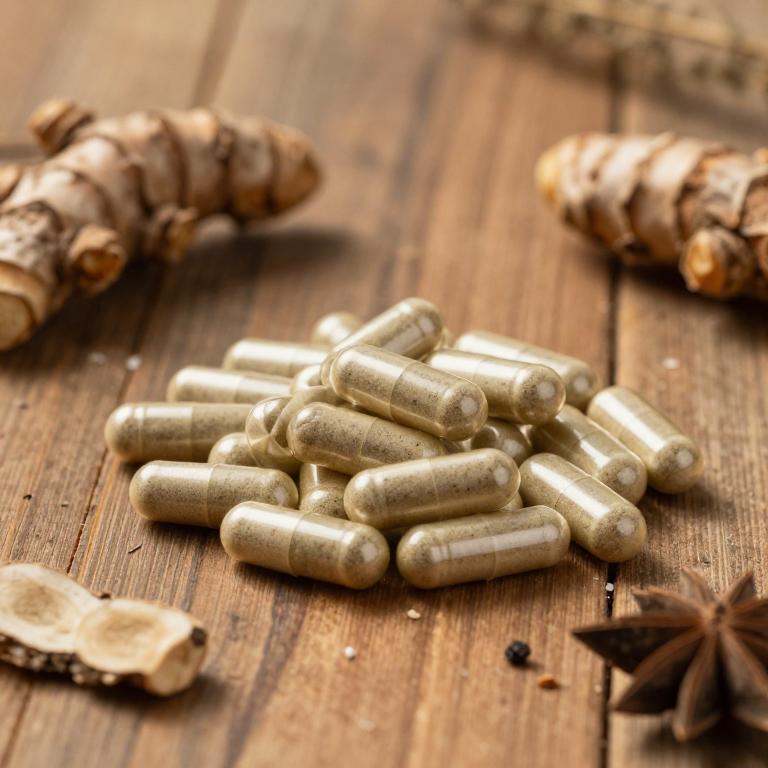
Herbal capsules for osteoarthritis are increasingly popular as natural alternatives to conventional pharmaceutical treatments, offering potential relief from joint pain and inflammation.
These capsules often contain a blend of traditional herbs such as turmeric, ginger, and boswellia, which are known for their anti-inflammatory and pain-relieving properties. Many studies suggest that these herbal formulations may help reduce swelling and improve joint function in individuals with osteoarthritis. However, it is important to consult with a healthcare provider before starting any herbal supplement to ensure safety and appropriateness for individual health conditions.
While herbal capsules may provide some benefits, they should not replace professional medical advice or treatment.
Table of Contents
- 1. Turmeric (Curcuma longa)
- 2. Ginger (Zingiber officinale)
- 3. Salvia (Salvia officinalis)
- 4. Common grape (Vitis vinifera)
- 5. Thistle (Silybum marianum)
- 6. Black pepper (Piper nigrum)
- 7. Indian frankincense (Boswellia serrata)
- 8. Field horsetail (Equisetum arvense)
- 9. Sacred lotus (Nelumbo nucifera)
- 10. Dog rose (Rosa canina)
1. Turmeric (Curcuma longa)
Curcuma longa, commonly known as turmeric, contains a bioactive compound called curcumin, which has been extensively studied for its anti-inflammatory and antioxidant properties.
Herbal capsules made from Curcuma longa are often used as a natural remedy for osteoarthritis due to their potential to reduce joint pain and inflammation. These capsules typically contain a standardized extract of curcumin to enhance bioavailability and effectiveness. Clinical studies suggest that curcumin may help alleviate symptoms of osteoarthritis by inhibiting inflammatory pathways in the body.
However, it is important to consult a healthcare provider before starting any herbal supplement, especially if you are taking other medications or have underlying health conditions.
2. Ginger (Zingiber officinale)
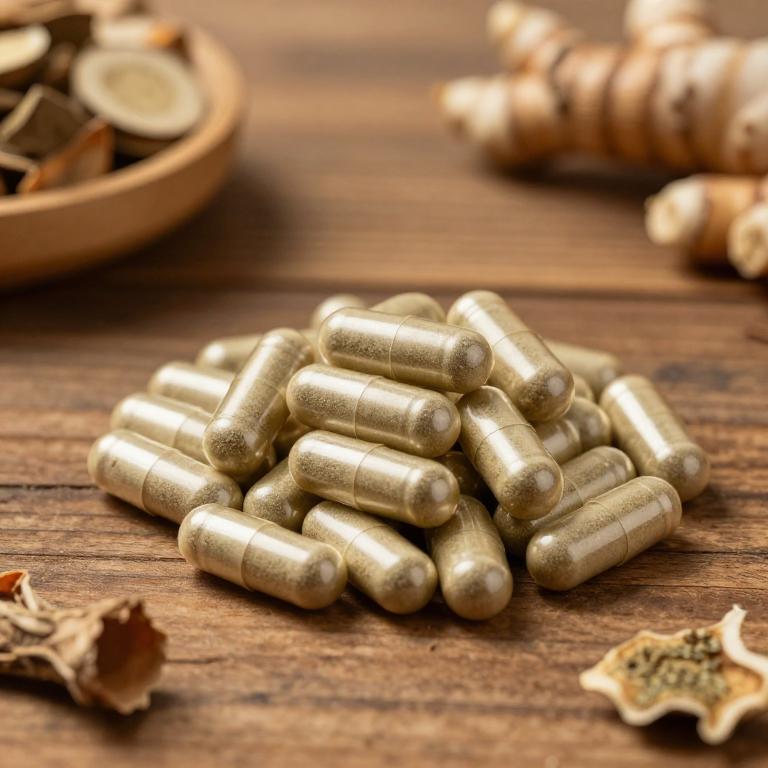
Zingiber officinale, commonly known as ginger, has been widely studied for its potential therapeutic effects in managing osteoarthritis.
The active compounds in ginger, such as gingerol and shogaol, possess strong anti-inflammatory and analgesic properties that may help reduce joint pain and inflammation associated with osteoarthritis. Clinical trials have shown that ginger supplements, including herbal capsules, can be as effective as some nonsteroidal anti-inflammatory drugs (NSAIDs) in alleviating symptoms, with fewer side effects. These capsules are often preferred by individuals seeking natural alternatives to conventional treatments.
When taken consistently, ginger herbal capsules may contribute to improved mobility and quality of life for osteoarthritis patients.
3. Salvia (Salvia officinalis)
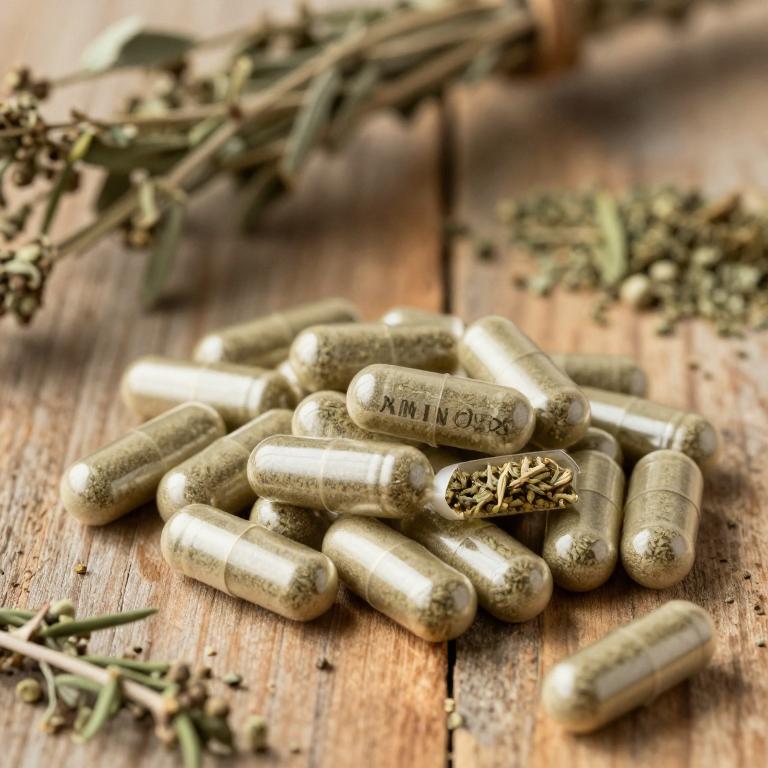
Salvia officinalis, commonly known as sage, has been traditionally used for its medicinal properties, and recent studies suggest that its herbal capsules may offer potential benefits for individuals with osteoarthritis.
The active compounds in sage, such as rosmarinic acid and flavonoids, are believed to possess anti-inflammatory and antioxidant properties that may help reduce joint inflammation and pain. Some clinical trials have indicated that regular consumption of sage capsules could improve mobility and decrease the need for conventional pain medications in osteoarthritis patients. However, more research is needed to fully establish its efficacy and safety profile in long-term management of the condition.
As with any herbal supplement, it is advisable to consult a healthcare provider before starting sage capsules, especially for those with existing health conditions or taking other medications.
4. Common grape (Vitis vinifera)

Vitis vinifera herbal capsules, derived from the grape vine, are traditionally used for their potential anti-inflammatory and antioxidant properties.
These capsules are often marketed as a natural remedy for managing symptoms of osteoarthritis, such as pain and joint stiffness. The active compounds in Vitis vinifera, including resveratrol and flavonoids, may help reduce oxidative stress and inflammation in the joints. While some studies suggest possible benefits, more rigorous clinical trials are needed to confirm their efficacy and safety.
As with any supplement, it is advisable to consult a healthcare professional before using Vitis vinifera capsules for osteoarthritis.
5. Thistle (Silybum marianum)

Silybum marianum, also known as milk thistle, is a herbal supplement commonly used for its potential anti-inflammatory and antioxidant properties.
When formulated into herbal capsules, it may offer support for individuals suffering from osteoarthritis by helping to reduce joint inflammation and pain. Some studies suggest that the active compound silymarin in silybum marianum could protect cartilage and promote joint health. However, while preliminary research is promising, more clinical trials are needed to fully establish its efficacy for osteoarthritis.
As with any supplement, it is advisable to consult a healthcare professional before use, especially if taking other medications or having underlying health conditions.
6. Black pepper (Piper nigrum)
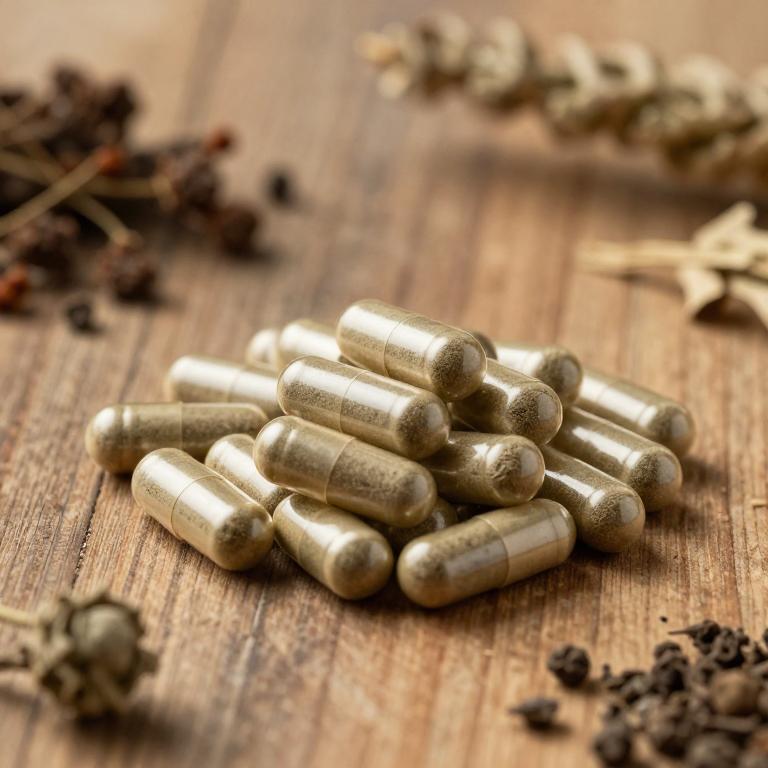
Piper nigrum, commonly known as black pepper, has been traditionally used in herbal medicine for its anti-inflammatory and analgesic properties.
When formulated into herbal capsules, piper nigrum may offer a natural alternative for managing symptoms of osteoarthritis by reducing joint inflammation and pain. The active compound in black pepper, piperine, is believed to enhance the bioavailability of other anti-inflammatory substances in the body. Some preliminary studies suggest that piper nigrum capsules could complement conventional treatments for osteoarthritis, though more research is needed to confirm their efficacy and safety.
As with any herbal supplement, it is important to consult a healthcare professional before use, especially for individuals with existing health conditions or those taking other medications.
7. Indian frankincense (Boswellia serrata)

Boswellia serrata, also known as Indian frankincense, is a herbal supplement that has been traditionally used for its anti-inflammatory properties.
Boswellia serrata herbal capsules contain active compounds called boswellic acids, which are believed to inhibit the production of inflammatory enzymes in the body. These capsules are often used as a natural alternative or complementary treatment for osteoarthritis, helping to reduce joint pain and improve mobility. Studies suggest that boswellia serrata may help alleviate symptoms of osteoarthritis by decreasing inflammation and supporting cartilage health.
However, it is important to consult with a healthcare provider before starting any new supplement regimen, especially if you are taking other medications or have existing health conditions.
8. Field horsetail (Equisetum arvense)
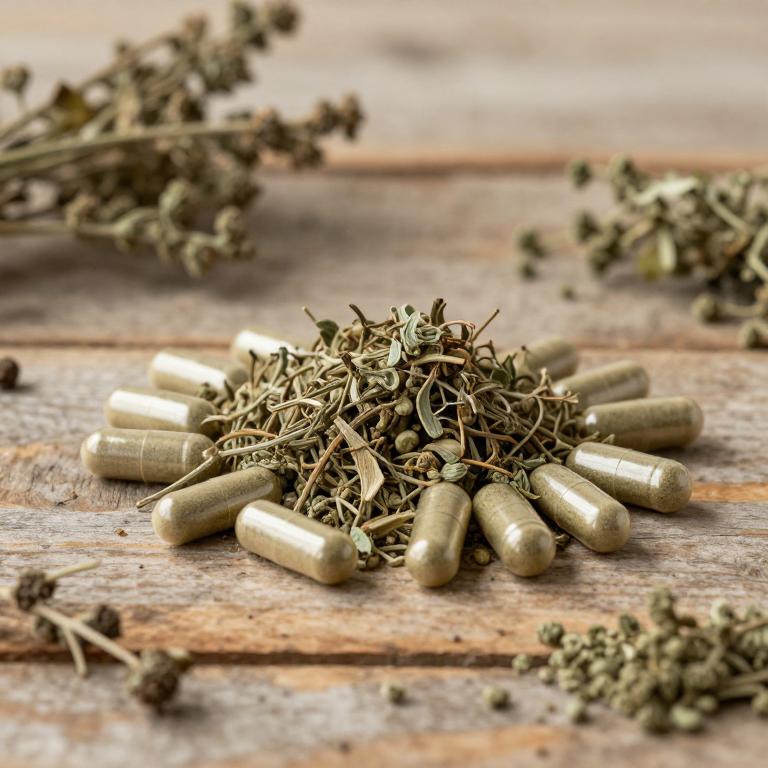
Equisetum arvense, commonly known as field horsetail, is a traditional herbal remedy that has been used for its potential anti-inflammatory and antioxidant properties.
Herbal capsules containing Equisetum arvense are often marketed for their ability to support joint health and alleviate symptoms of osteoarthritis. The plant is rich in silica and other bioactive compounds that may contribute to its therapeutic effects. Some studies suggest that these capsules may help reduce pain and improve mobility in individuals with osteoarthritis.
However, it is important to consult a healthcare professional before using these supplements, as they may interact with certain medications or have side effects.
9. Sacred lotus (Nelumbo nucifera)

Nelumbo nucifera, commonly known as the sacred lotus, has been traditionally used in Ayurvedic medicine for its anti-inflammatory and pain-relieving properties.
Herbal capsules made from the leaves and flowers of Nelumbo nucifera are gaining popularity as a natural remedy for osteoarthritis due to their ability to reduce joint inflammation and improve mobility. The active compounds, such as alkaloids and flavonoids, contribute to its therapeutic effects by modulating inflammatory pathways in the body. These capsules are often preferred by individuals seeking alternative or complementary treatments to conventional medications.
However, it is important to consult with a healthcare professional before starting any new herbal supplement regimen.
10. Dog rose (Rosa canina)
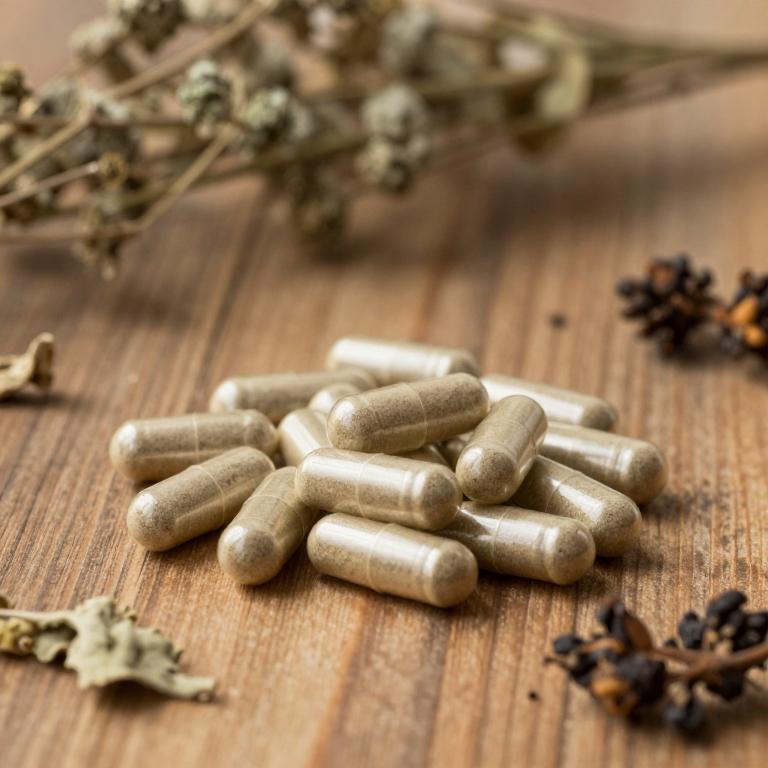
Rosa canina, also known as rosehip, has been traditionally used for its anti-inflammatory and antioxidant properties, making it a popular herbal remedy for osteoarthritis.
Rosa canina herbal capsules typically contain standardized extracts of the fruit, which are rich in bioactive compounds such as polyphenols, flavonoids, and essential oils. Clinical studies suggest that these capsules may help reduce joint pain and improve mobility in individuals with osteoarthritis by decreasing inflammation and supporting cartilage health. The capsules are generally considered safe and well-tolerated, with minimal side effects when taken as directed.
As a complementary therapy, Rosa canina can be used alongside conventional treatments to enhance overall joint function and quality of life.