10 Best Herbal Essential Oils For Open Pores
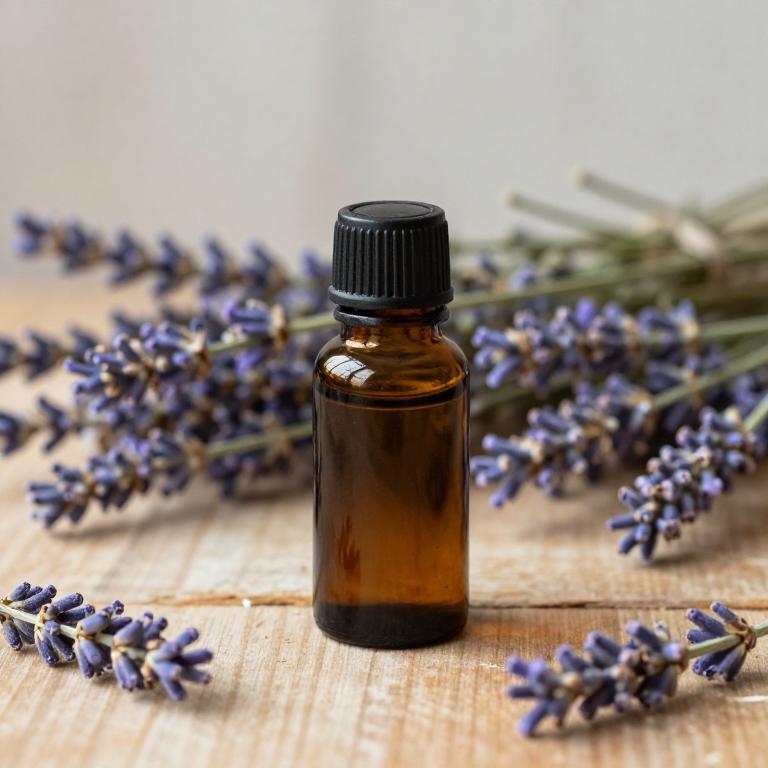
Herbal essential oils are natural extracts derived from various plants and are commonly used in aromatherapy and skincare for their therapeutic properties.
These oils can be beneficial for open pores due to their ability to balance sebum production and promote skin renewal. Oils like tea tree, lavender, and chamomile are particularly effective in reducing inflammation and unclogging pores. When properly diluted, they can be safely applied to the skin to improve texture and clarity.
However, it is important to perform a patch test and consult with a dermatologist before incorporating them into a skincare routine.
Table of Contents
- 1. English lavender (Lavandula angustifolia)
- 2. Melaleuca (Melaleuca alternifolia)
- 3. German chamomile (Chamomilla recutita)
- 4. Eucalyptus (Eucalyptus globulus)
- 5. Salvia (Salvia officinalis)
- 6. Rosemary (Rosmarinus officinalis)
- 7. Sandalwood (Santalum album)
- 8. Aloe vera (Aloe barbadensis)
- 9. Lemon grass (Cymbopogon martini)
- 10. Ginger (Zingiber officinale)
1. English lavender (Lavandula angustifolia)
Lavandula angustifolia, commonly known as English lavender, is widely recognized for its calming and therapeutic properties, and its essential oil is particularly valued for its benefits in skincare.
The essential oil of Lavandula angustifolia is known to help with open pores due to its astringent and antiseptic properties, which can help tighten and tone the skin. It contains compounds like linalool and linalyl acetate that may reduce excess sebum production and promote skin clarity. Regular use of lavender essential oil in skincare routines can help maintain a balanced complexion and minimize the appearance of enlarged pores.
However, it is important to dilute the oil properly before applying it to the skin to avoid irritation.
2. Melaleuca (Melaleuca alternifolia)
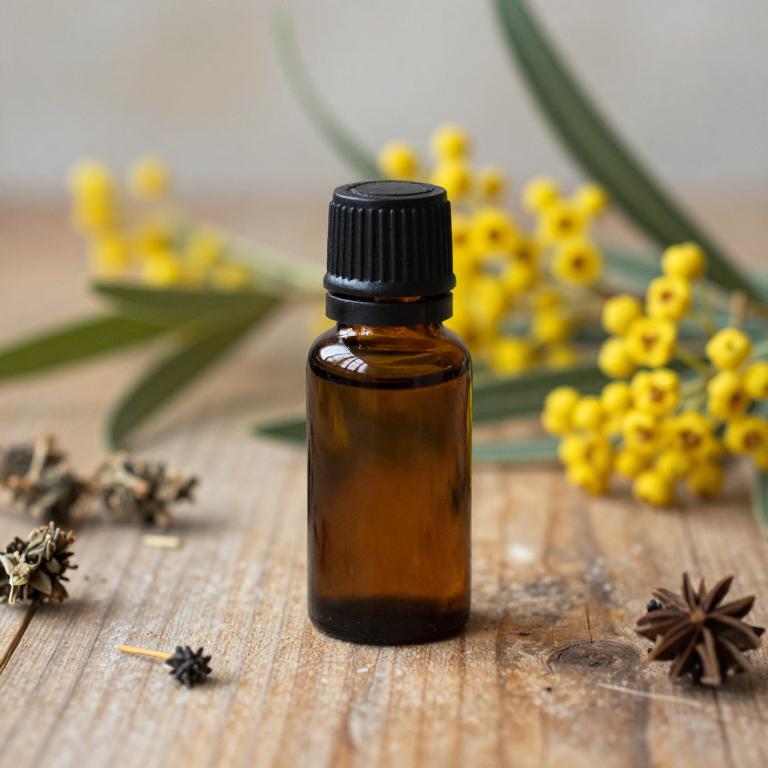
Melaleuca alternifolia, commonly known as tea tree oil, is a popular essential oil derived from the leaves of the Melaleuca alternifolia plant, native to Australia.
It is widely recognized for its antimicrobial, antifungal, and anti-inflammatory properties, making it a valuable ingredient in skincare formulations. When used for open pores, tea tree oil can help reduce excess sebum production and prevent bacterial growth, which are common causes of enlarged or visible pores. Its ability to balance oil production and promote skin clarity makes it a beneficial natural remedy for those concerned with pore appearance.
However, it should always be diluted before application to avoid skin irritation, as it is a concentrated essential oil.
3. German chamomile (Chamomilla recutita)
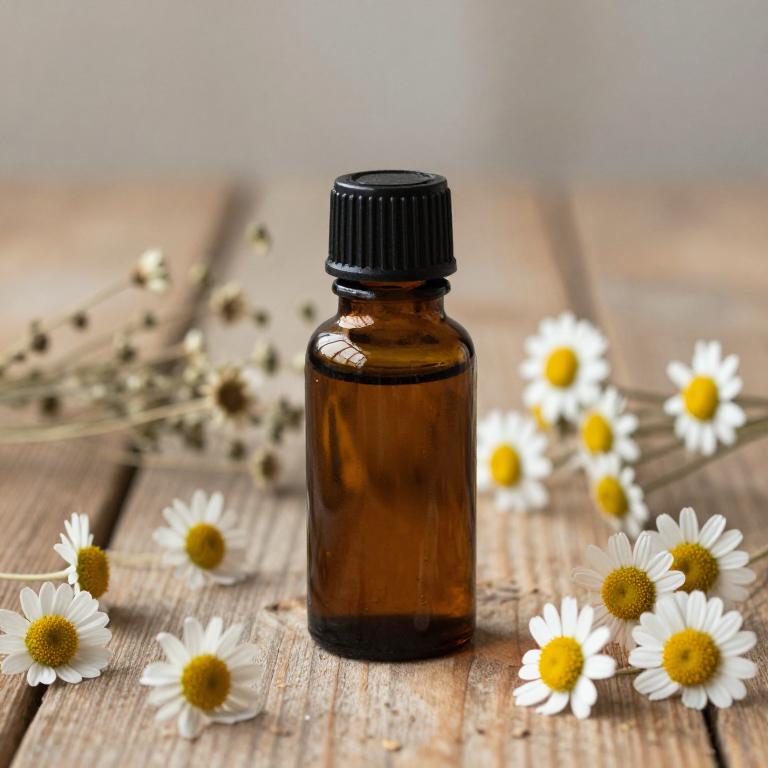
Chamomilla recutita, commonly known as German chamomile, is a popular herb used in the production of essential oils renowned for their soothing and anti-inflammatory properties.
The essential oil derived from this plant is often utilized in skincare for its ability to calm and balance the skin, making it particularly beneficial for those with sensitive or acne-prone skin. When applied topically, chamomile essential oil can help reduce redness and irritation, which may contribute to the appearance of open pores. Its antimicrobial properties also support clear skin, potentially minimizing the buildup of impurities that can enlarge pores.
However, it is important to dilute the oil properly before use, as undiluted essential oils can be harsh and cause skin irritation.
4. Eucalyptus (Eucalyptus globulus)
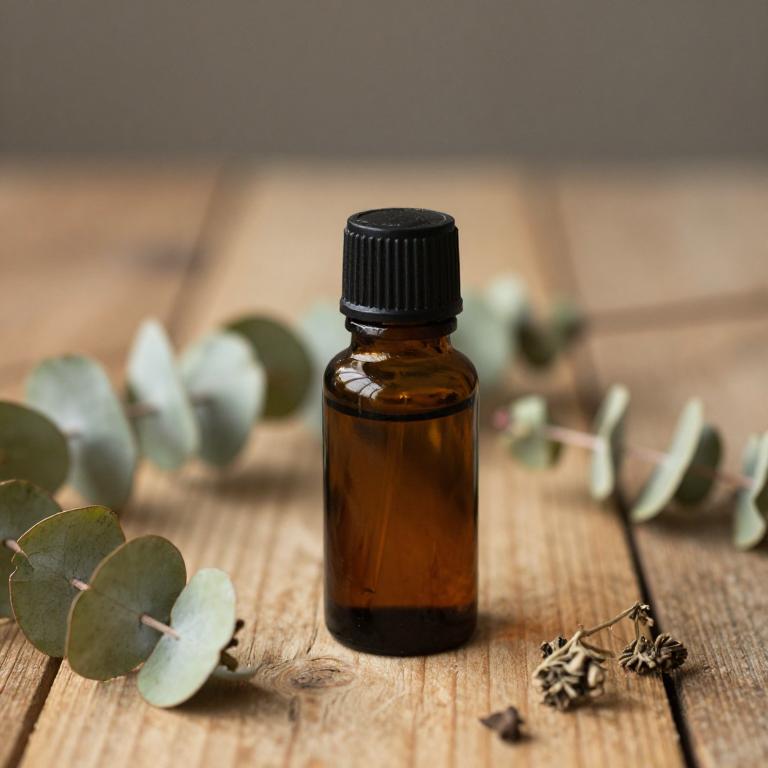
Eucalyptus globulus, commonly known as the blue gum eucalyptus, is a widely used plant in aromatherapy and herbal medicine, particularly for its essential oil derived from its leaves.
This essential oil is renowned for its refreshing, camphor-like scent and its potent antimicrobial and anti-inflammatory properties. When applied topically, eucalyptus globulus essential oil can help reduce the appearance of open pores by regulating sebum production and promoting skin clarity. It is often used in skincare formulations designed for oily or acne-prone skin due to its ability to detoxify and balance the skin's surface.
However, it should always be diluted with a carrier oil before application to prevent irritation and ensure safe use.
5. Salvia (Salvia officinalis)
Salvia officinalis, commonly known as sage, is a versatile herb whose essential oil has been traditionally used for its therapeutic properties.
The essential oil of sage is particularly noted for its ability to help with open pores due to its astringent and antimicrobial properties, which can tighten and tone the skin. It contains compounds like thujone and camphor that contribute to its effectiveness in reducing the appearance of pores and promoting skin clarity. When used in skincare formulations, sage essential oil can help regulate sebum production, making it beneficial for oily or acne-prone skin.
However, it is important to dilute the oil properly before use, as it can be quite potent and may cause irritation if applied undiluted.
6. Rosemary (Rosmarinus officinalis)
Rosmarinus officinalis, commonly known as rosemary, is a popular herb whose essential oil is widely used in aromatherapy and skincare due to its numerous therapeutic properties.
The essential oil of rosemary contains compounds like cineole and camphor, which are known for their ability to stimulate circulation and support skin health. When applied topically, rosemary essential oil can help reduce the appearance of open pores by tightening the skin and promoting a more even texture. Its antioxidant properties also help protect the skin from environmental damage, contributing to a healthier complexion.
However, it is important to dilute the essential oil with a carrier oil before use to avoid irritation, especially for those with sensitive skin.
7. Sandalwood (Santalum album)
Santalum album, commonly known as sandalwood, is a revered herbal essential oil that has been used for centuries in traditional medicine and aromatherapy.
This oil is particularly beneficial for those with open pores due to its astringent properties, which help tighten and refine the skin's texture. The calming and soothing aroma of sandalwood essential oil also promotes relaxation and reduces stress, which can indirectly improve skin health. When applied topically, it can help regulate sebum production, making it an effective natural remedy for oily and acne-prone skin.
Overall, Santalum album essential oil offers a holistic approach to addressing open pores while promoting a clearer, more balanced complexion.
8. Aloe vera (Aloe barbadensis)
Aloe barbadensis, commonly known as aloe vera, is a succulent plant renowned for its soothing and healing properties, particularly when used in the form of herbal essential oils.
These essential oils are extracted from the gel-like substance of the aloe leaf and are rich in vitamins, minerals, and antioxidants that contribute to skin health. When applied topically, aloe barbadensis essential oils can help reduce inflammation and redness, making them beneficial for those with sensitive or acne-prone skin. The anti-inflammatory and antimicrobial properties of aloe vera oils can also help in minimizing the appearance of open pores by regulating sebum production and promoting skin renewal.
However, it is important to dilute these essential oils properly before use, as they can be potent and may cause irritation if applied undiluted.
9. Lemon grass (Cymbopogon martini)
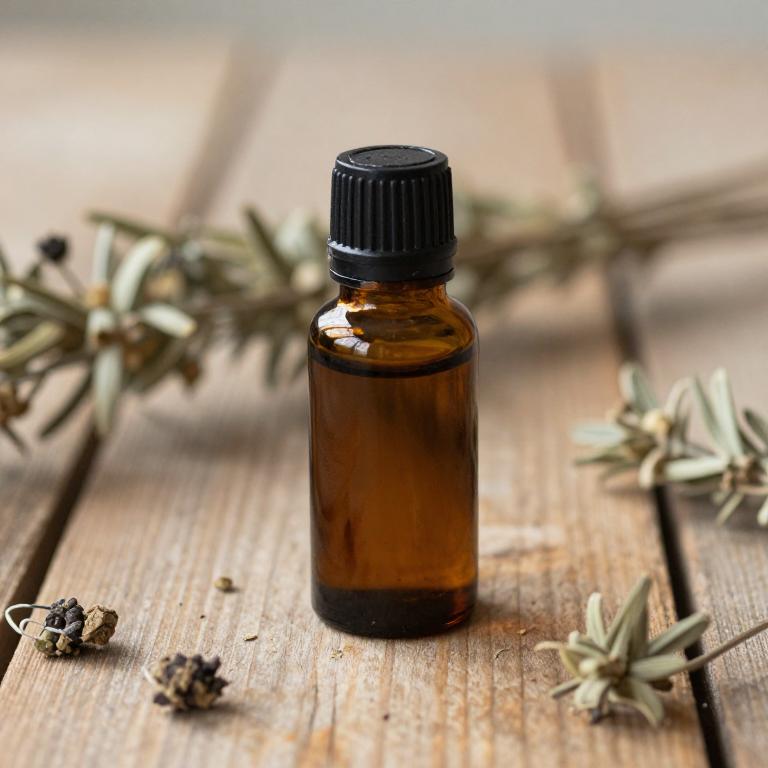
Cymbopogon martini, commonly known as citronella grass, produces a distinctive herbal essential oil that is widely used for its aromatic and therapeutic properties.
This essential oil is particularly valued for its ability to help open pores, making it a popular ingredient in skincare formulations aimed at improving skin clarity and reducing congestion. The active compounds in citronella oil, such as citral and geraniol, possess mild antimicrobial and astringent qualities that can help cleanse the skin and regulate sebum production. When applied topically, it can enhance the absorption of other skincare ingredients, promoting a more effective and balanced complexion.
However, it is important to dilute the oil properly before use, as it can be irritating to sensitive skin when applied undiluted.
10. Ginger (Zingiber officinale)
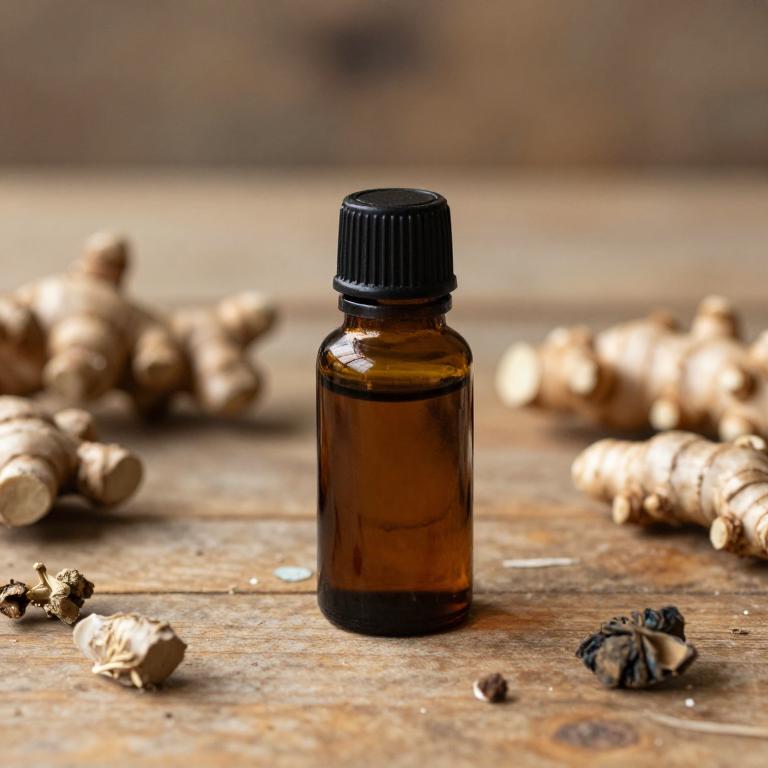
Zingiber officinale, commonly known as ginger, is a versatile herb that has been widely used in traditional medicine for its numerous health benefits.
Its essential oil, extracted through steam distillation, contains bioactive compounds such as gingerol and shogaol, which are known for their anti-inflammatory and antioxidant properties. When used for open pores, ginger essential oil can help regulate sebum production and reduce excess oiliness, making it beneficial for oily and acne-prone skin. It also has a warming effect that can improve blood circulation and promote skin rejuvenation.
However, it is important to dilute the essential oil properly before applying it to the skin to avoid irritation.